Reconnect our cities with nature
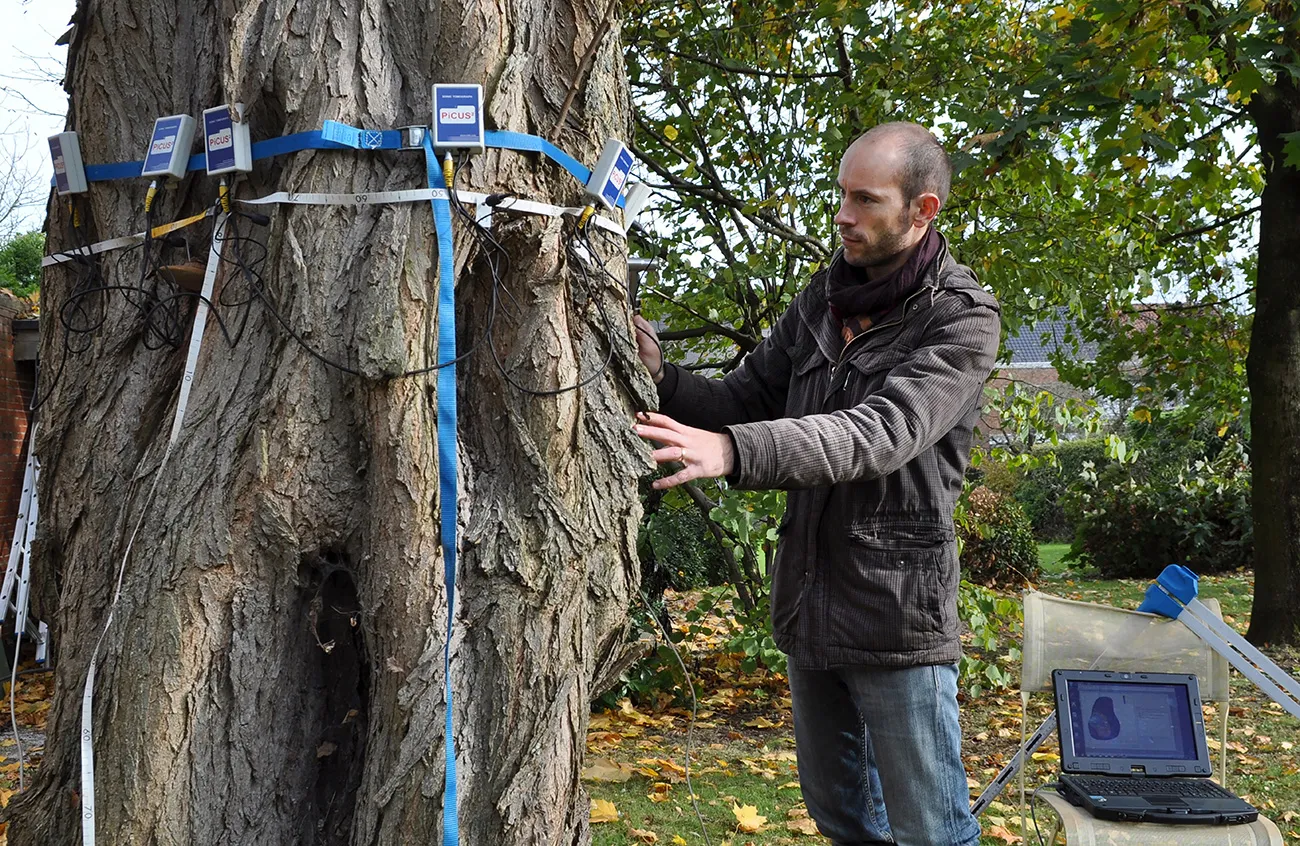
The challenges we face today are unprecedented. The succession of crises and forecasts from the scientific community are cause for concern. Urban population growth, the collapse of biodiversity, climate change, water scarcity, air and natural resource pollution, epidemics and more are clearly identified phenomena. Cities are particularly vulnerable to these phenomena because they intensify them. Take the urban heat island effect, for example, which is now well known and responsible for many deaths during heatwaves. We know that average temperatures will rise by 2 to 3 degrees by the end of the century, and that the world will experience heatwaves with temperatures of 50°C, or even close to 55°C!
We therefore need to rethink how we design and manage our cities to mitigate the deterioration of living conditions in urban areas. Fortunately, there is an extremely effective tool for tackling these phenomena: trees! Nothing invented by humans is as effective …
Trees and green spaces bring significant public health benefits. The value of trees is beyond question. Yet they are still seen as a cost rather than an investment. When all the benefits trees provide are taken into account, the savings for the population as a whole are enormous. But trees’ good intentions are no longer enough. We need to reconnect our cities with nature. For trees to thrive and deliver the greatest possible benefits, they need favourable growing conditions.
Fortunately, it is possible to combine tree planting with urban development. This requires a change in established practices and the integration of green infrastructure into civil engineering from the design stage, so that it becomes a fully embedded part of the project, on an equal footing with lighting, utility networks, roads and so on. At present, a street tree lives for less than 30 years on average, even though it could live for more than 100 years! This is a huge waste when you consider that older trees provide greater benefits!
Here are some examples of ways to improve conditions for trees and maximise the benefits they provide:
- Separate utility networks from tree roots to avoid damaging roots during maintenance work and prevent roots from damaging the networks.
- Ensure trees receive the water they need. Rain trees, for example, are planted in areas that collect rainwater.
- Provide good-quality growing medium in sufficient quantities. A planting pit must provide enough volume to meet a tree’s vital needs when it is fully grown, not just at planting. At least 5m3 per tree is required, with no upper limit.
- The soil and roots must not be compacted, whether by vehicles or pedestrians. This can be avoided by using techniques such as tree planting cells or the Stockholm system.
Looking after trees improves people’s wellbeing and reduces management costs, so everyone benefits twice over!
Question about this story? Ask your question
Keep following this
Get an email when a new story is published. No account needed.
- SubjectOpinion