Sustainable substrates, from production to second life
Texte Niels Rouvrois | Photos Acterra
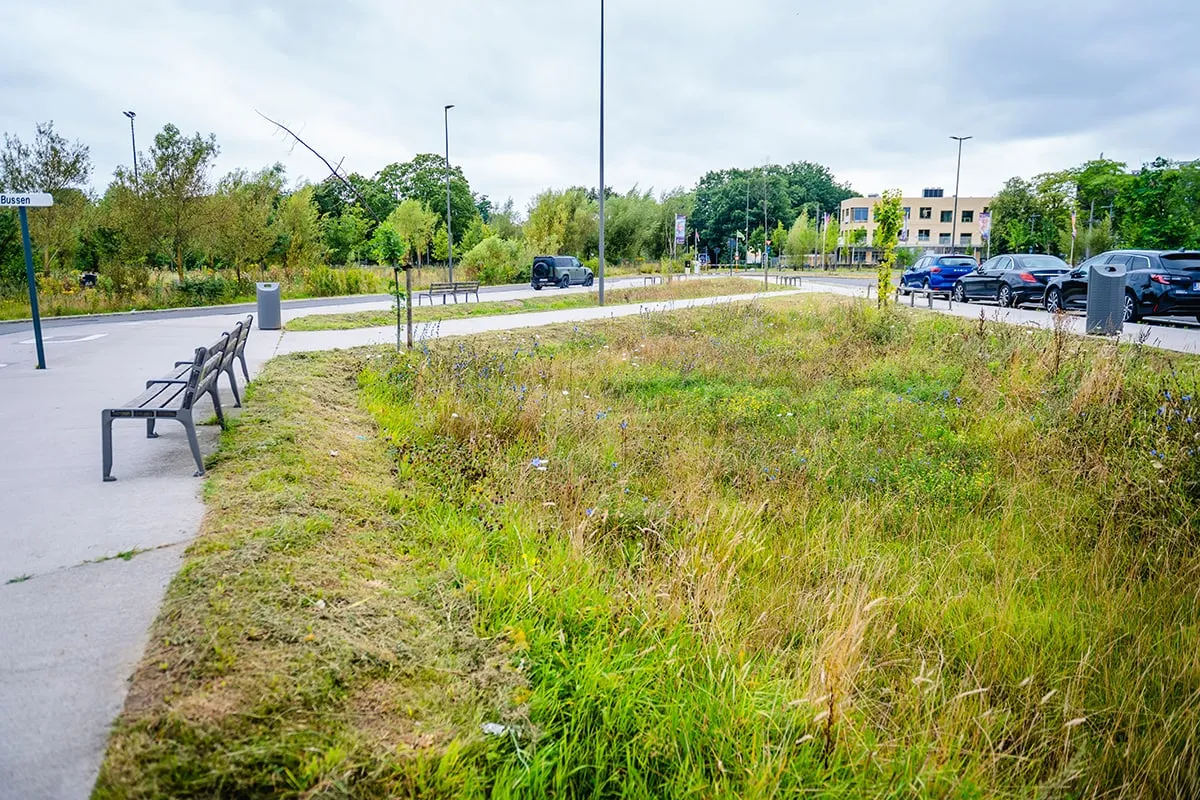
Production, delivery and reuse. These are the three pillars underpinning Acterra’s sustainability policy. The substrates produced by the Nazareth-based specialist are made sustainably, delivered as efficiently as possible and, preferably, given a second life. “Thanks to our take-back guarantee, customers know that we take back the substrates after 20 years and reuse them in other applications,” says Bart Geerts, director of Acterra, which produces, among other products, RevivA® permeable grass paving and TerraViva® substrates.
Whether it is a major construction project, garden work or the redevelopment of public spaces, sustainability is now an essential consideration that can be addressed in several ways. As a developer and producer of soil substrates, Acterra is aware of their impact on the planet, animals and people.
“I think sustainability can be linked to the South African term ‘volhoudbaarheid’, or the ability to endure over time. How long can something be maintained or carried out without harming the planet, animals and people? What we bury in the soil today can have a negative impact on future generations, and I don’t want Acterra to contribute to that,” explains Bart Geerts. “That is why sustainability is one of our priorities at three levels: production, delivery and use.”
Optimising
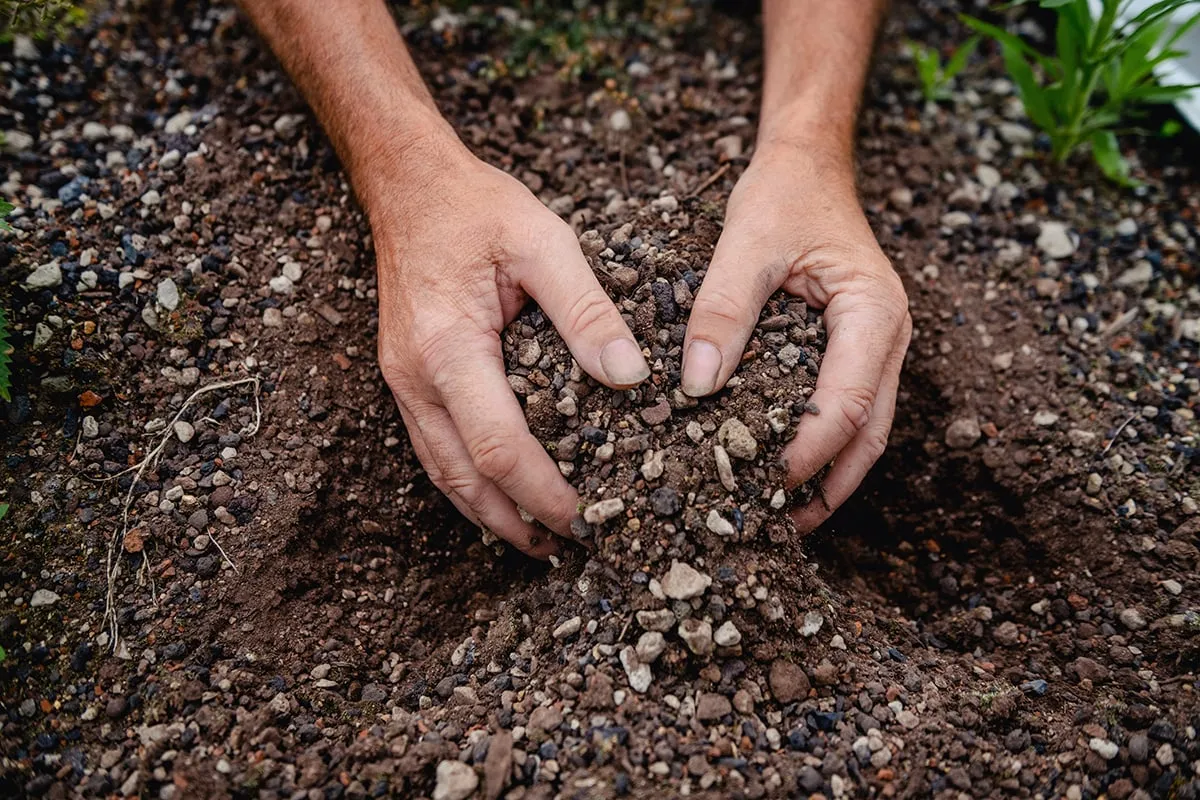
“At the production stage, we use 100% of the ingredients we work with,” Bart Geerts continues. “That is not always straightforward. We also use sustainable production techniques. We optimise our energy consumption and produce as efficiently as possible, making the largest possible volumes in the least taxable form. In production, we ban polluting aggregates. Biological, chemical or physical erosion can cause them to crumble and risk contaminating precious drinking water, which must be avoided.”
Acterra has four production sites across Belgium. Bart Geerts says: “This is a deliberate choice to limit delivery distances and serve our customers as well as possible. We are continually working to improve these processes. Lost time cannot be recovered. Keeping it to a minimum is also a form of sustainability.”
Reuse
Through initiatives including its RevivA® programme, Acterra aims to encourage local authorities, gardeners and horticulturalists to make sustainable raw materials available for reuse. Bart Geerts says: “We reinforce this incentive with our take-back guarantee. If we supply a substrate for trees, customers can return it to us, and 99% of the material will be used in other applications. Acterra is committed to making the entire chain as sustainable as possible.”
Sustainability is part of Acterra’s DNA, even if it takes effort. “The major challenge is recovering the minerals from substrates. To do this, the carbon component must be extracted and the minerals kept purer. New humus is then added to enable reuse. It is a major challenge, both technical and legal, because it involves creating new raw materials from waste. There is a lot to consider, but it is our duty to play a pioneering role in sustainability,” concludes Bart Geerts.
Question about this story? Ask your question
Keep following this
Get an email when a new story is published. No account needed.
- ThemeManaging rainwater
- SubjectNews