A cluster of ponds is ideal
Texte & photos Guido Lurquin
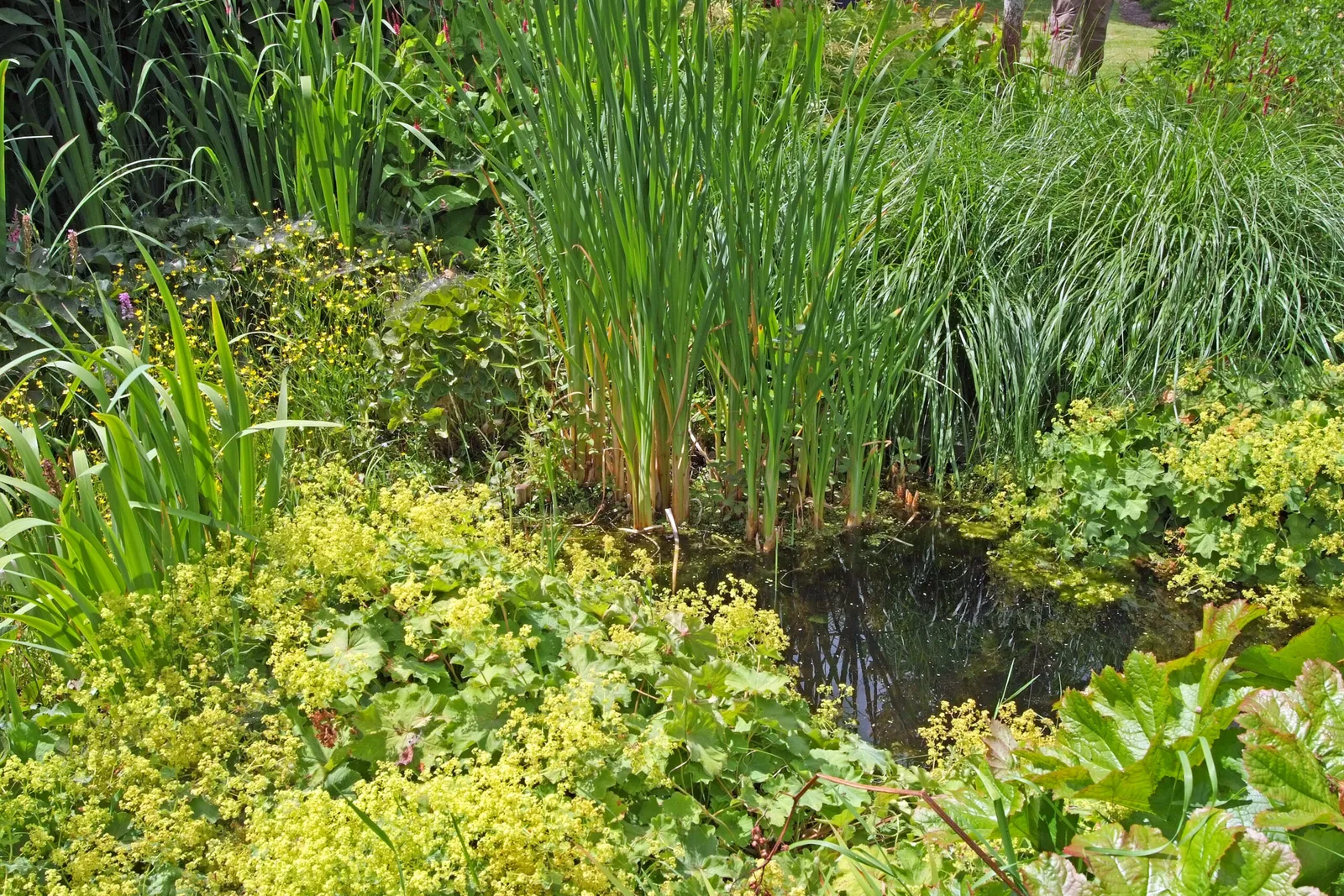
The ideal garden of the future will include a cluster of ponds
Would you like to help protect nature and attract as much native wildlife as possible? Several small ponds have greater ecological value than a single large pond. They ensure maximum biodiversity in the garden.
Several small ponds boost biodiversity overall
Having several ponds creates a range of conditions, in terms of depth, sunlight, plant species and water quality. This allows a greater variety of animal and plant species to thrive there. Some amphibians, insects and plants prefer warm, sunny water, while others favour shade or cooler water.
Several small ponds reduce the risk of disruption
If one pond dries out, becomes polluted or silts up, the others continue to provide a habitat. This makes the whole system more resistant to the vagaries of the climate and more resilient. This is all the more important given the current rise in extreme weather events.
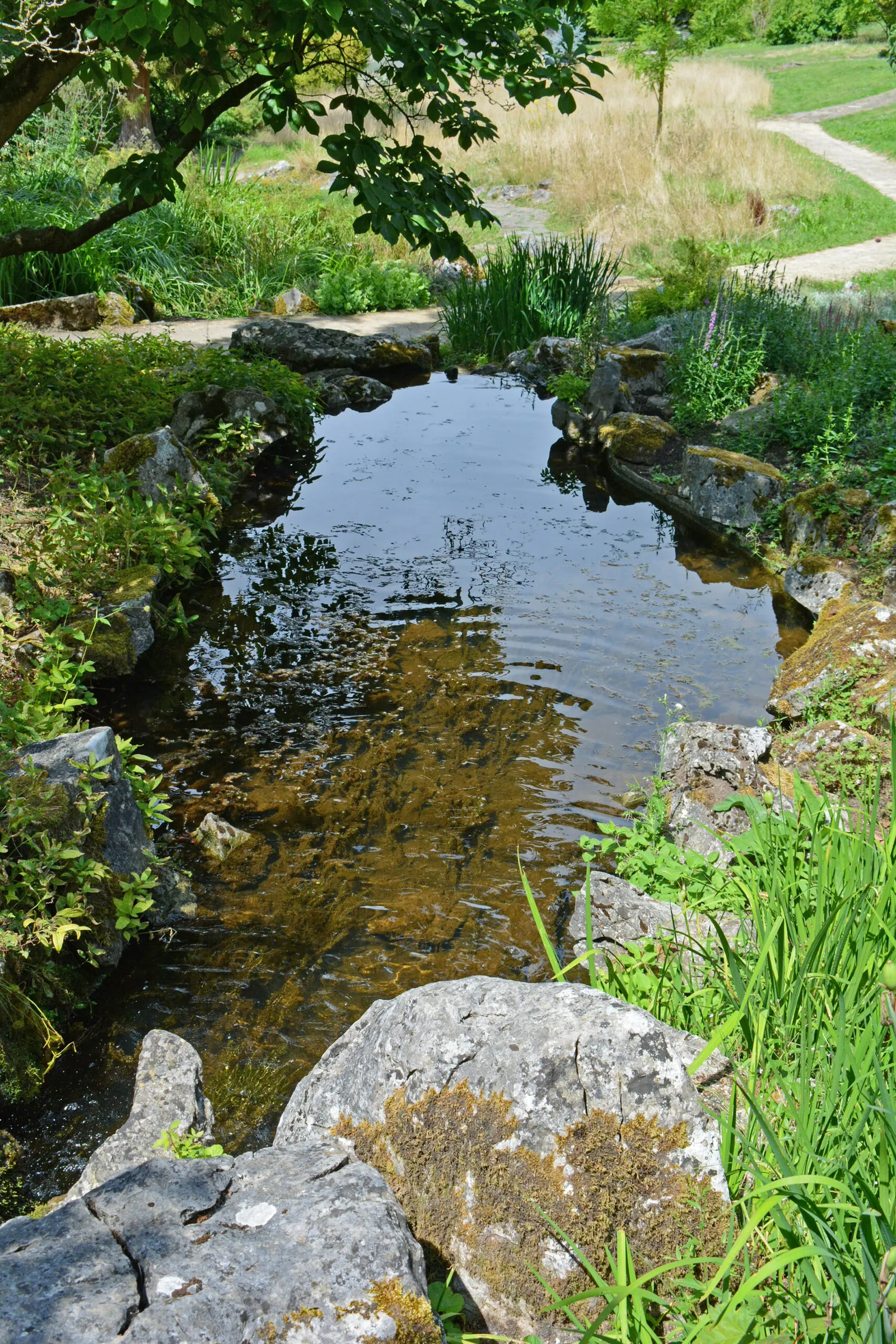
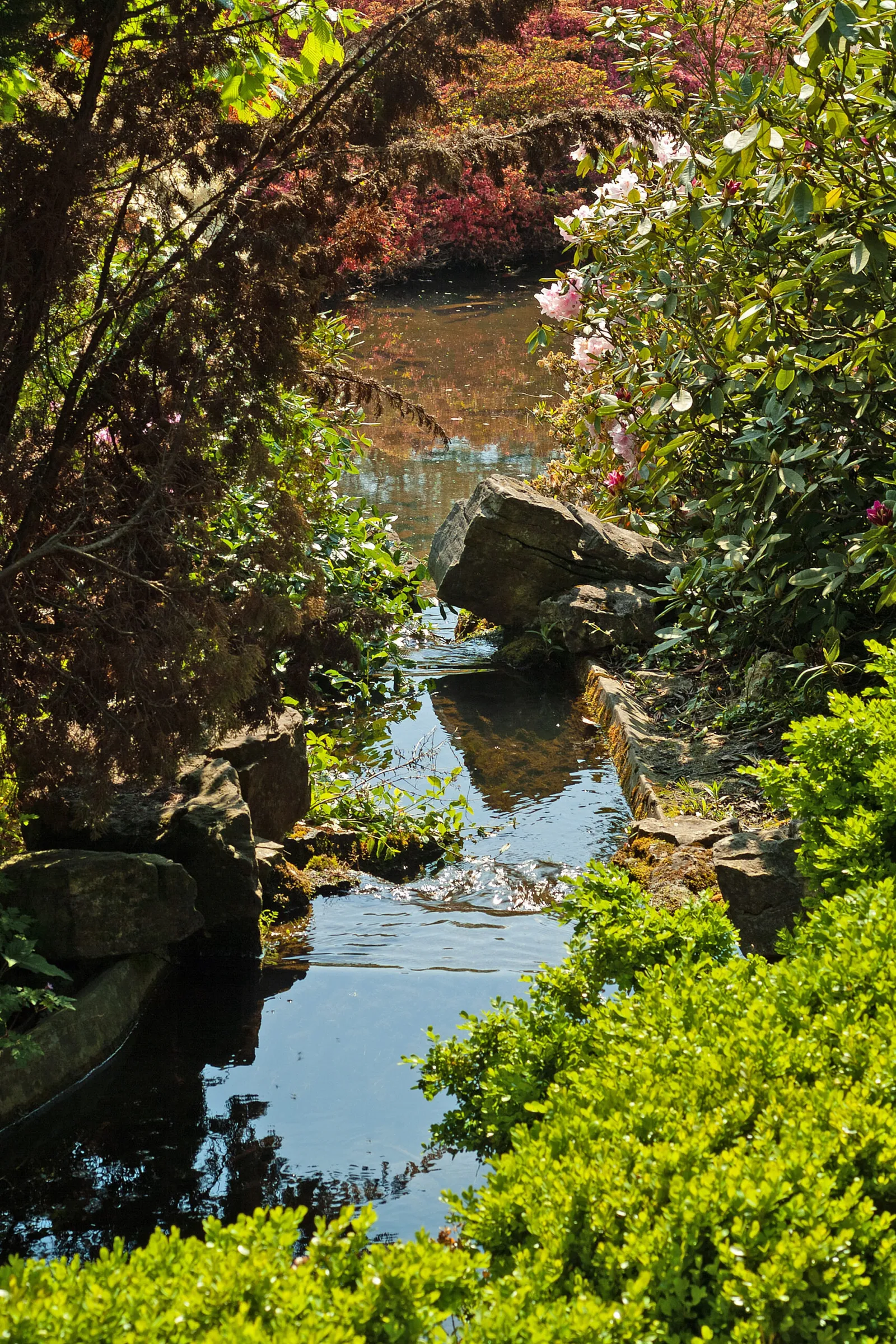
Several small ponds are better for smaller species
Many insects, such as dragonflies and water beetles, and amphibians use small ponds as breeding sites. Shallow ponds warm up faster, making them ideal for tadpoles and larvae in spring.
Several small ponds improve ‘ecological connectivity’
Small aquatic animals can move more easily from one pond to another, which is important for genetic exchange and long-term survival. Amphibians, for example, cannot travel long distances on land: frogs and toads can cover only a few kilometres, while salamanders can travel only a few hundred metres.
A larger pond is preferable if you want to attract native fish or waterbirds, as they need more space and depth.
The best option for anyone wishing to help protect nature is a garden with one large pond surrounded by several smaller ponds or pools, in other words, a varied collection of ponds. It provides a suitable habitat for both large and small aquatic animals.
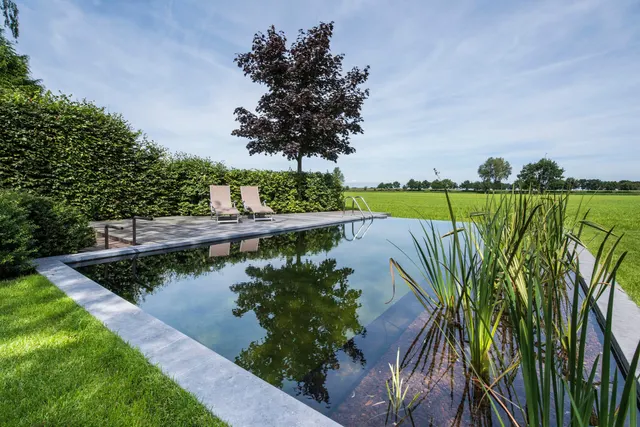
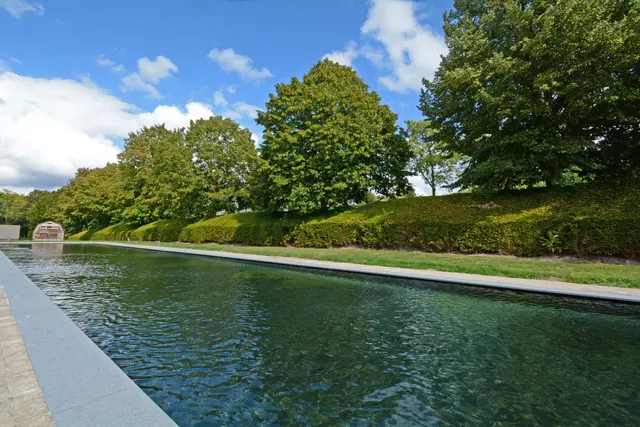
A swimming pond is a large pond. Its marshy filtration zone can be made biologically attractive by varying the water depths above the substrate and planting a rich variety of plants, mainly native species. But you can do even better. Create at least one small pond alongside it, and preferably several. This is essential for small aquatic animals to breed.
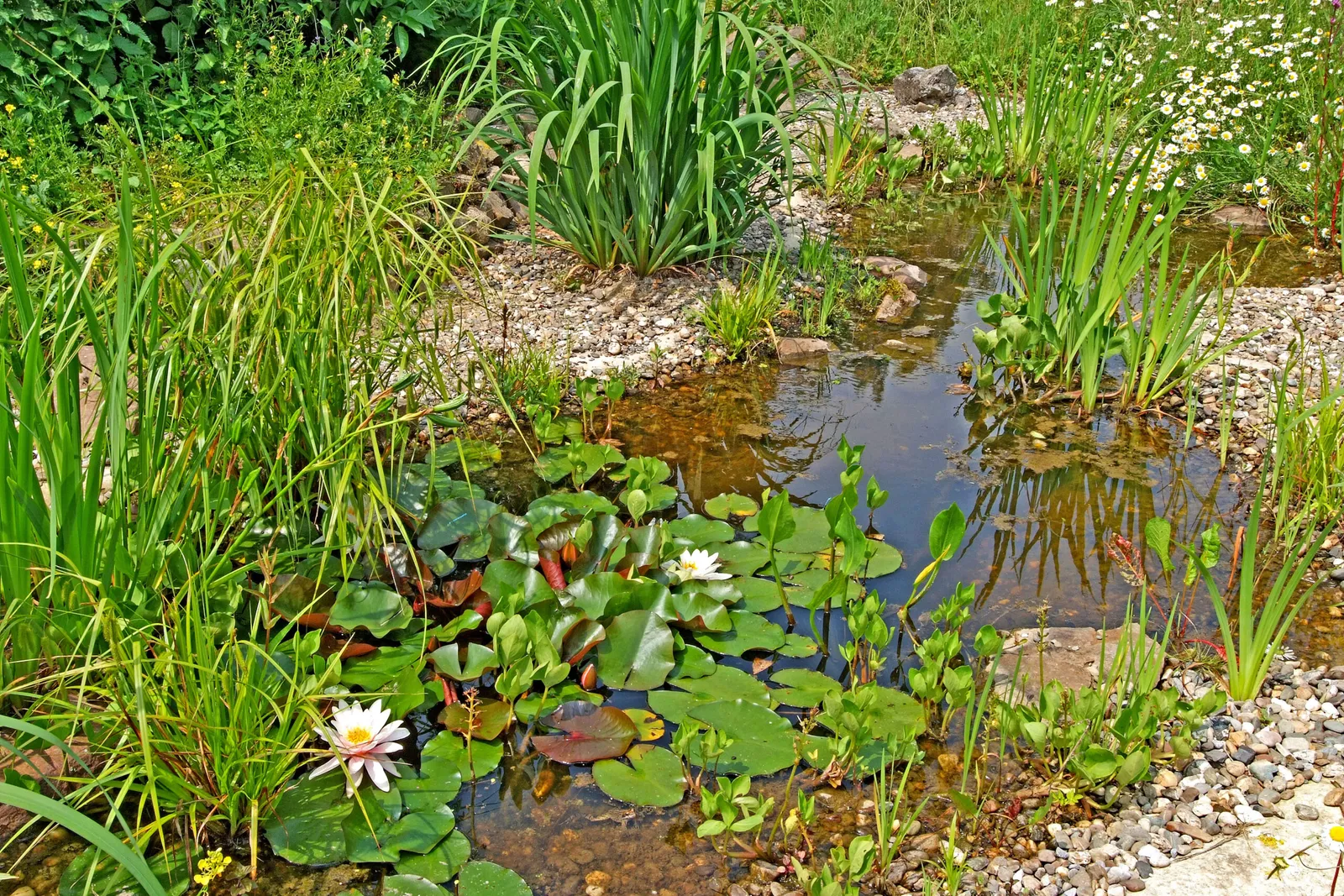
Small ponds are easy to create. You can get started with small offcuts of pond liner, including reclaimed pieces. Use EPDM liner and always lay a protective fleece underneath to prevent roots or stones from damaging it. You can also use polyester or PE tubs. Even the smallest tubs, known as ‘mason’s tubs’, with a capacity of around 70 litres, are ideal for a clustered pond garden.
Make sure the edges of the ponds sit slightly higher than the surrounding lawn or patio to prevent nutrient-rich garden water from running into them. Ensure the ponds are level.
You can connect some of the ponds with a small stream. This adds even more ecological dynamism and opportunities. Small streams provide a soothing sound, and… songbirds soon try to outsing the trickling water.
Question about this story? Ask your question
Keep following this
Get an email when a new story is published. No account needed.
- ThemeDesigning living landscapes
- SubjectSwimming pools and ponds