The new urban park reconnects residents and visitors with nature
Texte Luc Ophals | Photos Commune de Dour
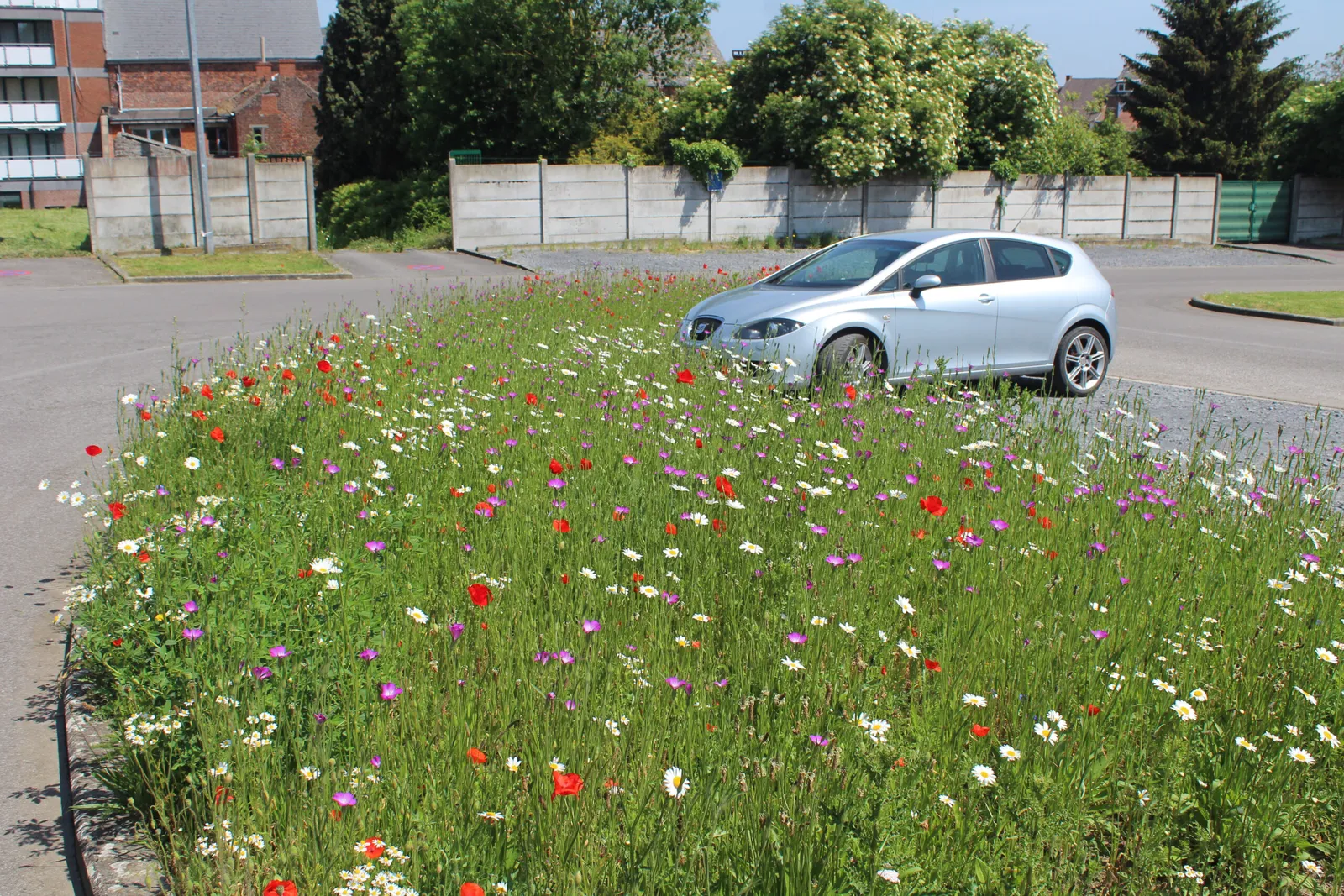
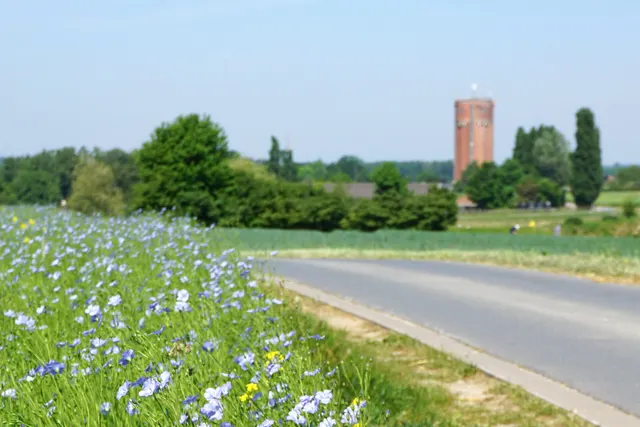
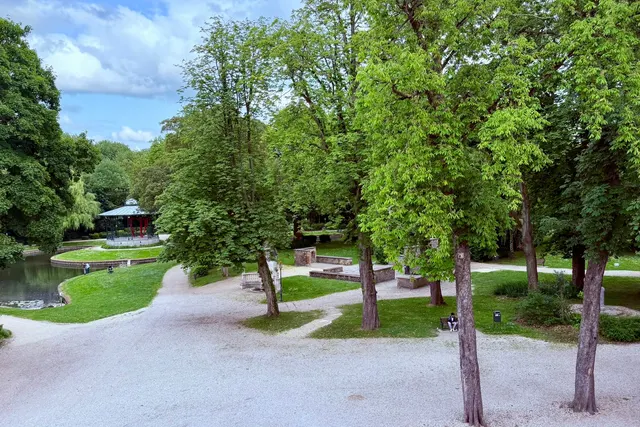
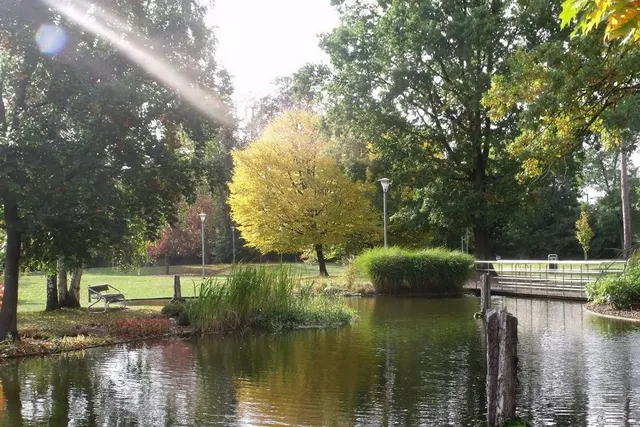
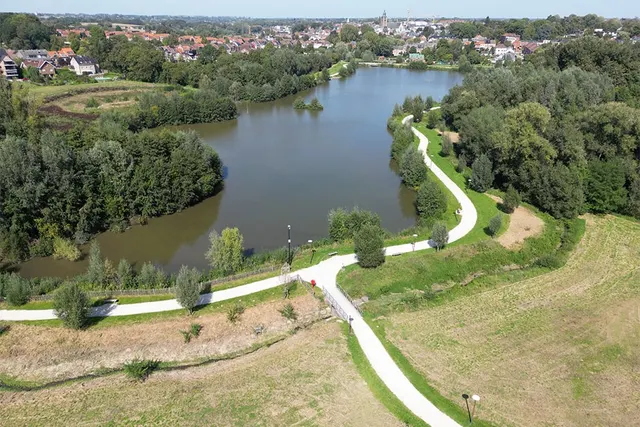
A pioneer of pesticide-free management since 2014, the municipality of Dour continues its daily efforts to protect, conserve and enhance its green spaces: launching greening projects, adopting differentiated mowing, raising public awareness of biodiversity, creating wildflower meadows and restoring derelict sites… Currently, a major urban park project in the town centre is entering its final development phase.
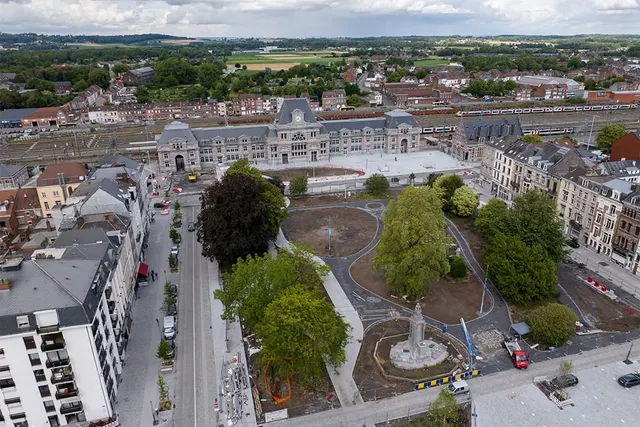
About 200 metres from Dour’s main square was a two-hectare meadow for which a property developer had submitted plans to build 17 homes. Ultimately, however, the Municipal Council did not pursue the proposal, partly because it wanted to preserve the existing notable trees, two oaks and two ash trees. The plot, which includes the meadows adjoining the Plantis Jacquette path, was then put up for sale and acquired by the municipality in 2022.
In the meantime, in November 2021, the municipality of Dour had been selected under the “Creation of an urban park” call for projects launched by the Walloon Region. The grant award required a strict procedure to be followed during the design of the project, in particular to check that it was consistent with the various themes relating to spatial planning, such as biodiversity and landscape integration.
The urban park project takes shape
“With public participation as our starting point, we developed a project in collaboration with various partners, including the Parc Naturel des Hauts-Pays and the Arpayge consultancy, to meet residents’ expectations and follow best practice in ecological connectivity, biodiversity enhancement, tackling urban heat islands and landscape integration,” explains Dominique Colmant, environmental adviser to the City of Dour.
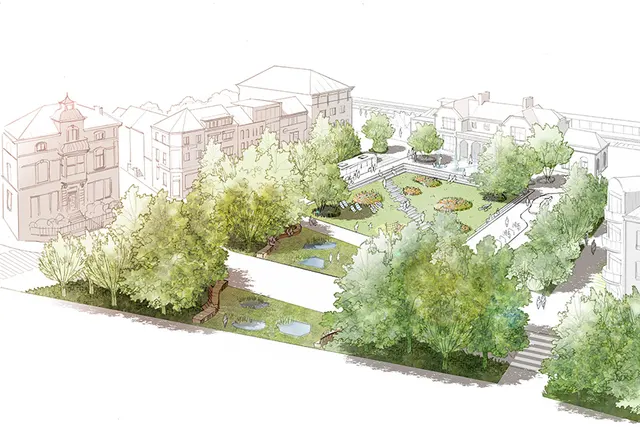
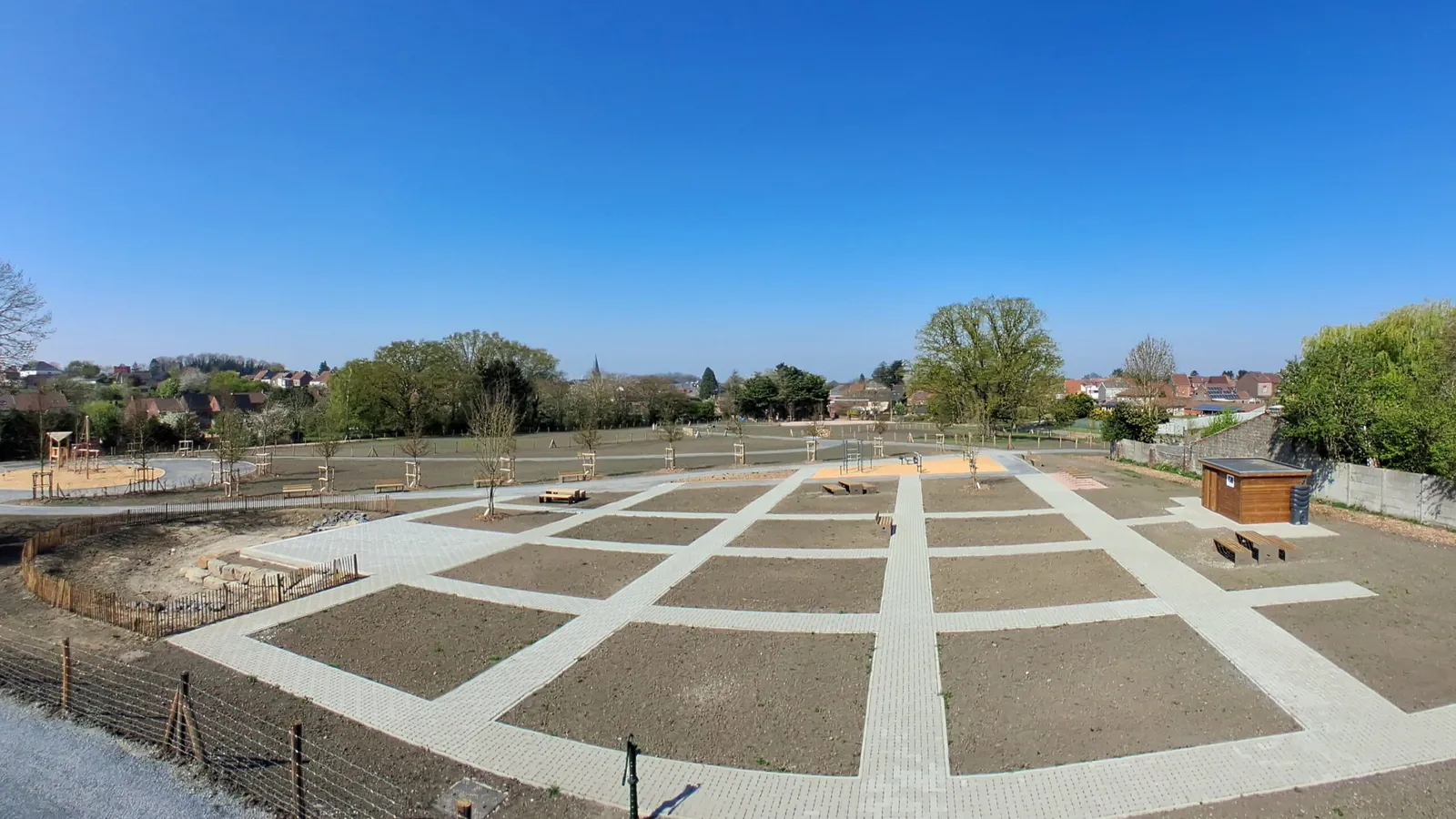
“The park will have no unnecessary infrastructure: no lighting, gas, water or electricity. Rainwater will be managed through natural infiltration. The municipality’s aim is to restore this last green space in the town centre as a genuine natural area where residents and visitors can reconnect with nature,” says Dominique Colmant.
The main features
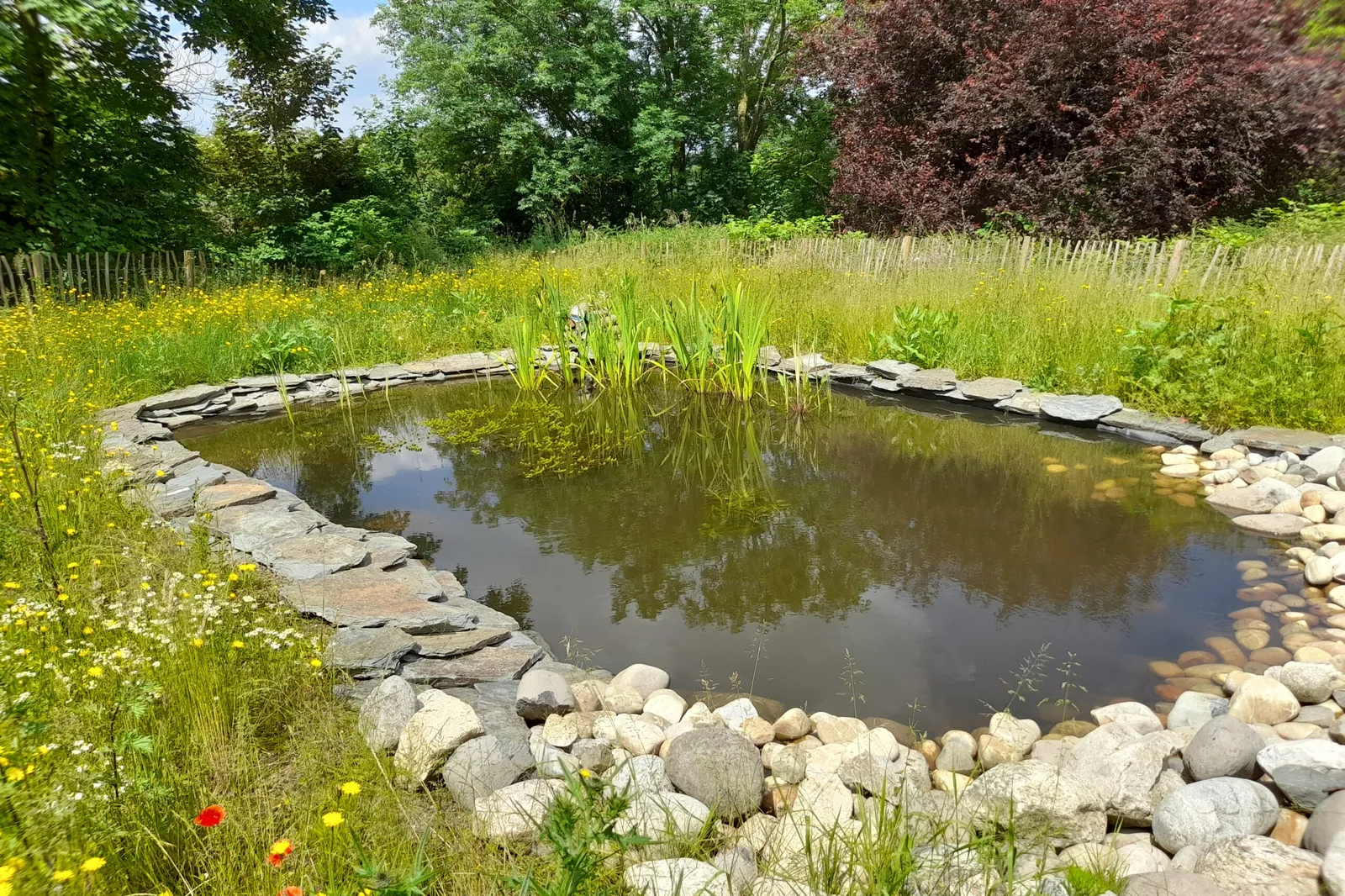
As mentioned, the two existing oaks and two ash trees will be retained and showcased. Paths and trails will allow visitors to walk through the park’s various areas. A conservation orchard of standard fruit trees, featuring old and local varieties, will be created, along with an educational pond, a playground, pétanque courts and a fitness area. Other features will include small-scale biodiversity enhancements such as nest boxes and insect hotels, shared vegetable gardens, the planting of 36 standard trees, 558 hedge plants, shrub and perennial beds, and around 4,895 square metres of wildflower meadows. To complete the picture, urban furniture will be installed, including benches and picnic tables, as well as enclosed eco-grazing areas with cattle grids and a landscaped swale crossed by a boardwalk.
A team that is always hard at work
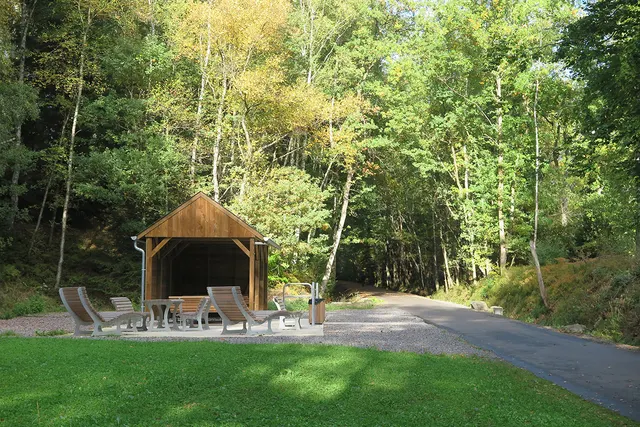
At the height of the season, a team of around 25 people, including municipal workers and seasonal staff, gets to work. François Bierbuyck, head of the environment and green spaces team, says: “There is certainly no shortage of work. We have introduced a late-mowing strategy for roadside verges, with four cuts a year plus one full cut. All the cemeteries in the Dour area, covering the five former municipalities that were merged, have now been greened. We use differentiated management, maintain the section of the RAVeL route that runs through our territory and also plant hedges along cycle paths.” This is in addition to public awareness initiatives, such as the recent restoration of the Wallants site, now an environmental education centre with an educational apiary, a pond and wildflower meadows…
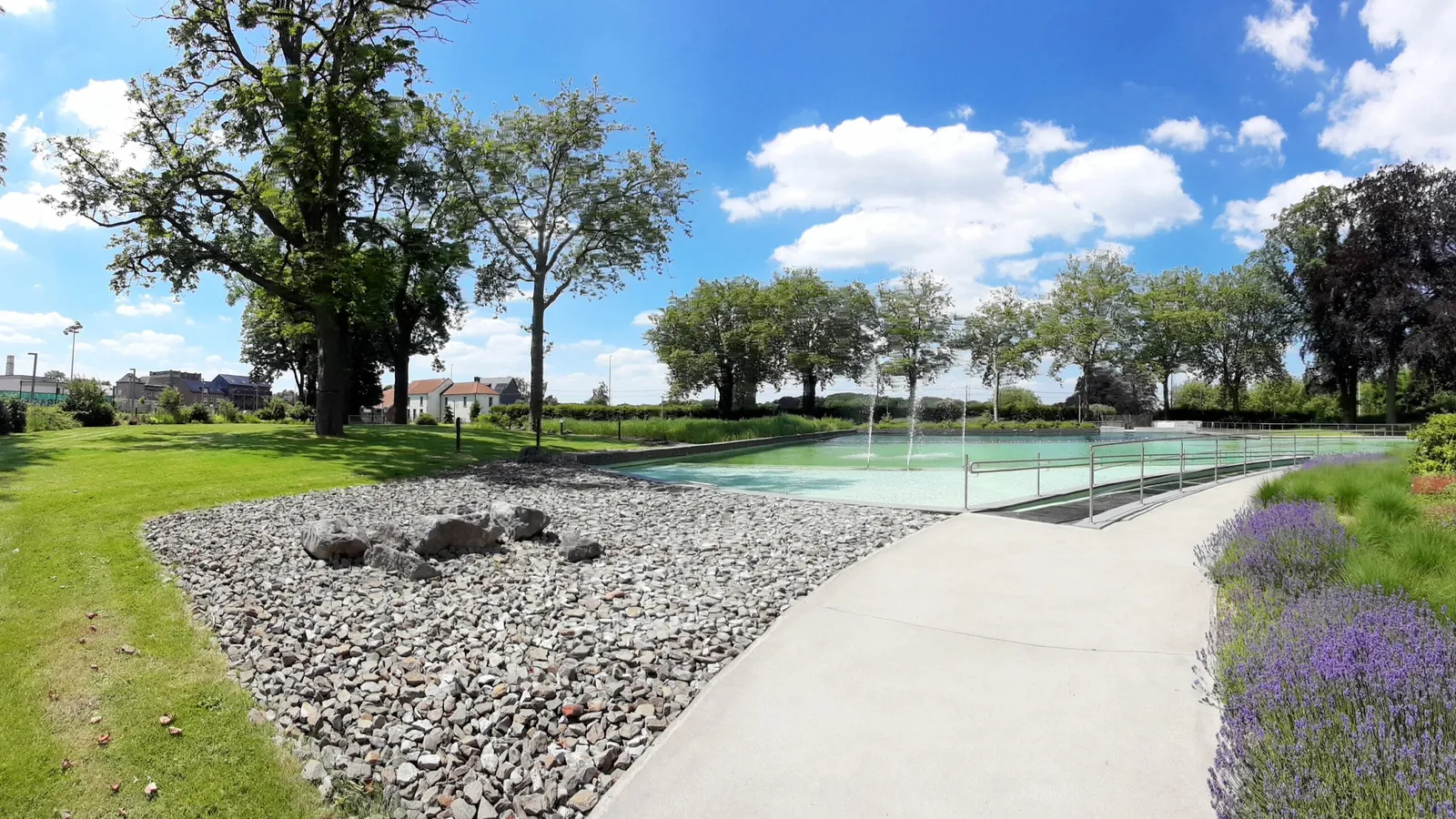
Previously, another derelict site underwent an impressive restoration. In 2017, the Belvédère site, a former coal-mining site, was completely restored to its former glory. Its swimming pool was brought back into use, with the water now filtered naturally by plants and rocks. The site also regained its two tennis courts and its Tower, the Tour Malakoff, which houses a food business open to walkers.
Question about this story? Ask your question
Keep following this
Get an email when a new story is published. No account needed.
- ThemeDesigning living landscapes
- SubjectCITY IN THE SPOTLIGHT