The search for the right balance between preservation and socio-recreational impact
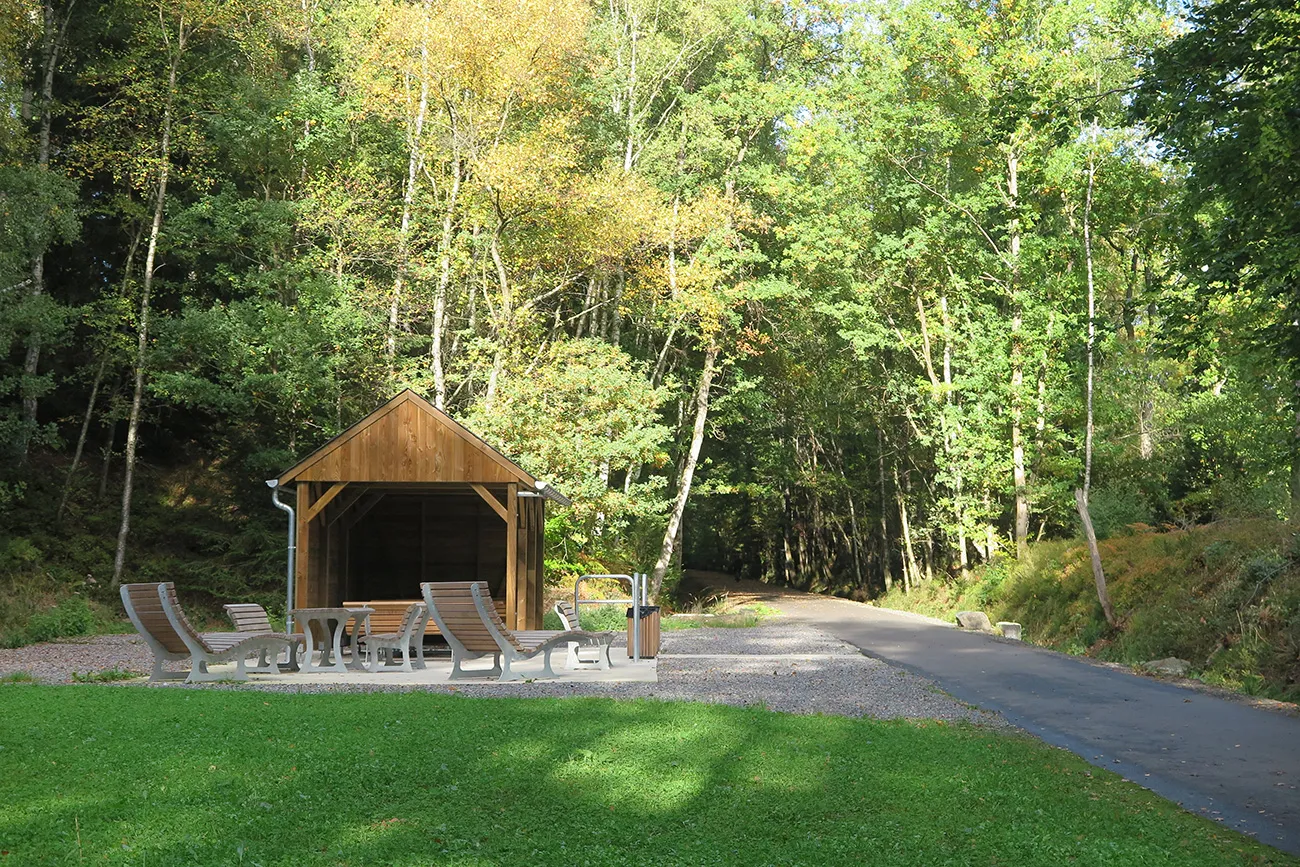
Stavelot, whose history dates back to the 7th century, is one of Belgium’s oldest towns. The present-day municipality of Stavelot comprises around twenty villages and hamlets with authentic charm. Some are particularly well known, such as the village of Coo, with its waterfall and hydroelectric power station, and Francorchamps, home to its magnificent motor racing circuit. Nestled at the confluence of the Amblève and Eau Rouge rivers in the Belgian Ardennes, the municipality has no fewer than 915 hectares of forest. Its appeal to tourists is undeniable, and every effort is being made to preserve this beautiful forest region. Patrice Lefebvre, alderman for tourism and information, explains.
A little history
A few historical milestones trace the development of the municipality of Stavelot. Its origins date back to the 7th century, when Saint Remacle, a monk from Limousin, was tasked with evangelising a region of the Ardennes. Later, the double abbey of Stavelot-Malmedy, an ecclesiastical principality within the Holy Roman Empire, enjoyed considerable spiritual and political influence throughout the Middle Ages. The French Revolution brought this glorious history to an end. Under the terms of the Congress of Vienna in 1815, Stavelot became part of the Netherlands and Malmedy part of Prussia. From 1830, Stavelot was part of the Kingdom of Belgium, while Malmedy had to wait until 1919.

A popular spot for walking and relaxation
No fewer than 250 km of waymarked walks offer villagers and tourists a wide variety of scenery. There are also long guided walks and several long-distance hiking trails. Stavelot is also cycling country, with 28 permanent routes covering 600 km and two RAVel routes, 30 and 35 km long respectively, combining physical activity with observation and learning. The region can even boast several « côtes de Légende », a series of climbs that have made their mark on the history of the Liège-Bastogne-Liège cycle race. Among the recreational attractions, Plopsa Coo theme park, located around the country’s largest natural waterfall, delights many families, who can relax, have fun and recharge their batteries in perfect harmony with the surrounding natural environment.
Preserving this green haven
« The town of Stavelot has signed up to the 2023-2028 Forest Management Charter proposed by the Walloon Region. The aim is to consider how to regenerate forests and diversify species in order to combat global warming and withstand periods of drought », begins Patrice Lefebvre. « At the same time, the town has adopted a sustainable management plan, the ecofirst plan. Its first symbolic action was to plant standard fruit trees in the corridors created by the renovation of the high-voltage power line known as the « boucle de l’Est », with pupils from the municipal schools taking part », continues Patrice Lefebre. The common thread running through these initiatives is a clear focus on finding the right balance between forest preservation and forests’ socio-recreational role. In this respect, the municipal authorities are continually working to ensure the well-being of Stavelot’s residents.
Citizen involvement
« One way of encouraging citizen participation is to organise classes in the forest, to stimulate observation and discovery, and have children create an educational trail themselves. To encourage practical projects focused on preservation and sustainability, participatory budgets have been set up to establish community vegetable gardens, educational micro-farm activities, a forest trail adapted for people with specific needs, and a waymarked educational walk with information panels about local flora and fauna, near the town centre and for the benefit of local schools », our interviewee explains.
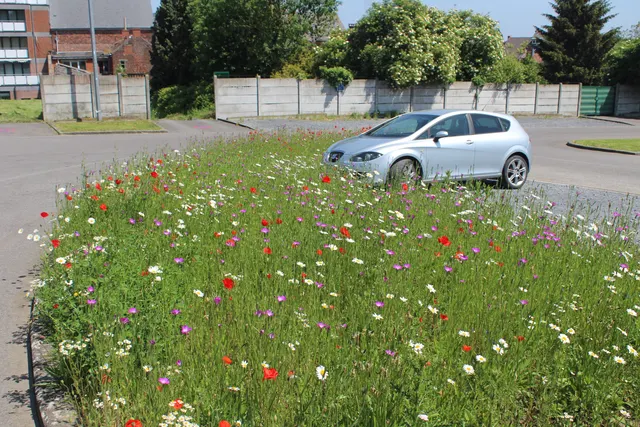
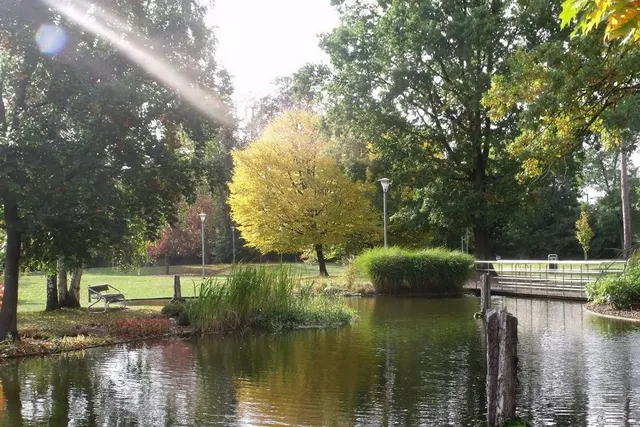
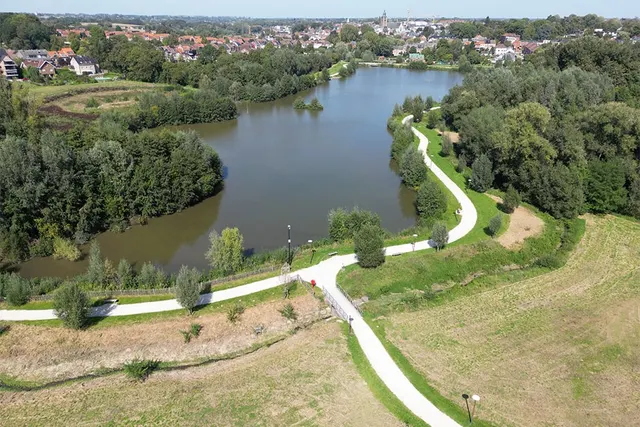
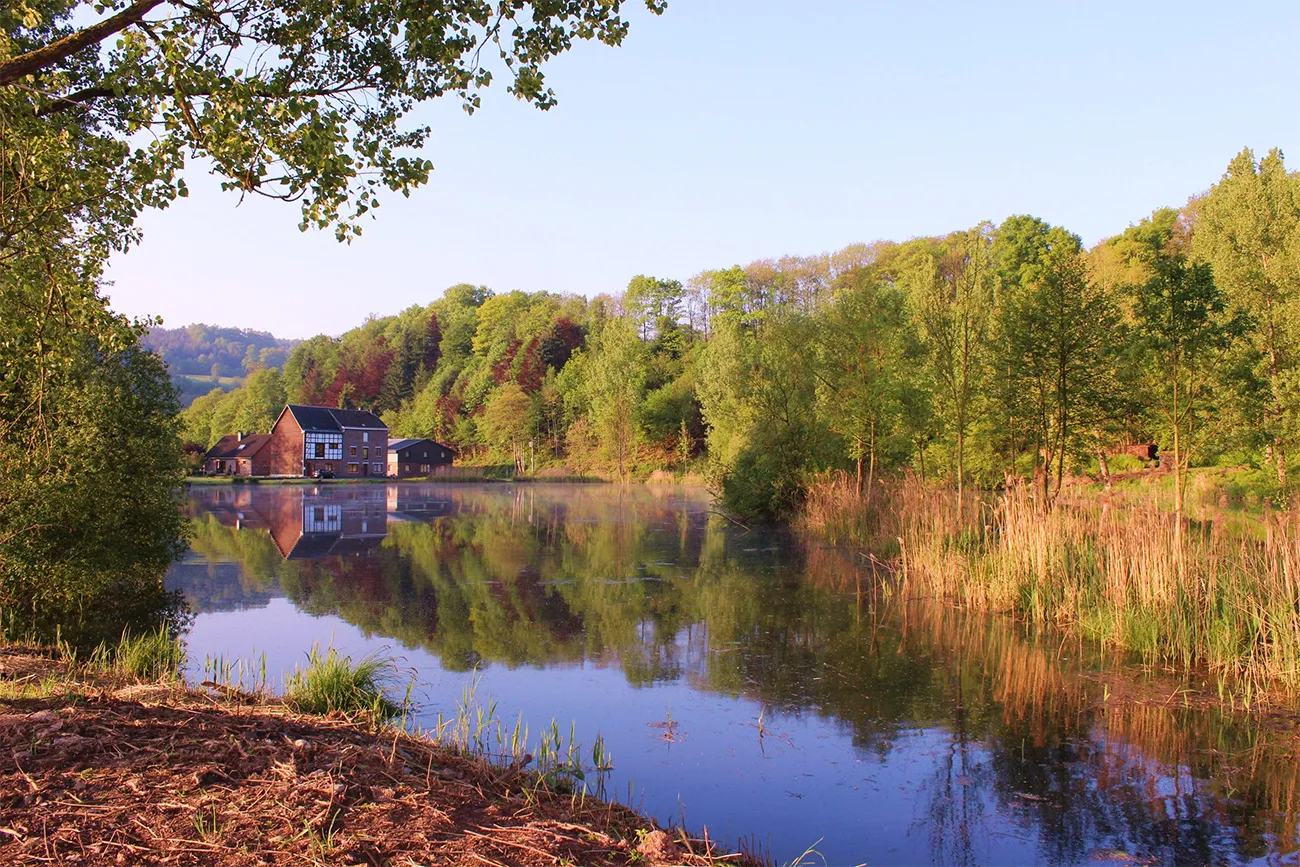
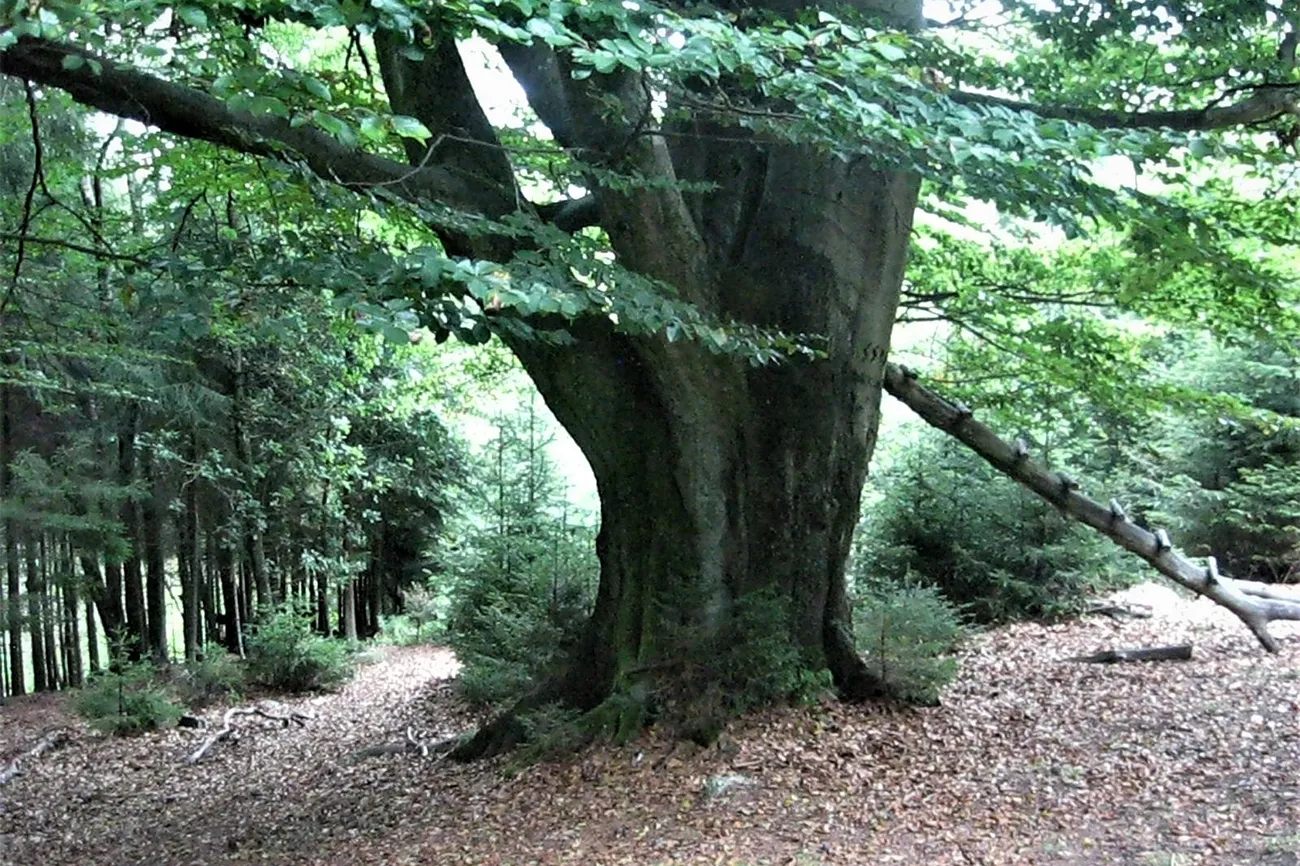
Other initiatives are also under way. Among the selected calls for projects, some concern the creation of flower meadows. A recent call for projects aims to raise beekeepers’ awareness of the fight against the Asian hornet. Another project seeks to enlist residents’ help in compiling a list of notable trees so they can be protected. « One final project under way concerns the renovation of the ponds site, two or three hundred metres from Stavelot’s historic centre. Of great biological interest because of its exceptional flora and large population of migratory and resident birds, this two-hectare site was carved into the rock by the Amblève and served the tanning industry for many years. Acquired by the town in 2013, it is now being restored. Once it has been cleared, the next step will be to dredge it. At a later stage, the aim is to create an educational trail with an observation point for young people and tourists », Patrice Lefebvre concludes.
Question about this story? Ask your question
Keep following this
Get an email when a new story is published. No account needed.
- SubjectCITY IN THE SPOTLIGHT