Experience and adapting day to day
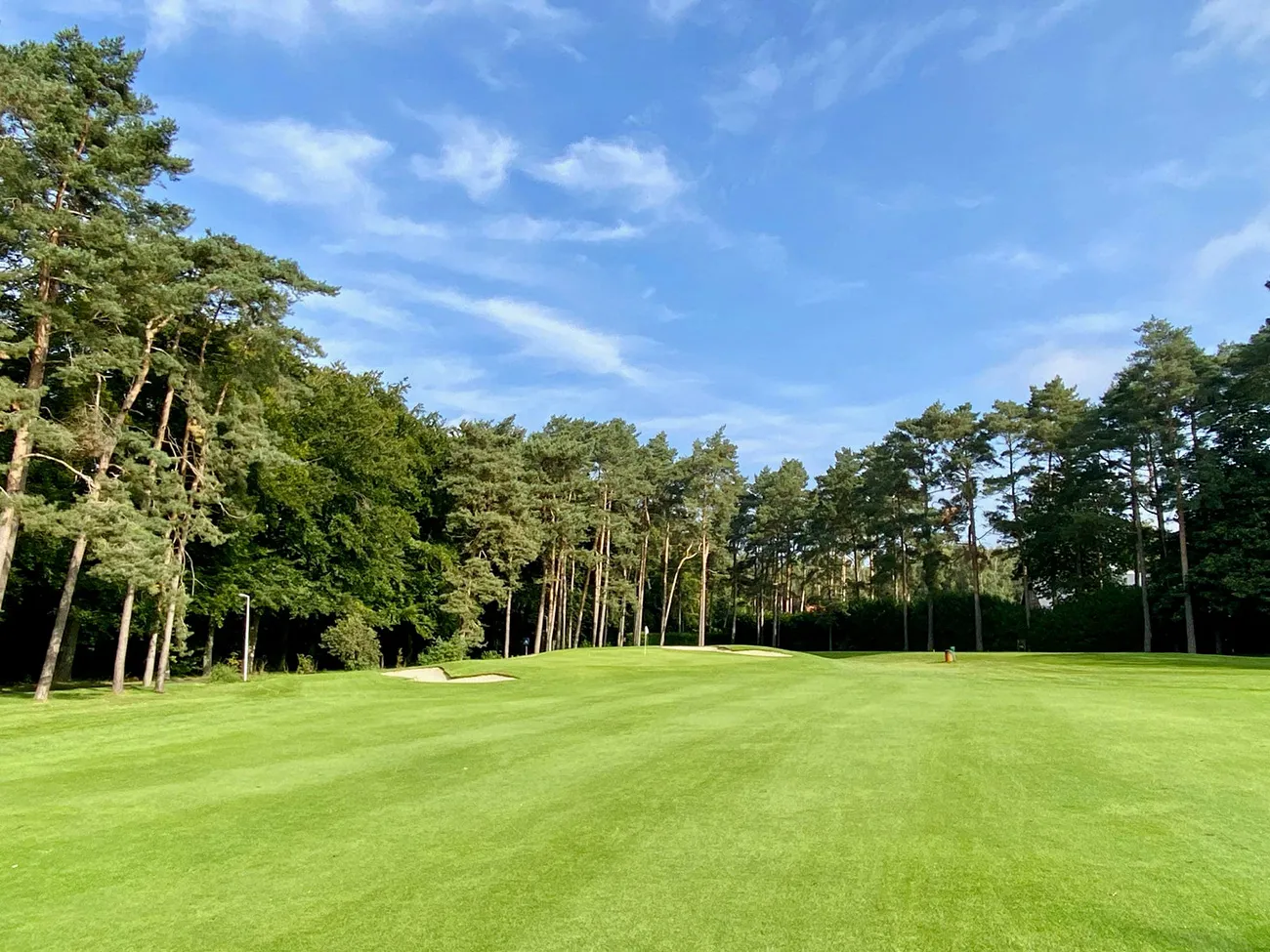
Maintaining a golf course properly is quite a challenge
Founded in 1967, Royal Bercuit Club covers around 60 hectares and is surrounded by woodland and villas, stretching along three valleys within a site of some 200 hectares. With its teeing areas, surrounds, natural hazards and greens, a golf course requires daily maintenance. To find out more about the challenges facing the sector today, we spoke to Jean-Marc Dokier, the greenkeeper, who has more than thirty years’ experience and is also Wallonia vice-president of the Greenkeepers’ Association of Belgium.
Today, the main challenge is the same for everyone: how to adapt to climate change and its effects. Extreme heat, heavy rainfall and temperature fluctuations are at the forefront of every dedicated greenkeeper’s concerns. Climate change means that knowledge must now be regularly updated and approaches to managing fertilisation and irrigation reconsidered, particularly because of restrictions on water use. But to understand what maintaining a golf course involves, we need to take a closer look at seasonality and the cycle of the seasons.
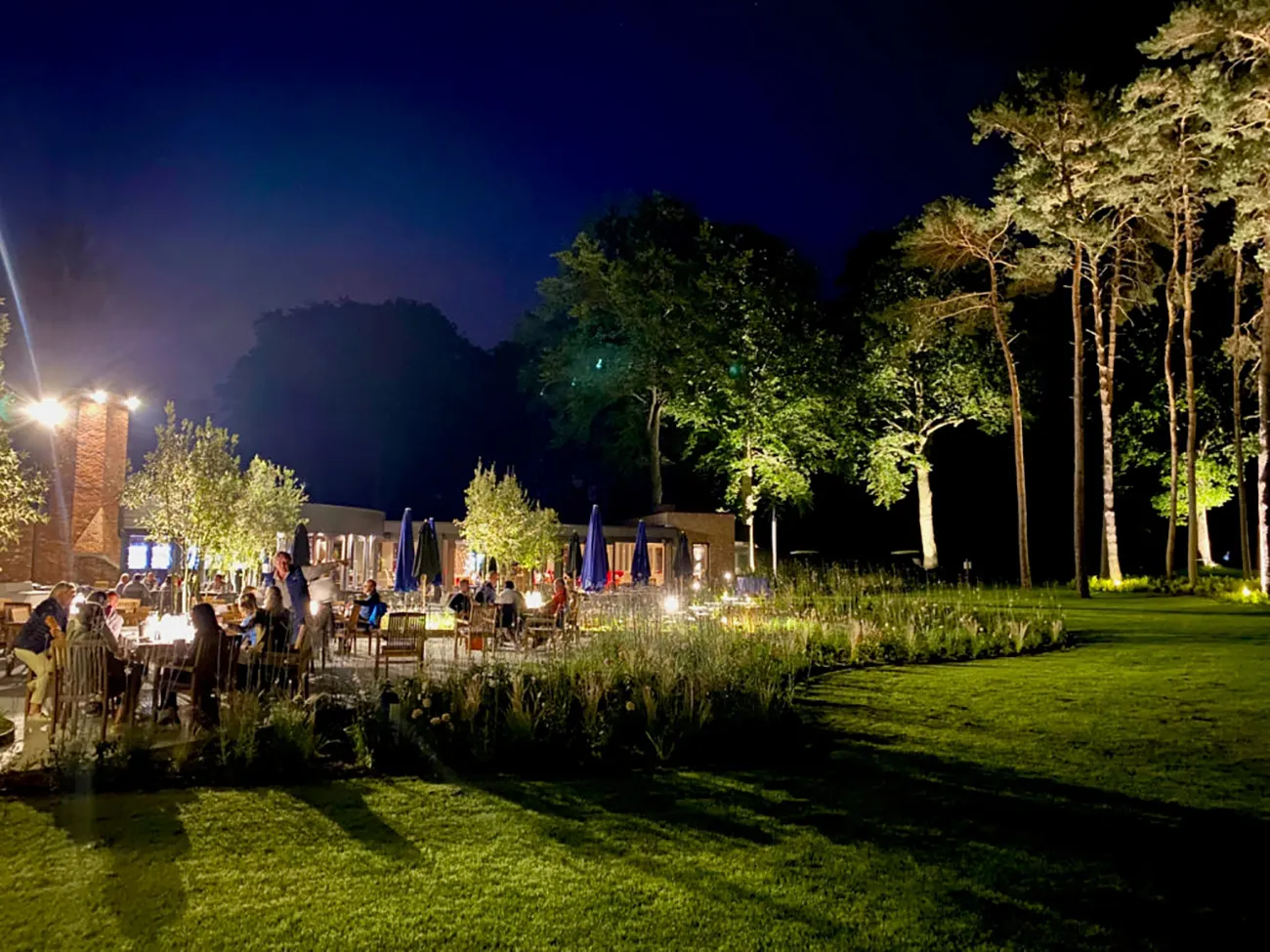
In spring, the arrival of warmer weather marks the start of intensive turf maintenance. The greenkeeper must aerate the soil to stimulate root development and help soil amendments penetrate, sand the surface if necessary to improve soil quality, scarify and remove weeds, mow regularly and roll the greens, and check the irrigation system. In summer, the main priority is to make sure that no areas are suffering from a lack of water, especially as heatwaves have become more frequent in recent years. In autumn, as the saying goes, ‘the fallen leaves must be gathered up’, so they need to be cleared every day. The turf should also be overseeded and the soil aerated again. Finally, in winter, the greenkeeper pays particular attention to any signs of disease and focuses above all on protecting the turf from frost, while also carrying out equipment maintenance.
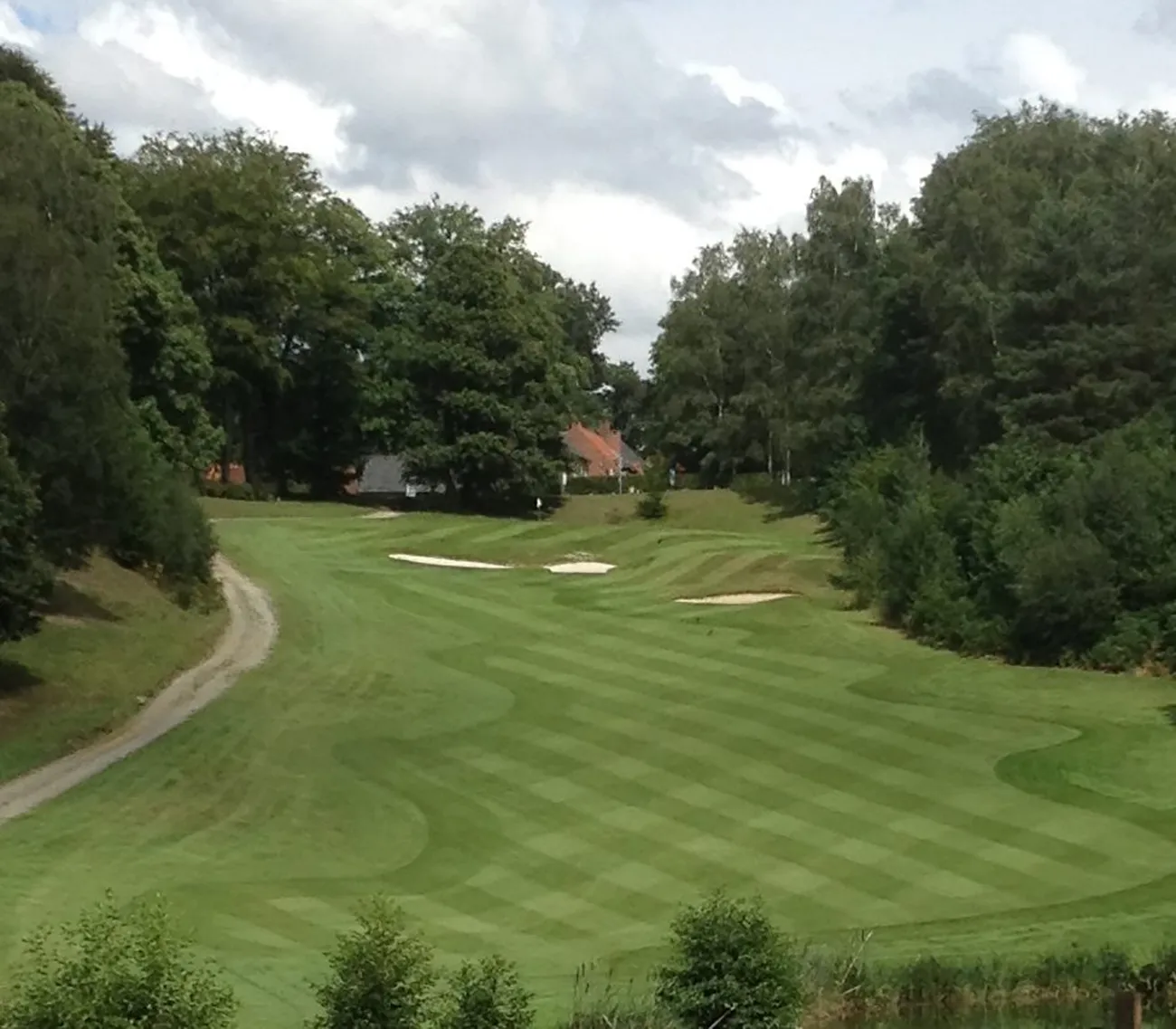
The challenge of water availability
One immediate consequence of climate change is that summer heatwaves are becoming increasingly frequent. This is a real challenge for the greenkeeper. “Climate change is nothing new, of course, and we’ve been talking about it for a long time. But there’s no denying that the phenomenon is recurring year after year. In the past, we knew that a heatwave would generally be followed by a heavy storm, replenishing our water reserves. But today, periods of extreme heat are becoming longer and more intense. We need to think about how to replenish our water reserves throughout the year, not just in response to an occasional heatwave,” says Jean-Marc Dokier. “Here at Royal Bercuit Golf Club, we’re able to capture runoff from the private roads higher up. We have several retention ponds at the bottom of the valley, and we’re looking into using wastewater from the treatment plant on the site,” he explains.
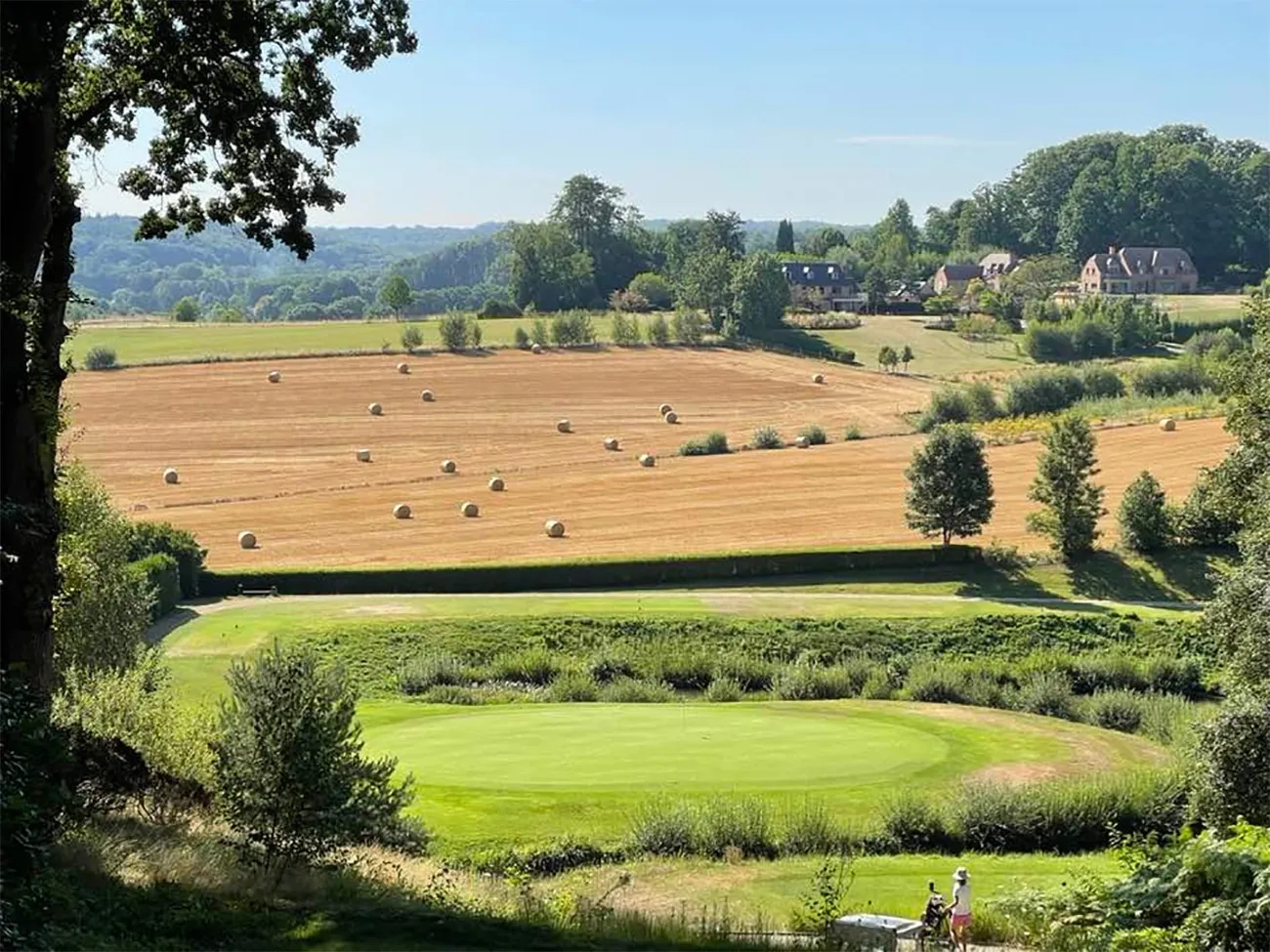
Adapting maintenance practices
The ban on plant protection products obviously makes the greenkeeper’s job more difficult. There are effective products for stimulating turf growth and strengthening it, such as biostimulants and seaweed extracts. But the same cannot be said of alternatives to plant protection products. Work methods must therefore be adapted to improve efficiency. “I regret the lack of support from the industry for this small market, golf in Wallonia. At my level, and as part of the Belgian greenkeepers’ association, I stay in touch with colleagues and the academic community. I’m working to set up a testing unit to validate the effectiveness of products available on the market, and to draw up comparison tables and work methods to maximise the effectiveness of natural substances according to the specific characteristics of a golf course. Climate and legislative changes mean we have to make progress and continue our research. I think that within three to five years, we’ll be able to draw up a more innovative and precise set of specifications,” says Jean-Marc Dokier enthusiastically.
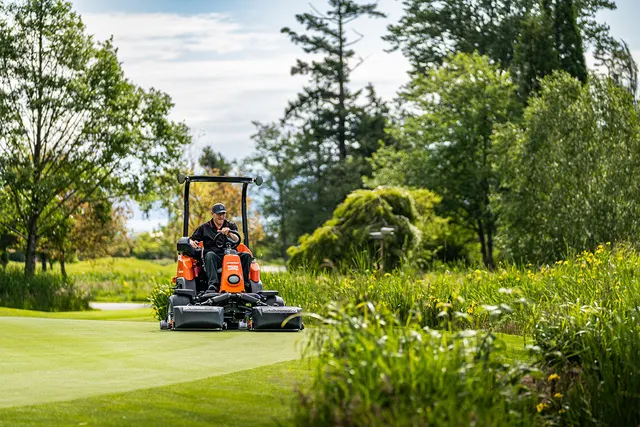
“It’s also worth bearing in mind that the annual maintenance budget is substantial. Mowing equipment for a green is very expensive, costing tens of thousands of euros. Robotics and carbon neutrality also come at a cost. On top of that, golf is now played from March to November, so the ‘off-season’ window for maintenance work is getting shorter. That’s another constraint for us. We really need to rethink how we work in response to climate change and other developments,” concludes Jean-Marc Dokier.
Question about this story? Ask your question
Keep following this
Get an email when a new story is published. No account needed.
- ThemeMaintaining lawns and sports grounds
- SubjectSport & golf