A welcoming garden for insects and other small animals
How to promote sustainability and biodiversity in your garden
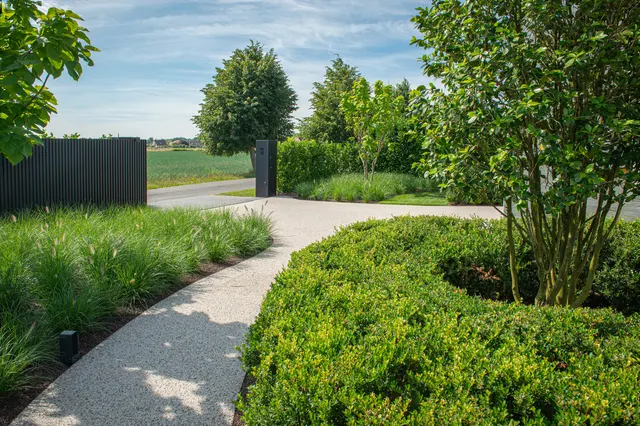
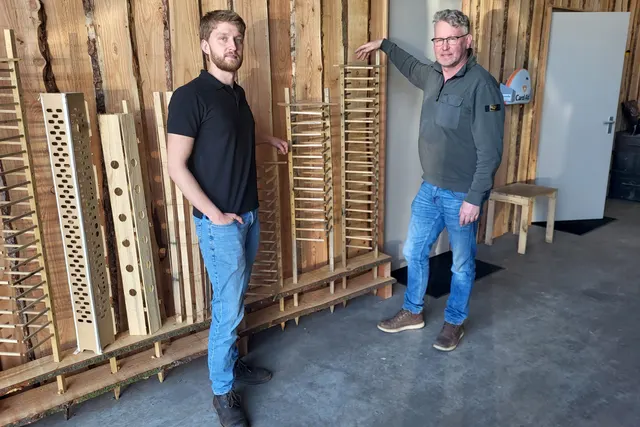
Little effort, lots of benefits: here are a few simple steps to turn your garden into a verdant haven for biodiversity: insect hotels, hedges that let animals through (instead of fences fitted flush to the ground), bird nesting boxes, and piles of dead leaves and twigs for hedgehogs. These all provide useful, essential habitats for small animals. Flowering patches, meanwhile, are a valuable source of food for bees and other insects. Finally, gardeners keen to protect biodiversity can make good use of the resources nature provides: make a natural fertiliser from nettle tea, compost garden waste or use it as mulch.
Welcome all forms of life into your own green paradise and help them thrive. Simple measures can often make a big difference.
A colourful abundance of flowers
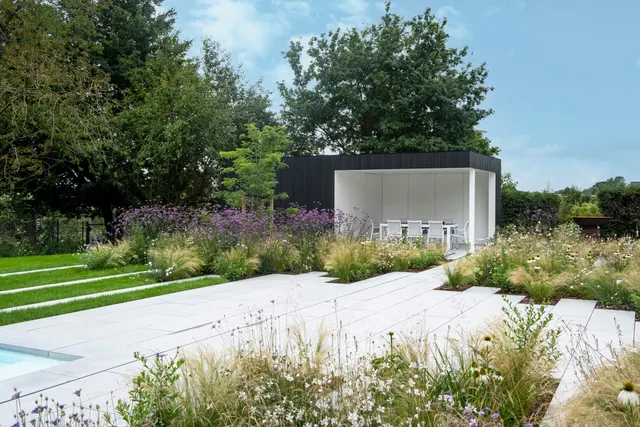
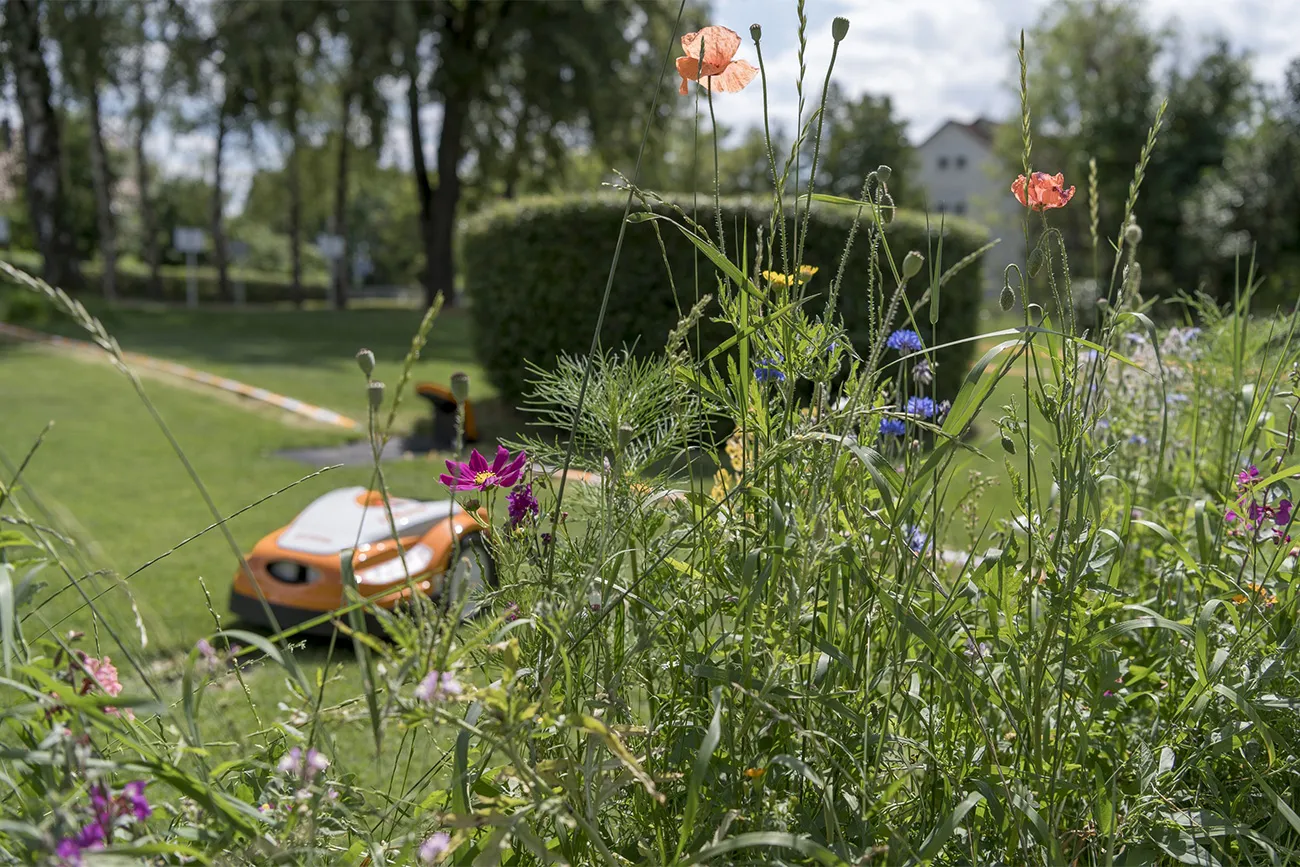
Flower beds dotted across lawns, for example, provide valuable food sources for insects. “Nature benefits, but so do gardening enthusiasts,” explains Jens Gärtner, STIHL’s garden specialist. “We should remember that it is insects
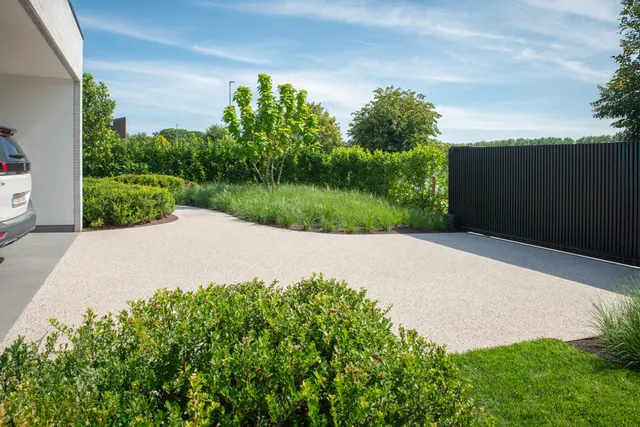
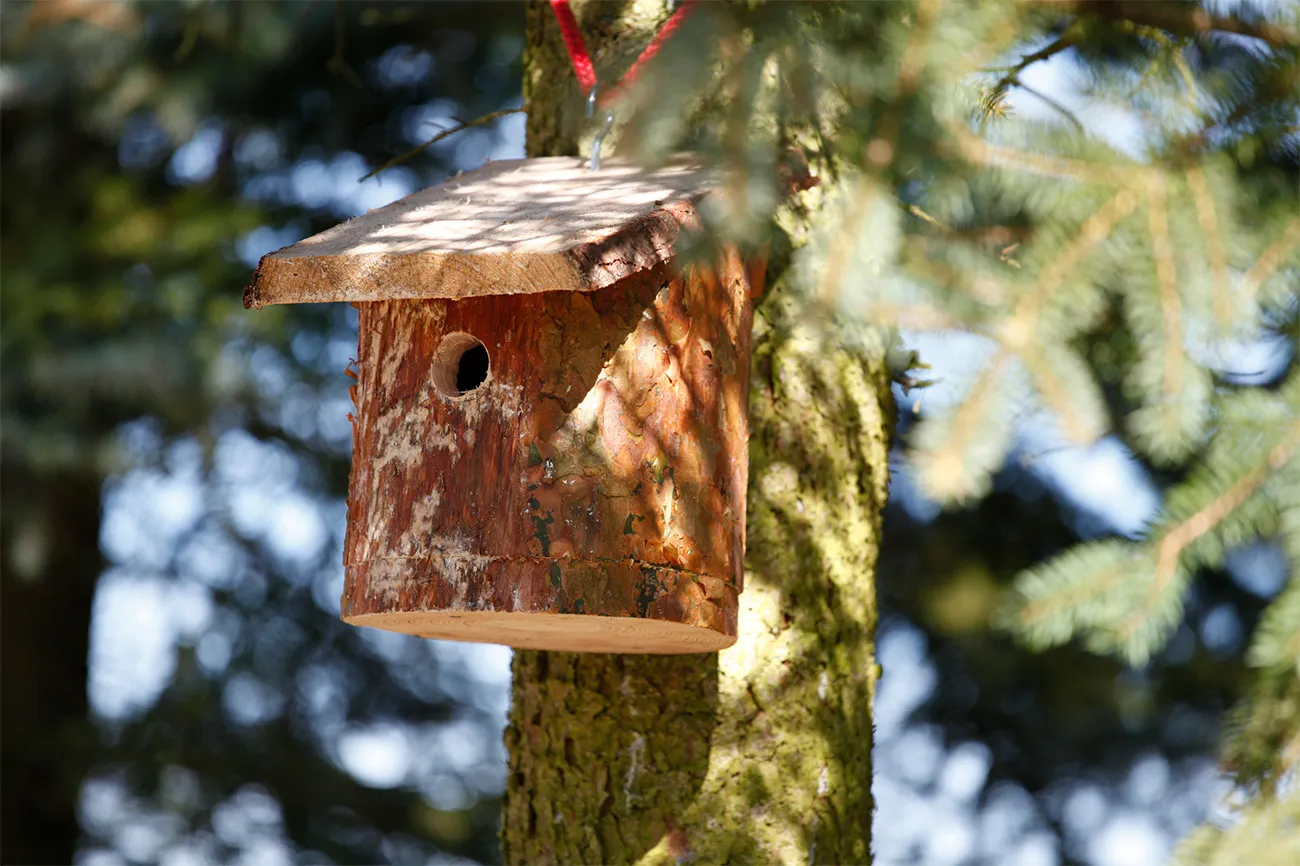
that pollinate our plants. These protected mini-habitats promote healthy plant growth and help prevent pests.” Another simple measure with a lasting impact is to install an insect hotel and nesting boxes for birds. “Environmentally responsible garden owners should also provide a water source for birds,” Jens Gärtner adds. Our specialist also recommends planting hedges instead of putting up fences. Hedges allow hedgehogs and other small animals to enter and move easily between neighbouring gardens in search of food or a mate. Piles of leaves and twigs also make welcoming shelters for these animals, and can even provide the perfect place to spend the winter.
Adjust your mowing to promote biodiversity
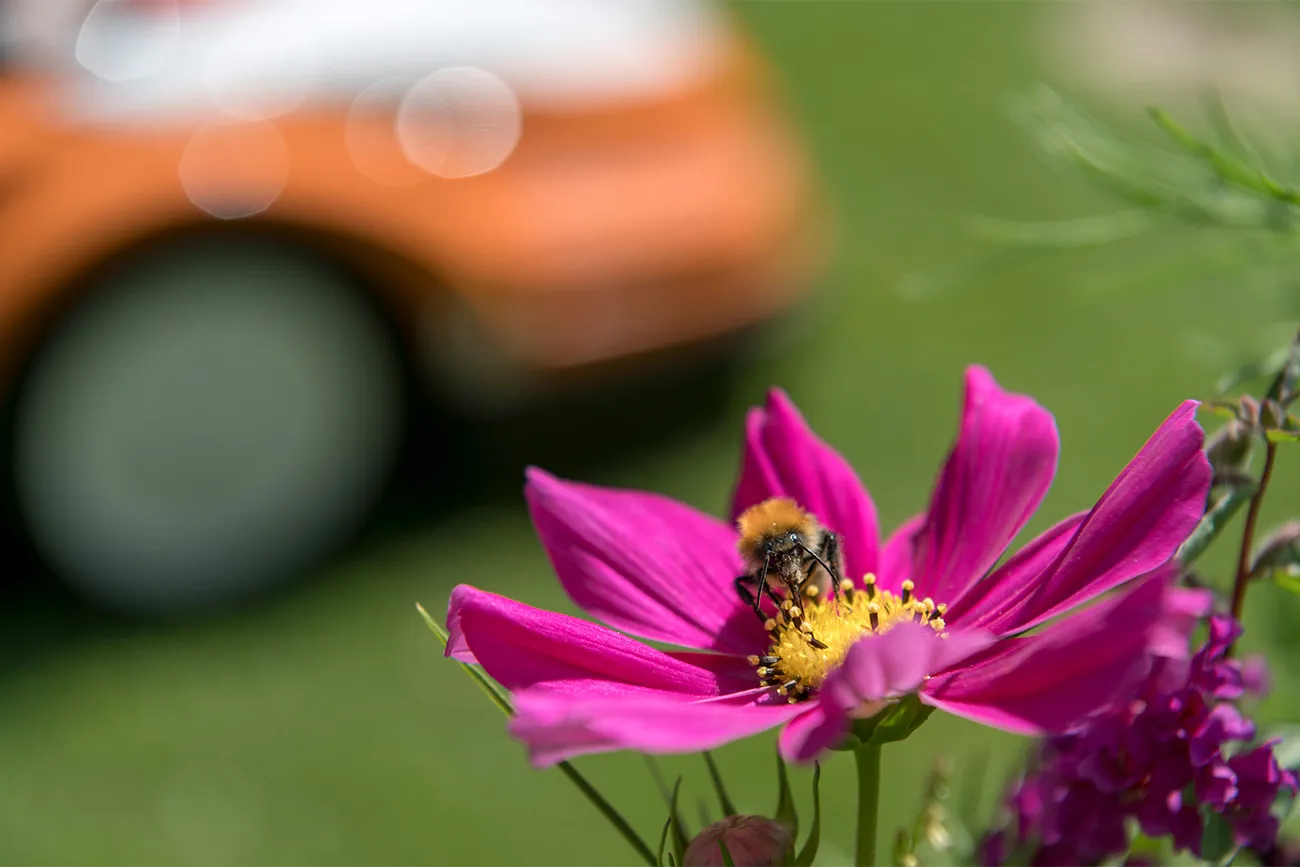
A study by the University of Hohenheim, carried out in collaboration with STIHL, shows that plant diversity is greater when grass is always cut at the highest setting. The grass then grows more naturally and produces more flowers, which provide food for bees and other insects. But that does not mean you have to stop using a robotic lawn mower. Quite the opposite! The study found that this type of mowing does more to promote biodiversity in the garden than manual mowers fitted with a grass collector. “However, to protect nocturnal wildlife, avoid scheduling your robotic lawn mower to run at night or at dusk,” says Jens Gärtner.
Homemade natural fertiliser
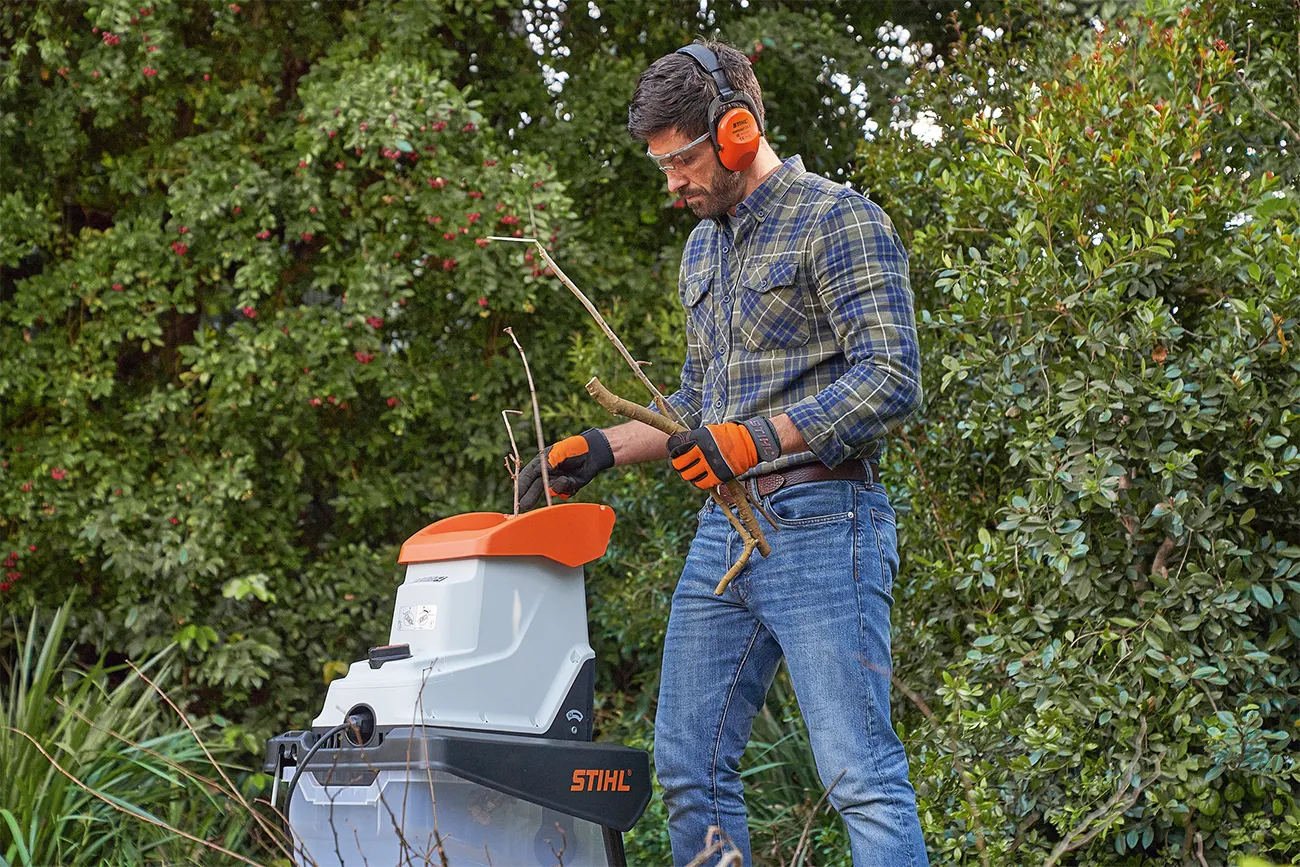
Sustainable gardening also means making good use of the resources nature provides and using raw materials wisely. Garden waste can be composted or reused as mulch. Garden shredders, such as the quiet STIHL GHE 140 L electric model, easily process clippings from hedges and trees. Nettles, often dismissed as “weeds”, are best left in place, as they provide an important food source for butterflies. What is more, as our forebears knew well, nettle tea is a free and highly effective natural fertiliser. “Simply chop the nettles into small pieces, put them in a bucket, cover them with water and leave the mixture to stand in a sunny spot for two weeks,” recommends Jens Gärtner.
A business enquiry for Andreas STIHL NV? Get in touch
Companies in this story

Keep following this
Get an email when a new story is published. No account needed.
- ThemeDesigning living landscapes
- SubjectNews
- CompanyAndreas STIHL NV