Climate, weed management… everything is changing!
Texte Kris Vandekerckhove | Photos Kris Vandekerckhove
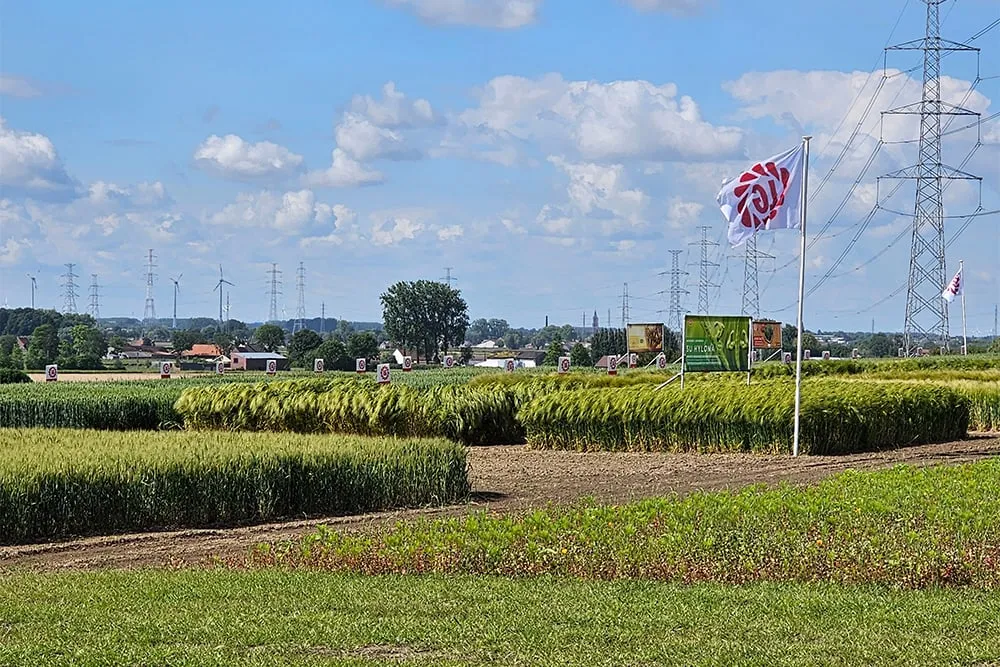
The traditional approach to green space management is no longer viable. Climate conditions are changing, legislation on public green space management is becoming stricter, and citizens’ expectations are evolving. The study day « La gestion verte de demain, vue différemment » brought together experts and stakeholders on 11 June in Anzegem-Tiegem to explore practical solutions for sustainable, biodiversity-friendly green space management.
Karel Vercruysse, junior sales and product manager at Advanta: « With the study day « La gestion verte de demain, vue différemment », we wanted to make it clear that a new approach to green space management is needed. Traditional methods are becoming less relevant. We need to find innovative, sustainable solutions that respond to a changing climate and legislative context. During the day, we wanted to offer valuable insights and practical advice on moving towards green space management that is fit for the future.
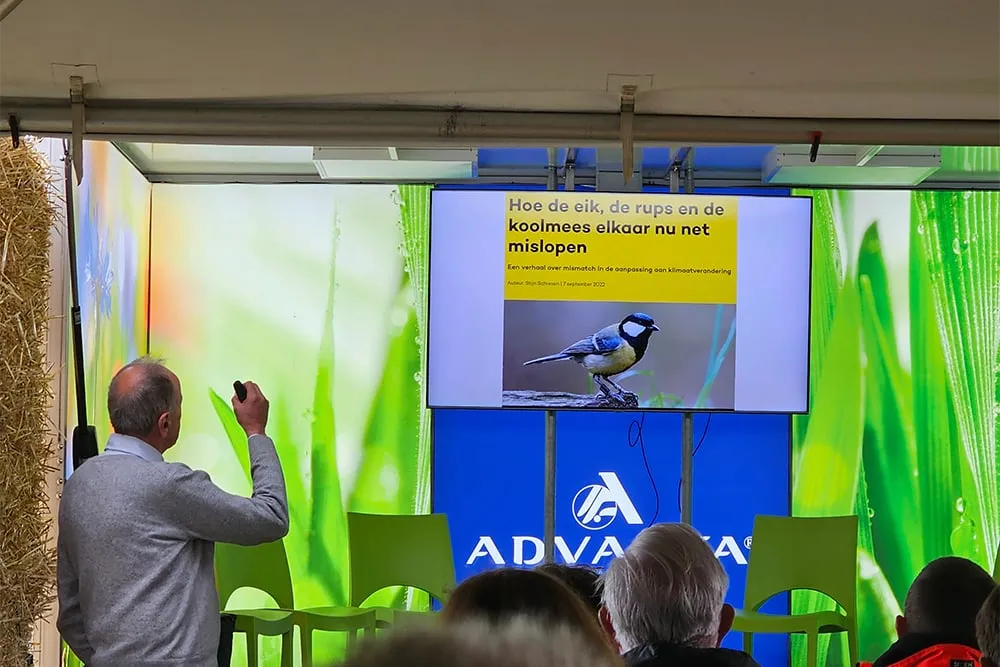
Morning: inspiring ideas and practical advice
In his opening address, Stein De Meulemeester, key account manager professional products Belux at ENVU, spoke about climate change and related legislation, the vulnerability of green spaces, and increasingly urgent calls for biodiversity. We also heard that the next National Turf Day will take place in Pittem, on land owned by the Lannoo family. Then it was time for the first presentation.
Landscape architect Stijn Van Dingenen highlighted the potential for turning public infrastructure projects into ecological drivers. He showed how VEN areas, habitat directives and protected natural areas should no longer be seen as obstacles, but rather as opportunities for biodiversity. To illustrate this, he drew on a recent case: the construction of a cycle highway over the Kolenspoor (former coal railway) in Limburg. He discussed the permitting and negotiation process, both in ecological terms and in relation to the infrastructure.
The Kolenspoor route will serve as a test site for innovative developments in materials, lighting, energy and more, with sustainability at its heart. Further studies will also ensure the cycle highway is integrated optimally into its ecological surroundings.
Michel Wimmers of eWeeding presented an innovative method for controlling weeds on paved surfaces: electrical weed control. He discussed how it works, its long-term effects, its environmental impact and its applications for invasive non-native plants such as giant hogweed and Japanese knotweed. This affable Dutchman spent much of his career as a researcher at Bayer and now offers both a machine, the eWeeding Roller, and his extensive expertise. Electrical weed control is safe, sustainable, effective and efficient. We’ll be hearing more about it…
Paul Dupas of ICL highlighted the best choices for fostering diversity in the future, in both urban and rural areas. He also challenged certain definitions, such as « urban area », « native » and « biodiversity »… This got the audience thinking. He then offered ideas on how to get parks and gardens growing sooner, help them thrive and make them more resilient. This is all made possible by ongoing technological innovation, resulting in high-quality fertilisers and grass seed.
Before the panel discussion, Karel Vercruysse and Frank Dewever, commercial director at TerraCottem, joined the speakers mentioned above. Moderator Stein De Meulemeester steered the discussion in the right direction. Panellists were asked numerous questions about short- and long-term choices, managing often tight budgets, electrical weed control, …
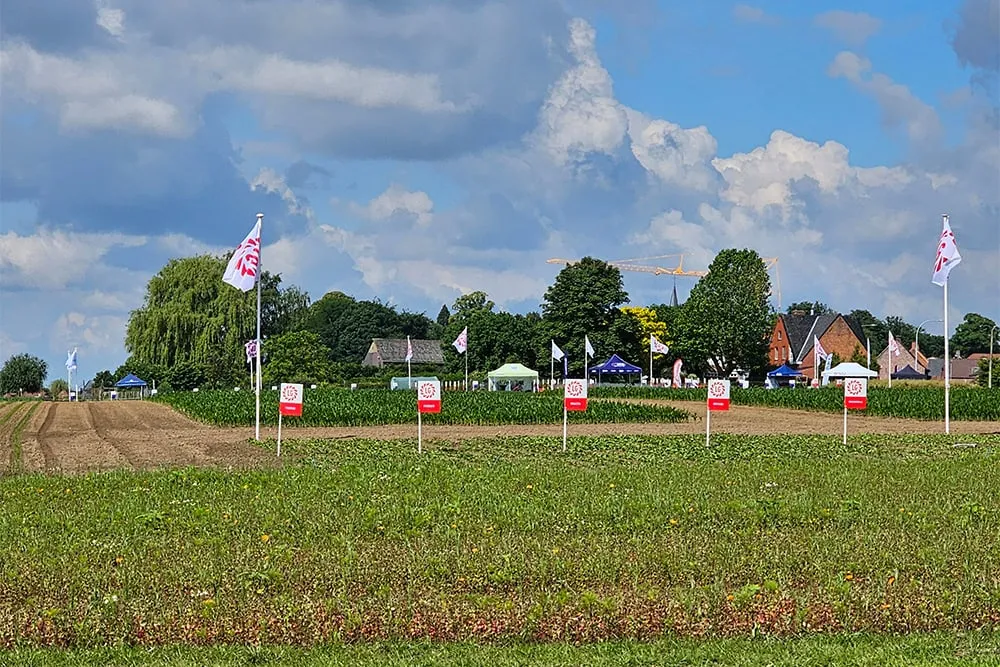
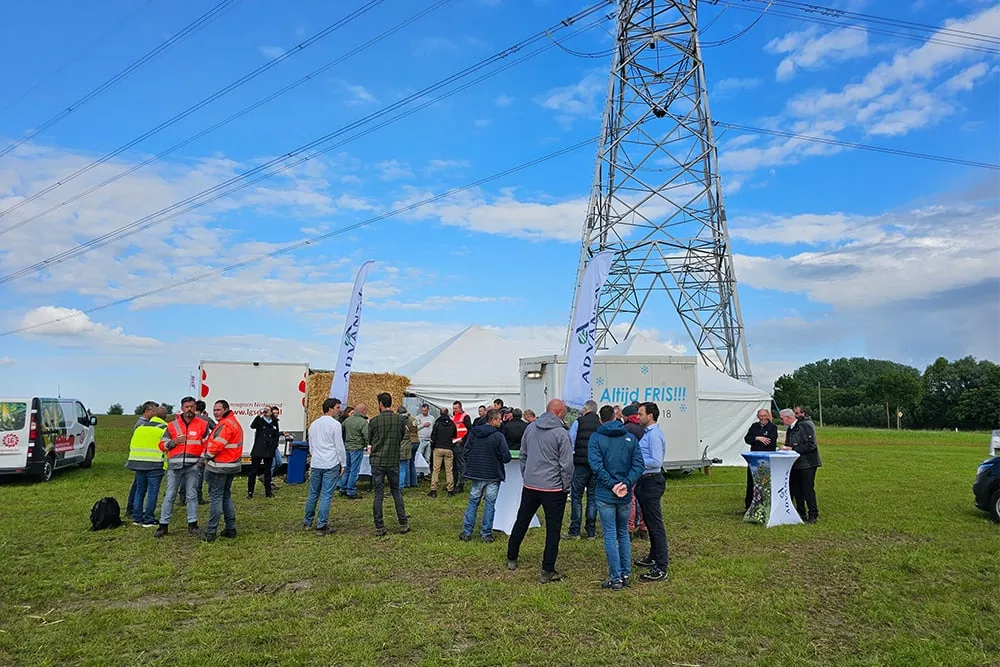
Afternoon: practical demonstrations and networking
Fries were served for the networking lunch. Flemings (and a few Dutch visitors) and fries? You bet! After the break, participants had the chance to see the concepts discussed in action during tours of the trial field. Experts from Advanta, ENVU, ICL, TerraCottem, eWeeding and MDS covered topics including wildflowers and biodiversity mixes, mechanical sowing of wildflowers, mowing management and the maintenance of wildflower meadows, fertilisation, soil improvement, innovative weed control and innovative pest control.
The study day « La gestion verte de demain, vue différemment » was a great success. Participants came away with valuable information, practical advice and inspiration for managing green spaces sustainably and in a way that is fit for the future. Networking opportunities helped them make contacts and share experiences. Well done, Advanta!
Question about this story? Ask your question
Keep following this
Get an email when a new story is published. No account needed.
- SubjectNews