“Figs are going to replace kale”
Texte Trees Accou | Photos Association belge des Jardineries, PCLT
What impact is climate change having on the horticulture sector?
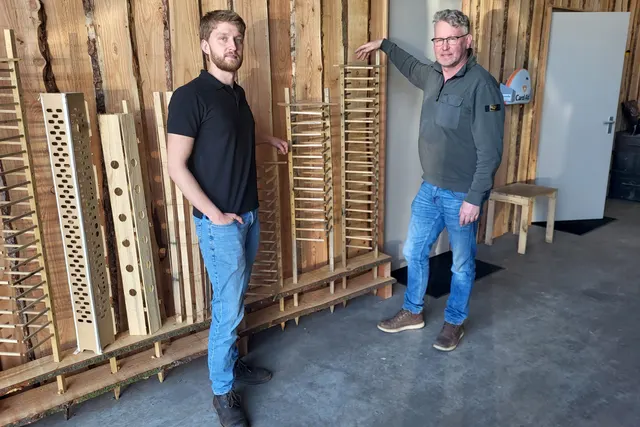
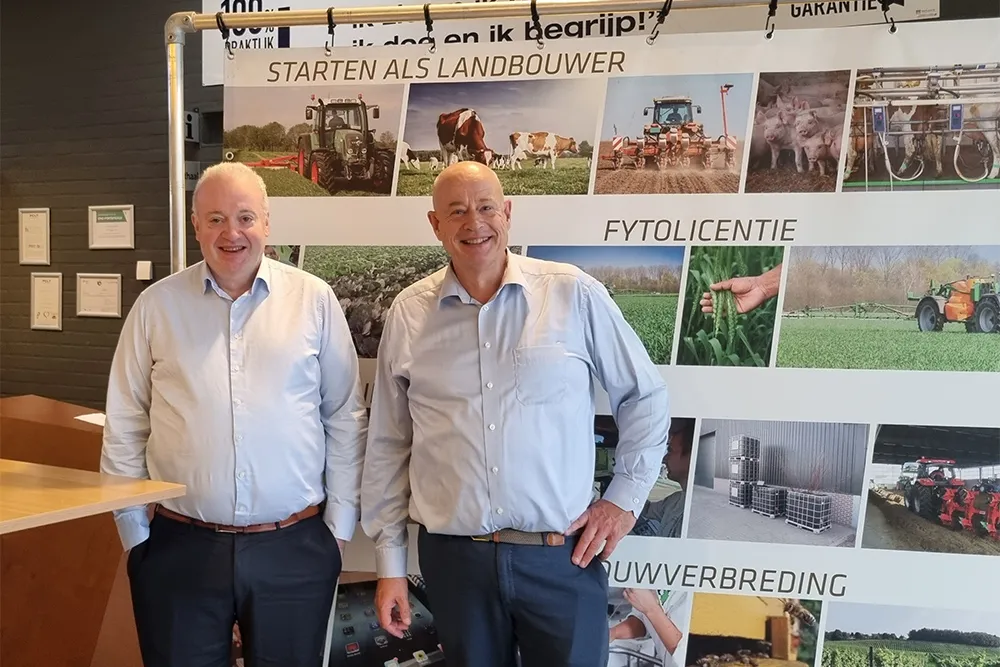
Drier, hotter summers and shorter, wetter winters: in a nutshell, this is what the horticulture sector will have to face in the coming decades. Climate change is accompanied by renewed interest in green spaces and environmentally friendly techniques. We travel to the countryside around Wortegem-Petegem for a joint interview with Marc and Dirk Ballekens, director of the Praktijkcentrum voor Land- en Tuinbouw (PCLT) and director of the Association belge des Jardineries, respectively. In their garden, ablaze with autumn colours, they shed light on the future of the sector.
The Ballekens brothers have both feet firmly planted in the agricultural and horticultural sectors, as well as in green spaces. “Garden contractors used to need green fingers. Today, they need a green mindset. Managing open spaces is becoming more complex, but also more sustainable,” says Marc Ballekens of PCLT.
His brother Dirk adds: “The heart of our business, plants, has been doing very well for the past few years. The trend began during the pandemic, when people had to rely on their own surroundings. Today, the government is encouraging everyone to go green and make gardens richer in biodiversity. Garden centres are benefiting and will continue to do so in the decades to come.”
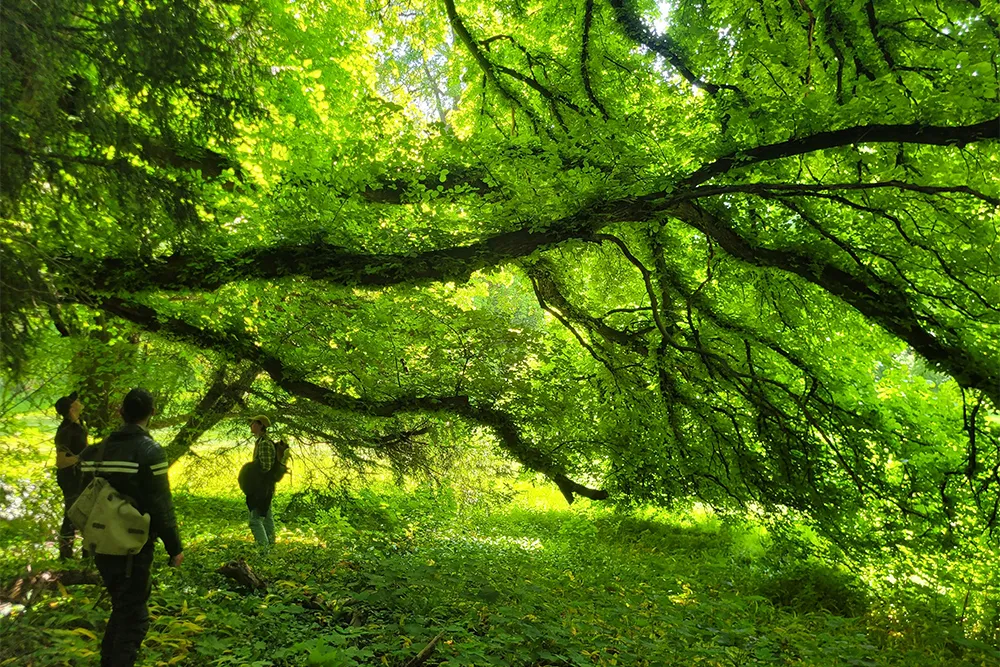
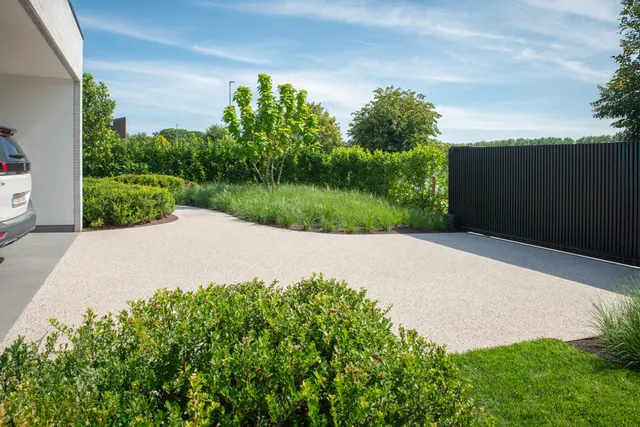
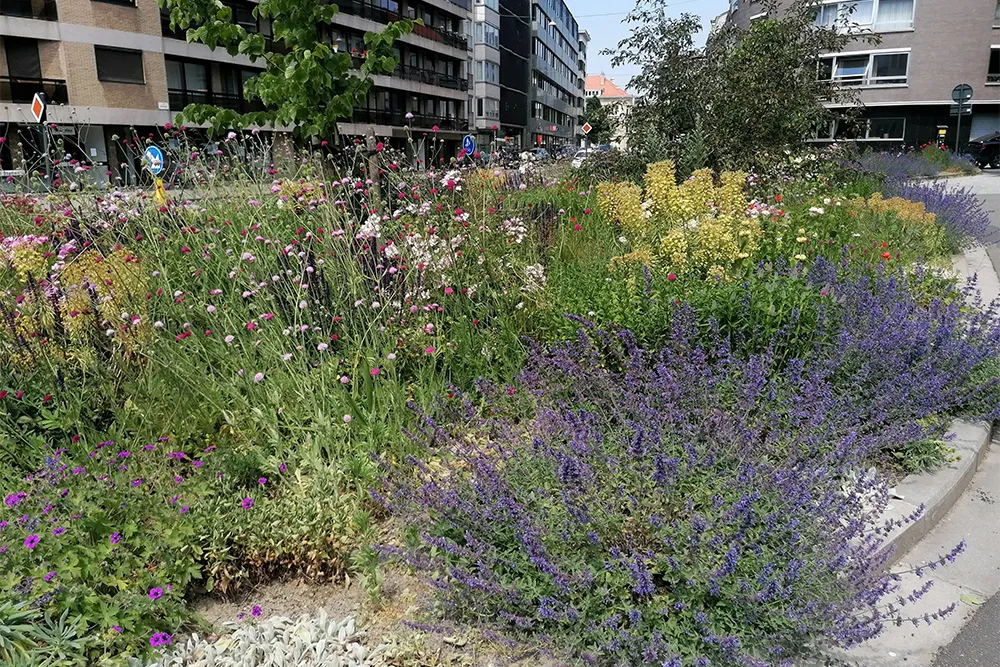
Dirk is clear that green spaces are expanding, both in rural areas and especially in cities. Depaving is a good example. Paving slabs are being removed and replaced with greenery. Marc adds: “The city of Roeselare wants to green one square metre per resident, which means removing 6.5 hectares of concrete or paving slabs.”
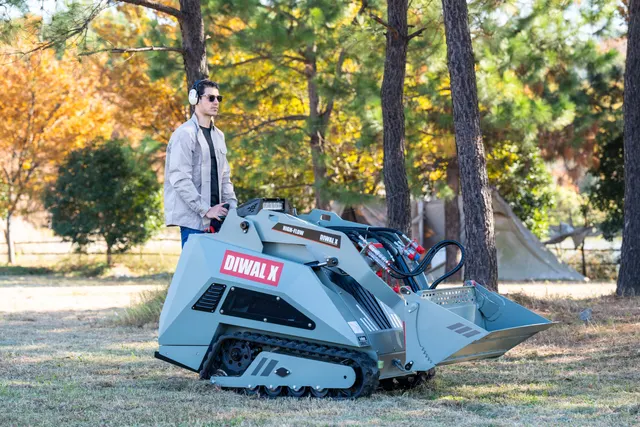
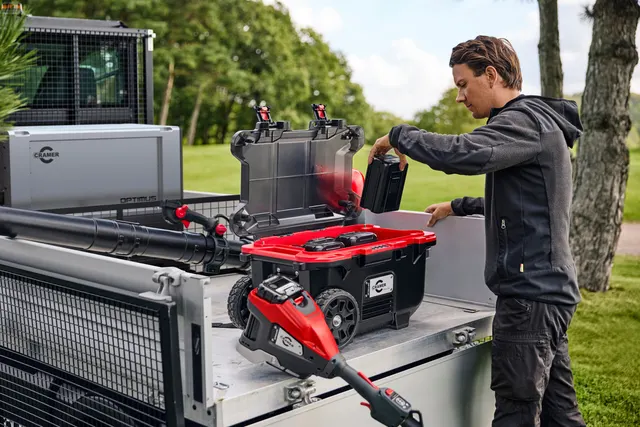
Marc notes that the machinery sector is changing at an incredible pace in both the private and public green-space sectors. “We’re not talking about evolution, but revolution. Machinery fleets are adapting, and more and more machines are battery-powered. That makes sense, since the green-space sector does not want to emit more CO2. We train public authorities and garden contractors to work with the new tools. How do you charge a battery? How do you work more efficiently? The equipment is lighter, more ergonomic and quieter. Everyone benefits.”
More work, fewer hands
Now that summers are getting hotter and winters wetter, garden contractors need to make the most of fine days, which means working more efficiently. “We have to pick up the pace. But there is less labour available even as the workload increases. With plant protection products banned, weeds have to be controlled using methods that require more labour. Plant knowledge is also evolving,” Marc continues. “You need to take drought into account to avoid designing a garden with drought-sensitive plants. PCLT runs practical training courses on topics such as ‘Tree species in a changing climate’ and ‘Sustainable weed control on hard surfaces’.”
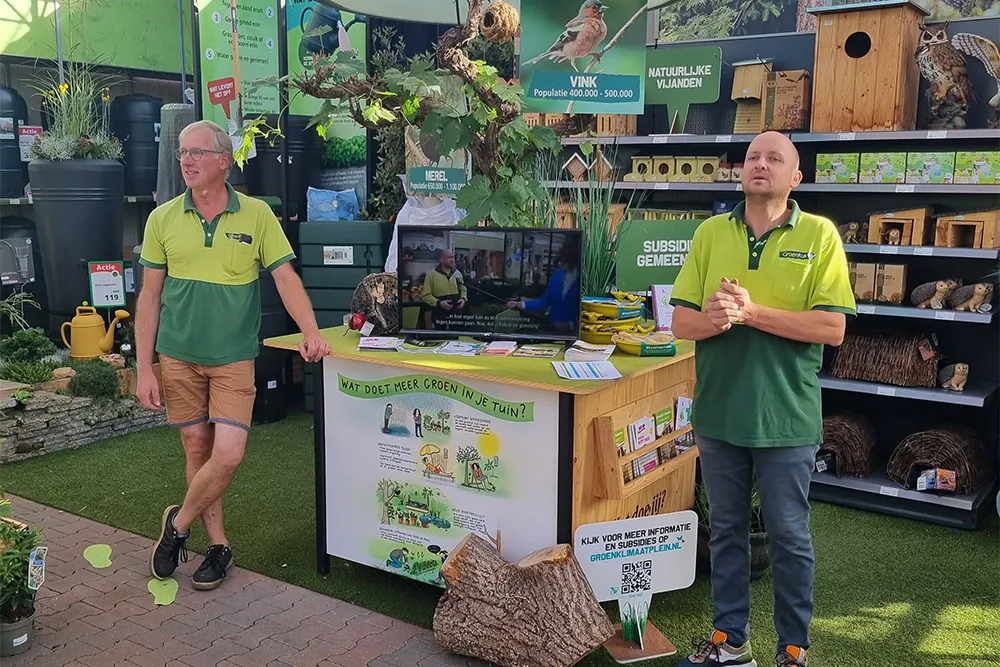
Dirk explains that garden centres are being given new responsibilities as a result of climate change. Plants and trees need to be more resilient, and garden centres must guide customers and make their infrastructure more sustainable. They are feeling the effects of climate change, but if they adapt their range intelligently, they will reap commercial rewards.
“It’s already clear that figs are going to replace kale. Vegetable garden and ornamental garden plants will change as a result of climate pressure. The traditional hedge and lawn are becoming less important. Our members face major challenges, and at the Association belge des Jardineries, we want to guide and support them.” Last year, for example, a visit was organised to the Klimaatpleinen in the Netherlands, where garden centres bring together their knowledge and products to make gardens more climate-resilient. Study days focus on digital marketing and garden centres’ sustainability ethos.
A necessary change
The most important factor in the sector’s transition is, of course, recognising that change is necessary. Marc and Dirk can see a shift, although there is still work to do. “Garden centre managers focus on what sells today and forget that they help shape the future. That’s why we put the ‘klimaatpleinen’ in the spotlight, for example,” Dirk points out. “It can seem slow at times, but Dutch and German colleagues tell me they went through the same thing three years ago. Today, everyone is on board. We’ll be ready soon too.”
Een zakelijke vraag aan PCLT? Get in touch
Companies in this story

Keep following this
Get an email when a new story is published. No account needed.
- ThemeGrowing suitable plants
- SubjectNews
- CompanyPCLT