The (re)discovery of nature brings all stakeholders together
Texte Luc Ophals | Photos Pépinière de l’étoile et Jardinerie Tournesols
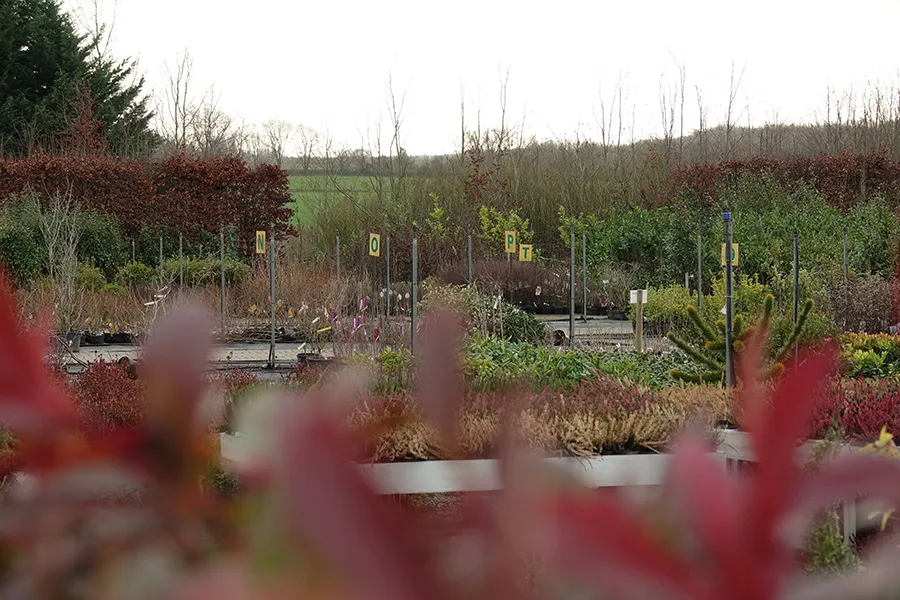
Developments and trends in garden centres and nurseries
After the rain … comes the sunshine! Now that the gloomy weather of the first months of the year is gradually giving way to milder, sunnier conditions, garden centres and nurseries are buzzing with activity. The first rays of sunshine invite people to reclaim their green spaces, tend their gardens, sow new flower and shrub seeds, create a small vegetable patch, decorate their patio and enhance their outdoor reception area with a lovely barbecue and revitalising plants. But what trends are emerging in practice? What are consumers looking for today to maximise their wellbeing in their own little corner of paradise?
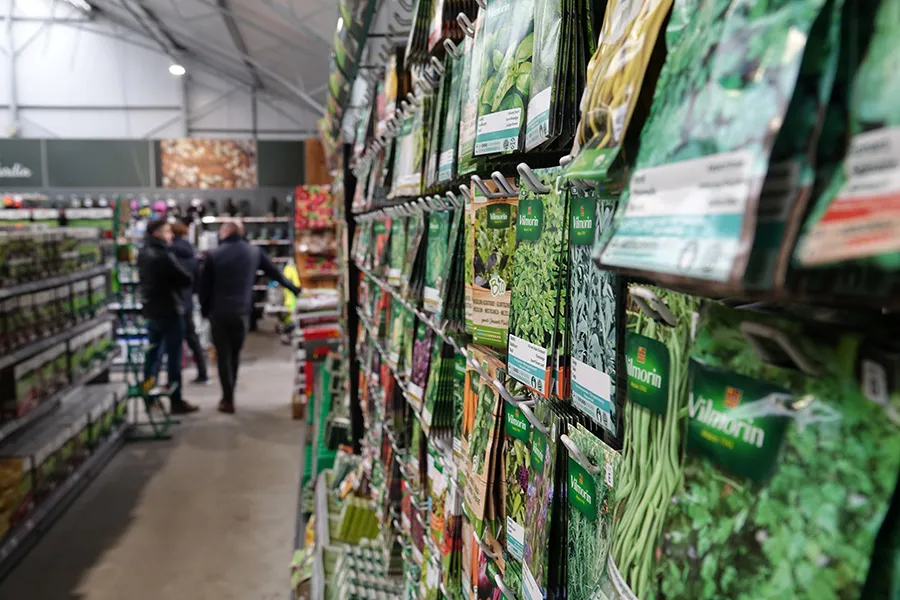
Let’s start with one clear observation: garden centres and nurseries are booming. There is no denying that the Covid19 pandemic, and the successive periods of lockdown and reopening, encouraged people to rediscover nature and the essential role of their own green spaces. The garden has become a true extension of the home, one to be protected, maintained, enhanced and developed as a place to recharge and spend time in a relaxing, welcoming atmosphere.
The perfectly manicured ornamental garden is a thing of the past
Simply mowing the lawn to the millimetre and trimming the hedge for a neat, tidy look is no longer enough. Those days are clearly over. Vincent Dassonville, Pépinière de l’étoile: « People enjoy working in the garden. They create their own vegetable patches to grow their own produce. They set aside a small orchard and plant raspberry bushes, apple trees and pear trees. This reflects a desire to buy local and control the origin of the products they consume. People are also concerned about biodiversity and protecting the environment more broadly. In this respect, they look for products that have not been treated with pesticides and choose “organic” herbs and vegetables. That’s a positive development.
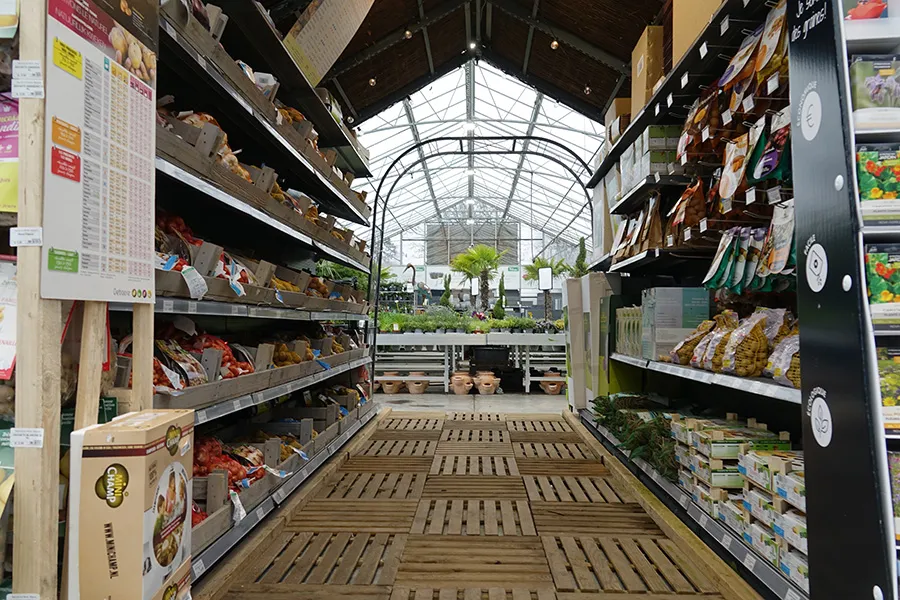
Axel Gaone, Jardinerie Tournesols, adds: « We are also seeing a younger customer base. Vegetable gardening is a real trend that seems to be bringing about a generational shift. The grandparents tended a vegetable patch, their children did not, but the new generation is rediscovering it. In a sense, it is a return to the “edible garden”: everything related to herbs and fruit trees is proving popular, even where space is limited. And to complete this virtuous circle, chickens are reclaiming the garden: they feed on our waste and provide us with eggs. »
New habits
« The post-Covid period and the current economic climate have, admittedly, put some restraint on spending. But the garden remains a priority for people. The choice of annuals and perennials on offer remains enormous. And sales pick up again with the arrival of the warmer season. People want colour and variety in their gardens, as well as plants that can withstand changing climatic conditions. Weeds are more readily accepted, grassed paths that retain water better are replacing paved paths, and natural materials are being used to build fences. As for the barbecue area, charcoal is enjoying a resurgence at the expense of gas models, although we cannot pinpoint a clear and precise explanation for this, » says Vincent Dassonville.
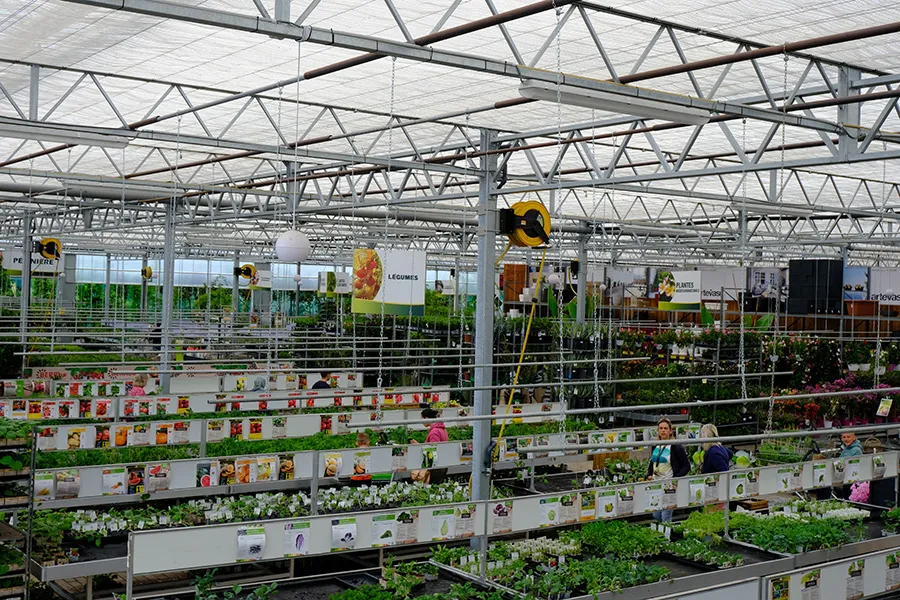
Axel Gaone explains: « Creating wilder, more colourful areas in the garden is linked to the appeal of fruit trees. People soon realise that the trees need to be pollinated, so they attract more insects and butterflies, bring back birds and bees (the “garden’s friends”) and sacrifice part of the lawn to create an area for pollinators. In the end, everything is connected and everything has a purpose. In terms of plant varieties, people are trying to find hardier options, including Mediterranean varieties that can withstand heatwaves and drought. Naturally, automatic irrigation is no longer an option: water must be conserved. In short, the aim is to avoid investing in something that will ultimately be wasted. We see the same mindset in ponds and water features, which are now smaller. In the past, people wanted clear water so they could see the fish; now the focus is more on attracting wildlife, such as dragonflies. And people are paying attention to electricity and water consumption. »
What about sustainability?
The latest technologies have made their way into garden centres and nurseries, with one guiding principle: saving resources and improving efficiency. « We do our utmost to water as efficiently as possible and have installed photovoltaic panels, » says Vncent Dassonville..
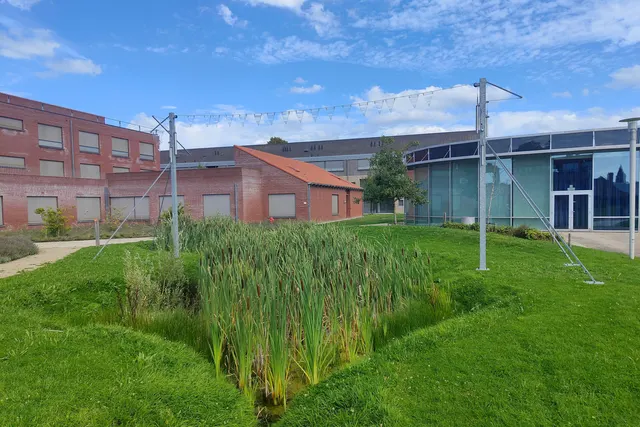
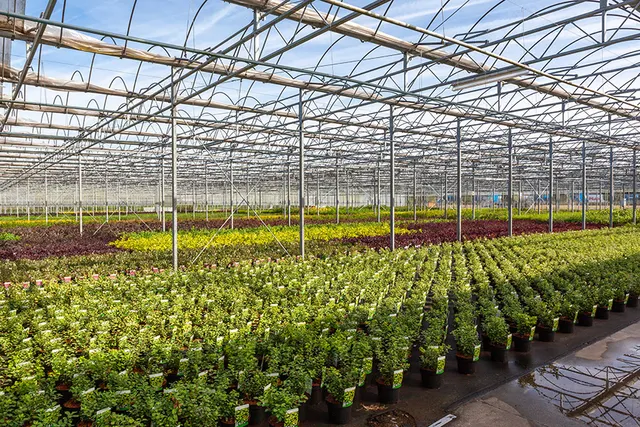
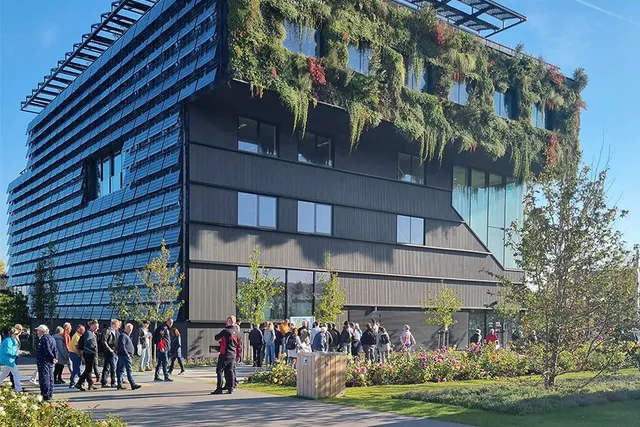
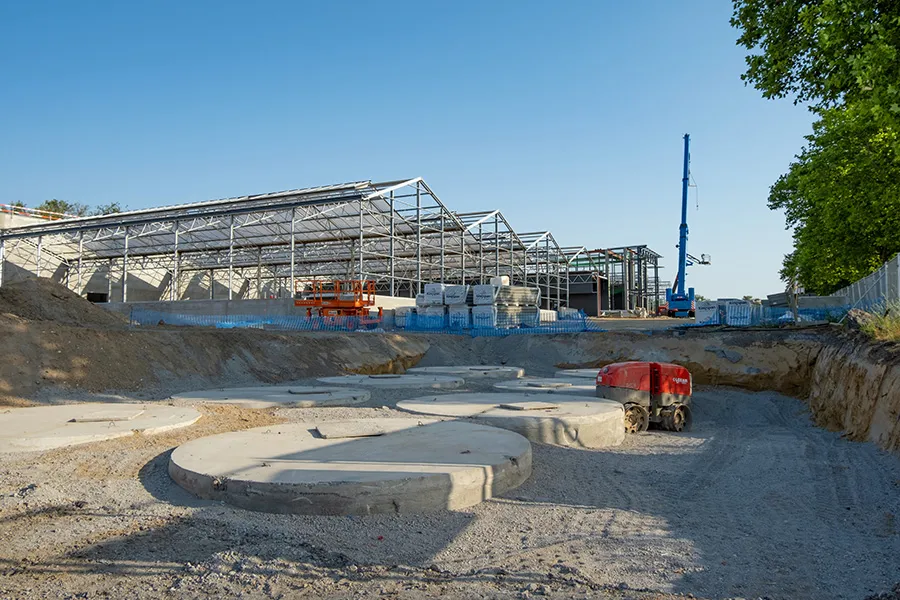
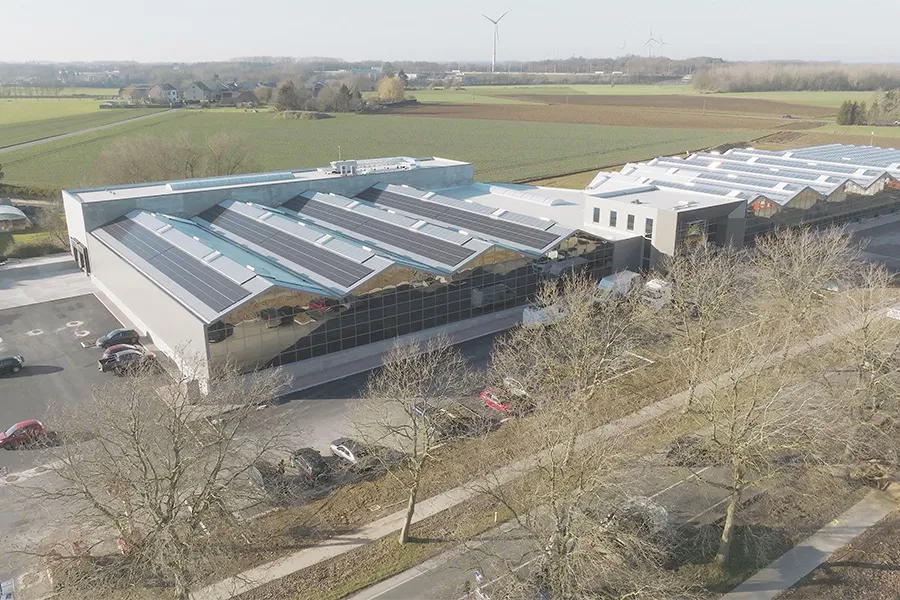
The new Jardinerie Tournesols site in Namur has ambitious plans in this respect. Axel Gaone: « Our garden centre in Châtelineau turns 20 this year. And it is true that technology has come a long way in 20 years. That is why our new garden centre in Namur has adopted considered, as sustainable as possible, solutions. Its 9 000 square metres of greenhouses are heated by an underfloor heating system supplied by a pellet boiler, using pellets made in Wallonia. The greenhouse roofs have fairly thick polycarbonate panels on the north side and solar panels on the south side, while external screens reflect the sun’s rays, which could theoretically raise the temperature inside the greenhouses by 8 to 10 degrees. As for water, we have installed large rainwater harvesting tanks (700 000 litres), along with a system to collect excess irrigation water that is not absorbed by the plants. A huge stormwater basin with a capacity of one million litres is intended to prevent local flooding. We have also installed 26 electric vehicle charging points powered by the photovoltaic panels, as well as chargers for bicycles and cargo bikes. »
Question about this story? Ask your question
Keep following this
Get an email when a new story is published. No account needed.
- ThemeDesigning living landscapes
- SubjectGarden centres