GPS-RTK technology gains more features
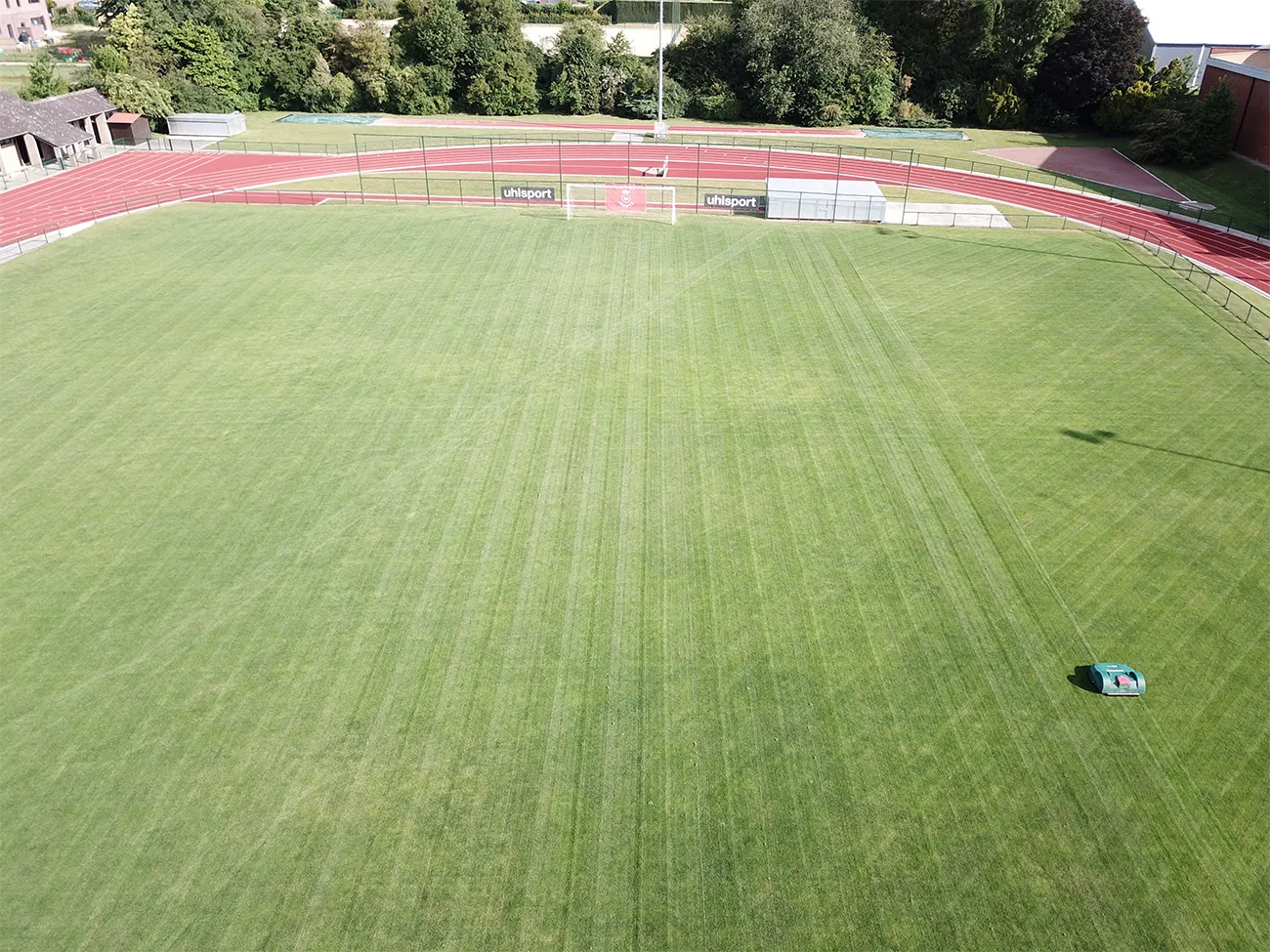
2021 marked a major milestone in the development and deployment of RTK-guided robotic mowers. Feedback from users of Beltronics GPS-RTK robotic mowers, manufactured and installed by Yamabiko Europe, has been extremely positive. And for 2022, Yamabiko Europe has already announced a number of significant new features that further raise performance levels and, in turn, make the machines more convenient and satisfying to use.
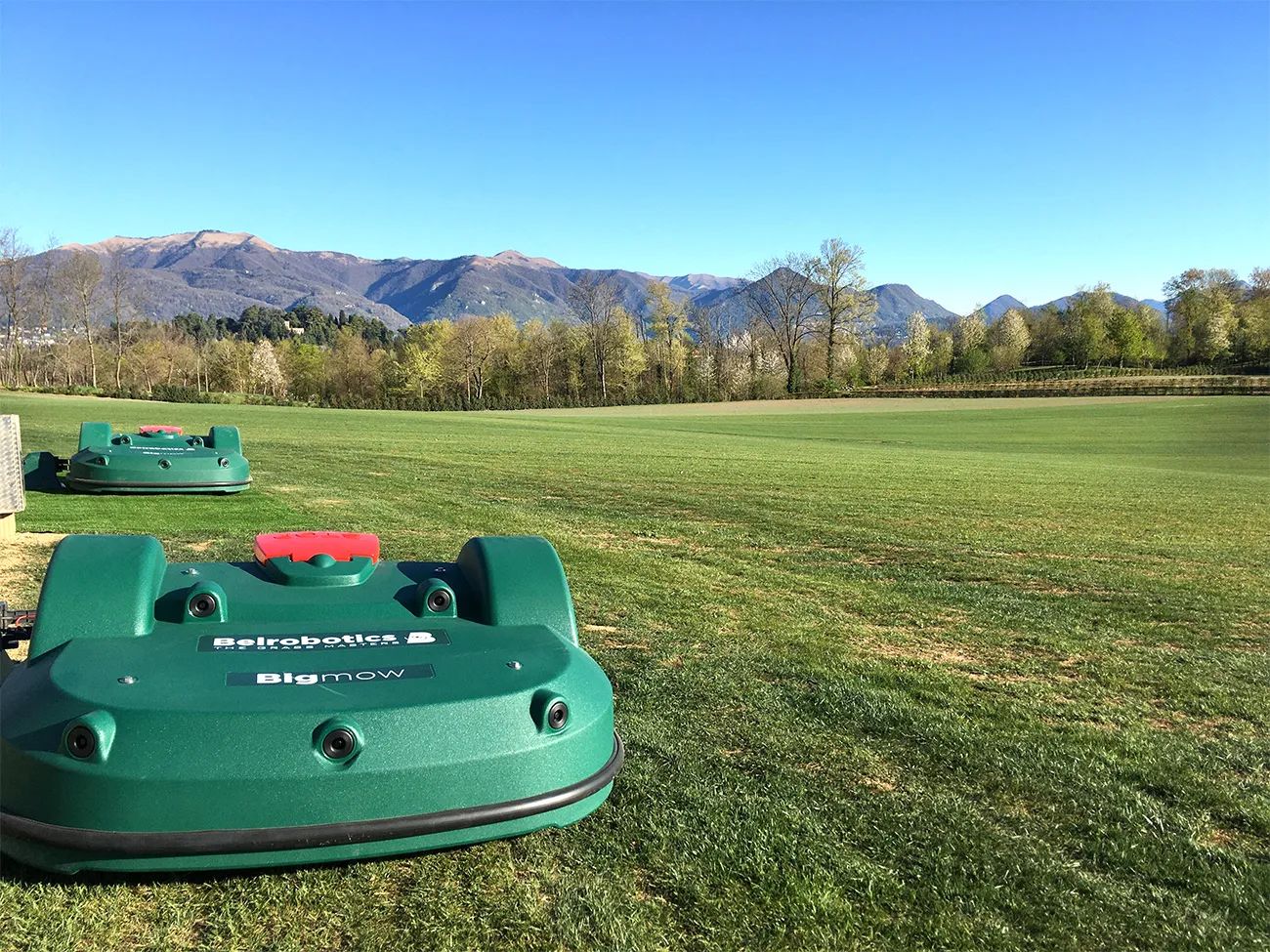
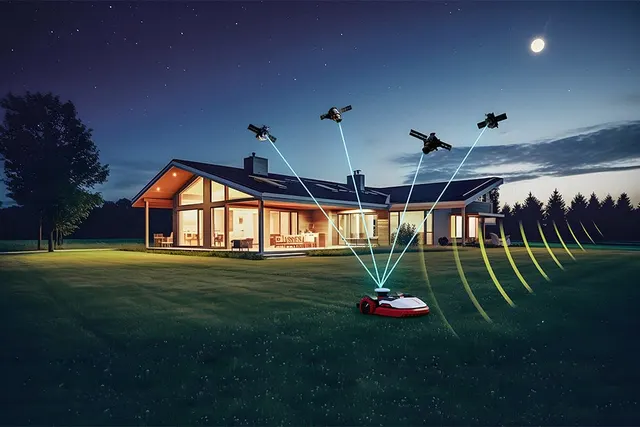
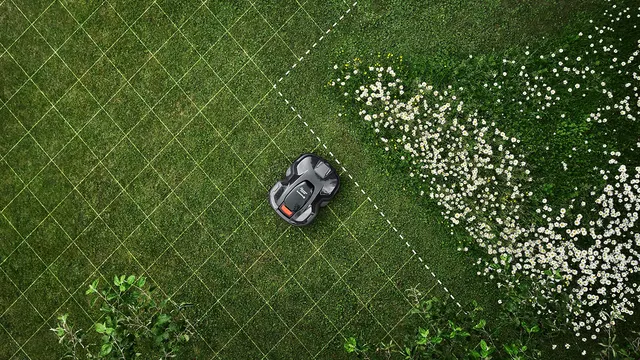
“Conventional” robotic mowers rely on guidance from the positive magnetic signal emitted by the buried wire that marks the working area. A robotic mower equipped with RTK technology combines this use of the magnetic field with navigation based on the precise GPS data collected by the RTK base station. Unlike a standard GPS, which is accurate to within metres, this technology offers accuracy of around 5 cm. During installation, the robotic mower records the GPS coordinates of the working area. The process has three stages. First, the robotic mower follows the boundary wire around the working area in track-border mode. It then calculates the GPS boundary of the site by filtering the data collected. The third stage is to check the GPS boundary of the working area, which is then approved by the technician.
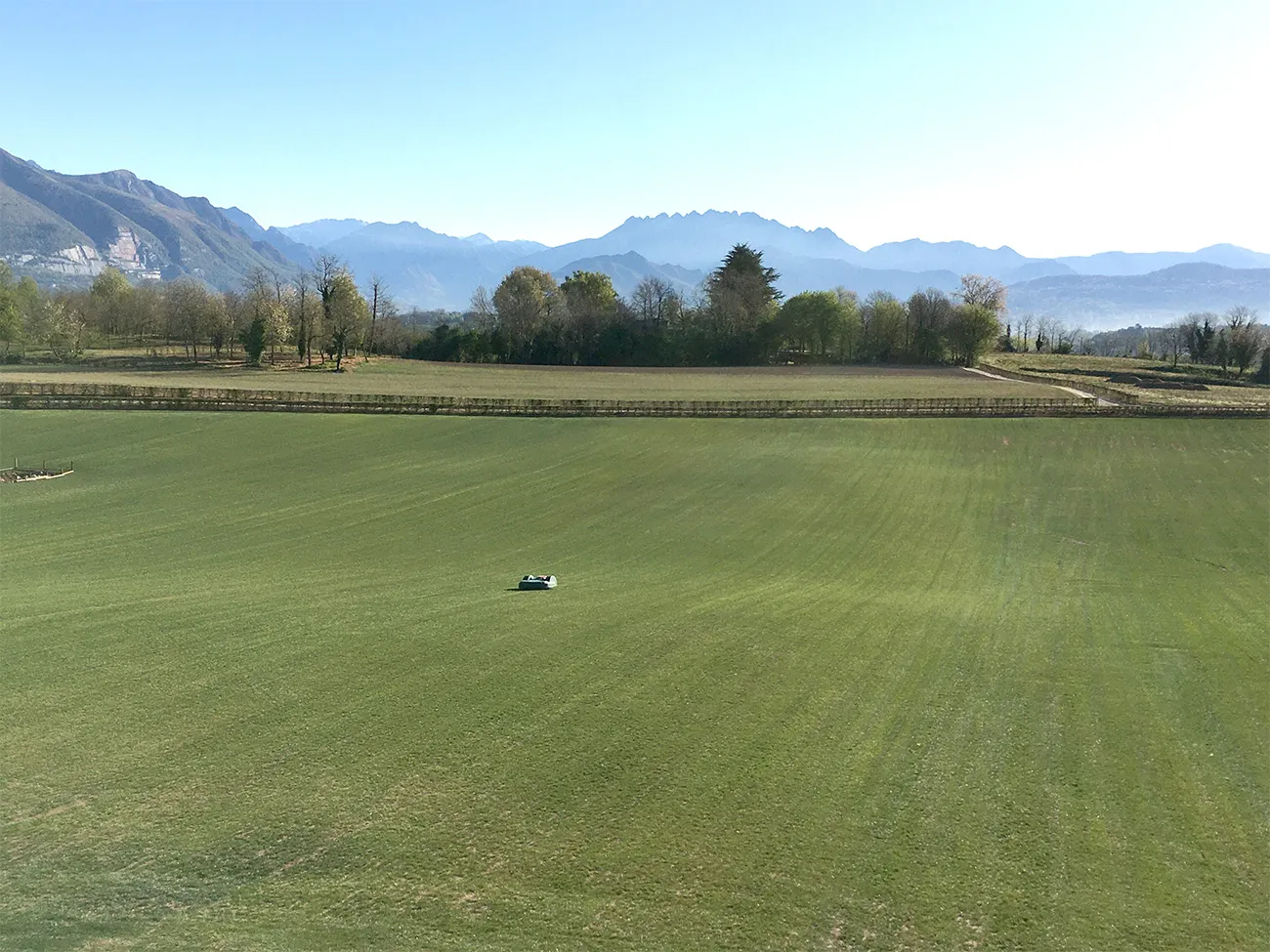
Once the site has been marked out and recorded, the robotic mower calculates a mowing pattern based on the GPS coordinates and follows it to mow the entire area in straight lines. When the battery runs flat, the robotic mower follows the boundary wire back to its charging station. Once recharged, it returns to the starting point of the last unfinished strip. After completing a full mowing cycle across the working area, the robotic mower changes its reference point and adjusts the mowing pattern by 45° or 90° to optimise the visual effect.
4G and complex shapes
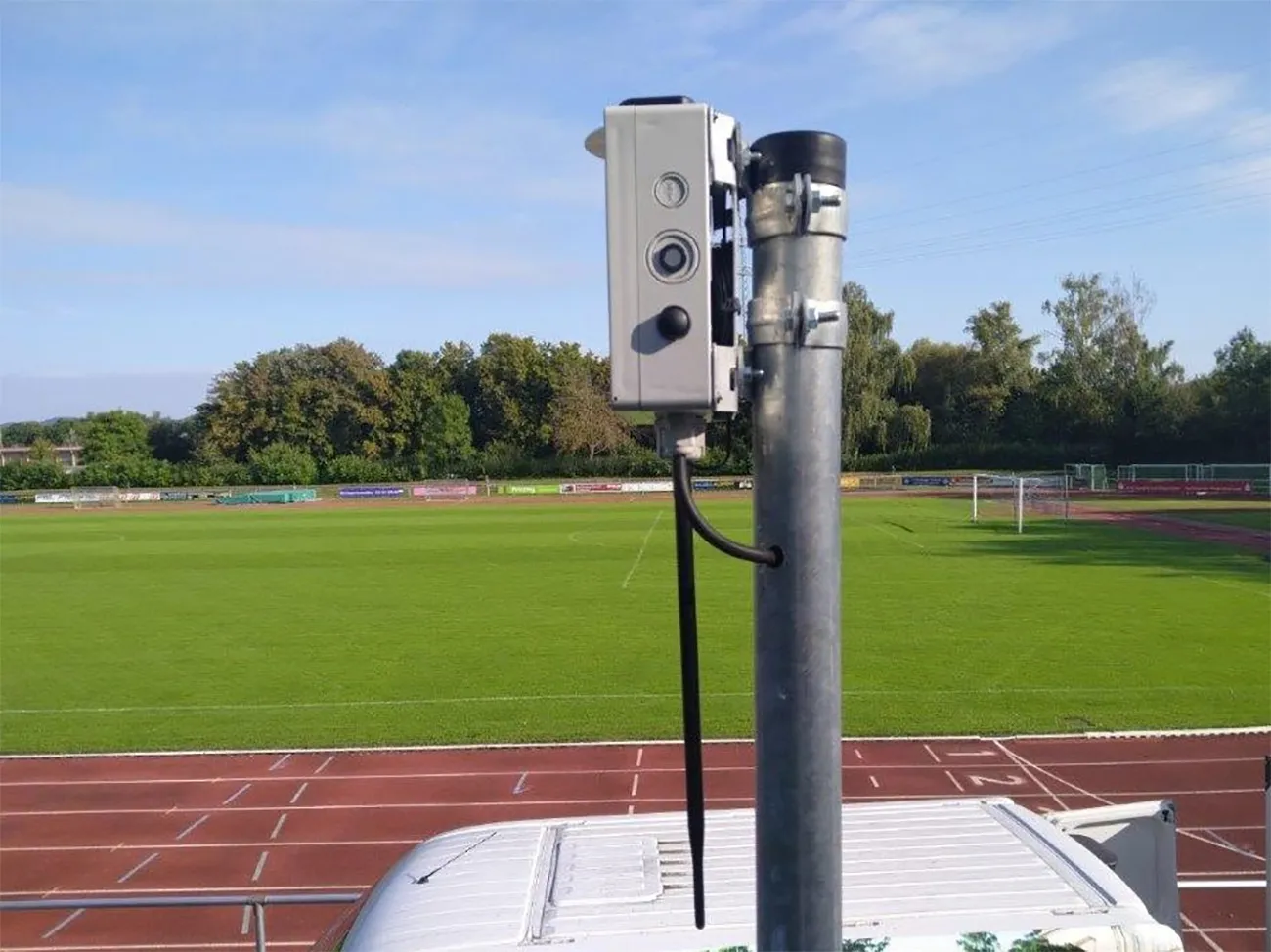
Until now, communication with the robotic mower has been via Wi-Fi only. Yamabiko Europe has now announced that 4G can also be used. This means there is no longer any need to install a base station nearby to receive GPS corrections. 4G can be used to transmit corrections over a distance of 10 to 15 km. A municipality with several football pitches can therefore install just one base station and use 4G to receive the necessary corrections at its other sites.
Another important new feature is the ability to cover more complex shapes, rather than being limited to rectangular areas such as football pitches or golf practice areas. Yes, you read that right: fairways will also be mown to perfection using RTK technology. And, of course, it will also be possible to set up complex-shaped areas within a large working area.
A third innovative feature allows ‘no-go zones’ to be marked out within a working area. The robotic mower can be programmed to go around obstacles in the working area, such as a goal, without having to lay wire around them.
Another new feature is the ability to use a remote control to programme the robotic mower to operate within a defined circumference. It is both easy and very practical.
Value for money
This spring, Yamabiko Europe will install no fewer than twelve BigMow robotic mowers in each of three Dutch municipalities. This is clear evidence of the undeniable success of RTK robotic mowers among our northern neighbours, for whom value for money is, as everyone knows, an essential principle and a decisive factor in both business and private transactions. The two current models, the Bigmow 1050, with a mowing capacity of 30,000 m2 and recommended for two football pitches, and the Bigmow 2050, with a mowing capacity of 60,000 m2 and designed to cover four football pitches or a fairway with 4 to 5 holes, are particularly popular in the Netherlands and Germany.
Question about this story? Ask your question
Companies in this story
Keep following this
Get an email when a new story is published. No account needed.
- ThemeMaintaining lawns and sports grounds
- SubjectLawn management
- CompanyYamabiko