A well-informed customer is also a loyal customer
Lawnmowers: new trends and habits
The warmer weather is back and nature is emerging from its winter slumber. Birds are once again filling the air with their song. For professionals in the green-space sector, this is the signal to roll up their sleeves and get ready to welcome a busy stream of customers. At this time of year, everyone is busy getting their garden back in order. First and foremost, that means dusting off the lawnmower and getting it ready for use before the grass gets out of hand. But there’s more to it than that! Need any additional equipment? A little more colour and a touch of the wild? Planting shrubs? Treating weeds? In short, what does the customer need? We spoke to two leading players in the sector in Wallonia. A number of clear trends are emerging.
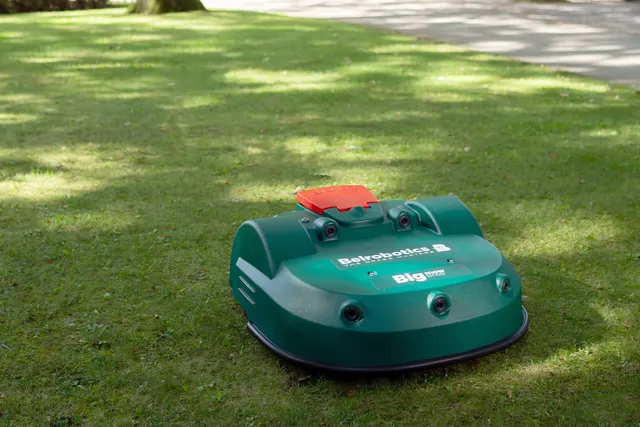
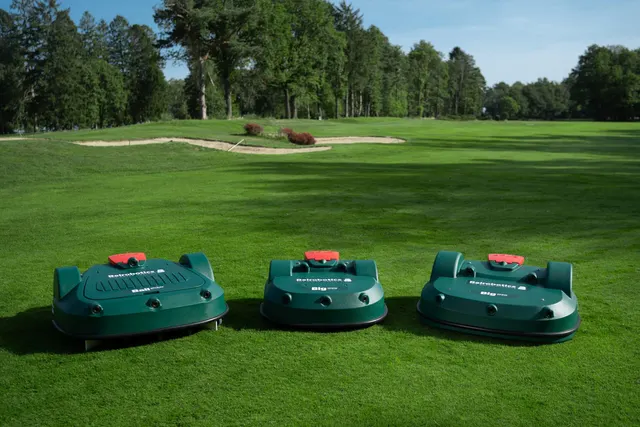
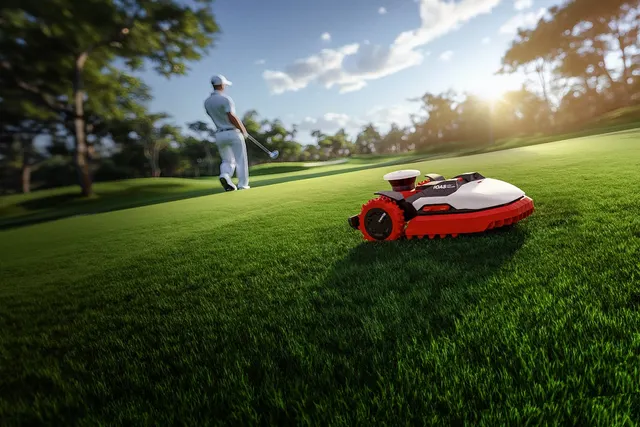
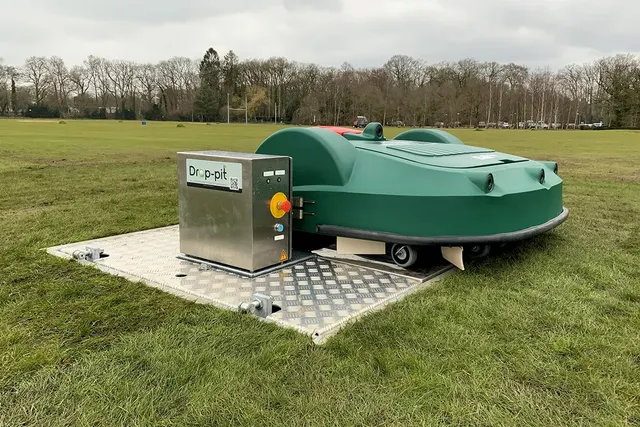
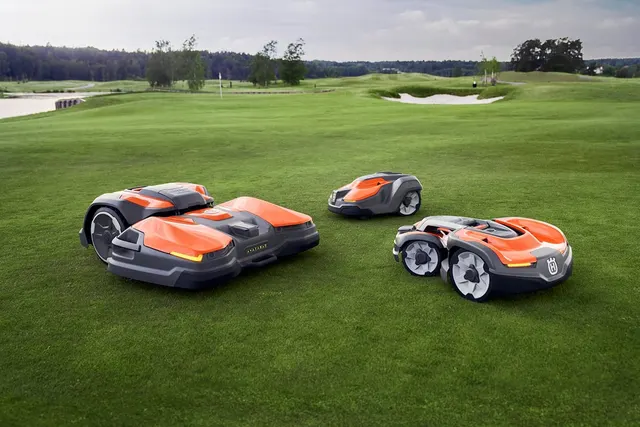
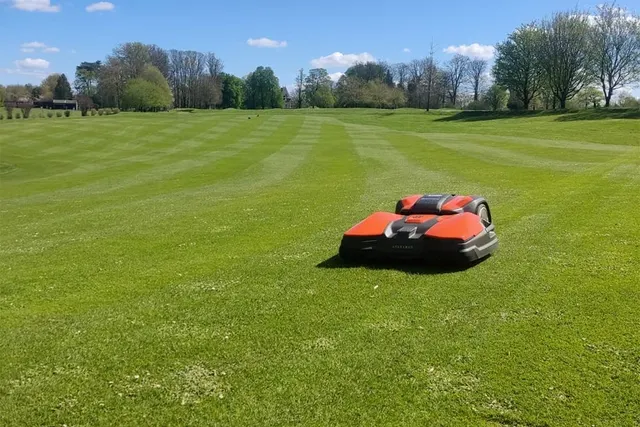
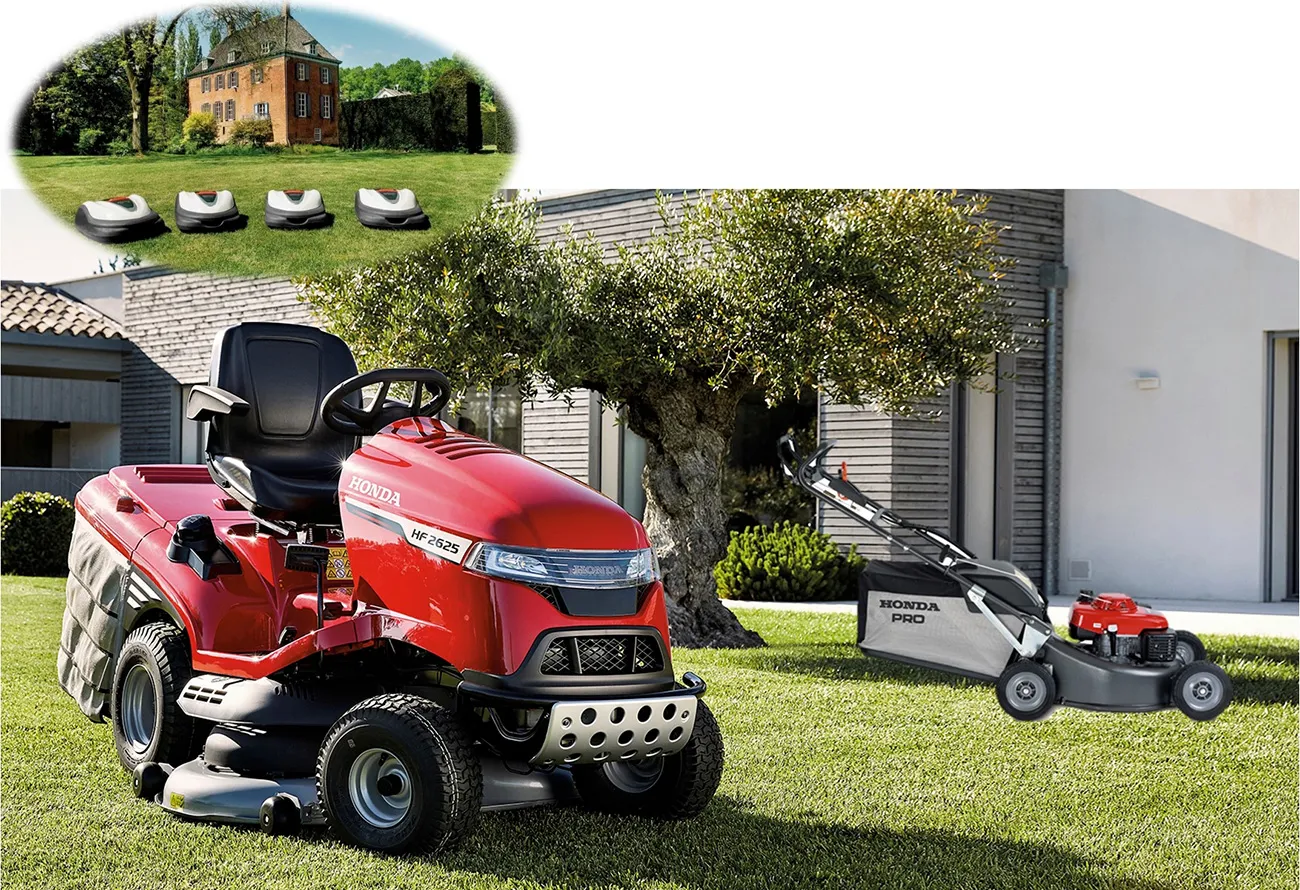
Automation, particularly automated lawn mowing, can make a green-space professional’s job considerably easier. There is no doubt that robotic lawnmowers have grown in popularity in recent years. Many brands now offer robotic lawnmowers that operate without a perimeter wire. Thanks to autonomous navigation, they mow the lawn with millimetre precision, follow every contour perfectly and do so without any operator intervention, in near silence. While the technology is particularly popular with domestic customers, who value the convenience, zero emissions, low noise and fully automated operation, including automatic recharging at the dedicated docking station, it has also been adopted for larger plots and professional use by those responsible for maintaining golf courses and sports grounds. They can then focus their attention on other tasks and save valuable time.
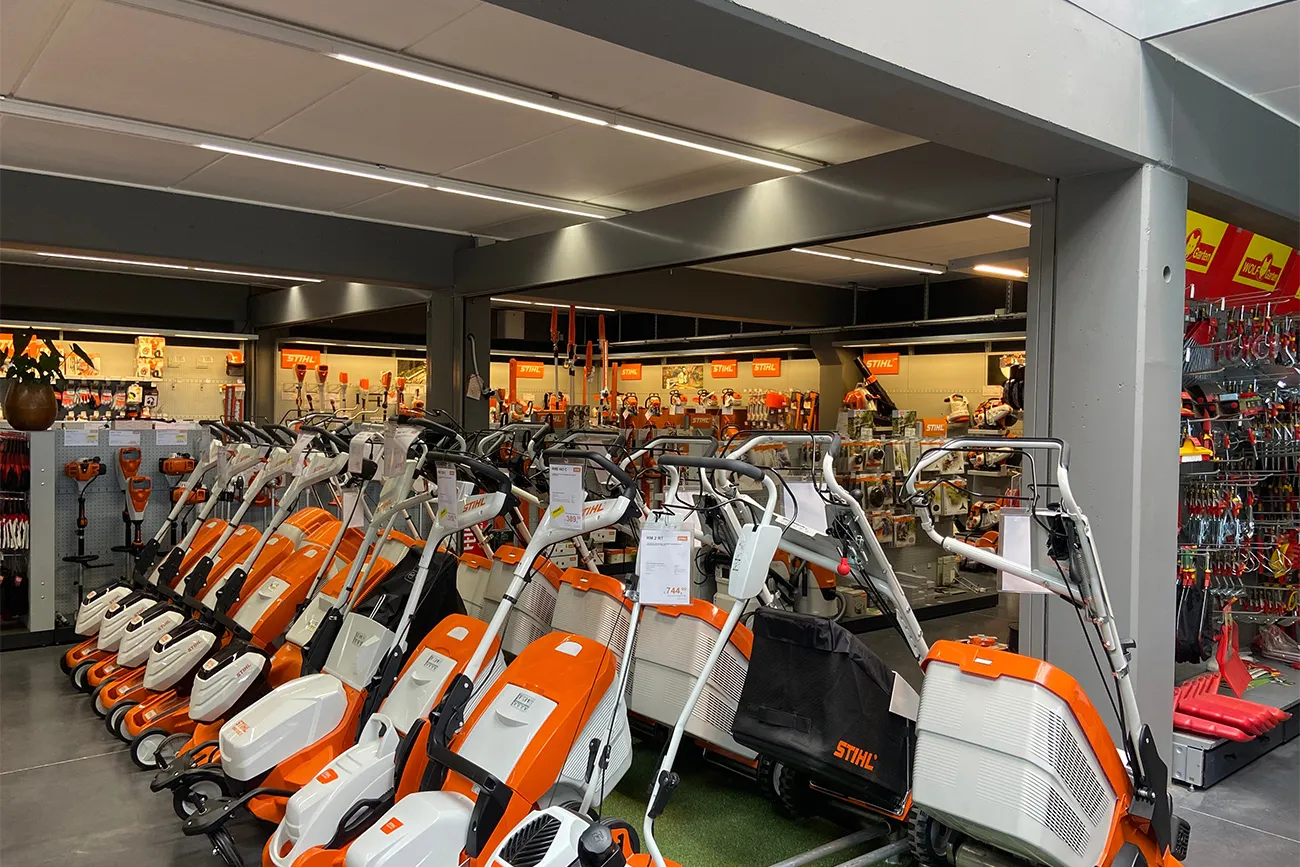
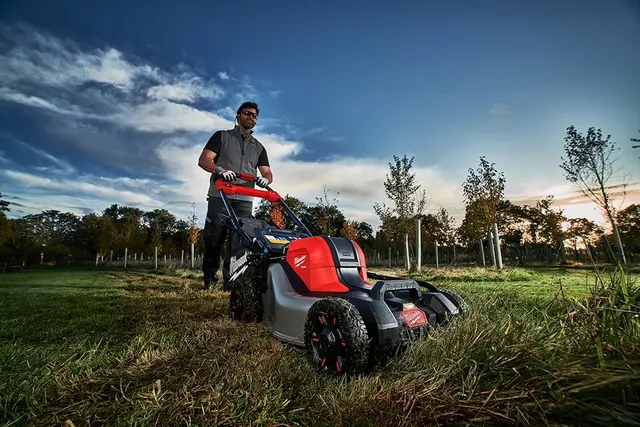
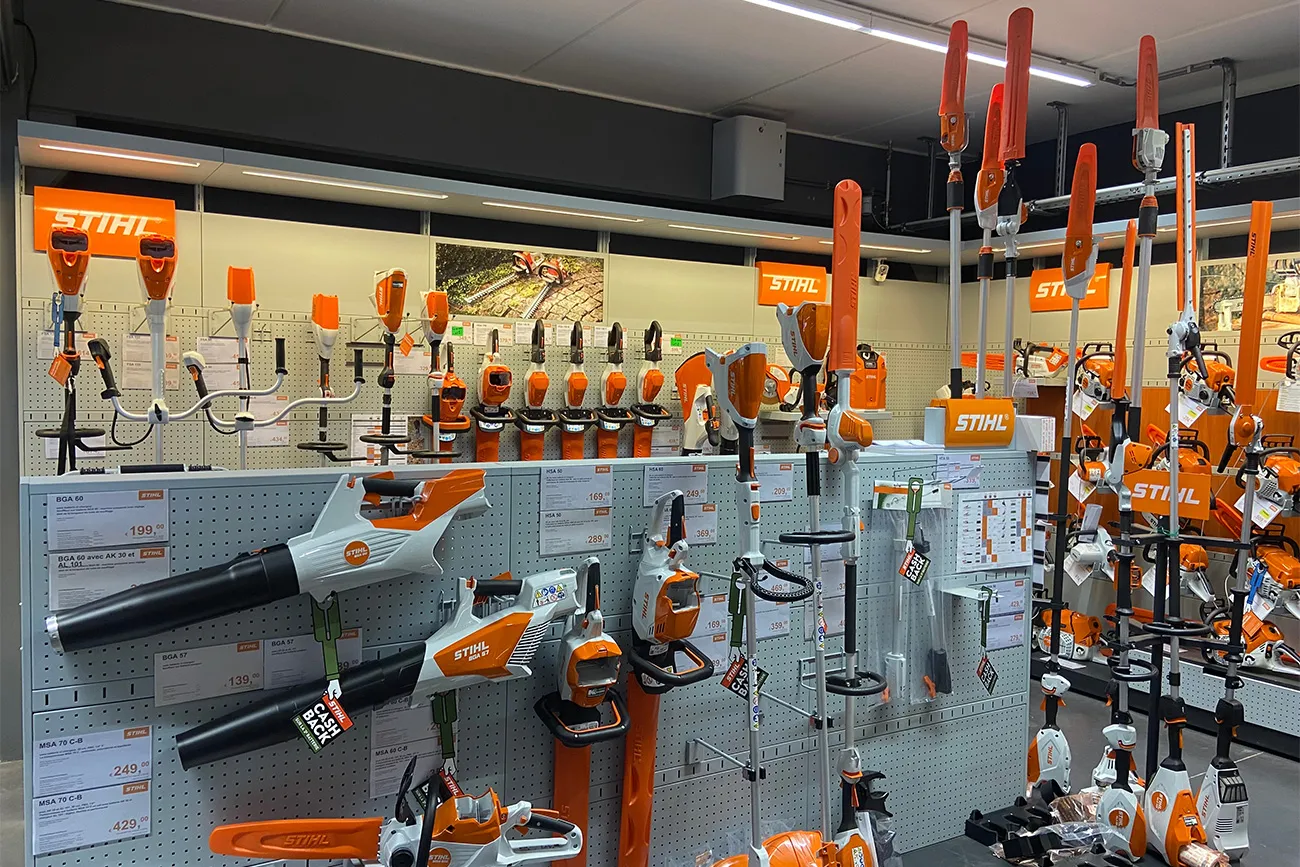
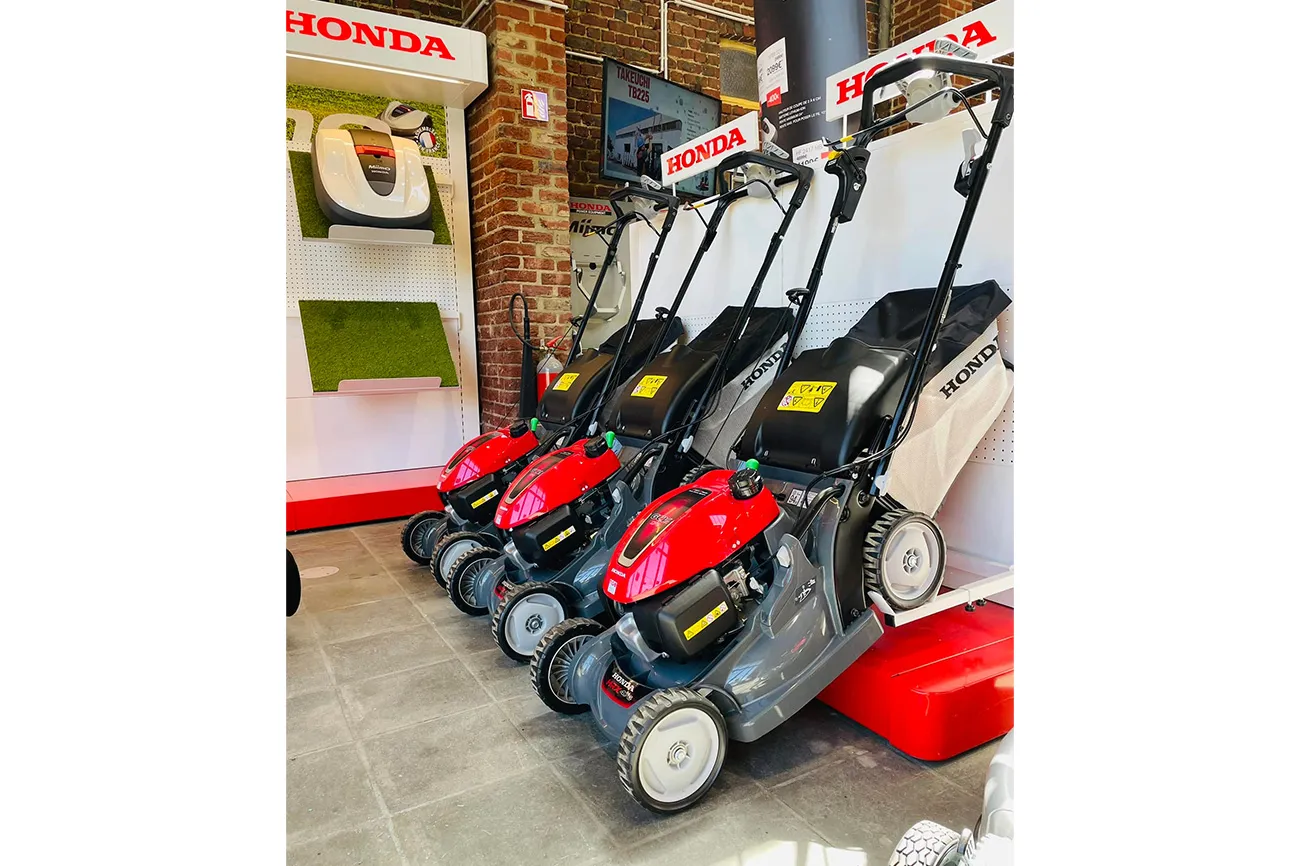
Charlotte Keymolen, Keymolen A&C in Rebecq: “The trend is clearly towards battery-powered machines. Broadly speaking, they account for around 6 to 7 sales in every 10. Customers like machines with interchangeable batteries, the versatility of the battery, not having to deal with fuel cans, quiet operation, easy starting and lower maintenance costs. This is all the more true as battery-powered machines are becoming increasingly powerful and robust. Sales of robotic lawnmowers are also rising sharply. Customers are discovering the benefits of mulching. With this technique, they avoid numerous trips to the recycling centre to dispose of grass clippings, and there is no compost heap in the garden that could produce odours as the organic matter decomposes. But as part of our advisory role, we stress the importance of using the machine they are considering correctly. To address the issue of hedgehogs in the garden, we make sure to recommend a robotic lawnmower with sufficient power, so it does not have to mow at night and pose a danger to wildlife. Sometimes, after looking through online catalogues, customers choose a robotic lawnmower designed for an area closest in size to their own garden, without realising that the machine has to run non-stop to work efficiently and do its job properly. It is our role to make them aware of this and give them the best possible advice.”
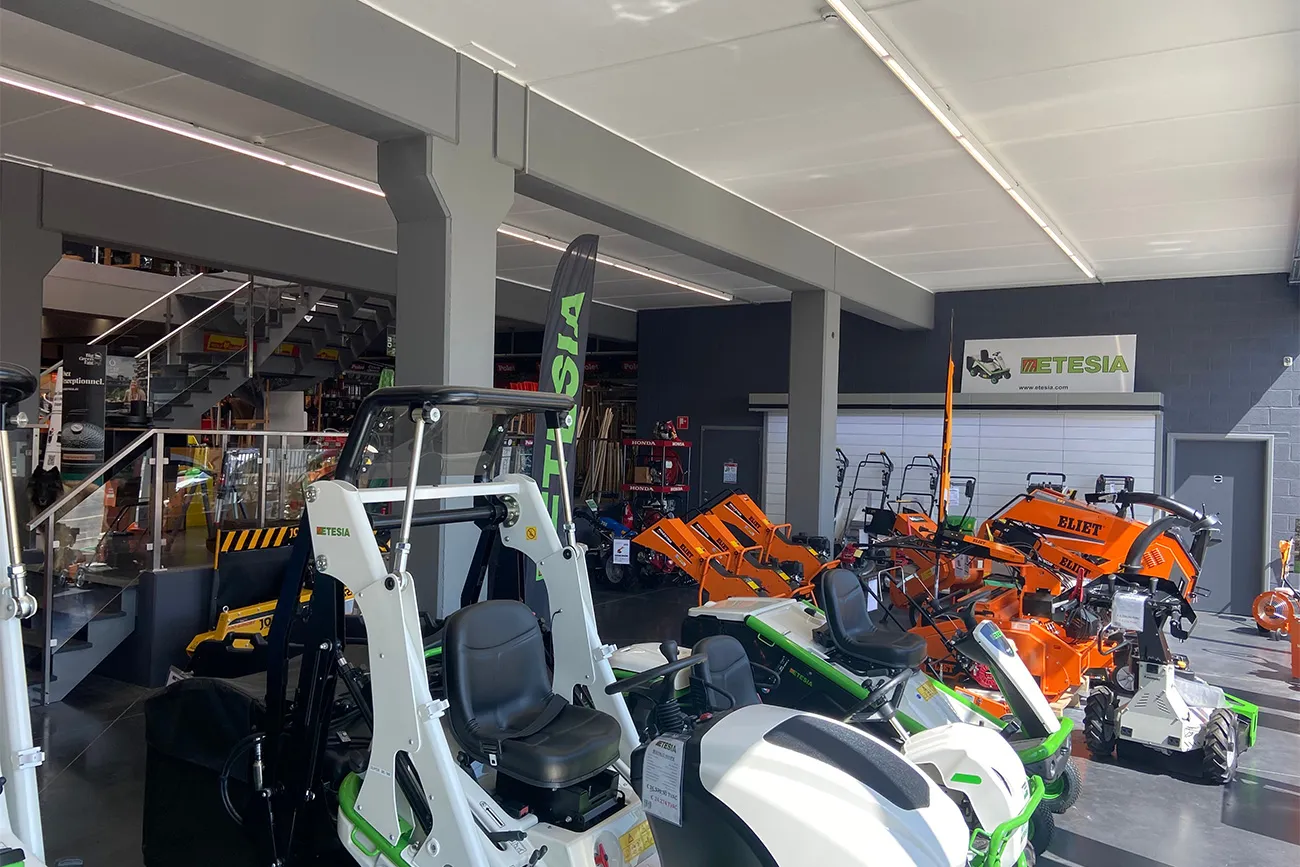
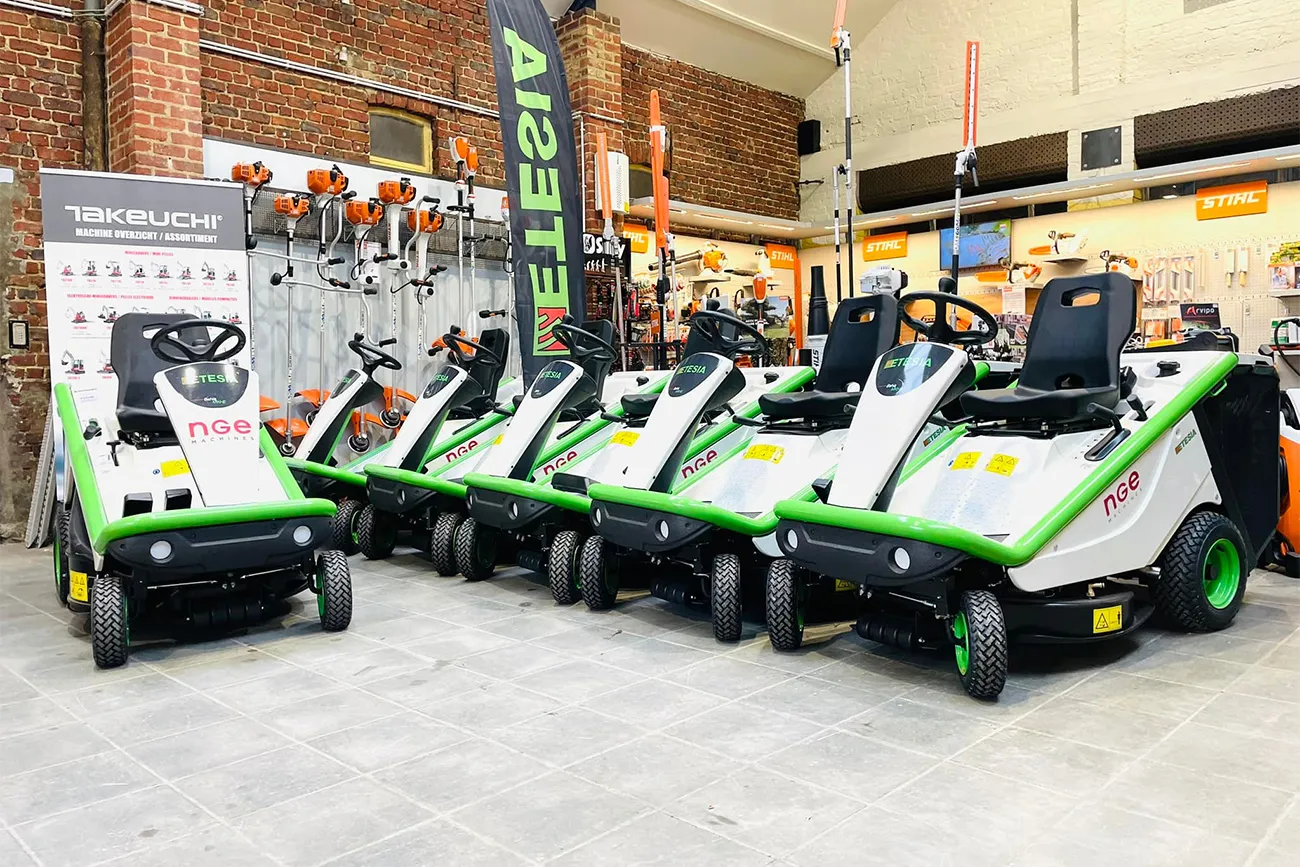
Maxime Detienne, NGE Machines in Ottignies-Louvain-La-Neuve: “Our customer base is more professional than domestic. But it’s true that battery-powered machines are taking a significant share of the market, whether in hedge trimmers, multi-tool systems, grass trimmers or other equipment. Domestic users, who often have a smaller area to mow, clearly appreciate the convenience and ease of a battery-powered lawnmower. Professionals, on the other hand, often have to mow several lawns a day, and in that situation a battery-powered machine can be more limiting. However, some professionals also ask us to install a robotic lawnmower at a customer’s home, so they can focus on tasks that are ultimately more profitable and more closely related to the overall design of outdoor spaces. Robotic lawnmowers’ market share continues to grow year on year compared with walk-behind mowers. One small point to clarify: a robotic lawnmower cannot do everything. It takes care of daily maintenance, but you still need to mow at the beginning and end of the season, tidy the edges and so on. What’s more, consumers can feel a little lost amid the huge range on the market. They do their research online, of course, but often a machine they have spotted in a catalogue matches one or two of their criteria, but not all the critical requirements. This could lead to abnormal wear or disappointing results. After all, you get what you pay for, don’t you? A standard lawnmower costing 300 euros and offering a certain cutting width may not be the best choice compared with a machine that costs three times as much but offers a wider range of capabilities and is much more robust. We do our best to help customers make an informed purchase based on their actual needs. We’re not looking to sell at any cost, but to find the best option for each customer, and above all, to provide after-sales service.”
Biodiversity, delayed mowing and weed control
Charlotte Keymolen: “Encouraging biodiversity is certainly a good thing. But be careful: it’s easy to lose control of the vegetation if you leave everything to grow. The grass gets tougher, and a small lawnmower is no longer enough. Other tools and machines, such as brushcutters, are then needed to tackle the vegetation.
One good approach would be to set aside specific areas to give the garden a more natural, wild feel. But No Mow May can cause quite a bit of damage to conventional lawnmowers: replacement belts, bent crankshafts, and so on. We certainly encourage our customers to protect nature. In fact, that is why we decided several years ago to stop distributing plant protection products, and we offer a wide range of effective manual weeding tools in our shop. Here too, customer advice is important.”
Maxime Detienne: “The ‘No Mow May’ trend, for example, is fairly recent. In these cases, we see people deliberately leaving an area for delayed mowing and using other, more suitable equipment. But they don’t necessarily buy a new machine or a more powerful one for occasional use. We also see, particularly in our ‘outdoor landscaping’ department, increased demand for mini excavators and loaders, which ultimately complements the garden sector. People rediscovering outdoor living are planning more substantial projects, building a pond or swimming pool, renovating part of a patio and, at the same time, creating wilder areas next to the garden.”.
Question about this story? Ask your question
Keep following this
Get an email when a new story is published. No account needed.
- SubjectLawnmowers