Software and digitalisation in the green sector: a slow (r)evolution
Texte Kris Vandekerckhove | Photos All-Connects / Symovisio
Maze or digital dawn?
In this changing world, software and digitalisation play a crucial role in almost every industrial sector. The trend is also making its way into the green sector. Businesses are increasingly using advanced software solutions to streamline their back-office operations. The aim is to improve efficiency, optimise resources and reduce their environmental footprint. Is change happening quickly? Or is the sector taking a more cautious approach? We spoke to several key players moving mountains in digitalisation (and automation).
More efficient (cost) management
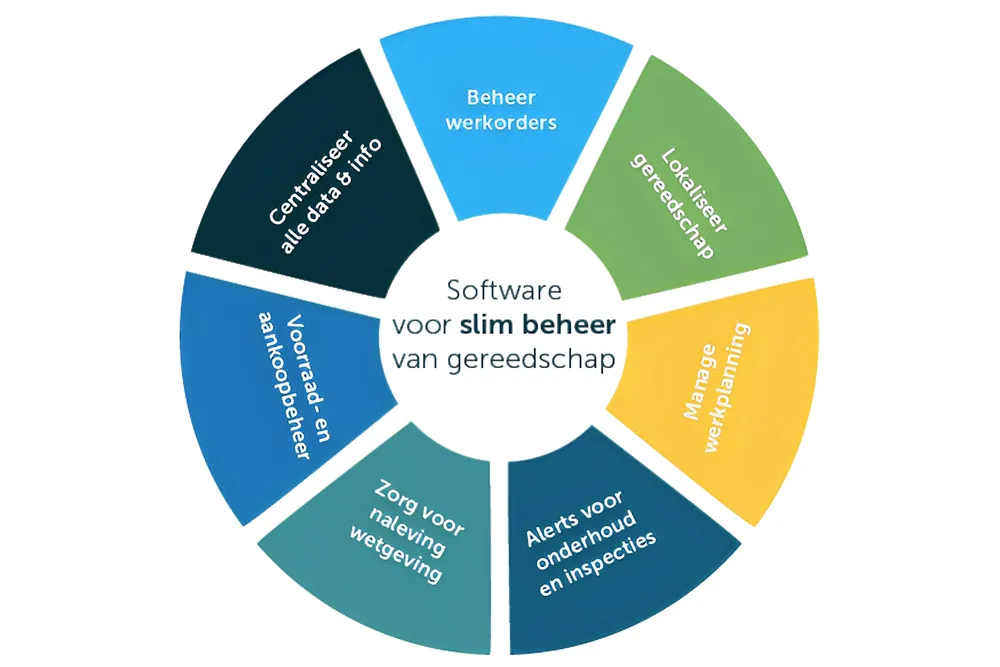
One of the most notable benefits of digitalisation in the green sector is the ability to manage operations more efficiently. Businesses use automated processes to optimise work scheduling, resource management and green-space maintenance. The result is increased productivity, lower operating costs, better resource allocation, … in short, greater profitability.
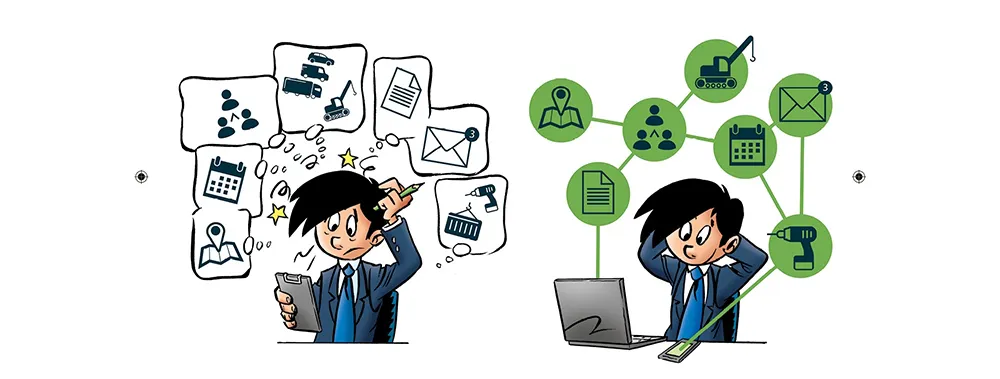
Peter Van Wijnaerde, director brand strategy at Teamleader: “As you probably know, many businesses, large and small, still often use separate back-office programmes, another piece of software such as Outlook or Excel for scheduling, and work orders are scattered here and there. This cumbersome administration can be eliminated by using an integrated programme that manages every aspect of administration, logistics, scheduling, … All the information is then automatically available, usually online and accessible from any device, including a smartphone, and is kept up to date with the latest data. The tedious process of searching for programmes in different places is a thing of the past. The ultimate goal? Spend as little time as possible at your desk and more time doing what you love.”
Digitalisation = automation?
Digitalisation and automation are related concepts that are often used interchangeably. However, they have different meanings and applications in the context of technology and business processes. In short, digitalisation means converting analogue information into digital form, while automation means using technology to automate tasks. The two concepts can be linked because automated processes are often based on digital data, and digitalisation can create more opportunities for automation.
Chris van den Berg, chief commercial officer at FacilityApps: “When it comes to digitalising paper-based processes, examples include digitally signing gardeners’ work schedules, adding photos, providing written reports and scheduling individual tasks. Digitalisation is also increasingly being driven by clients such as cities and municipalities. They are no longer satisfied with a few pieces of paper, signed or unsigned, but want everything properly tracked in digital form, particularly in the event of a dispute. Digitalisation improves efficiency across the entire organisation, and the cost of the transition is generally recouped within a few months.”
“Once a business has gone digital, automation becomes possible. This could include route optimisation, for example, using sensors to measure how full bins are or soil moisture sensors that indicate when trees need watering.”
Cutting CO2 emissions through advanced tracking
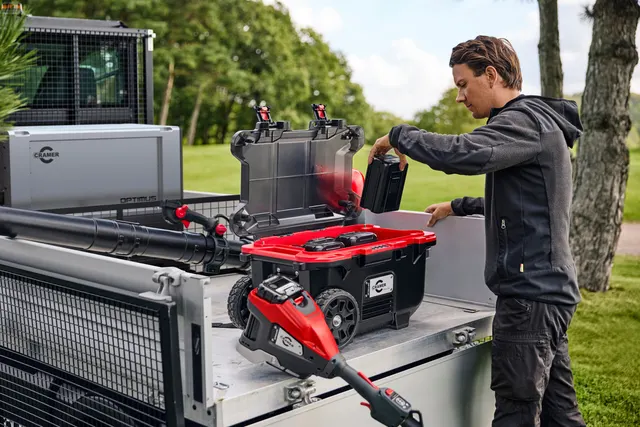
Many businesses in the green sector are adopting hybrid or electric machinery. However, there is still scope for improvement and wider adoption to realise its full potential.
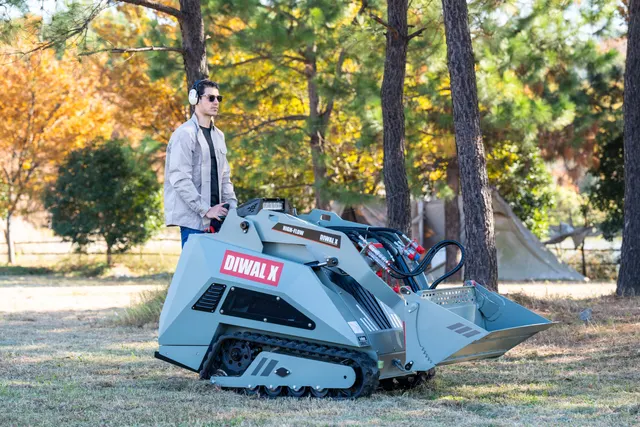
Hilde Lavrijssen, marketing & design at All-Connects nv: “Digitalising business operations with track & trace technology offers significant benefits, such as connecting mobile assets, including machinery and mobile equipment, to a software application. Businesses can then monitor the location, use and maintenance of their assets, leading to more efficient use and cost savings. Drivers are also encouraged to adopt a responsible driving style, which reduces fuel costs and improves the Eco-score by lowering CO2 emissions. The technology also provides an ‘helicopter view’ for strategic decision-making. Maximising asset utilisation by measuring efficiency helps determine the capacity of the machinery fleet.”
From 2D to 3D: is the green sector next after construction?
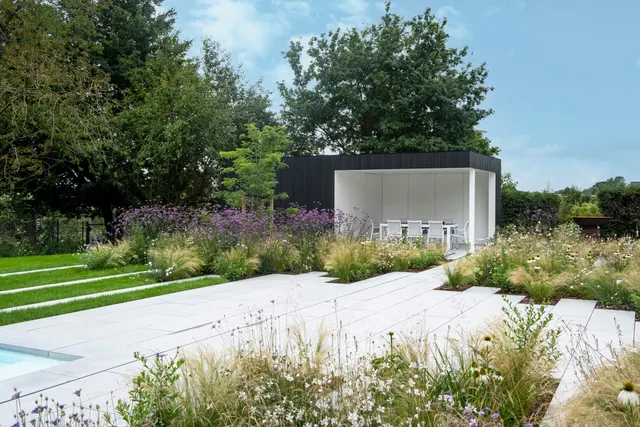
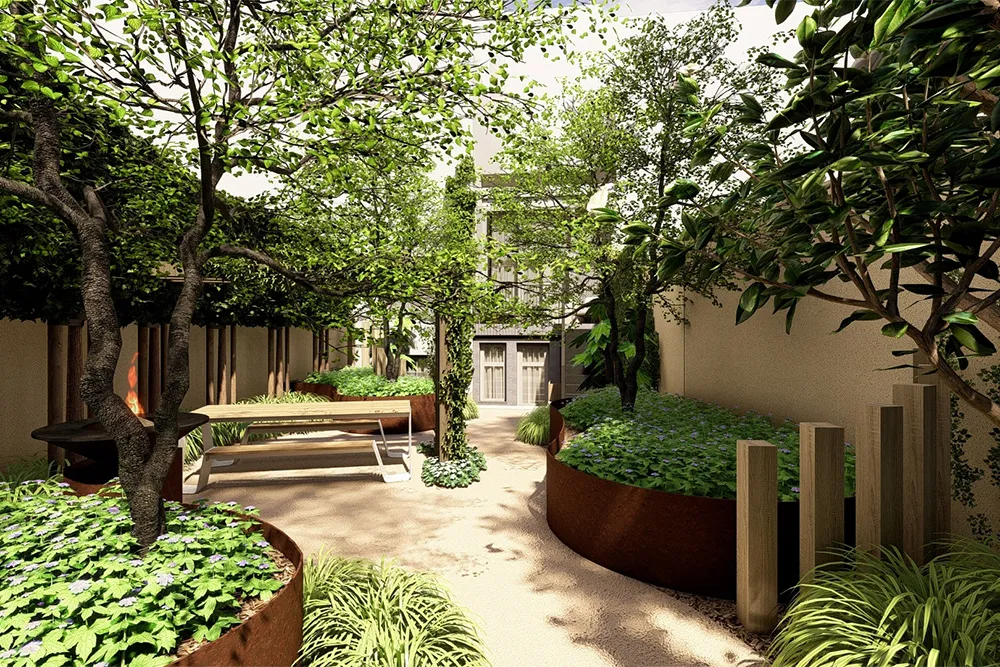
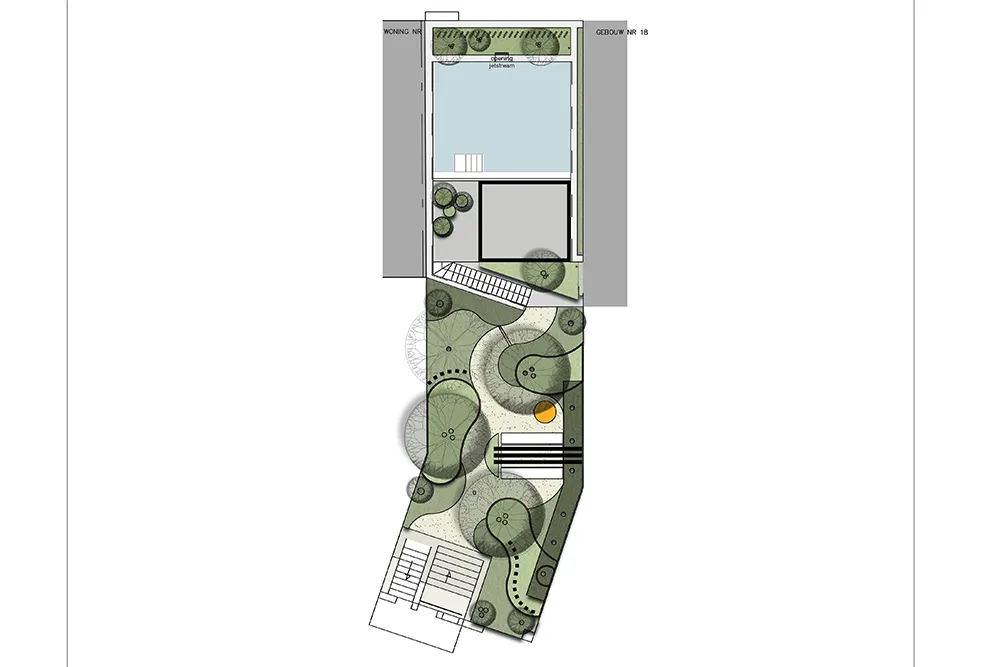
Following the construction sector, where 3D and, by extension, BIM have made significant inroads in almost every field, the growing importance of 3D visualisation in project presentations can no longer be ignored, particularly in landscaping. 3D visualisation is valuable for earning clients’ trust. It improves communication, sparks clients’ imagination, creates a professional image and makes it possible to adapt concepts quickly.
Valerie Symoens, director of Symovisio: “Creating high-quality 3D images takes time, skill and aptitude, so outsourcing is worth considering. It saves time and the results are undoubtedly better, leading to greater client satisfaction.”
“Clients take a greater interest in projects when they have the opportunity to view them in 3D from different angles, which creates a deeper connection with the concept. Presenting a project with 3D images delivers a bigger ‘wow’ factor and makes it more striking and memorable. There is also growing demand for 3D garden visualisations, even while gardens are being built. This helps people understand the project and provides a marketing tool for promoting garden design services, increasing their value and appeal. It’s a win-win!”
A “healthy digital” future for the green sector
In summary, digitalisation and the automation that goes with it can usher the green sector into a new era of efficiency and sustainability. The result is cost savings, better collaboration and support for environmentally friendly measures. However, the process is better described as gradual development than radical upheaval. As the digital transformation continues, those who embrace it will reap the rewards and be better placed to meet the challenges of a changing world. That much is certain!
Question about this story? Ask your question
Keep following this
Get an email when a new story is published. No account needed.
- ThemeElectrifying and automating worksites
- SubjectNews