Stricter emission standards for diesel engines on the horizon
As part of the drive for a cleaner environment and better air quality, Europe is setting guidelines for making engines greener. Under the EU’s new Stage V emissions requirements, a phase-out period was intended to begin in June 2020 for diesel engines between 25 and 50 hp. But the coronavirus crisis has thrown a spanner in the works. The stricter emissions requirements take effect on 1 January 2022, meaning that polluting engines will no longer be allowed to be sold. Frank Thomas, co-director of Thomas bvba, explains the impact on the use of agricultural machinery, wood chippers and professional lawnmowers.
Thomas bvba is a well-known name in Flemish Brabant for the supply of agricultural machinery. With ambitions to diversify, the company also operates in the garden and park sector across Belgium and Luxembourg. Its customer base is highly varied: farmers are of course a key target group, but local authorities, landscaping contractors, and managers of sports centres and golf courses can also find a wide range of tractors, mowers and other machinery at Thomas bvba.
Growing demand for environmentally friendly maintenance machinery
In recent years, Frank Thomas has seen growing customer demand for environmentally friendly machinery, with or without a hybrid engine. In his view, this is no coincidence: « In Europe, rules on emissions standards are becoming increasingly strict. An EU regulation introducing stricter requirements for polluting diesel engines rated between 25 and 50 horsepower means that more and more suppliers and end customers are becoming aware of the changes that need to be made. The European Stage V emissions standard is certainly creating an exciting new landscape for the future. »
New features in diesel engines
« A stricter emissions standard was already in place for diesel engines above 50 hp. Suppliers had known for some time about the new regulations for smaller engines, which are widely used in garden and park machinery. This gave them the opportunity to introduce other innovations across their machinery ranges. For example, it is striking how engines are becoming more fuel-efficient while retaining at least the same power. More power can be obtained from a litre of fuel. This is due in part to electronic control of the fuel pump, in other words, higher injection pressure. However, this does require clean diesel fuel. This control system also allows manufacturers to incorporate other features that improve comfort and efficiency. For example, hydrostatic transmission now enables the control pedal to communicate more effectively with the engine. »
Petrol engines as an interesting alternative
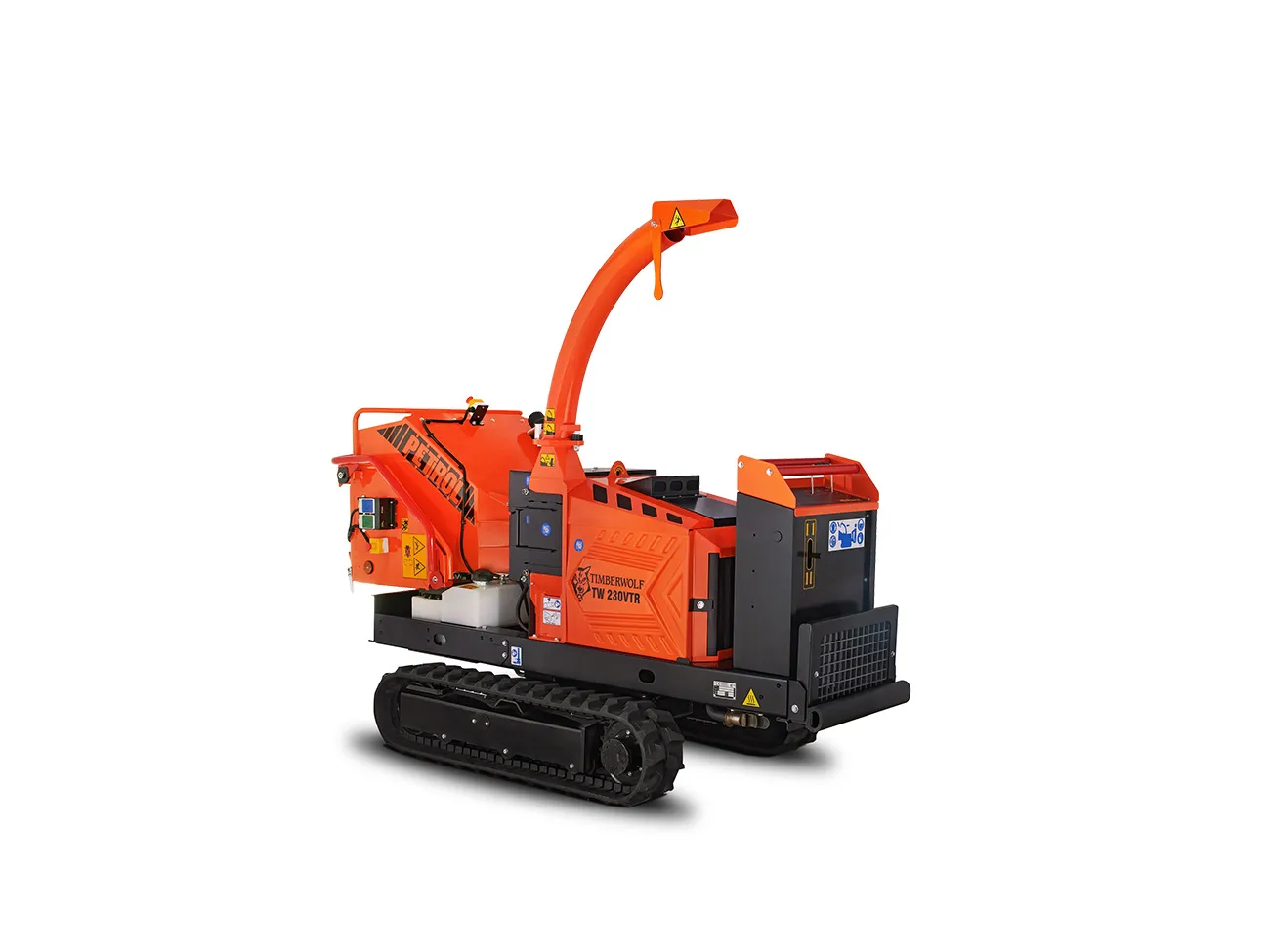
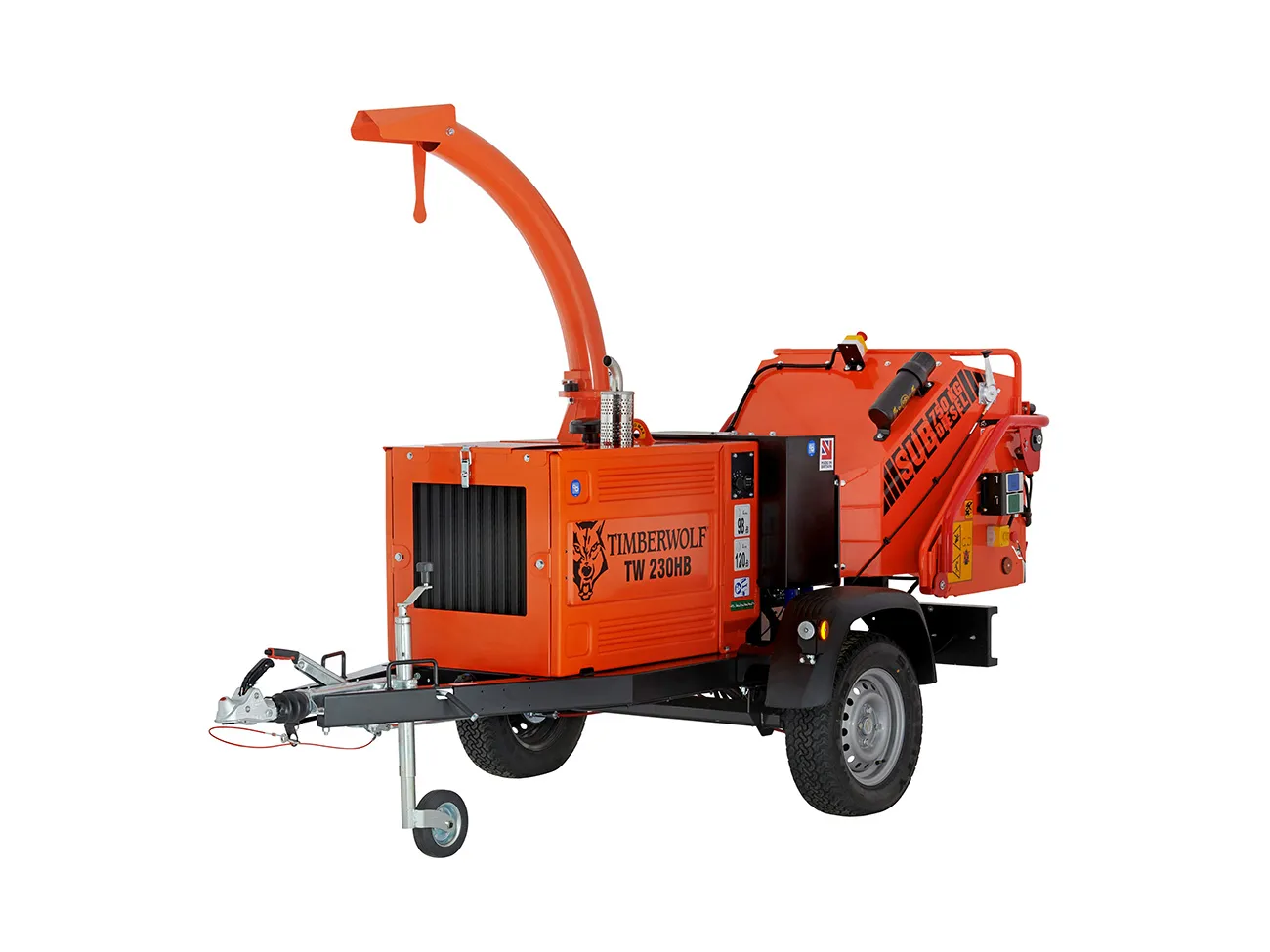
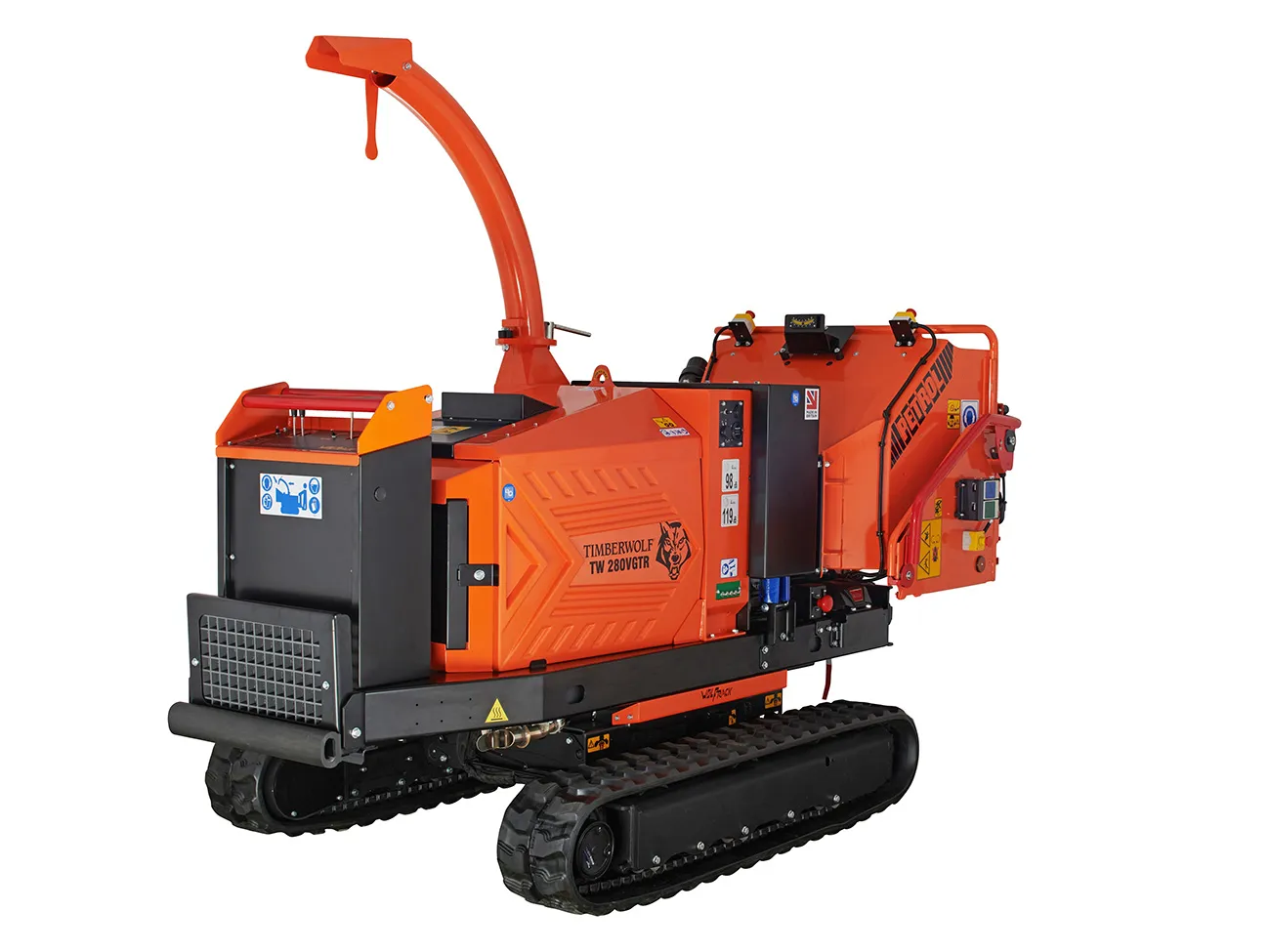
Frank Thomas sees petrol engines as an interesting alternative to diesel. « First, we are finding that diesel engines below 25 hp can deliver surprisingly high power in our wood chippers, thanks to a different transmission and clever tuning of the anti-stress system. Today’s heavy-duty industrial petrol engines are nothing like the lawnmower engines of old. They offer some clear advantages over diesel engines, including lower emissions, less noise, and therefore greater user comfort, a lighter engine construction, with aluminium rather than a cast-iron block as in a diesel engine, and a lighter chassis, resulting in less vibration and ground pressure. We owe some of the development of these modern, high-performance petrol engines to American manufacturers, because in some states surprisingly low emissions standards for agricultural and horticultural machinery are already in force, well ahead of the rules here. » he explains.
Question about this story? Ask your question
Keep following this
Get an email when a new story is published. No account needed.
- SubjectProducts