Turn green waste into valuable composting material
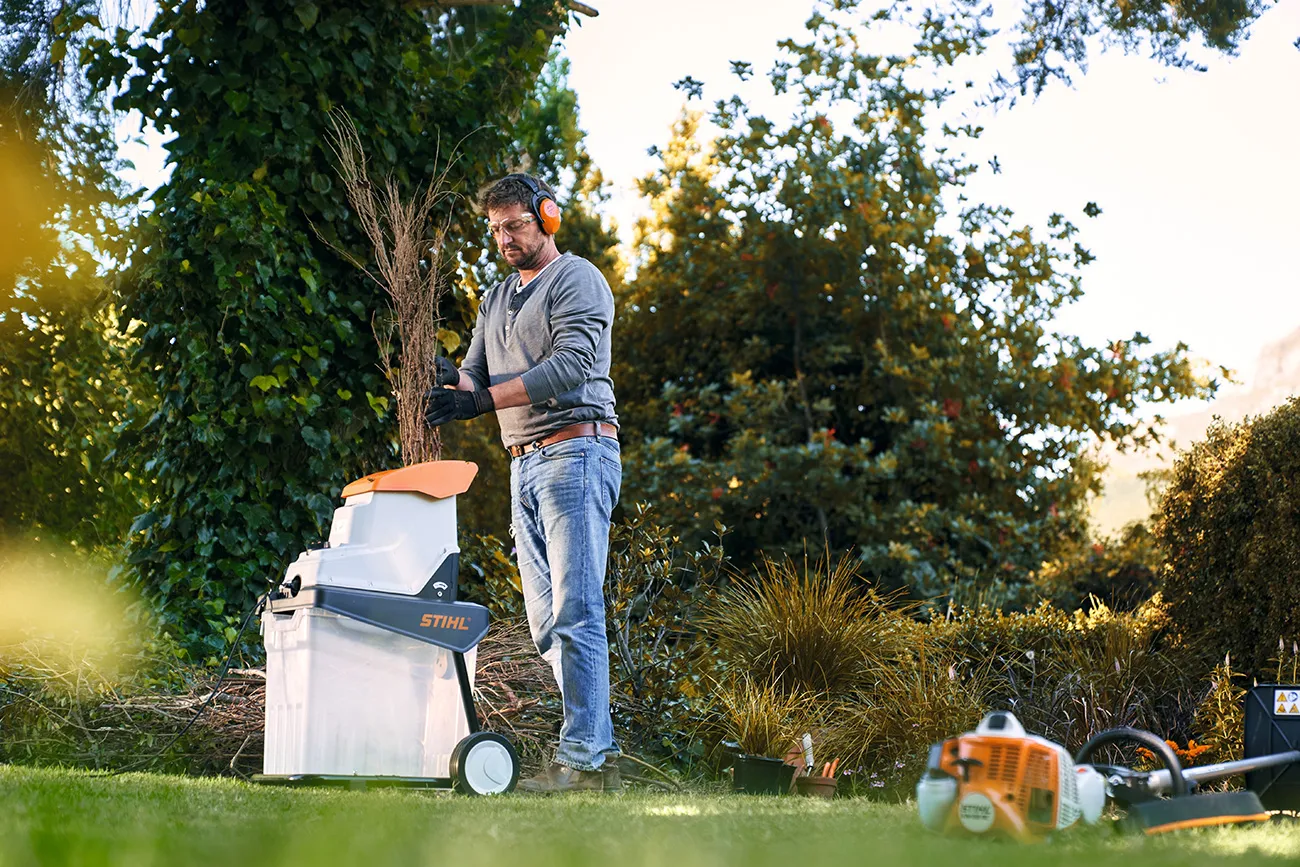
Garden maintenance involves pruning to encourage flowering. But all that pruning creates a lot of garden waste. Of course, you can take the pile of twigs, branches and other plant matter to the recycling centre. But wouldn’t it be better and more sustainable to make good use of this green waste and turn it into valuable composting material? All you need is a powerful, compact and safe shredder. You’ll find one easily in STIHL’s extensive range.
Experienced gardeners need no convincing about the benefits of shredding. For professionals, a garden shredder or wood chipper is an essential part of their equipment. Shredding garden waste not only makes work in forests, parks and gardens easier, it is also a sustainable way to process waste. Bulky branches and twigs are significantly reduced in size, making them easier to dispose of. The shredded material also provides a valuable base for mulch and compost, which supply essential nutrients to the soil.
A wide range of solutions
A shredder processes all the organic material generated when working in green spaces. We distinguish between hard and soft materials. Hard materials include branches, twigs and hedge clippings. Soft materials include leaves, grass clippings and other plant waste. Fruit and vegetable scraps are unsuitable for shredding because the acids they contain can damage the machine. STIHL offers a wide range of shredders, so you can choose the model that best suits your own preferences and needs.
How to choose a shredder
What should you consider when choosing a garden shredder? The type and quantity of material to be shredded are obviously important factors. Do you need to process hedge clippings and heavier branches? Then opt for a powerful petrol shredder. Are you mainly dealing with a mix of materials, including leaves, green waste and fine twigs? In that case, an electric machine with no emissions is an appealing choice. STIHL also offers more powerful electric models.
Whether or not there is a mains electricity connection will also determine whether you choose a petrol or electric shredder. Do you work in a noise-sensitive environment? Then it is best to choose a wood chipper with a sound-insulated hopper or, better still, a quiet roller shredder. STIHL also offers a wide range of these models.
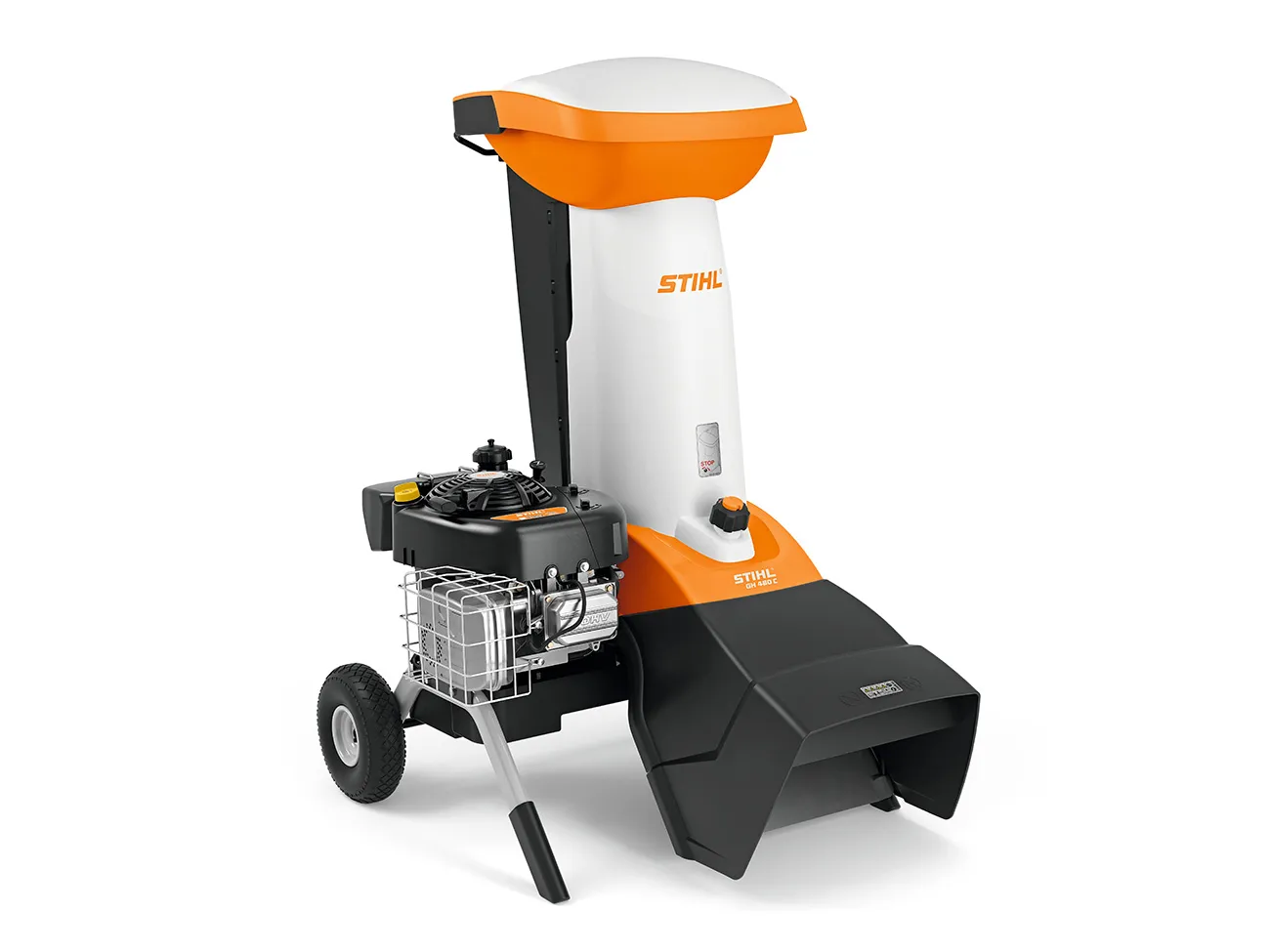
A few featured models
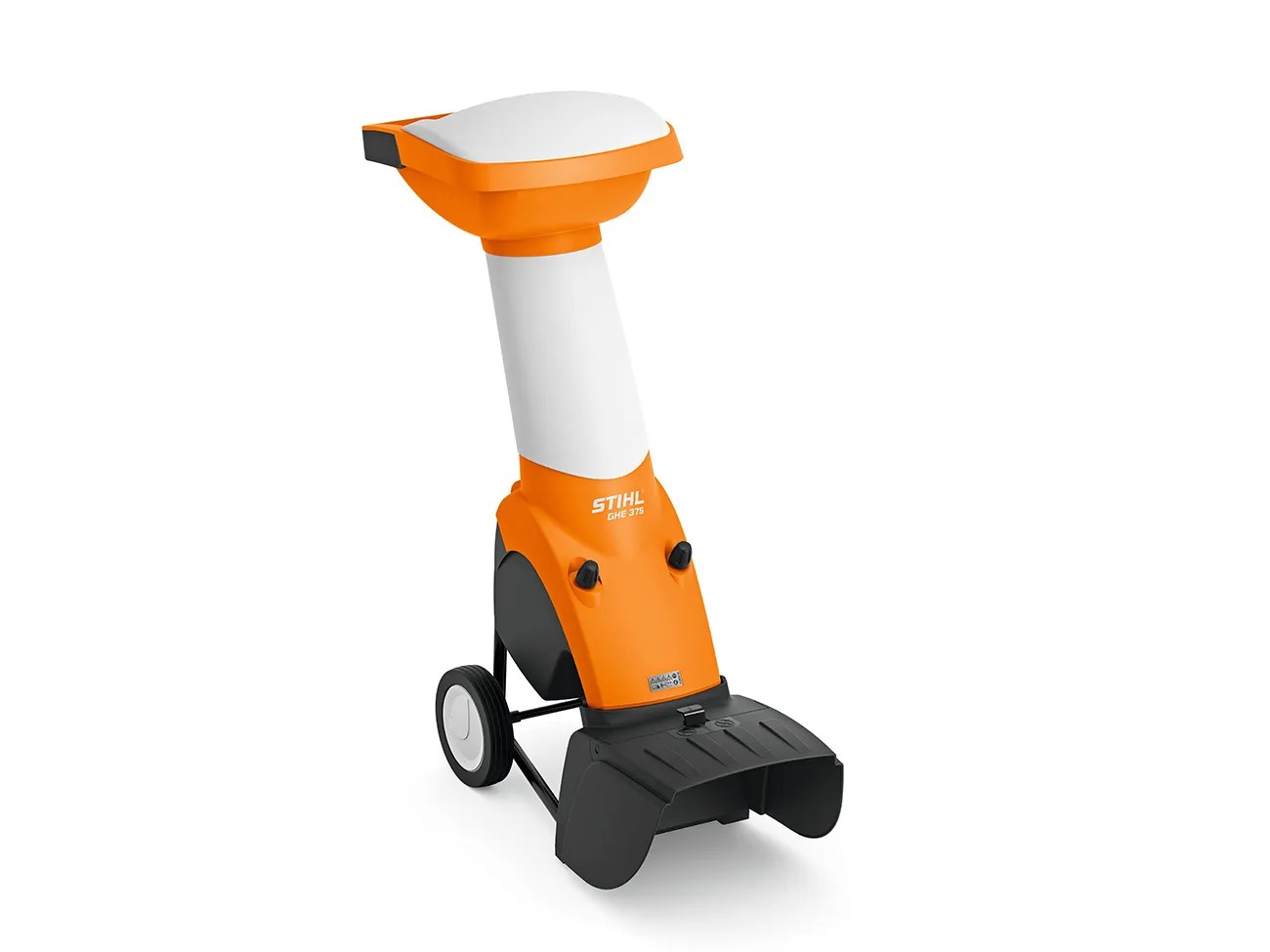
The balance between mixed and hard waste therefore plays an important role when choosing a machine. Do you only want to shred hard materials such as branches and twigs? Then the STIHL GHE 140 L electric garden shredder is ideal for you. Do you also have a similar volume of mixed waste, such as leaves, fine twigs and flower cuttings? In that case, choose the GHE 375 electric garden shredder, for example, which can handle both types. For very large quantities of tough and mixed garden waste, we recommend the STIHL GH 460 C petrol shredder, a robust machine built for long-term use.
Unique advantages
Whichever STIHL shredder you choose, you can always rely on an easy-to-use, compact solution. What’s more, every machine comes with a sound-insulated hopper that minimises noise during shredding.
STIHL shredders equipped with the 2-chamber system and reverse technology offer even more. The two-chamber system allows you to feed harder branches and softer green waste into the machine at the same time. Each chamber has its own blades, ensuring that the material is processed particularly efficiently.
On a STIHL shredder equipped with reverse technology, you can change the direction of rotation of the blades at the touch of a button. When the blades rotate clockwise, they shred harder materials such as wood and branches. When they rotate anticlockwise, the blades process softer garden waste for composting. Matching the direction to the material being shredded helps protect the blades.
Question about this story? Ask your question
Keep following this
Get an email when a new story is published. No account needed.
- ThemeDesigning living landscapes
- SubjectProducts