The City of Namur is taking action to preserve and expand its magnificent green spaces
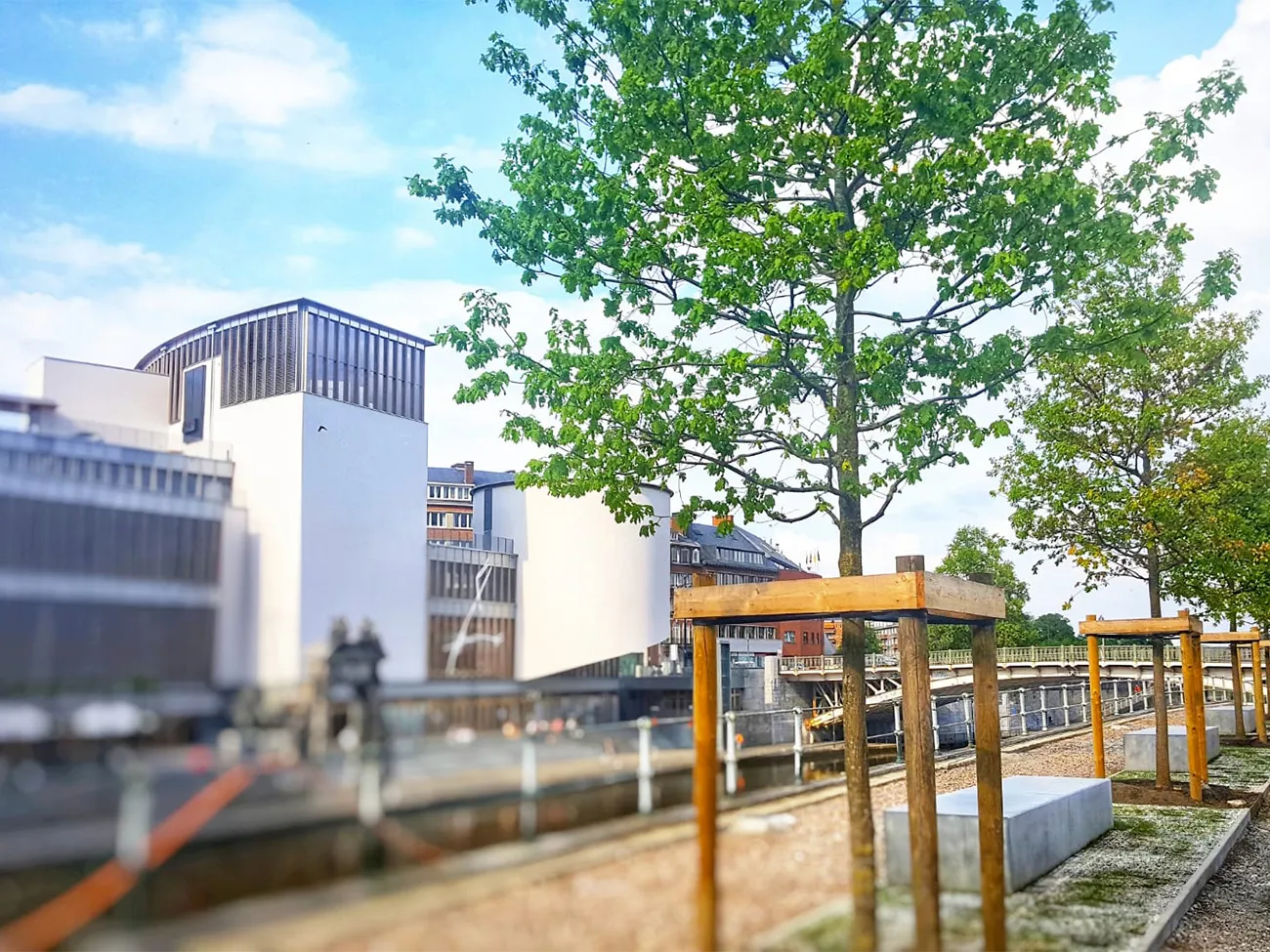
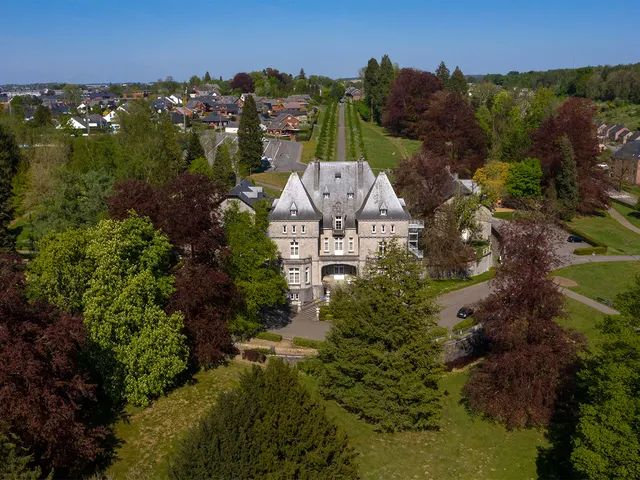
Namur, the capital of Wallonia, is rich in green spaces of every kind: woods and copses, forests, parks, orchards… spread across the 176 square kilometres of its territory.
In the face of climate change and the vertiginous loss of biodiversity, the Nature and Green Spaces Department works every day to conserve and expand the city’s vegetation cover. Numerous initiatives aim to protect this precious heritage, including a zero-pesticide policy, the creation of flower-filled parks, delayed mowing and the revival of old horticultural varieties. But since the start of the current term, the approach has gone further, much further. Charlotte Mouget, Alderman for the Ecological Transition, outlines the main pillars of her beautiful city’s green policy.
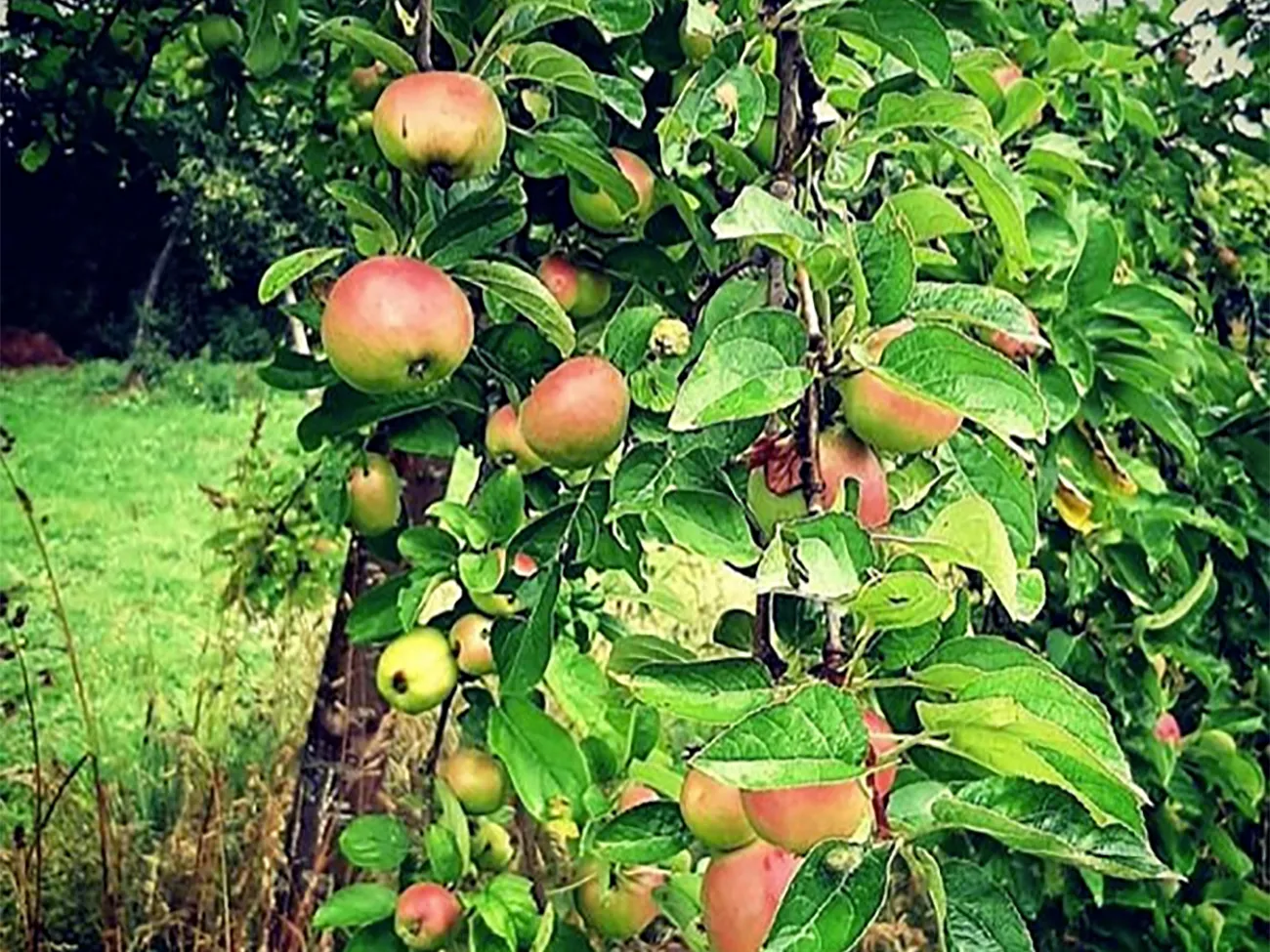
A coordinated, cross-departmental greening plan
A cross-departmental greening plan has been drawn up in collaboration with all the city’s departments. Its aim is to coordinate all the steps involved in developing a detailed strategy to conserve and improve vegetation cover. Effective protection starts with good knowledge. A comprehensive map of green spaces is therefore being compiled. The health of every tree is assessed and recorded in a database directly linked to a mapping tool, alongside all the information needed to plan future conservation measures effectively and avoid unnecessary felling.
Increased vigilance
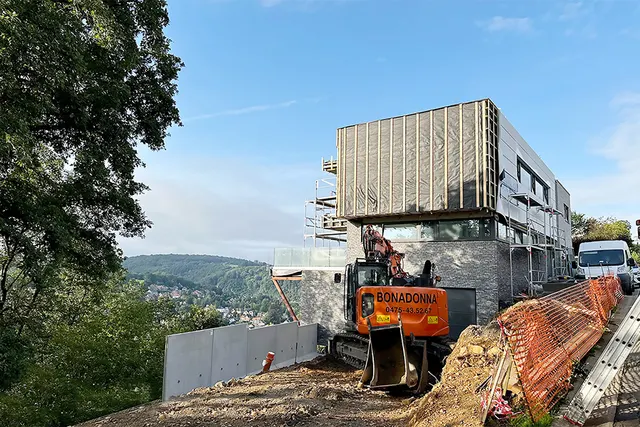
The City of Namur takes a vigilant approach to requests to extend, alter or build on private land. Where vegetation is affected, permit applications are carefully assessed by officers from the Nature and Green Spaces Department. If their recommendations are favourable, they always come with conditions to compensate for the impact, at a minimum by replacing each tree felled with a new one, and, where possible, to increase vegetation cover. This is also set out in the city’s cross-departmental strategic plan, submitted to the supervisory authority. The recommendations now also include formal guidance on preserving existing vegetation on future building sites. Failure to comply with the requirements may lead to work being suspended. Every new large-scale property development must also set aside at least 10% of its area for green spaces. The city has also stipulated that two major upcoming projects must follow a “park living” approach.
Reclaiming public space
Cars are already banned from parts of the city’s historic centre. The city is also considering extending the pedestrianised area in the centre. This will involve redesigning public spaces and, in particular, planting trees. However, the ground is criss-crossed by utility infrastructure, including pressurised water pipes and gas pipes. This is a delicate operation. A map of underground infrastructure is therefore being drawn up to prevent problems and unnecessary costs. It will help identify potential sites for new tree planting. In the city centre, Namur’s status as a “flowering city” naturally informs plans to enhance its orange-tree planters and flower beds. However, the city is going further by increasing the number of native and bee-friendly species.
In peri-urban and rural areas, a vulnerability survey that is nearing completion will help inform measures to combat the effects of climate change. One project to plant hedgerows in agricultural areas aims to create a barrier against flooding and mudslides.
The Canopy Plan
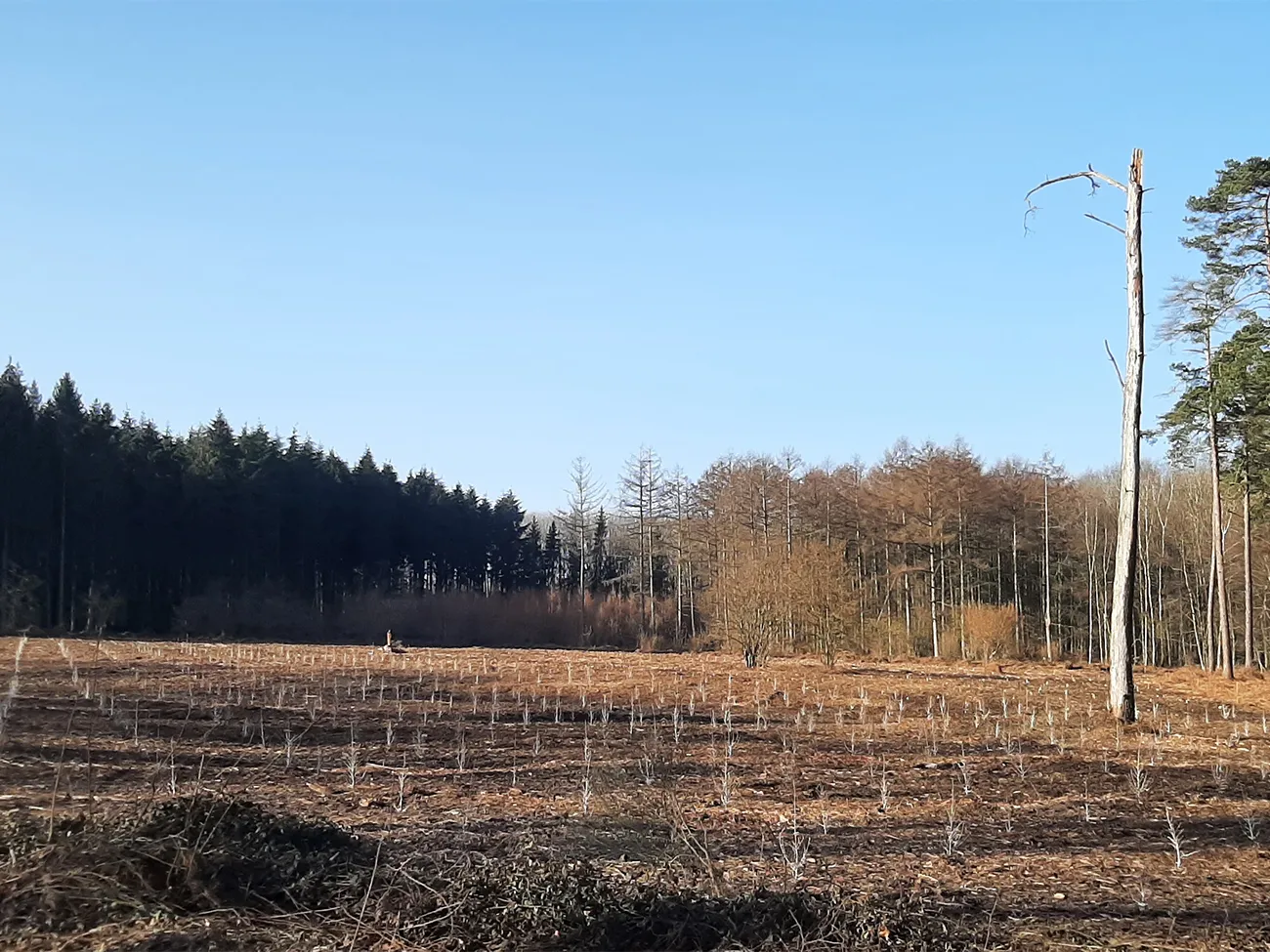
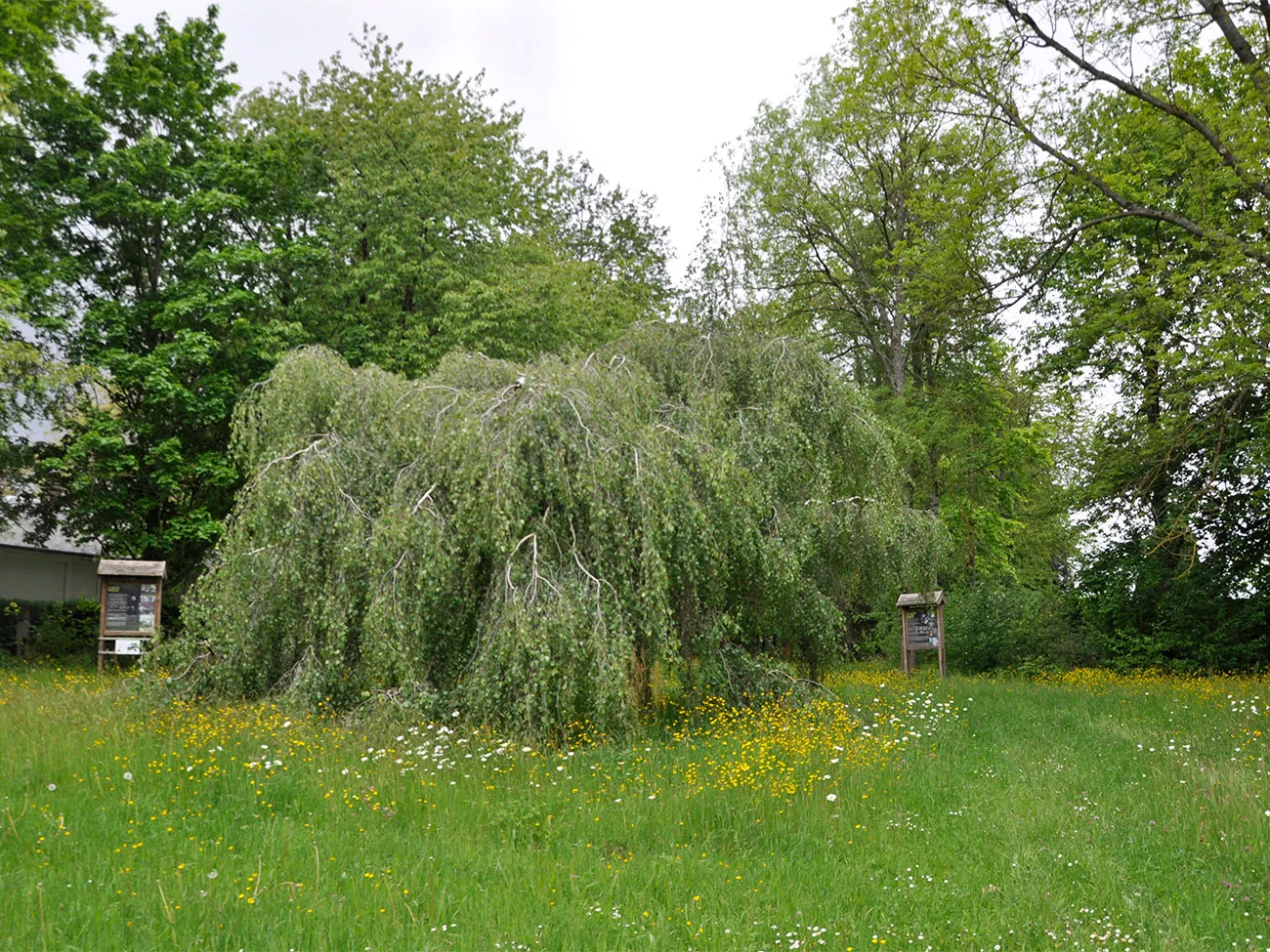
Ten thousand trees will be planted by 2030, following an analysis of needs and ideal planting conditions. The aim is not to plant at random, but to take a coordinated approach. Along the same lines, the forest management plan sets out the main priorities for promoting sustainable forest management over a 30-year period. Some sites will be designated as permanent reserves. It is worth noting that at least 3,500 larch and Scots pine saplings were planted last autumn, while the 2020 figures, with 380 trees planted and 50 felled, are undoubtedly very favourable.

Two pilot urban park projects
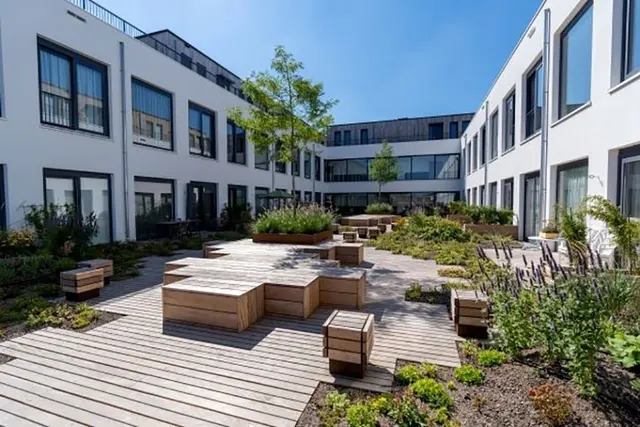
The first is in the “quartier des casernes”. The site will accommodate 130 homes next to a 3,500-square-metre park open to the public. It will feature mature trees, a fountain, gardens in the centre of the block, community allotments and rooftop urban farming, and will be home to Namur’s first covered market dedicated to local producers.
The second project, provisionally named “parc des Dames Blanches”, takes its name from the street where it is located. This flagship project is truly unusual: it is being co-designed and co-drawn by a panel of citizens, with no involvement from elected representatives. The City of Namur will redevelop a 7,000-square-metre site in the city centre, purchased from the Communauté française, and demolish the former school buildings on the site. The draft design includes a play area, a kiosk, a dry fountain, a drinking fountain, an orchard and a natural barrier.
Both projects are expected to be completed in 2024. Namur clearly aspires to be a city of flowers and trees, and is taking real action to achieve its environmental ambitions. A visit to the city and its many green spaces is, and will remain, a welcome breath of fresh air, offering visitors the chance to recharge and revitalise amid nature and greener urban surroundings.
Question about this story? Ask your question
Keep following this
Get an email when a new story is published. No account needed.
- ThemeDesigning living landscapes
- SubjectProjects