It’s a commitment that never lets up
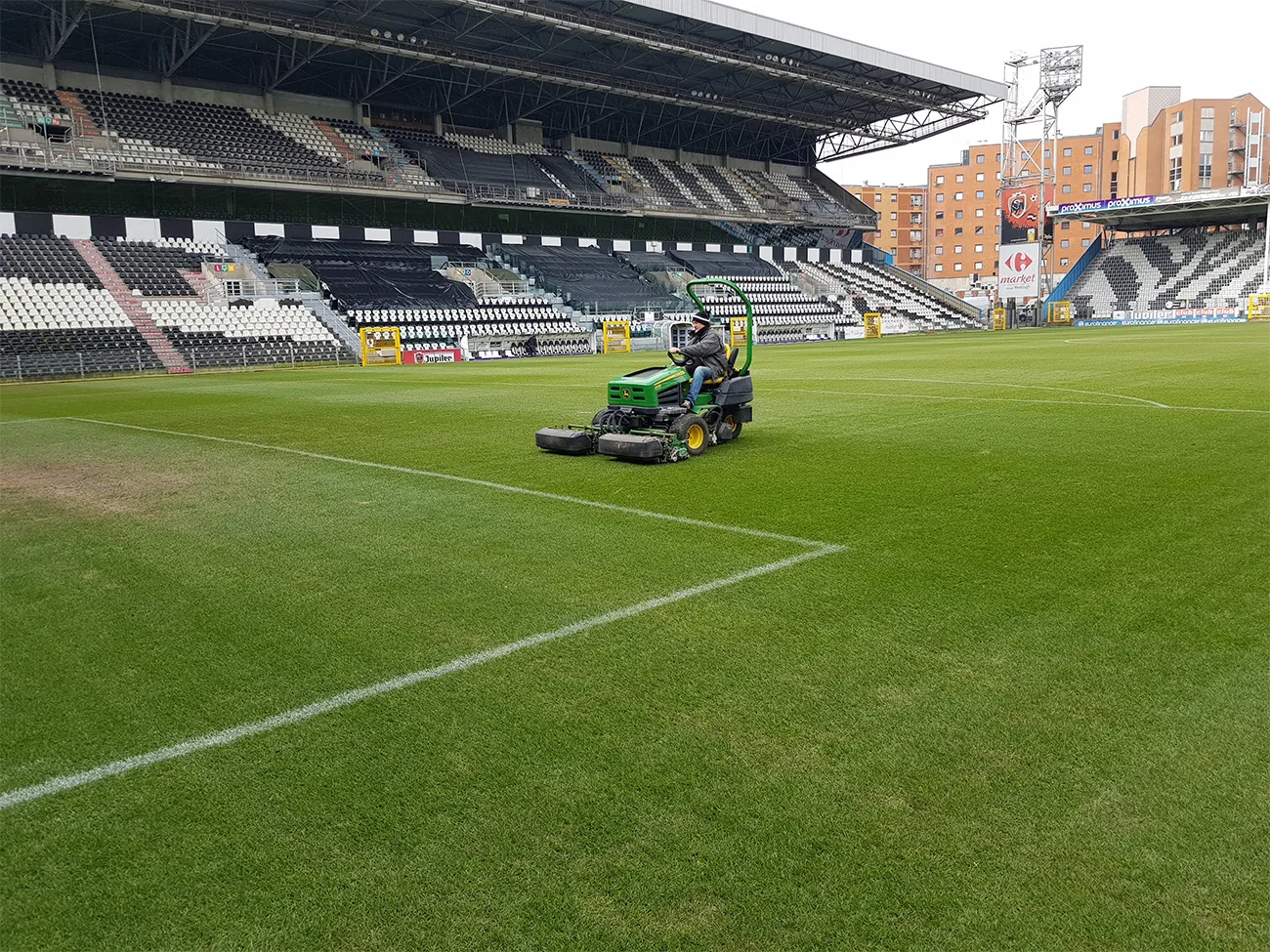
Keeping a sports pitch in perfect condition
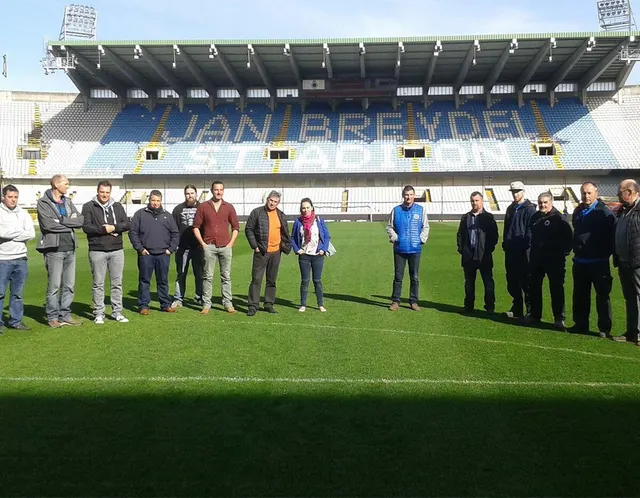
Around the world, passion for and enthusiasm about sporting feats on football pitches remain undimmed. Football is undoubtedly the most widely covered sport there is. Television broadcasts have built a loyal following among an incredible audience of spectators, who share the excitement as they watch two teams battle for control of the ball on a perfectly maintained pitch, ensuring the match can go ahead as planned. But do we really know what it takes to maintain this magnificent playing surface? Aimé L’hermite, greenkeeper at Royal Sporting Club de Charleroi, talks about the day-to-day challenges.
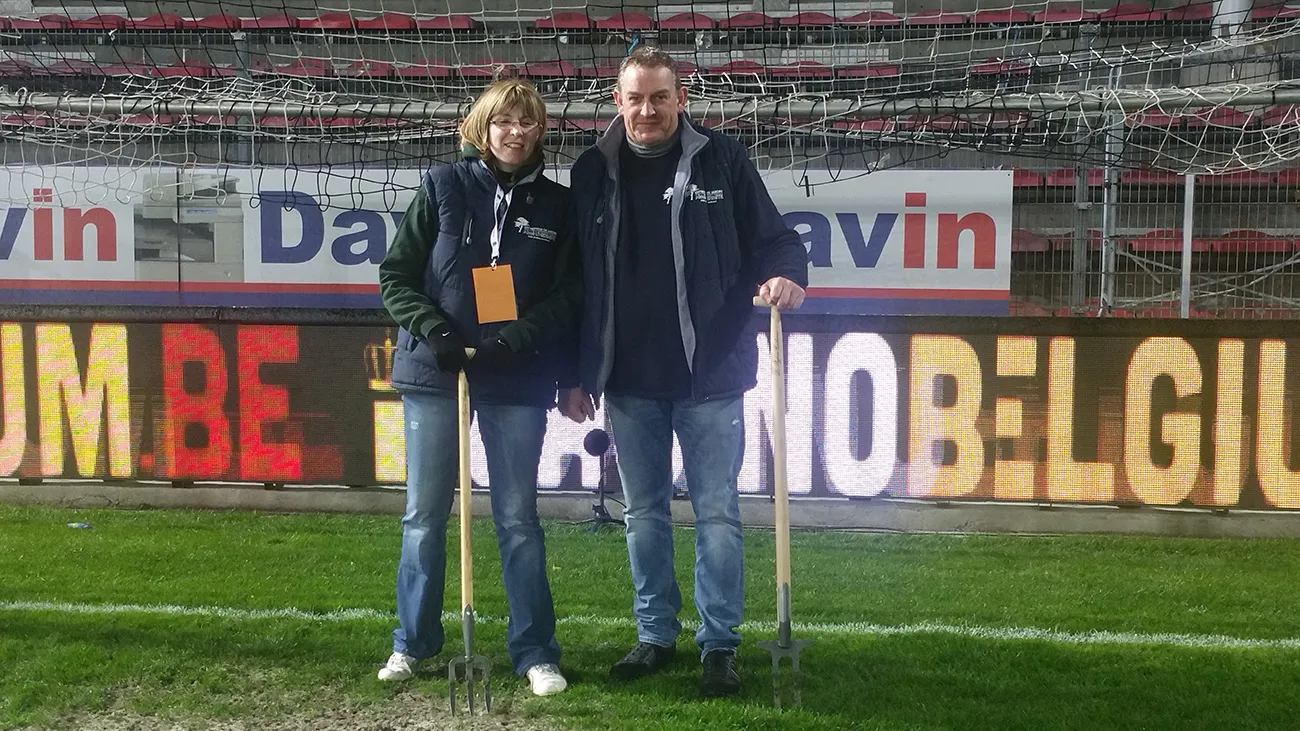
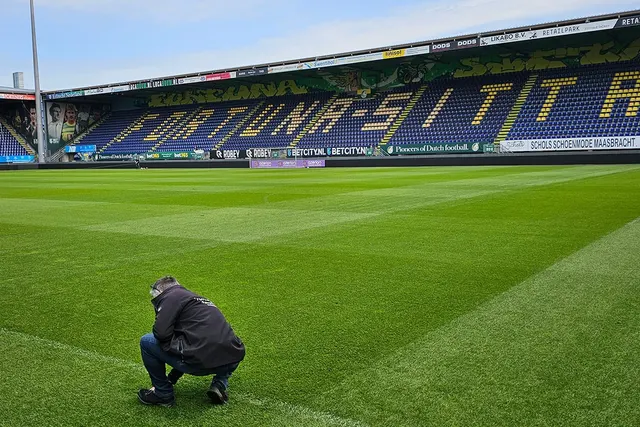
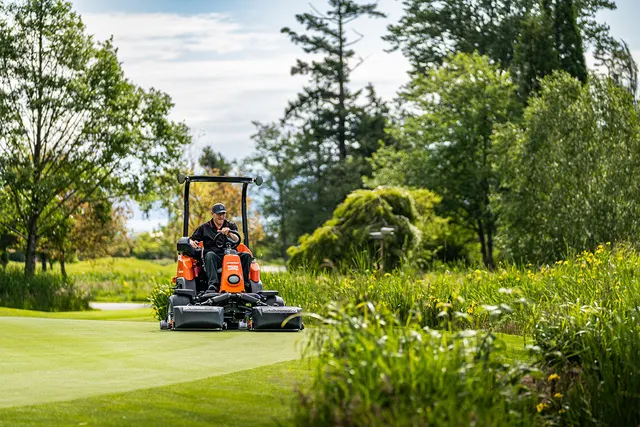
The term “greenkeeper”, or grounds manager, has its roots in golf. It refers to the golf course’s technical manager, who organises the work of the gardeners and manages the course maintenance budget. By extension, however, the term “greenkeeper” has come to cover the maintenance of football pitches too. From mowing and scarifying the turf to overseeding, a greenkeeper’s list of duties is a long one. And the standards to be met are strict. Before a match, the pitch must be immaculate.
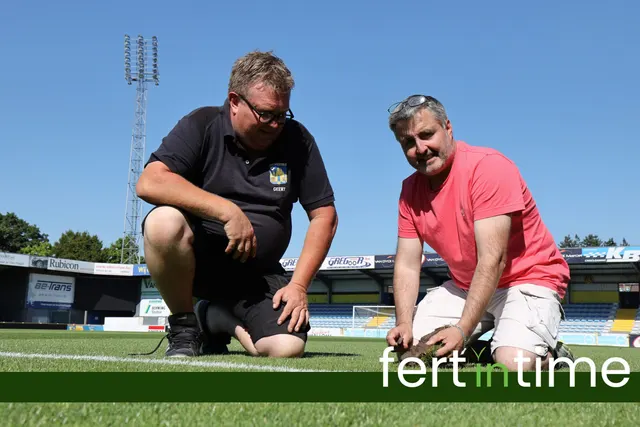
“As a greenkeeper, I work 6 days out of 7 at Royal Sporting Club de Charleroi, where I organise mowing, turfing and seeding. I look after the pitch at the stadium, as well as the training centre in Marcinelle. The latter, for example, is used every day for training. So it has to be mown daily, divots need to be replaced, fertiliser spread and turf returned to its place. Two people look after the Marcinelle centre, while I focus on maintaining the stadium pitch,” says Aimé L’hermite. “Generally, the fixture list, with home and away games, means we have a little less than a week to prepare the pitch for the next match,” he says.
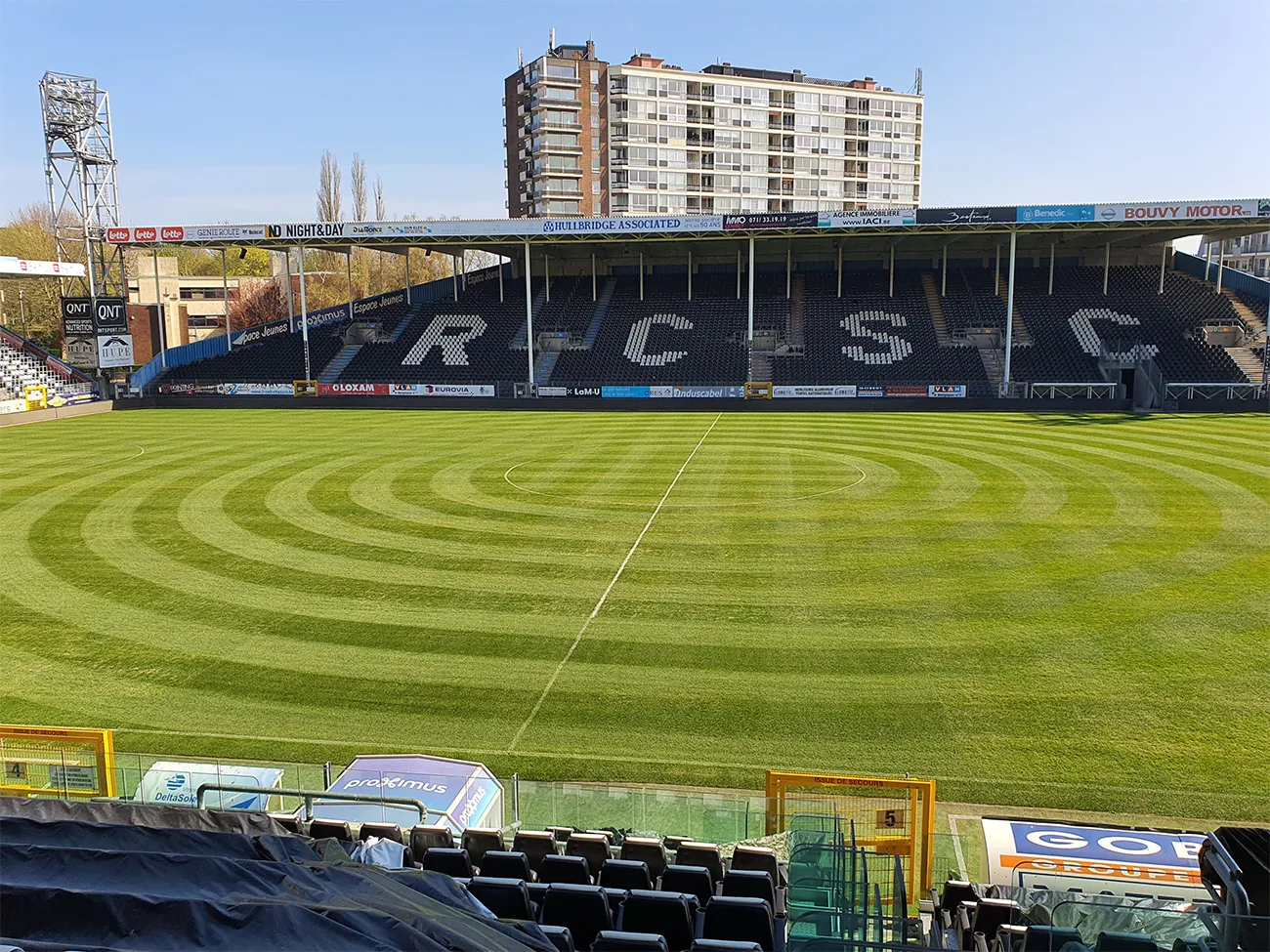
Summer or winter: making the most of conditions
First and foremost, the ban on plant protection products has made things more difficult. “There’s no miracle product, but we manage. So far, we’ve been fairly lucky with disease. The impact of the weather and periods of extreme heat? Well, in summer we juggle with the heat just as we juggle with the cold in winter. All the pitches have automatic irrigation, but I prefer to manage it according to the weather conditions at the time. And in winter, the fact that the pitch has no undersoil heating is another factor to consider. It makes maintenance more difficult. We have to admit that we aren’t as well equipped in Belgium as our colleagues in England, for example. The budgets are very different, by a long way, but we make an effort to do a little more each year,” admits Aimé L’hermite. There is no doubt that his thirty years of experience maintaining green spaces are a real asset in meeting every challenge.
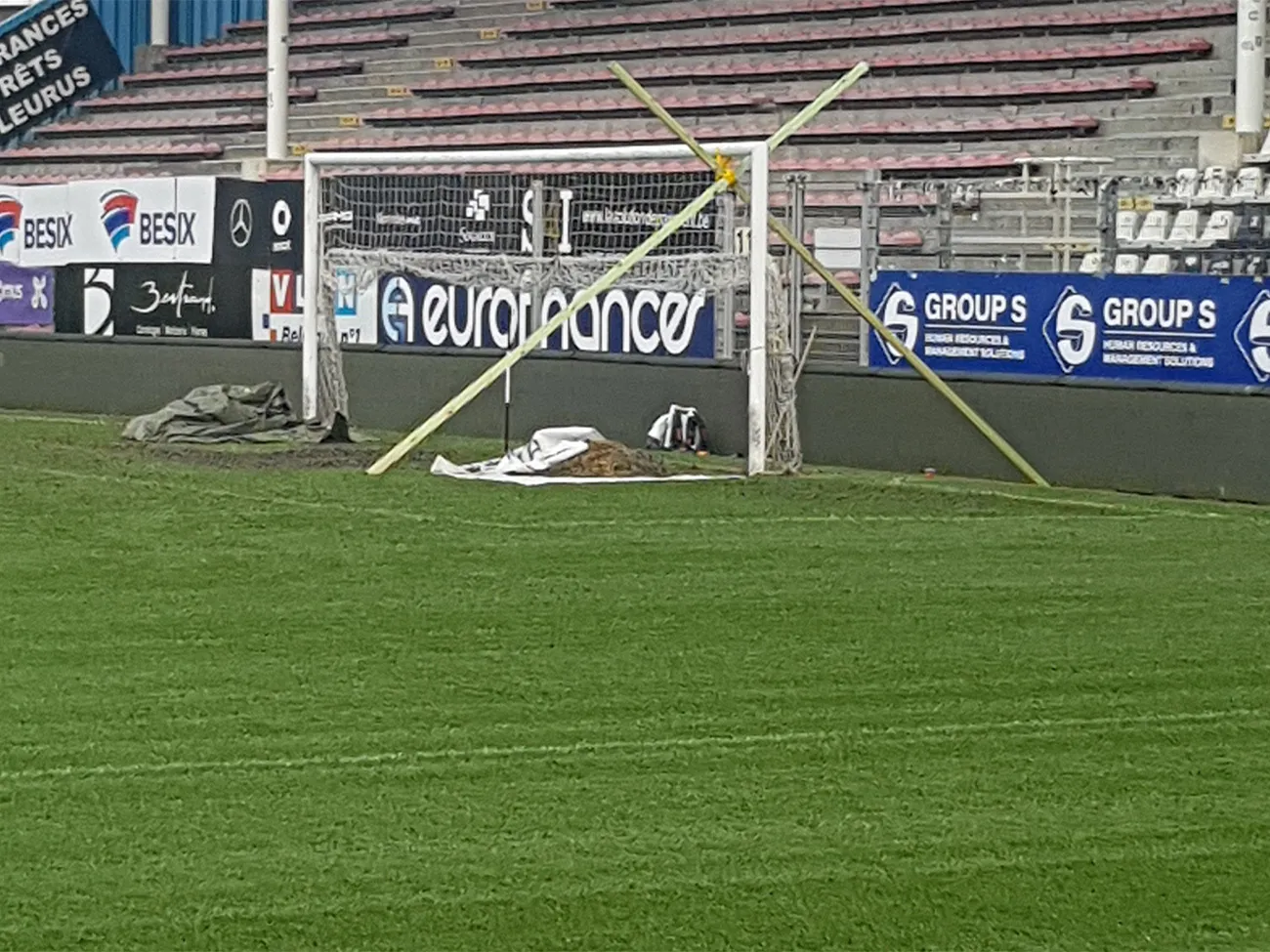
A quiet day on match day?
“A good football match also means tufts of turf flying here and there as the game progresses. That’s why we get to work at half-time. We do our best to replace the divots and repair any damaged areas. We prepare pre-germinated seed a few days in advance so we’re ready for this. And after the match, the pitch needs attention straight away too. In short, the work never stops,” concludes Aimé L’hermite.
Question about this story? Ask your question
Keep following this
Get an email when a new story is published. No account needed.
- ThemeMaintaining lawns and sports grounds
- SubjectSport & golf