Infiltration as a weapon against drought
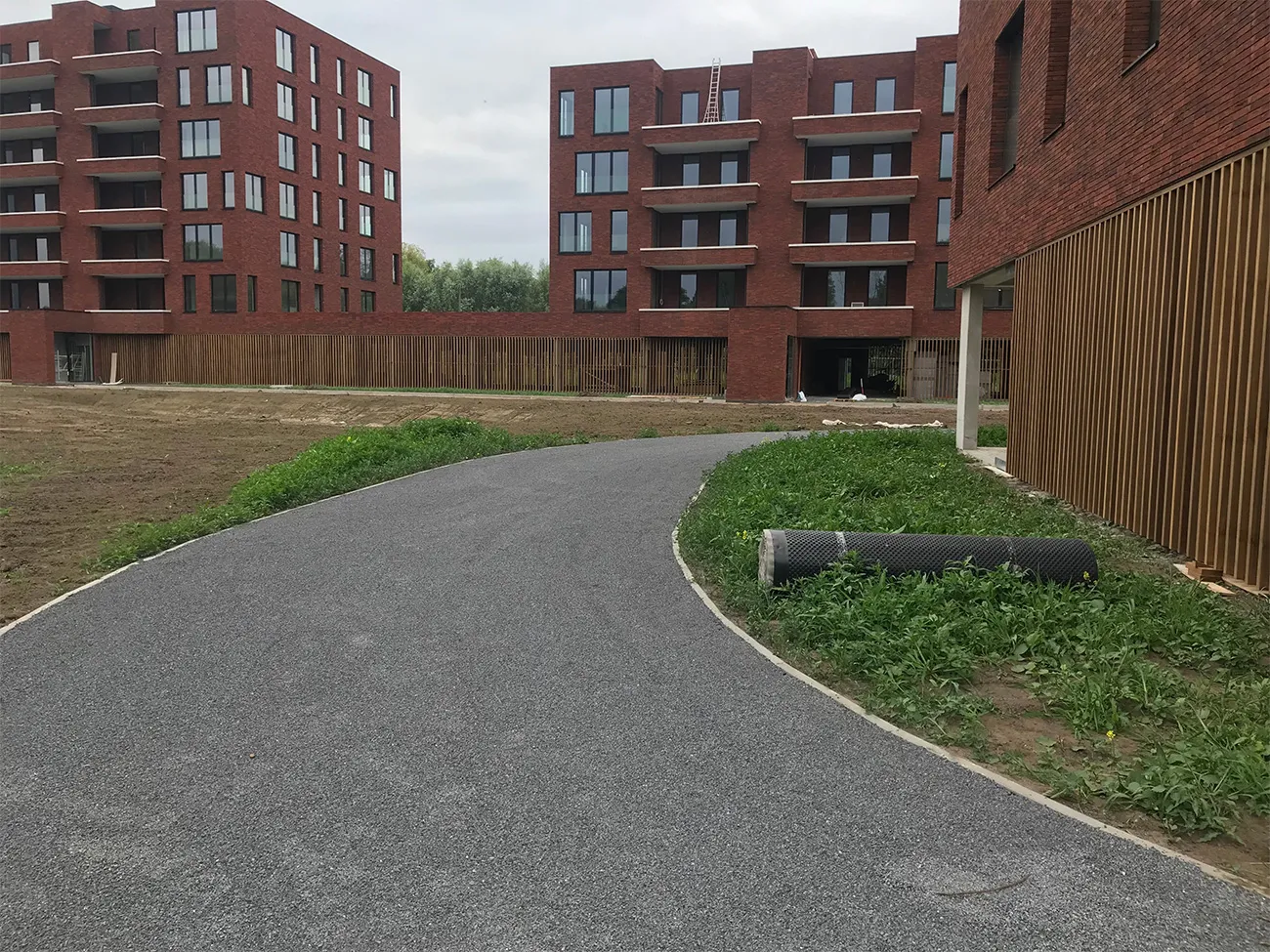
Everyone has a part to play in tackling the complex, multifaceted problem of drought in Belgium. Avoiding unnecessary spraying, collecting rainwater, reusing process water… these are just a few of the recommended measures for saving water. Family business Trudiplas takes a different approach, working with landscape architects to create particularly simple and reliable infiltration solutions.
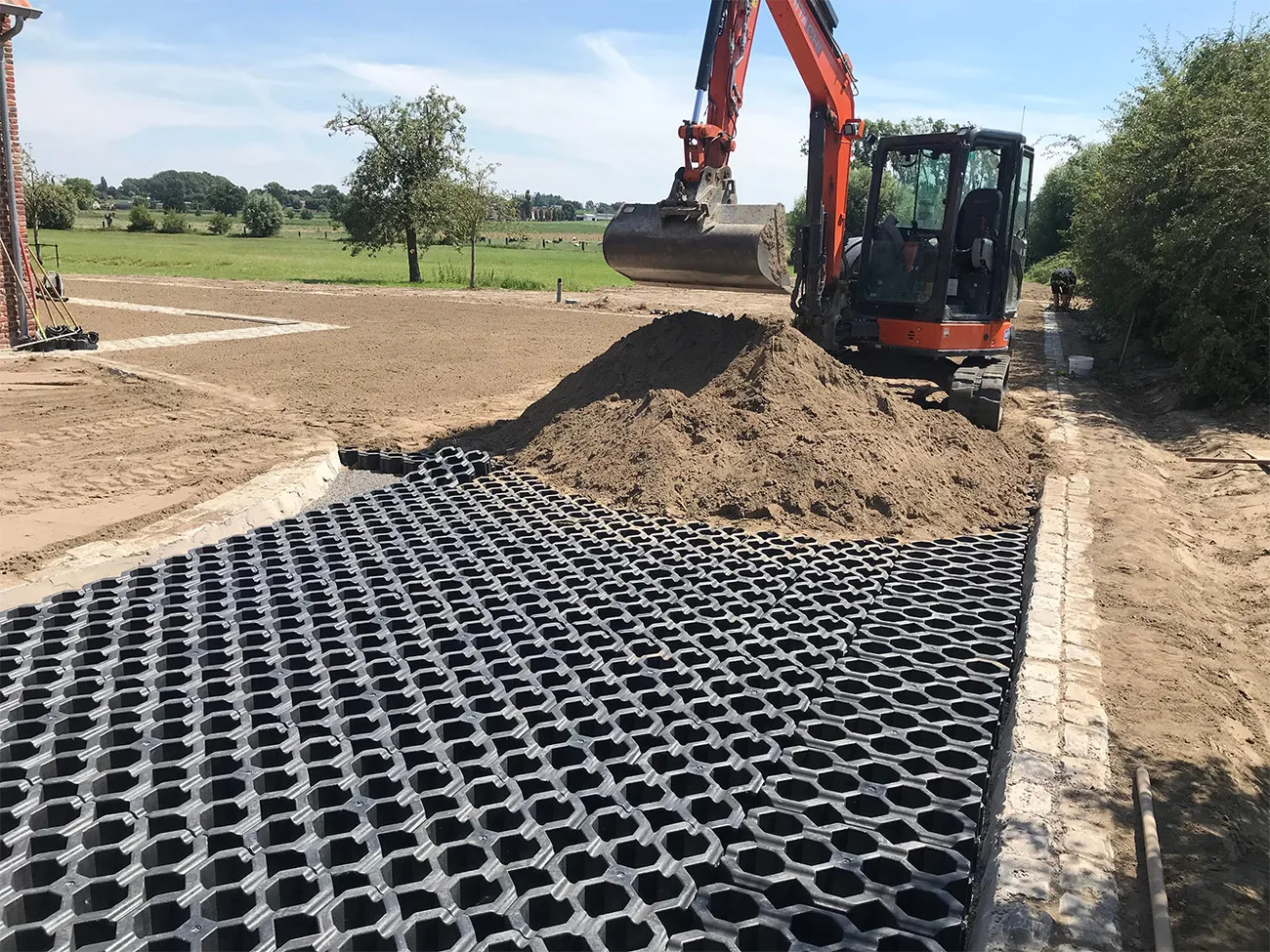
Drought in Belgium is not simply a matter of water shortage. Although summers are becoming hotter and drier, heavy rain still falls in winter. The main problem is that this water is quickly carried away via roofs, roads, pavements, asphalt surfaces, sewers and drainage systems. It has no chance to soak into the ground, which means groundwater reserves are not replenished and increasingly long periods of drought cannot be offset.
This is an undeniable problem on a large scale, but it also deals a final blow to soils, planting and biodiversity at local level. The reverse is also true, however: seemingly small-scale measures at local level can make an important contribution to finding a solution on a larger scale. It is therefore worth including sufficient infiltration options in every garden project, even if the nature of the work does not necessarily make this compulsory. Trudiplas focuses on two important approaches and product groups.
Permeable surfaces
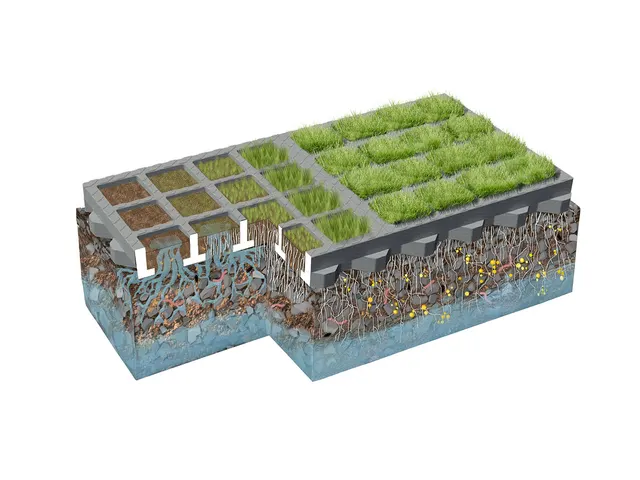
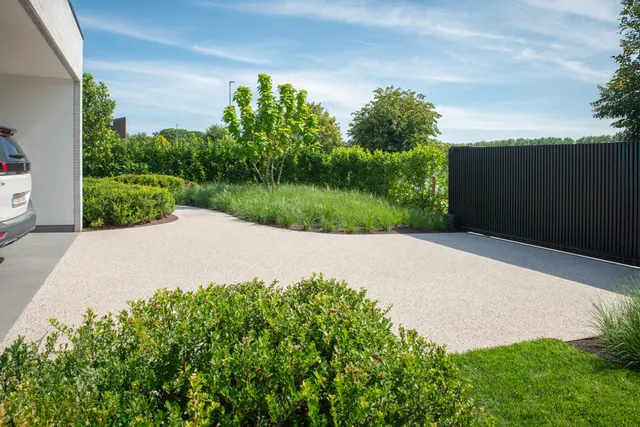
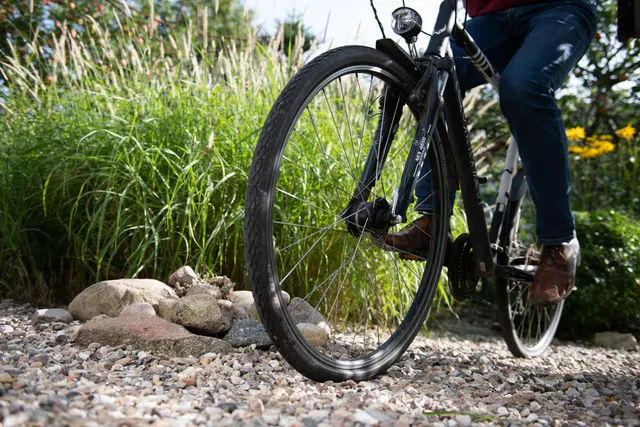
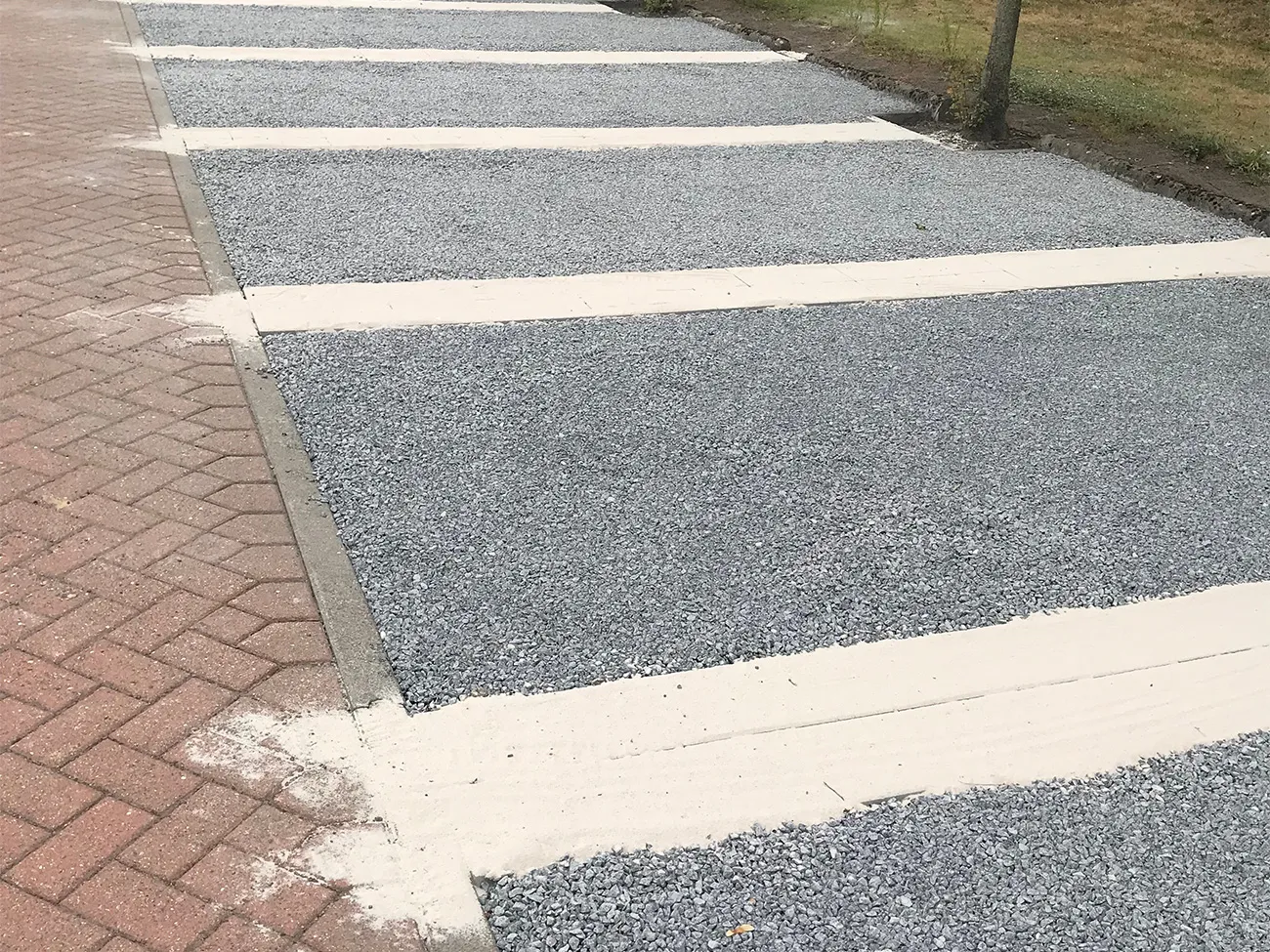
It is no news that cities and municipalities now explicitly favour permeable surfaces. Using suitable grass or gravel grids ensures that the surface is not only permeable, but also robust and durable. And doubly sustainable, if you take a look at the latest addition to the Trudiplas range.
Alongside its extensive range of traditional gravel grids, available in different heights and made from 100% recycled polypropylene with high-quality geotextile, the company also offers the Trudidal Heavy, an innovative, heavy-duty grass/gravel grid made from 50% recycled polyethylene/polypropylene and 50% plastic waste. Plastics that would normally end up in the bin are thus given a new lease of life as a high-quality product, while helping to improve water management. The Trudidal Heavy can also withstand pressure loads of more than 200 tonnes/m2, even without infill, making the grass/gravel grid a viable alternative to concrete, at just a fraction of the weight.
Modular infiltration crates
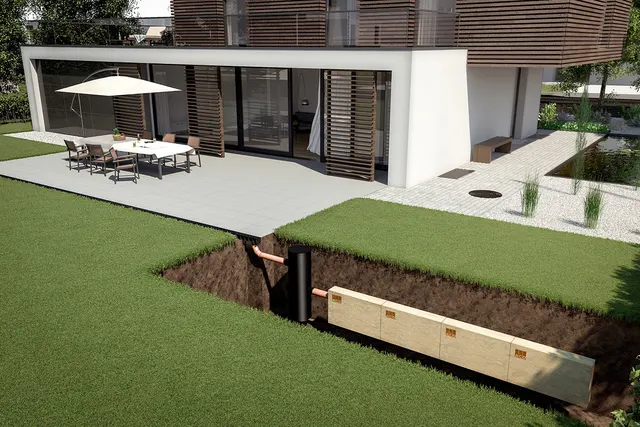
Water that would traditionally run into the rainwater drain from roofs or impermeable surfaces can instead be infiltrated into the ground in a controlled, localised way with a simple intervention. This has been compulsory in new-build projects since 2013, although infiltration systems can also be installed retrospectively.
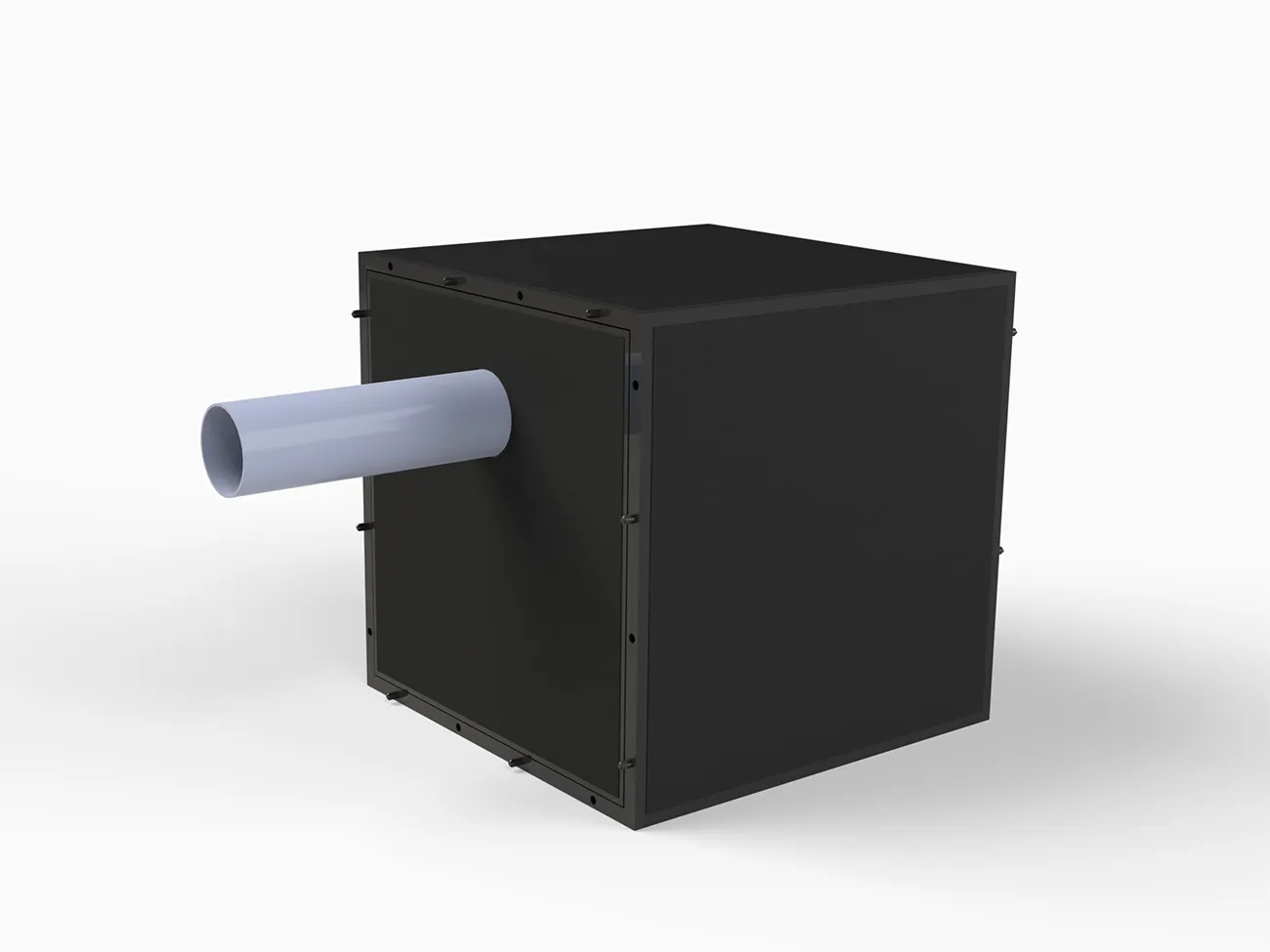
Trudiplas has developed Raincycle for this type of installation: a modular infiltration crate with a capacity of 190 litres, which can be connected either to the overflow from a rainwater tank or to the rainwater drain, provided a sand filter is installed. The capacity has been deliberately designed for private projects, although several crates can be connected together for larger projects.
To make transport and installation as easy as possible, Trudiplas deliberately opted for a modular design when developing Raincycle. Each infiltration crate therefore consists of seven separate panels, already fitted with 100% water-permeable geotextile, which can be clipped together to form a crate in no time. As the crates are not pre-assembled, they can be packed and transported compactly, further reducing their ecological footprint.
The system is explained in detail on the website www.raincycle.eco
Question about this story? Ask your question
Keep following this
Get an email when a new story is published. No account needed.
- ThemeManaging rainwater
- SubjectWater management