What should you consider when installing a green roof?
Texte Trees Accou | Photos ZinCo, Floratoit, Anne-Marie Van Hamme
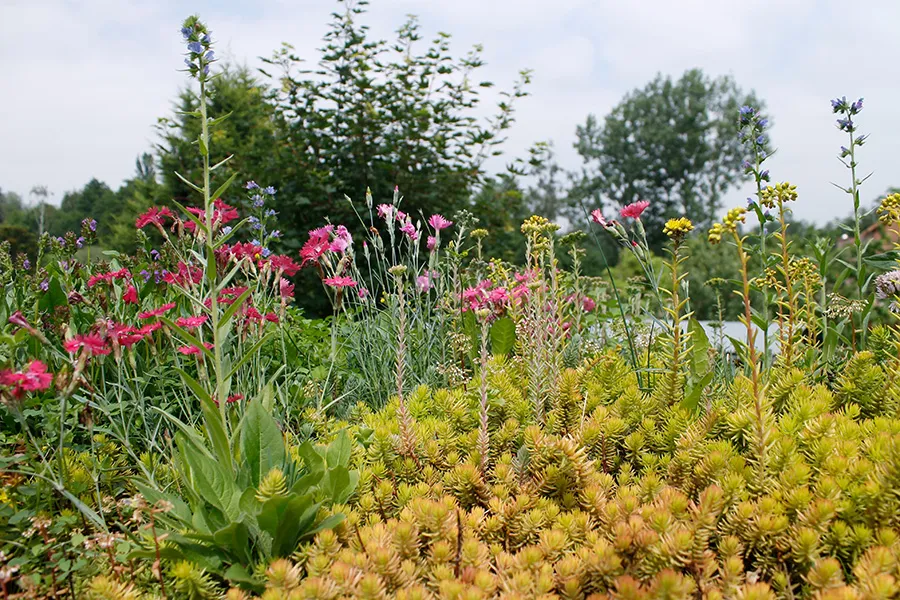
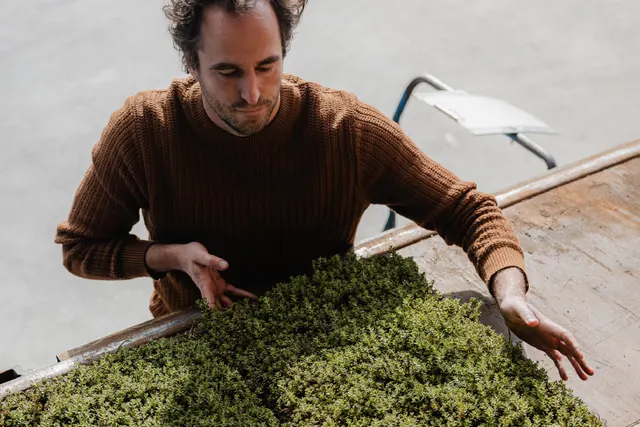
“Green roofs always use the same sedums and can only be installed on flat roofs”: Eric Waterlot, account manager at ZinCo in Belgium and Luxembourg, is only too happy to debunk these industry clichés. As the creator of ZinCo’s “bee and butterfly roof” in 2014, biodiversity is close to his heart. Because a better world starts on your own roof.
Boosting biodiversity, retaining more water, reducing heat stress or simply enjoying more colour: green roofs offer many benefits. They make our surroundings more liveable and gradually green the world around us. “Previous generations have done considerable damage to the environment. It’s up to us to put things right,” says Eric. “This way, I can help leave a greener world for my son.”
Green roofs have been mandatory on public buildings for several years, and homeowners are increasingly interested in the positive impact their roofs can have. Solar panels can be seamlessly integrated into green roofs, while new developments such as computer-controlled water-retention roofs using the ZinCo Meteo Active system are becoming increasingly common.
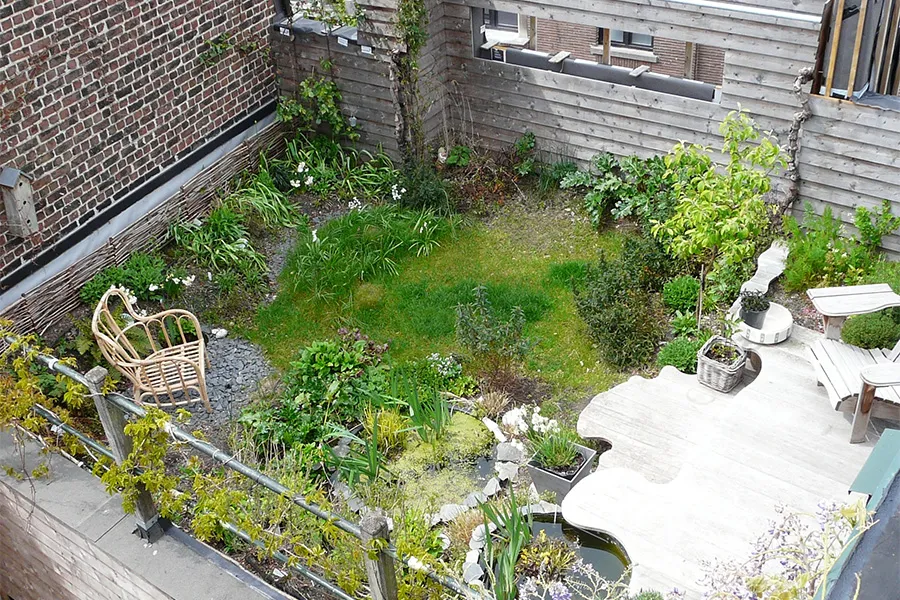
A system for every roof
One key question is: can every roof be turned into a green roof? “You’re not limited to flat roofs when it comes to planting on your roof. Even a pitched roof can be greened, provided you install the right systems,” Eric points out. “The type of roof garden you create depends on several factors, such as the load-bearing capacity of your structure. The weight of a green roof depends not only on the substrate and plants, but also on the volume of water retained. Green roofs are also designed to delay the drainage of rainwater. The orientation and height of your roof also affect your choice. Shade and wind don’t suit some types of plants.”
Eric also shares his knowledge of roof gardens online, for example by hosting sessions with roof gardeners. In half an hour, he explains the various factors to consider when designing and building a roof that helps tackle climate change. Details of upcoming events are available on the ZinCo website.
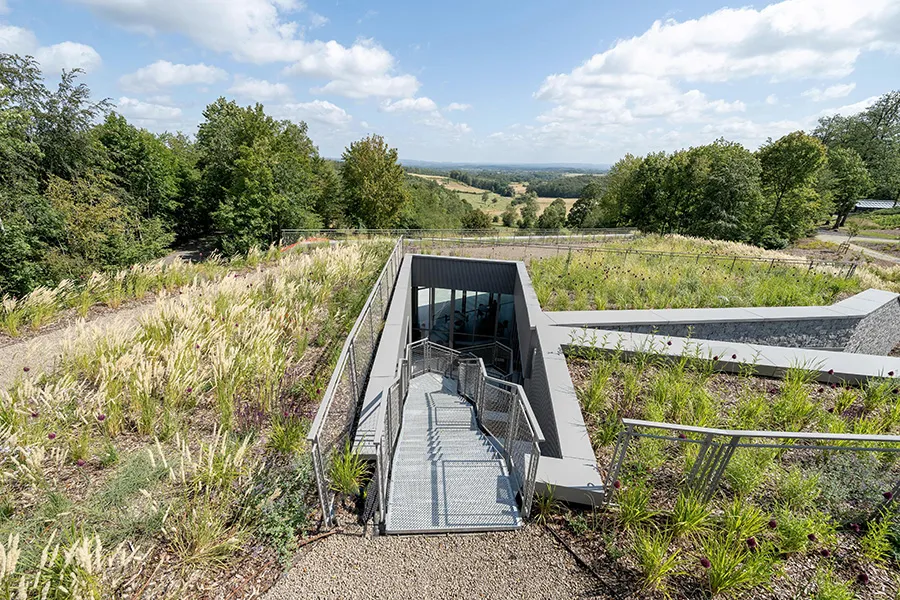
From succulents to a canopy
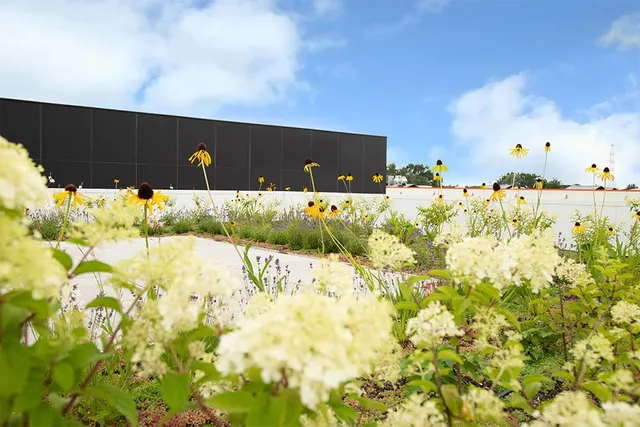
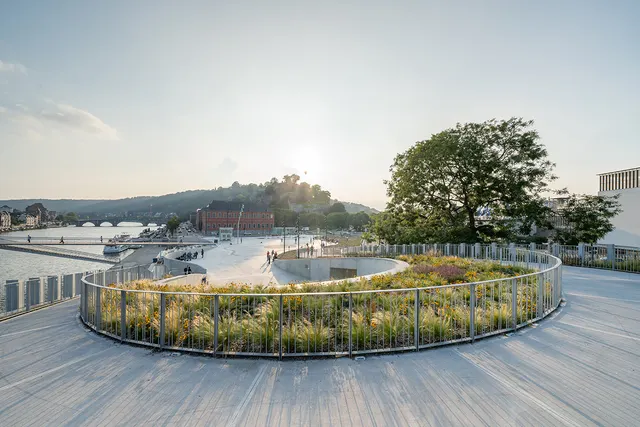
The options go beyond the familiar sedums. Today, even a simple flat roof can be planted with perennials that brighten up your home from early spring through to mid-autumn. As well as looking attractive, a few square metres of flowers provide food for many bees and butterflies. If you’re thinking bigger, you can create a fully fledged roof garden. Bear in mind that trees and shrubs take deep root and need suitable drainage systems and substrates to thrive.
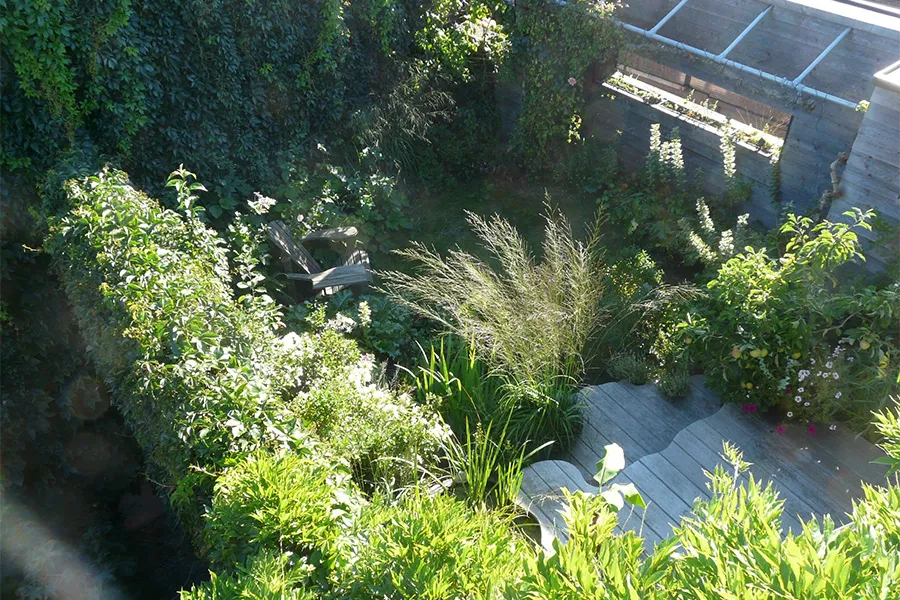
That is why it is important to consider the desired result from the design stage of a construction or renovation project.
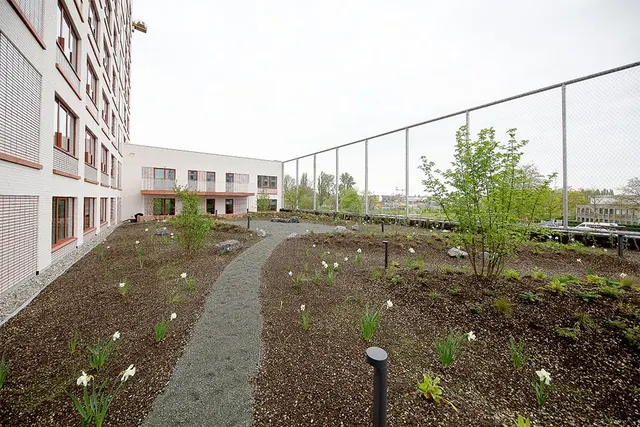
“If you want to create a large roof garden, your structure must be able to support it, the upstands must be high enough to accommodate the necessary substrate, and you need the right drainage system underneath. You should also consider the quality of the roof waterproofing system. Otherwise, problems are guaranteed. Another thing people often overlook is that a green roof protects the waterproofing from high temperatures and UV radiation, extending its service life to the point where renovation is no longer necessary. It is therefore important for architects and property developers to consult us in good time. That way, everything can be planned in advance, so you end up with a beautiful roof garden, rather than hastily and cheaply sowing an uninspired sedum roof that has nothing to do with the original project.”
Seeding a roof does not guarantee success. What’s more, if the roof is shady and damp, you’re likely to end up with a patch of moss because your plants haven’t had the chance to grow. Choosing the right plants is also essential, helping to prevent damage to your roof, for example from spreading plants that damage the waterproofing. Tailored advice for your building, quality systems and suitable plants will ensure a green roof that, with minimal maintenance, will give you years of enjoyment and provide food for insects.
ZinCo offers tailored support and advice, as well as everything you need to turn a roof garden into a little paradise. “We’re a global player, operating in more than 42 countries, with an in-depth knowledge of the market and a comprehensive service built on solid foundations. Because you can do wonderful things with a roof.”
Een zakelijke vraag aan ZinCo Benelux? Get in touch
Companies in this story
Keep following this
Get an email when a new story is published. No account needed.
- ThemeGreening dense urban areas
- SubjectGreen roofs
- CompanyZinCo Benelux