Living City 2025: what will the green cities of tomorrow look like?
Texte & photos : Kris Vandekerckhove
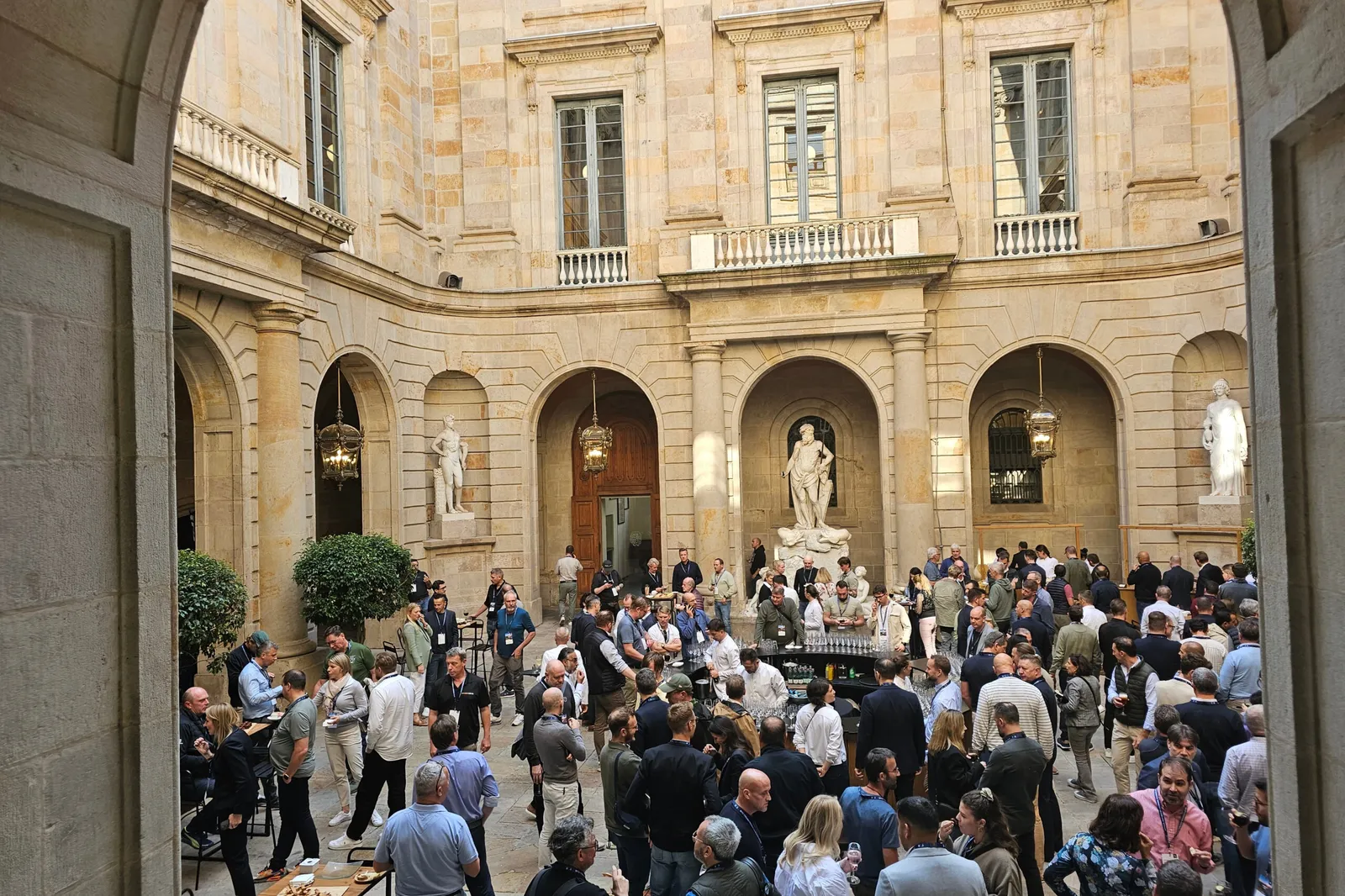
In October, Husqvarna Group brought together hundreds of professionals from the green sector, science and technology beneath the vaults of the Llotja de Mar in Barcelona for Living City 2025. Over two days, they explored one central question: how to make cities greener, smarter and more pleasant to live in, with nature as an ally?
Yvette Henshall-Bell, President of Husqvarna Group's European business unit, delivered a clear message in her opening speech: sustainability should not be an add-on, but the starting point for all innovation. "Wouldn't it be wonderful if every city could let the nature within it express itself?" This call set the tone for the day: a city that lives in harmony with its environment.
Inspiration from Barcelona and Liverpool
Professor Thomas Elmqvist of Stockholm University laid the groundwork for the discussion: nature-based solutions can address a range of problems faced by cities, such as heat and air quality. "A 30% increase in trees in cities drastically reduces heat-related deaths," he said.
Marc Montlleó of the development agency Barcelona Regional showed how the Nature Plan links development with biodiversity. "Green spaces must not only exist, they must also be connected," he said. The transition is also visible outside the green sector: Liverpool FC showed how sport and sustainability go hand in hand. The club's The Red Way programme brings it close to climate neutrality, with the help of Husqvarna robots that mow the pitches while promoting biodiversity.
Technology and awareness
Michiel Boreel, CTO at Sogeti, stressed that technology without an ethical compass is meaningless. "AI will never replace our common sense. Empathy and a sense of responsibility cannot be programmed." By the end of the first day, everyone shared the same feeling: the future of urban green space management lies in collaboration between humans, machines and nature.
After this inspiring opening day, Living City 2025 moved out into the city. The second day focused on data, digitalisation and zero-emission innovation. Practical applications made the themes of the first day tangible. Marc Montlleó took the floor again, this time with satellite images showing how paved squares can be converted into green lungs. "The city is a living organism that breathes and grows," he explained. "Our challenge is not to increase green space, but to connect it better."
Data as our guide
Hugo van Bijsterveld of Husqvarna Group described how the HUGSI.green platform maps urban greening around the world. With data from 344 cities in 62 countries, Husqvarna helps public authorities and managers to understand green spaces and protect them. "Anyone who wants to manage something must first understand it," he said.
Håkan Norberg demonstrated how Fleet Services, the cloud platform for managing Husqvarna's connected machine fleet, provides real-time information on more than 140,000 units of equipment. "Downtime costs more than maintenance. With data, you can intervene before a breakdown occurs." The shift to battery technology was also discussed, including AI-driven monitoring, maintenance planning and efficient energy management.
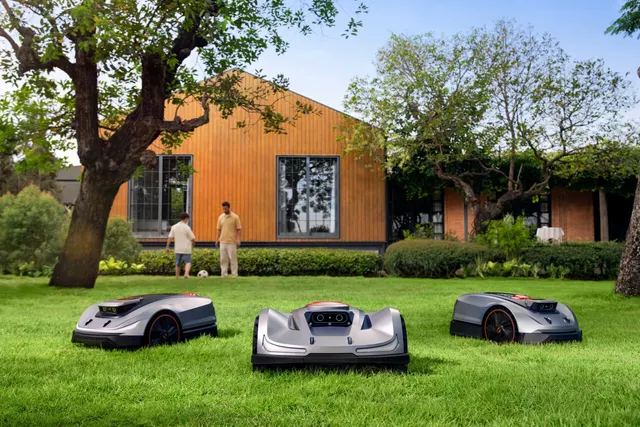
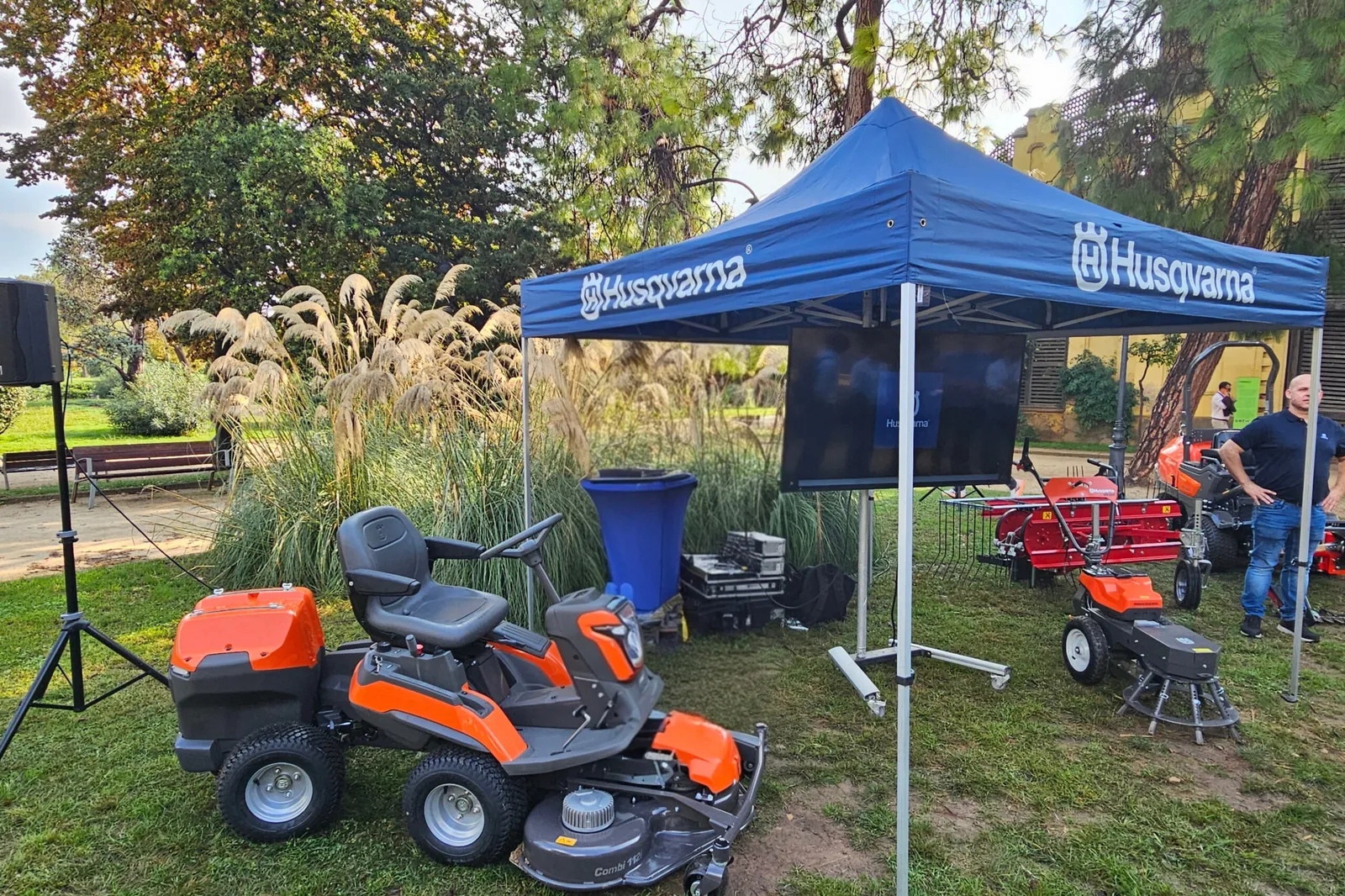
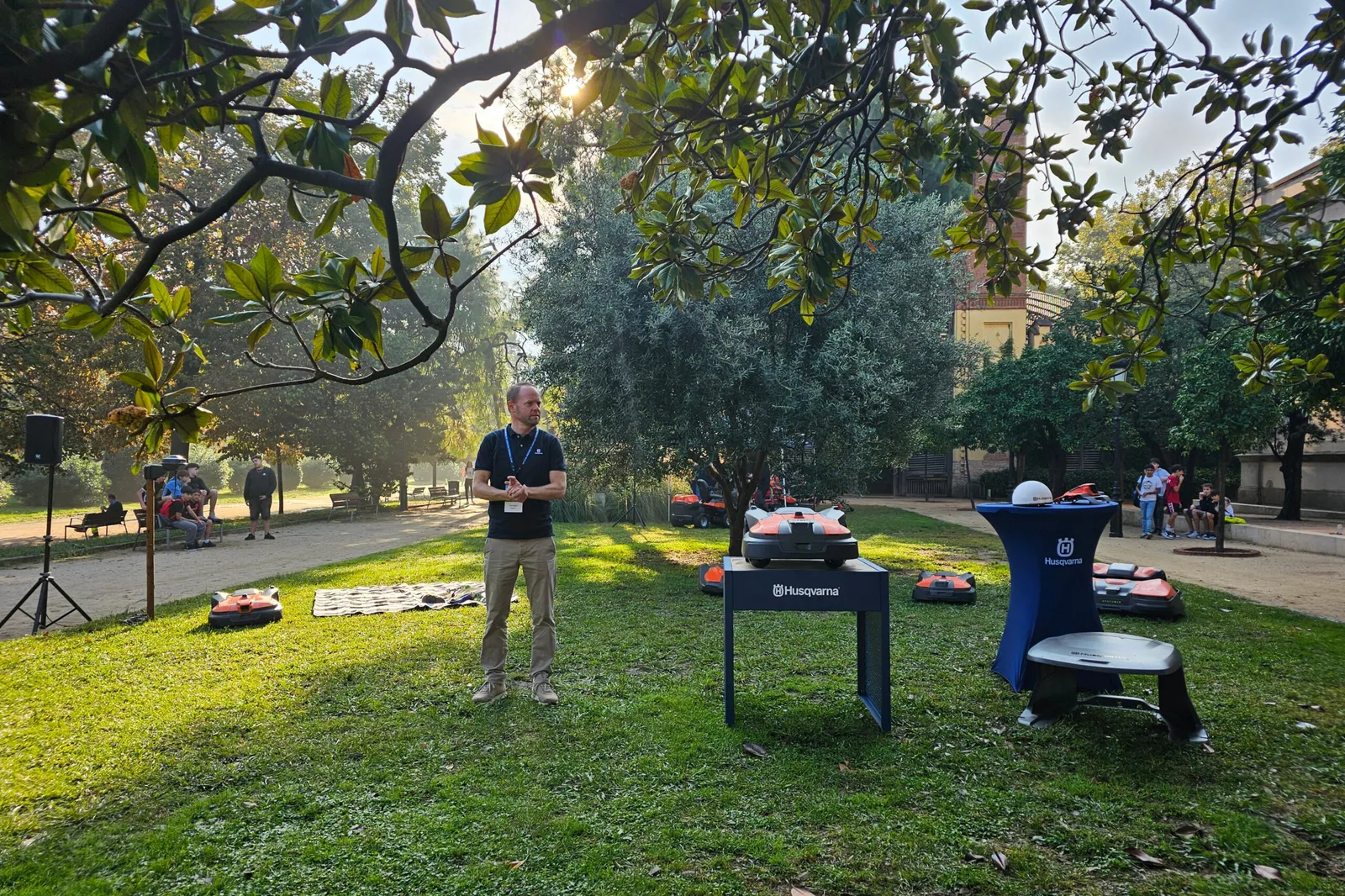
But it was on the grounds of the Parc de la Ciutadella that vision and technology truly converged. The Automower® 540 EPOS® robotic mower works without a boundary wire, using virtual boundaries, and recognises animals using AI, even at night. The 515iSB battery-powered sprinkler and the PDM4X power distribution unit show how electric machines are smarter and more sustainable.
A city that lives
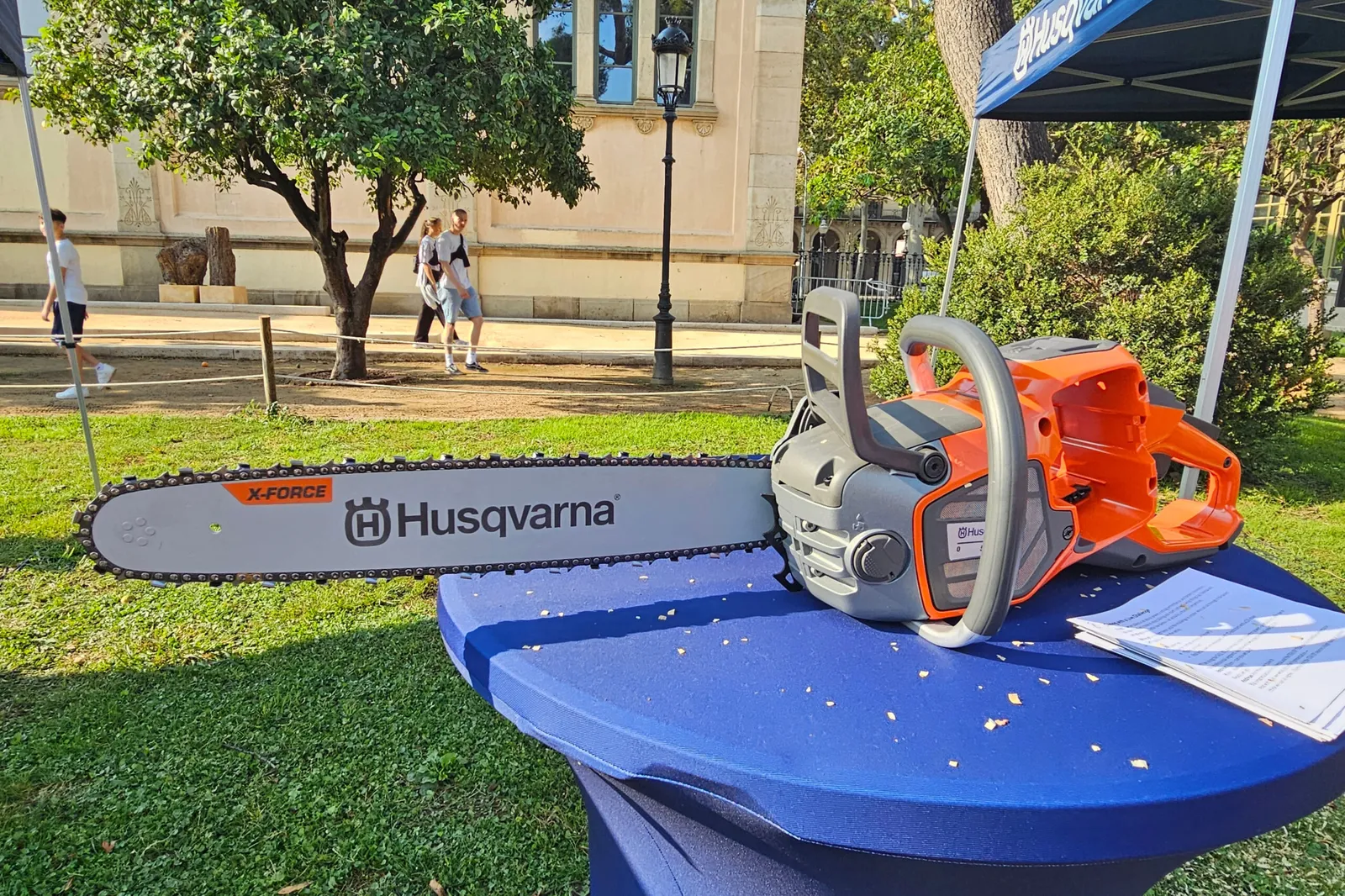
The star of the day was the 550 iXP chainsaw: as powerful as a 50 cc petrol chainsaw, but quiet, light and emission-free. Not forgetting the FM 410i, Husqvarna's first fully electric front-cut ride-on mower, designed to work with nature. "With these machines, we manage ecosystems, not lawns," said product manager Andreas Hultgren.
After two days filled with new concepts, figures and practical examples, the conclusion was unanimous: the future of urban green space management is electric, connected and people-centred. "We cannot dominate nature," concluded Hugo van Bijsterveld, "but we can learn to work with it."
Question about this story? Ask your question
Keep following this
Get an email when a new story is published. No account needed.
- SubjectTrade fairs and events