Reconciling nature conservation and citizens' wellbeing
Texte Luc Ophals | Photos Commune de Braine-l’Alleud & Luc Ophals
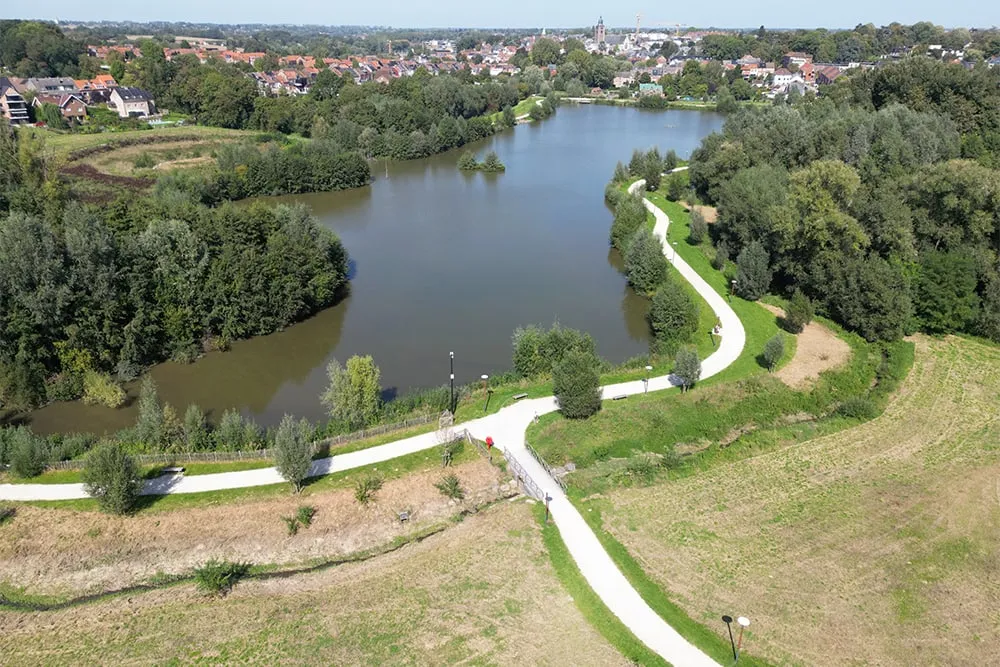
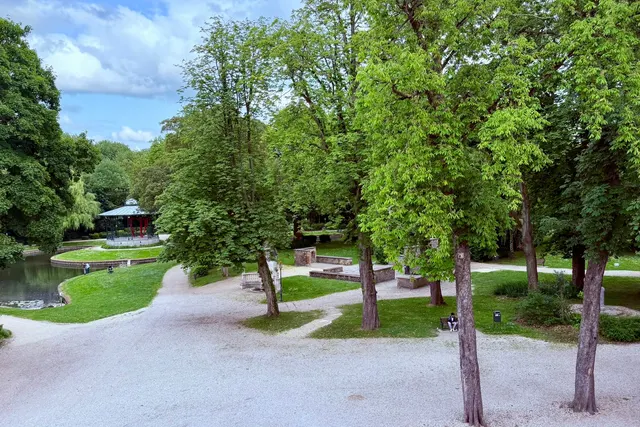
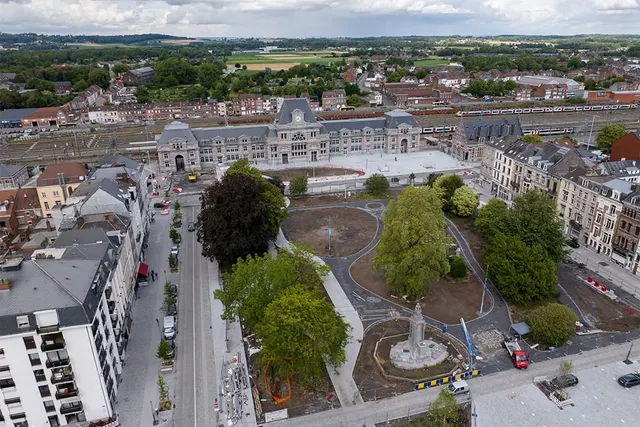
Nestled in the heart of the Hain valley, the municipality of Braine-l'Alleud has several parks and natural areas within its territory of some 50 square kilometres. They are prime spots for escaping and unwinding while enjoying the local biodiversity. And among these meeting and walking places, the Paradis site deserves a closer look… in the company of the alderman for the environment, Henri Detandt.
As Henri Detandt, alderman for the environment, points out, Braine-l'Alleud is a municipality of some 40,000 inhabitants in Walloon Brabant, which manages and maintains around 700,000 square metres of green space. These include the Bourdon park, the Cheneau park with its magnificent avenue of ash and chestnut trees, the Drape wood, a genuine refuge for fauna and flora, and the Walloon part of the Hal wood, which is very popular in spring when the "bluebells" flower, their superb blue carpet covering the entire understorey.

To illustrate how the Paradis site project came about, our interviewee begins by sketching the background: "The Paradis site is a 5-minute walk from the very centre of the town. As early as the 2000s, the municipality had expressed the wish to build a leisure lake. But this request was not granted the necessary permits. However, after the chronic flooding in the Hain Valley in the early 2010s, the step was taken and the project to build a storm basin was approved."
"The first function of the project was therefore to install a storm basin on this marshy area. The second aim was to keep a body of water all year round, in effect creating a leisure lake accessible to walkers and cyclists. The site also fulfils a third function, namely to provide a peaceful home for fauna and flora in a reserved but not exclusive zone," Henri Detandt continues.
The storm basin
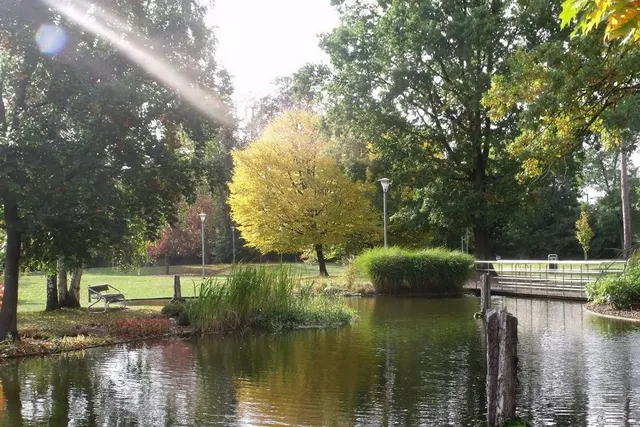
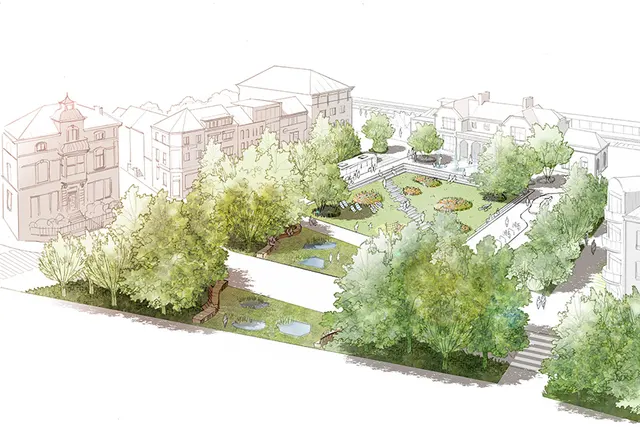
The Paradis site, also known as the Parc du Paradis, covers just over 25 hectares. The body of water, or "lake", occupies 5 hectares and can collect up to 100,000 cubic metres. "To be perfectly precise, the water body consists of two basins, a retention basin and an independent basin, both fed by springs. A sluice installed at the small bridge holds back the water and releases it into the 5 ha lake. Downstream, the water returns to the Hain but at a reduced flow. Along the edge of the main basin there are wooded areas and zones of ecological interest reserved for various species of migratory birds," the alderman explains. "To date, the storm basin has given complete satisfaction. On several occasions it has played its role perfectly, retaining perhaps 20,000 cubic metres each time," he adds.
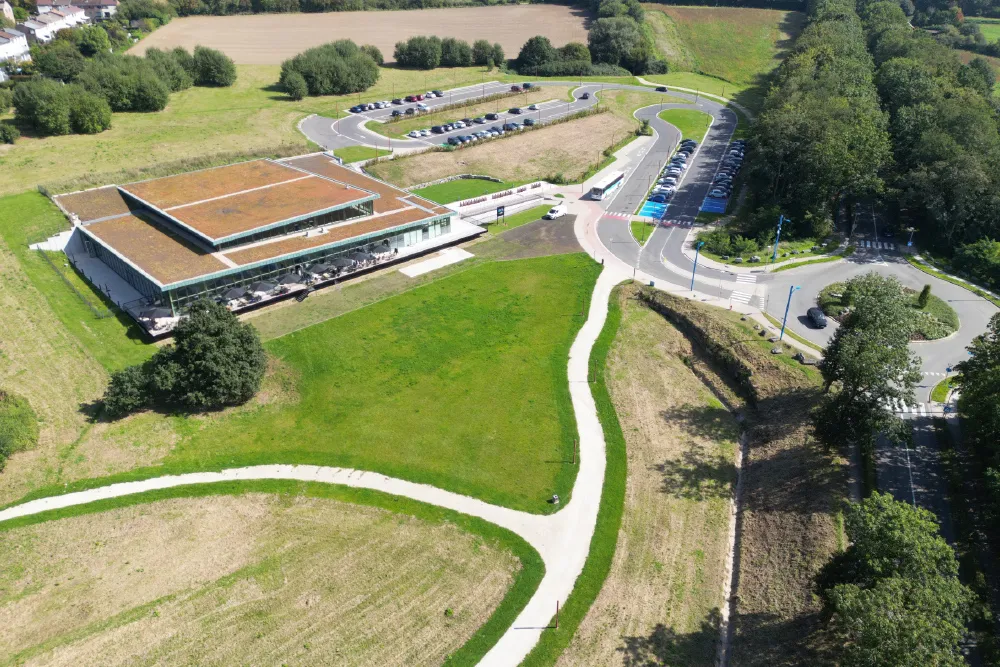
A new swimming pool, set in discreetly
At a later stage, a new swimming pool was built on the site, with discretion. "The pool is semi-buried to the north and open to the south. It meets current standards and runs on minimal energy consumption. There are no solar panels on the roof, but rather a green roof. Attendance at the pool and its cafeteria is very good. In summer, the 150 parking spaces reserved for individual visitors are almost all occupied. And our pool is also the first in Wallonia in terms of access for people with reduced mobility," says Henri Detandt. Also worth mentioning are the enclosed dog park next to the pool and the tree-planting policy based on the principle "1 child, 1 tree".
Other facilities installed
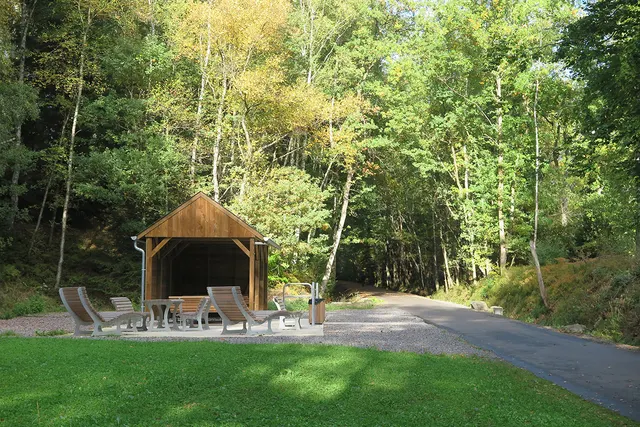
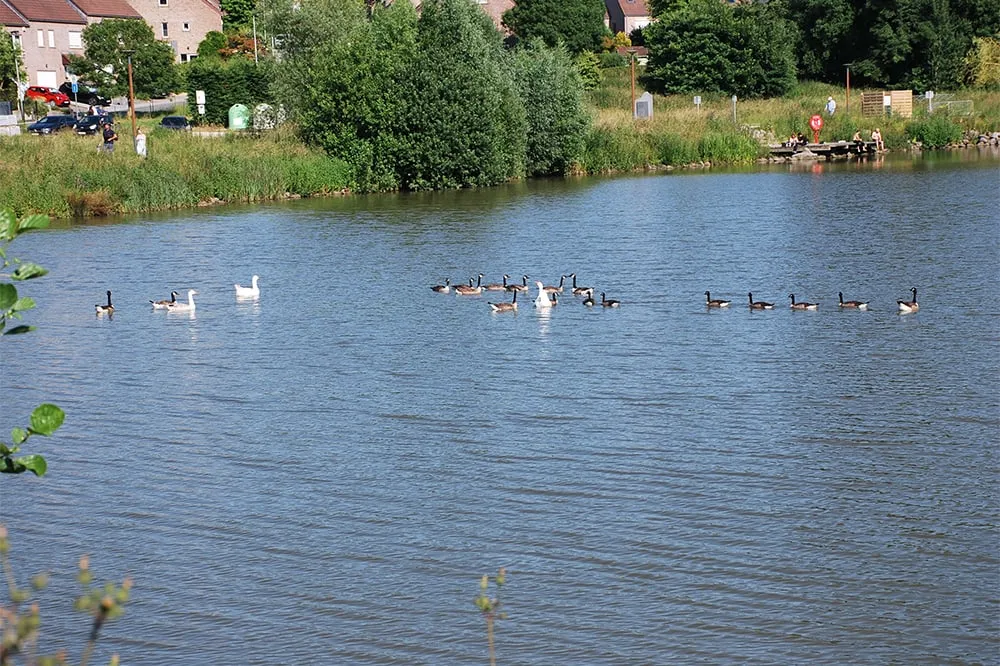
The project has been completed step by step with various other installations and facilities. These include the Espace Mariage, which appeals to couples wishing to experience an open-air wedding, with a view of the Saint-Etienne bell tower and the town hall. There are also the two play areas fitted with quality wooden play equipment, and the small anglers' lake, with its cafeteria and car park.
And still with the same aim of reconciling nature conservation with human wellbeing, the lighting installed uses an independent Ores network and non-standard LED luminaires, mounted lower, along part of the footpath, with programmed switch-off from 10.30 pm to 6 am. "As I said, in summer the Paradis park is crowded. But cleanliness is a must. Everything is done to keep the site clean, seven days a week. Bins are even emptied on Sundays," our interviewee explains.
Question about this story? Ask your question
Keep following this
Get an email when a new story is published. No account needed.
- ThemeDesigning living landscapes
- SubjectCITY IN THE SPOTLIGHT