Agricultural & horticultural machinery
Custom workplace Bewel switches to electric garden machinery: 100% battery-powered grounds maintenance
Text Geert Van CauwenbergeImage Annelien Geenen
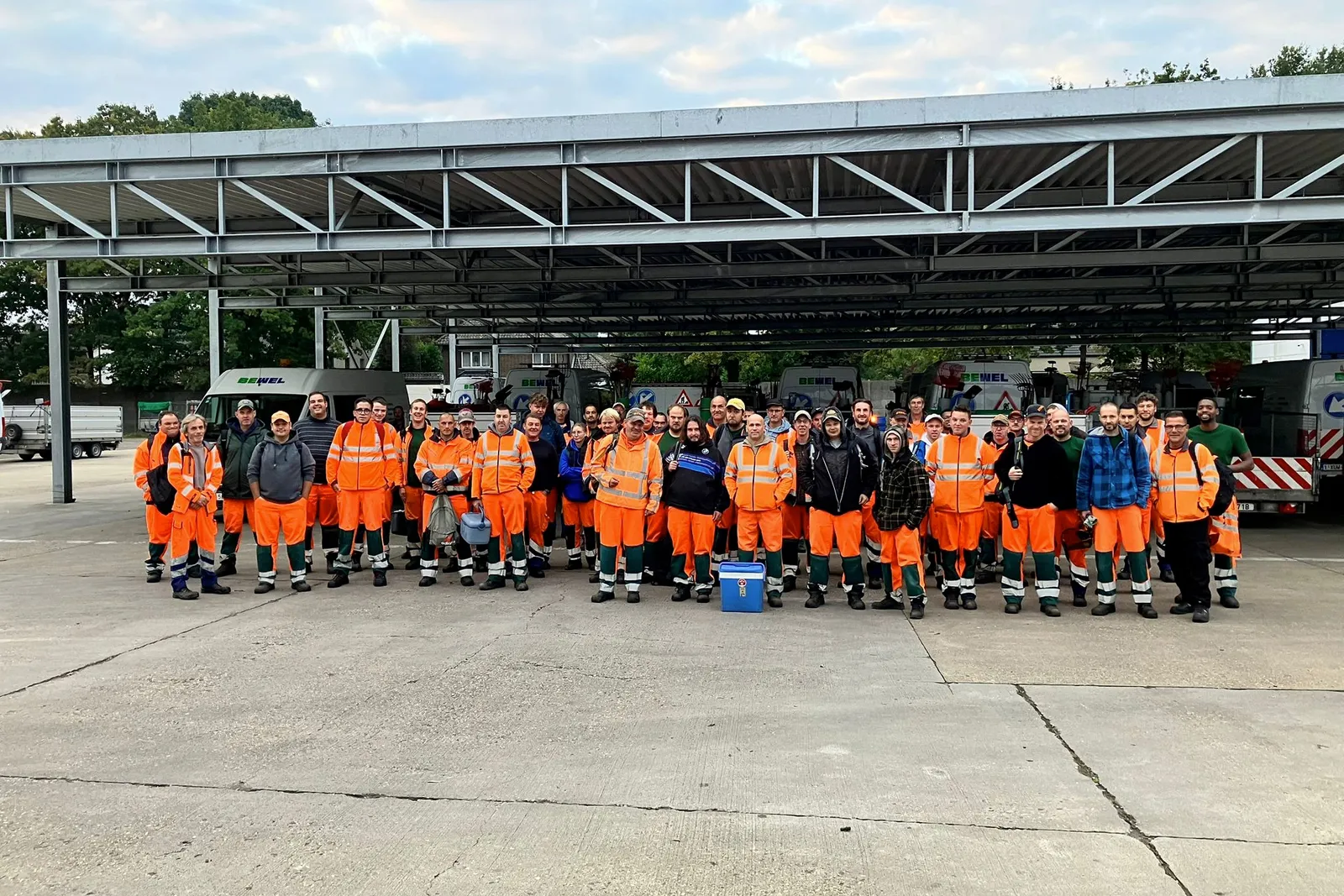
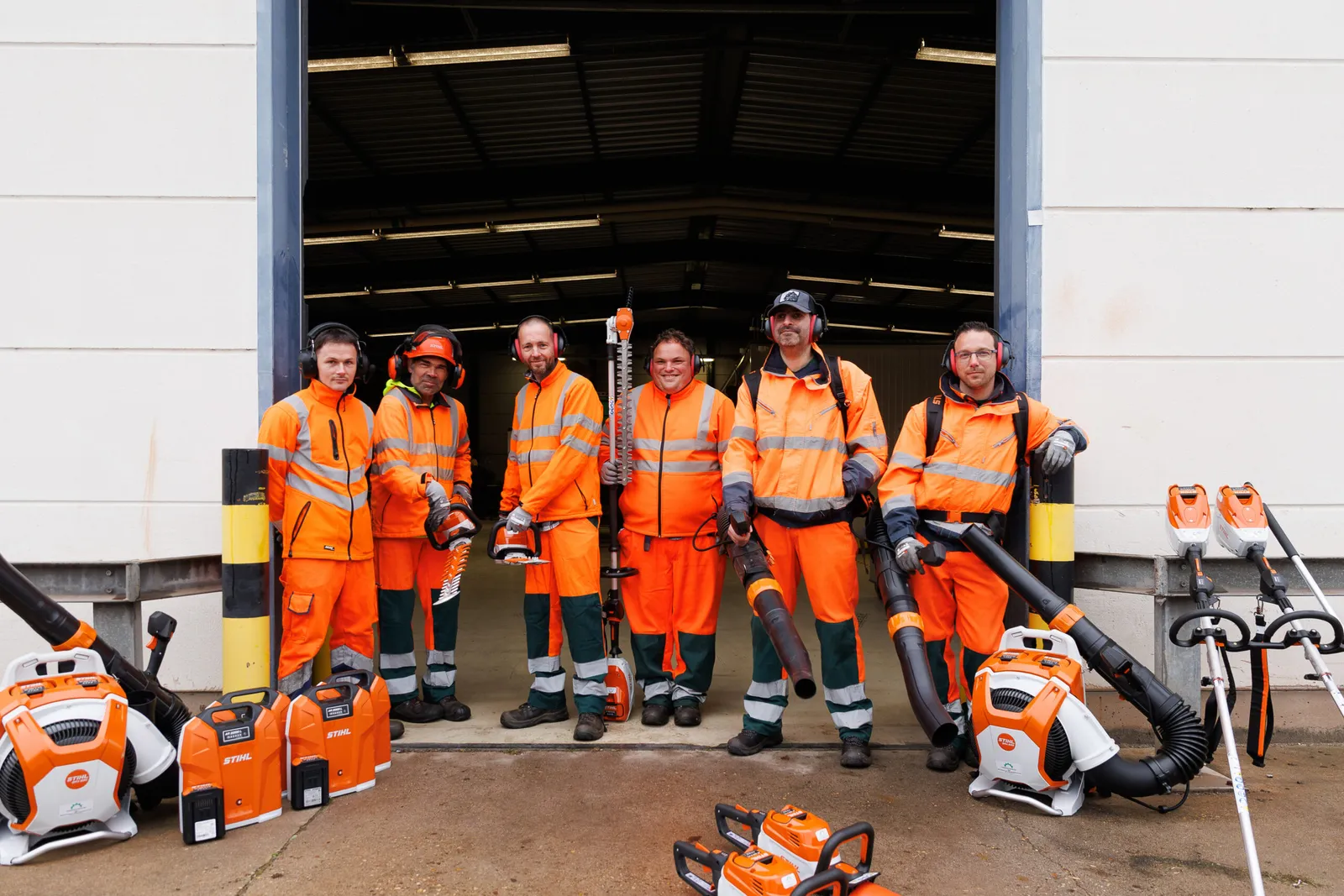
For Bewel, Limburg’s largest custom workplace, working electrically has long been a reality. Around a hundred grounds maintenance workers at the Diepenbeek site now use battery-powered machines every day. The full switch was made in close collaboration with STIHL Benelux and dealer De Machinevriend. It is a journey towards more sustainable grounds maintenance, with satisfied customers as the result.
“In 2006, the Hasselt city council decided to phase out pesticides more quickly. They asked us to help find sustainable alternatives for weed control. That was the starting point for Groenzorg,” says Guido Renders, site manager in Diepenbeek.
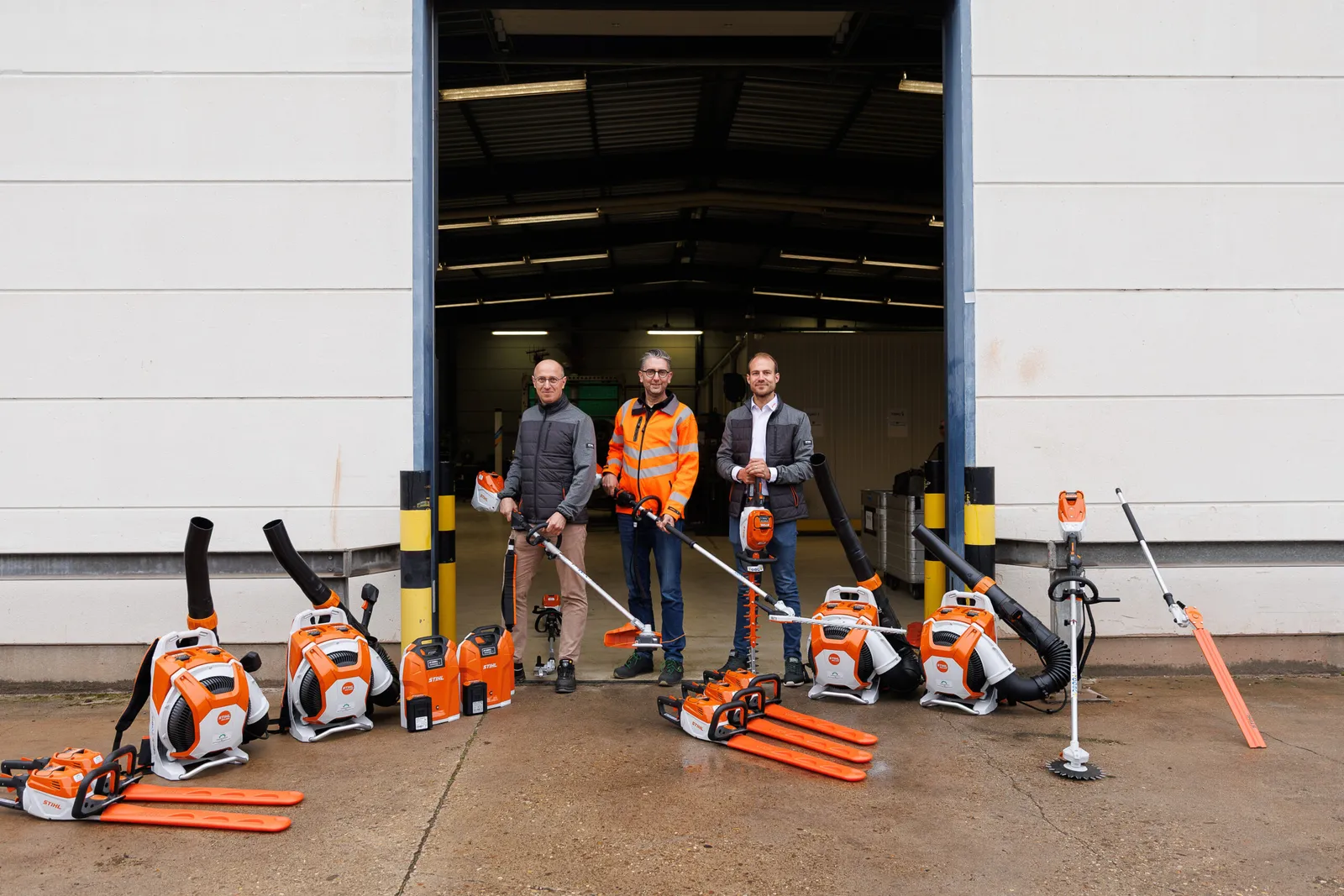
Today, local authorities account for 60 to 70% of its customers, alongside semi-public organisations and around 50 industrial clients. “The work is carried out by 18 teams, each with its own specialisms,” says Renders. “In recent years, we have made a major commitment to electrification. We bought our first battery-powered machines back in 2010. Last winter, we switched the remaining teams. Today, everyone uses electrically powered hand-held equipment, from brushcutters and hedge trimmers to leaf blowers and chainsaws. We buy these machines from De Machinevriend in Heusden-Zolder, one of the STIHL dealers in our province.”
Efficiency and wellbeing as key drivers
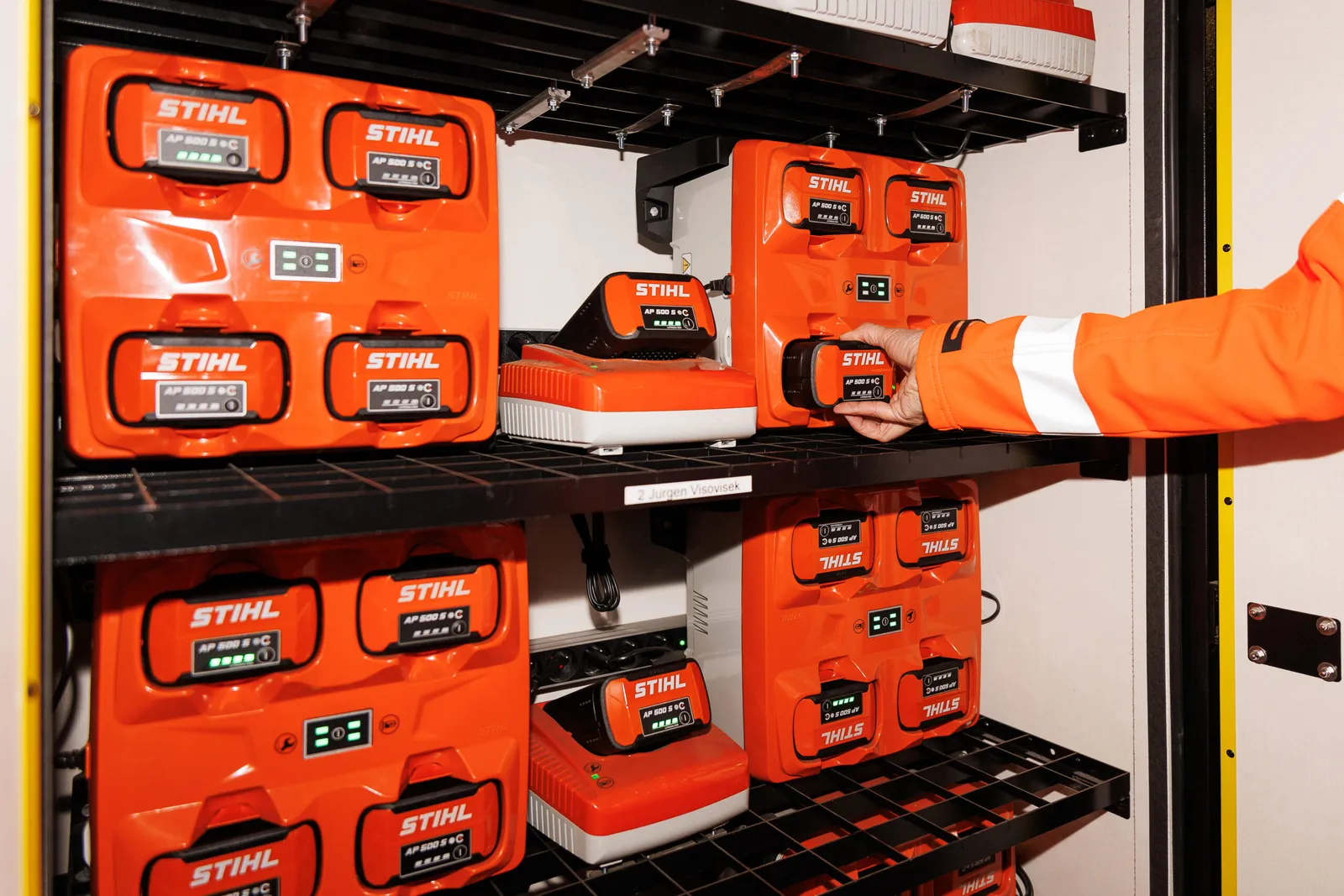
The move to battery-powered machines was not a given. “We really had to convince our teams,” Renders admits. “We started with pilot projects to work out how many batteries were needed for a full working day.” In his view, the benefits far outweigh the challenges. “It is not just about sustainability. Our staff work more efficiently and ergonomically, and there is much less noise and unpleasant odour. The wellbeing of our teams was the main reason for investing in battery-powered machines. Our customers benefit too. Some even explicitly ask us to use electric equipment when maintaining the grounds at their sites or business premises.”
Thomas Van Loon, Pro Solutions Manager at STIHL Benelux, confirms this: “Our electrically powered garden machinery offers benefits across the board: lower energy costs, less maintenance and no emissions. But the key to success is well-planned battery management.” Bewel now follows a clear standard. “Each member of staff has two batteries,” says Renders. “It means working differently: you need to plan ahead and charge batteries in good time. That is why we invested in fire-resistant charging cabinets a few years ago.”
Data and collaboration as the foundation
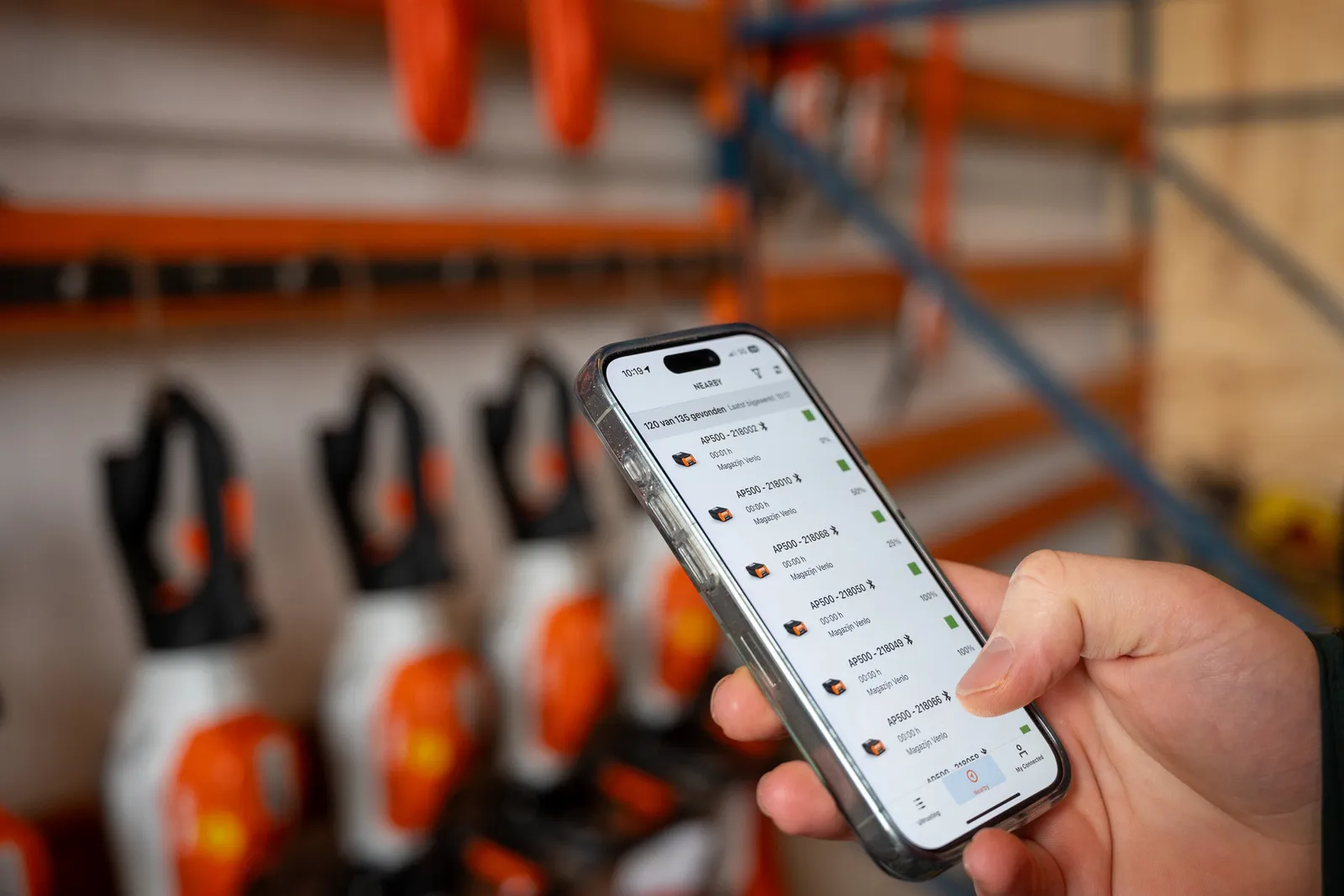
Digital tools for managing the machinery fleet are an important part of the approach. “STIHL Connected enables Bewel’s teams to track exactly who is using each machine and for how long,” says Van Loon.
“This means they can schedule maintenance and replacements based on actual hours of use rather than purchase dates.” “Our non-STIHL machines are also fitted with a connector, giving us a complete overview of our machinery fleet,” adds Renders.
Dealer De Machinevriend plays a crucial role in the collaboration. “We work closely with Bewel,” says owner Guido Vanoppen. “We get in touch proactively, suggest solutions and listen to what the teams need. Bewel’s grounds maintenance workers are always enthusiastic when we visit, because they get to discover new garden machinery.”
“Thanks to the ‘STIHL Workshop Manager’ training our mechanics completed at STIHL, we now work much more efficiently,” Renders continues. “STIHL Connected helps us quickly find and order the right parts. That is a real asset in our day-to-day operations.” Product managers from Germany also visit regularly to gather feedback from the field. “This allows us to further refine our machines to meet the needs of the sector,” says Van Loon.
Smart charging as the next step
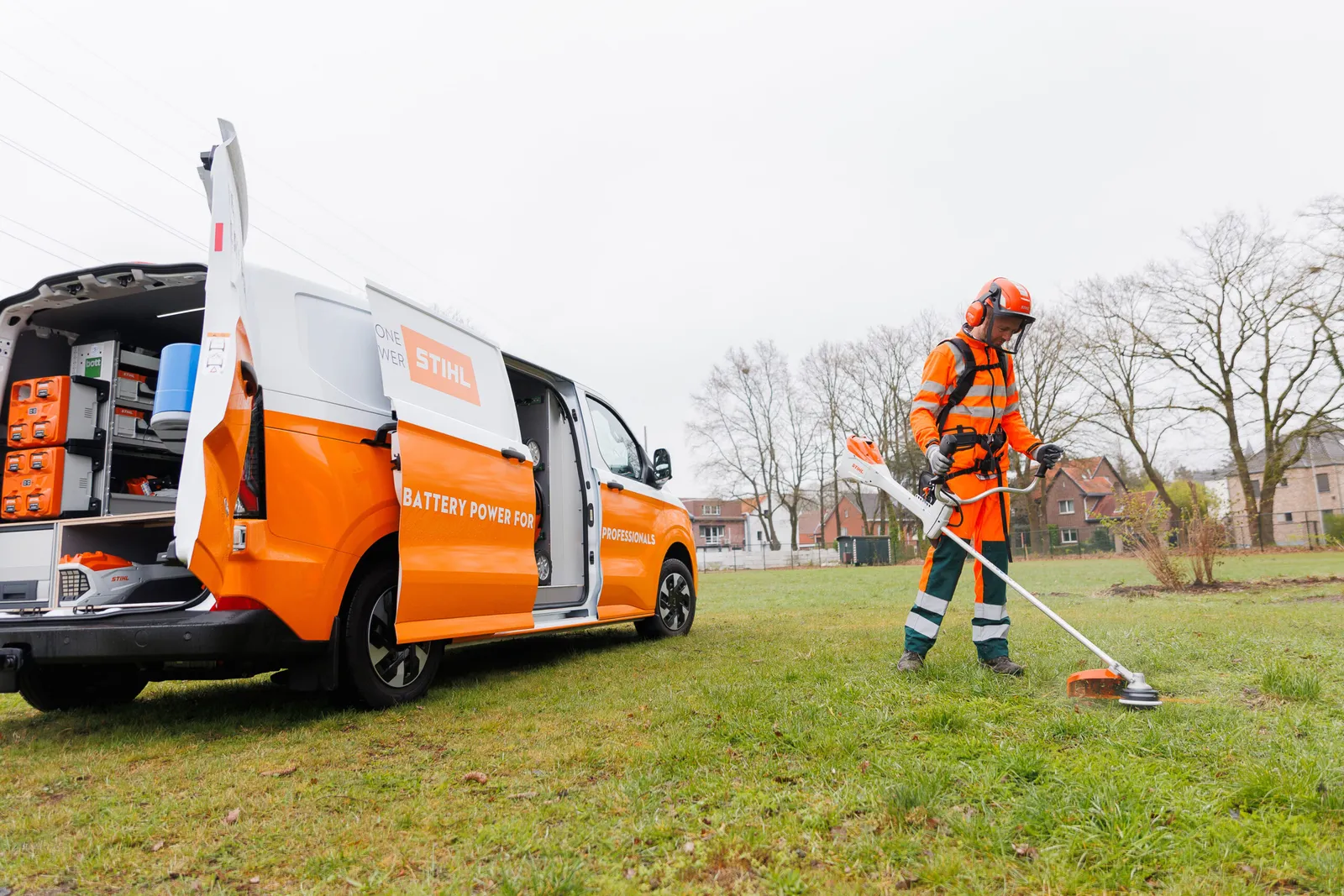
STIHL’s fleet now also includes an electrically powered Ford van. It demonstrates how electric working and smart charging solutions can go hand in hand. “With this vehicle, we want to support customers in their energy transition,” says Van Loon. “We show them how smart charging works and how to organise electric grounds maintenance in practice.”
The van is fitted with several power sockets and uses bidirectional charging. This allows grounds maintenance workers to charge their garden tool batteries while on the move. If the vehicle’s range comes under pressure, the charging function switches off automatically. “Electrification goes beyond the machines themselves. It is about an integrated ecosystem,” says Van Loon.
Looking to the future
Although Bewel has largely completed the electrification of its machinery fleet, one challenge remains: transport. “We still use fossil-fuel vehicles today, but we are actively exploring how to make the switch there too,” Renders concludes. “Technology, range and regulations all play an important role. But I am convinced that this transition will follow quickly.”
Question about this story? Ask your question
Keep following this
Get an email when a new story is published. No account needed.
- ThemeGreen space for everyone
- SubjectAgricultural & horticultural machinery