Better management through Green Deal Sportdomeinen
Text Kris VandekerckhoveImage David Nassen / Farys / Corridor
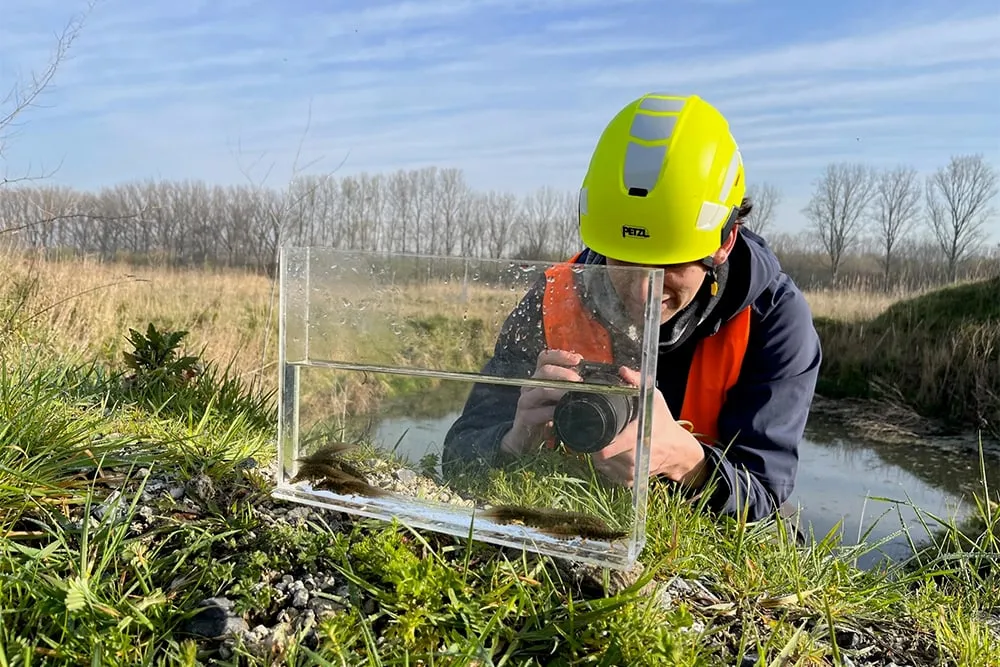
The way sports facilities are managed and maintained is changing quite radically. Nature inclusion, or the integration of nature, plays a prominent role in this. Initiatives such as Green Deal Sportdomeinen provide targeted support for both sports and green services.
Green Deal Sportdomeinen aims not only to make sports sites more environmentally friendly, but also to improve the quality of life and wellbeing of athletes and the surrounding natural environment. It is supported by a wide range of partners, including government bodies such as Sport Vlaanderen and the Flemish Environment Agency (VMM), sector organisations such as the Vlaamse Sportfederatie (VSF) and Netwerk Lokaal Sportbeleid, as well as numerous private-sector stakeholders. These partnerships are crucial to achieving the objectives. By sharing knowledge and resources, a joint strategy is developed that benefits everyone involved.
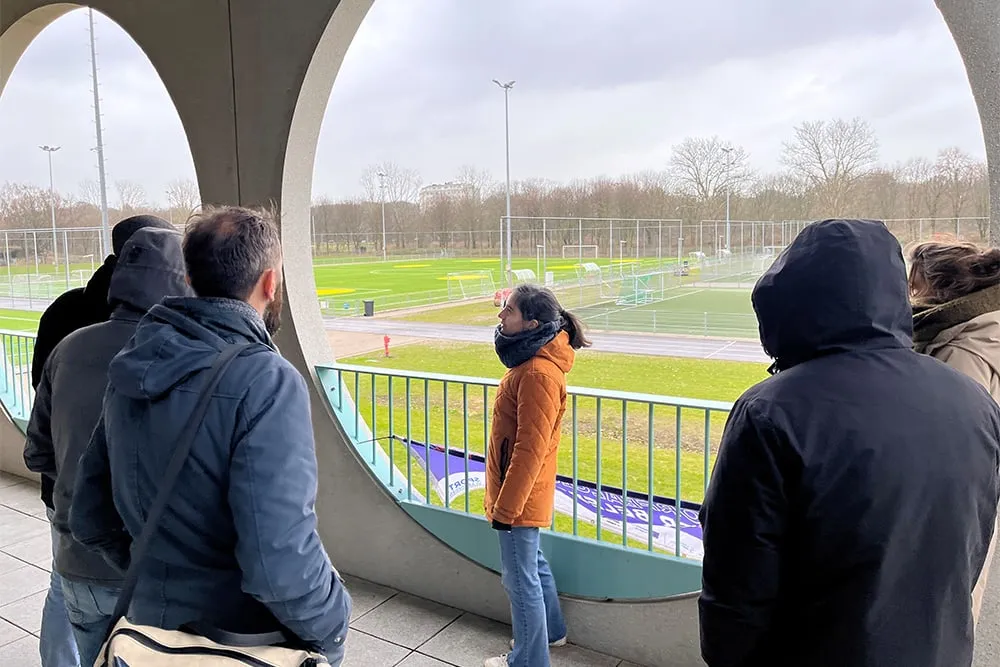
A greener approach to maintenance specifications
David Nassen, project coordinator for Green Deal Sportdomeinen: “Alongside technological innovations and partnerships, Green Deal also places a strong emphasis on education and awareness-raising. Networking events and conferences help to train and inform stakeholders in the sports sector about sustainable practices. This educational aspect is essential to achieving a lasting impact.”
“And we, too, are learning as we go. We found that there were still many challenges when drawing up specifications for the maintenance and/or (re)construction of sports facilities (natural grass pitches, tennis courts, athletics tracks, pétanque courts, …).”
“Many maintenance specifications focus mainly on price, rather than on the quality or environmental impact of the work.”
“For example, specifications are still too often drawn up based on the number of times mowing, topdressing with sand, … is carried out, rather than on quality or even the actual results achieved. This can of course be done much better.”
Flexibility and collaboration
Green Deal Sportdomeinen offers practical solutions to these challenges. At its heart is an integrated approach that takes soil, biodiversity and water management into account in every maintenance plan. This means looking not only at technical aspects, such as choosing the right grass species or irrigation systems, but also at involving all stakeholders more broadly, from local authorities to sports clubs and residents. “This new approach requires a further change in the way specifications are drawn up,” David Nassen continues.
“Rather than rigid specifications, Green Deal advocates flexible ones that allow for adjustments based on real-time monitoring of sports ground conditions. This approach not only encourages more sustainable management, but also fosters dialogue between managers/clients and contractors about best practice. There is often a significant knowledge gap between them. We are working to address this by encouraging faster and better information-sharing. The same applies, of course, to municipal and city green services and sports services. Maintenance of sports pitches often takes no account of surrounding green spaces, and vice versa. As a result, the overall picture of a municipality’s or city’s flora is not taken into account sufficiently.”
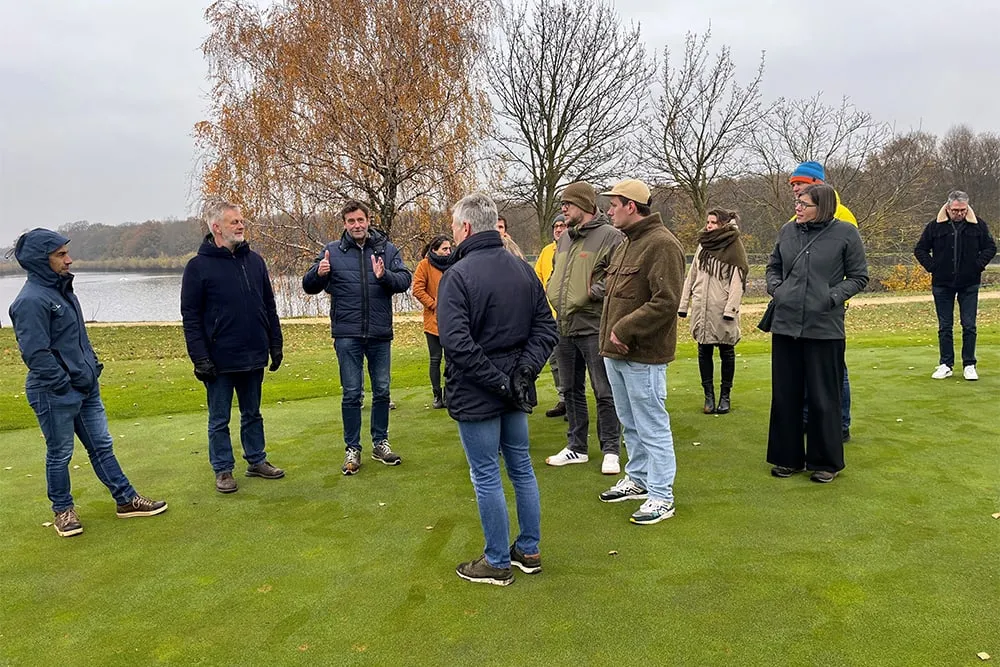
The role of education in sustainable sports sites
“The implementation of Green Deal Sportdomeinen in Flanders is an example of how targeted collaboration and innovative policymaking can lead to significant improvements in the sustainability of sports infrastructure. With the right attention to detail and a commitment to environmental responsibility, we can create a healthy and sustainable sporting environment that benefits everyone,” concludes David Nassen.
Important! As a co-initiator of Green Deal Sportdomeinen, Netwerk Lokaal Sportbeleid, together with the Vlaamse Milieumaatschappij, Sport Vlaanderen, Vlaamse Sportfederatie and Has Hogeschool, offers a course in water management and water stewardship for Flemish greenkeepers, groundsmen, sports-ground maintenance staff, …
The course takes place on 1 June and 25 June, at Sport Vlaanderen Genk and Herentals respectively.
Question about this story? Ask your question
Keep following this
Get an email when a new story is published. No account needed.
- ThemeGreen space for everyone
- SubjectSports grounds & golf courses