Nitrogen in turf management: prioritise quality over maximum growth
Text Kris Vandekerckhove / IntergrowImage Koen Verhelst
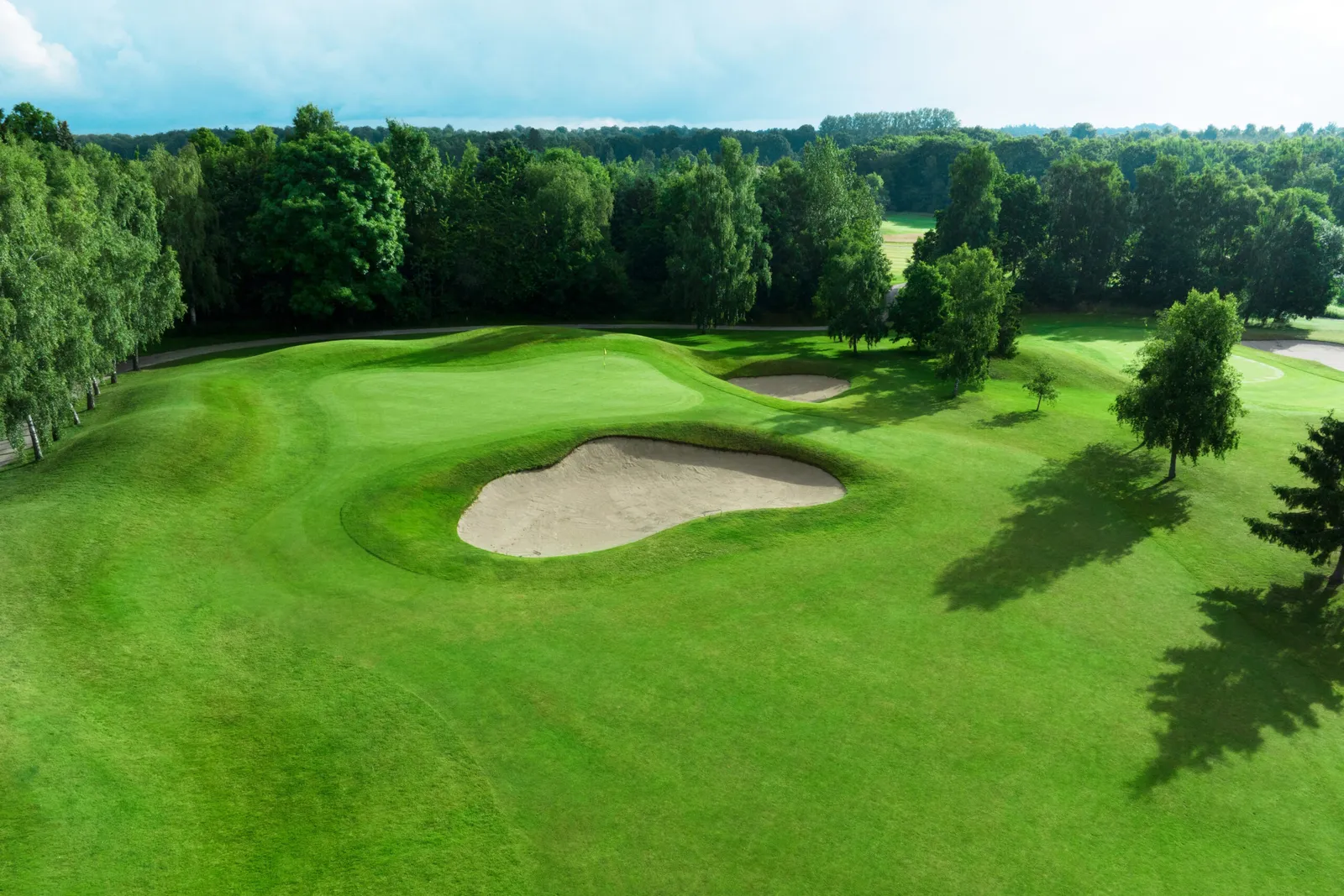
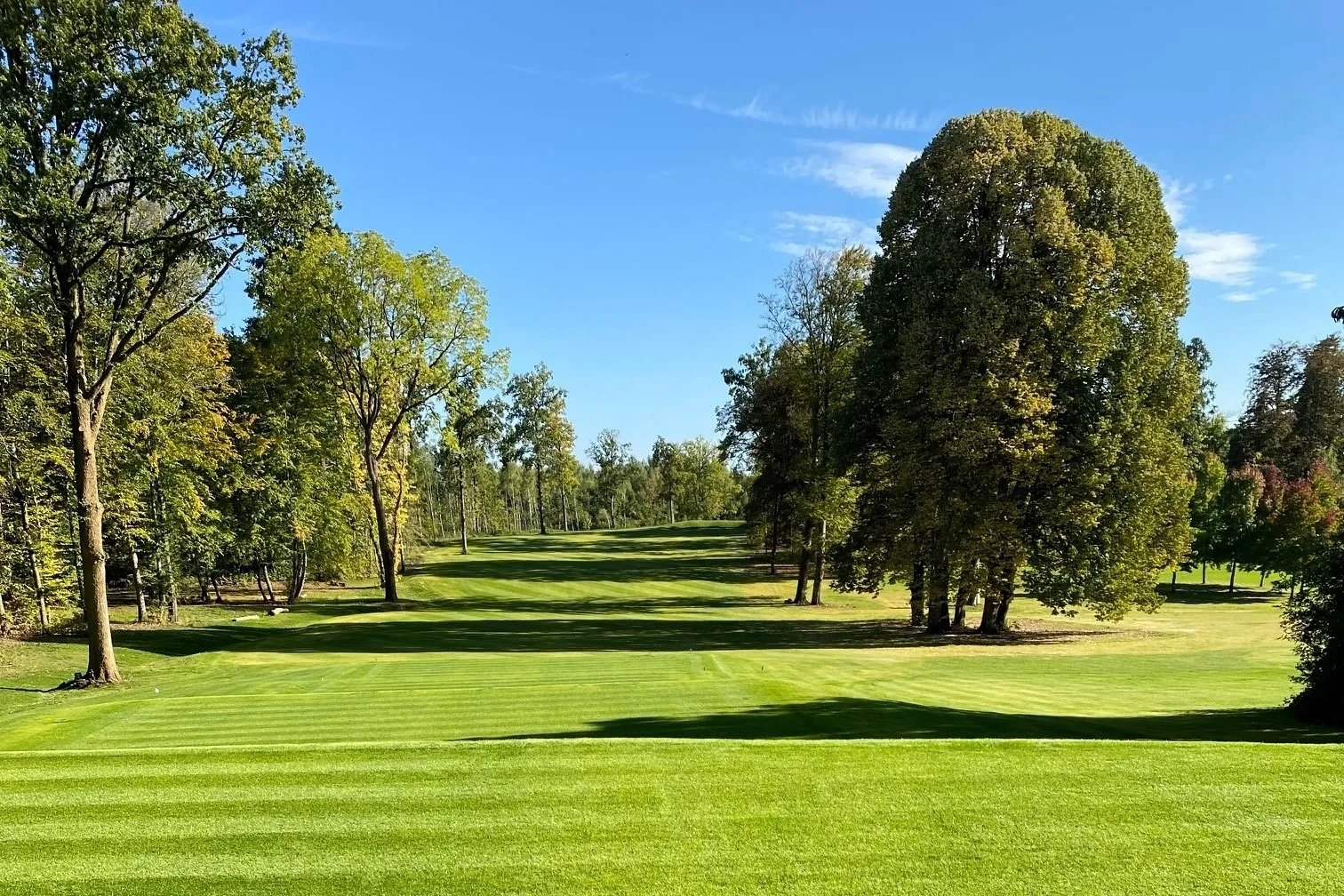
Nitrogen is the most important nutrient in the management of sports pitches, golf courses, public green spaces and high-quality lawns. It largely determines the growth rate, colour, recovery capacity and density of the turf. Successful turf management is not about maximising growth, but about maintaining a healthy balance between leaf growth, root development and soil life.
Excessive use of nitrogen can have undesirable effects. Turf that is continually stimulated to produce rapid leaf growth often develops a shallower root system, is more susceptible to drought stress and has lower resistance to disease and intensive use. In addition, the risk of thatch build-up increases, restricting the exchange of water and air in the soil. The focus is therefore shifting increasingly from maximum growth to controlled growth, with the aim of producing strong, sustainable and manageable turf.
Nitrate: quick results, but less sustainable
Nitrate nitrogen (NO3-) is the form of nitrogen most readily available to grass. As nitrate is easily taken up with soil water, it quickly has a visible effect on colour and growth. This makes nitrate useful for repair work, overseeding projects and other situations where a rapid response is required.
However, this high availability has a downside. Nitrate binds only weakly to soil particles and is therefore susceptible to leaching, especially on sandy soils, intensively irrigated sports pitches and during wet periods. Nitrate also mainly stimulates cell elongation. The plant takes up extra water to maintain salt concentration at a balance, resulting in longer, softer cells. The result is often deep-green turf that looks attractive but is less sturdy, less able to withstand wear and more demanding to maintain. Nitrate is therefore used mainly as a corrective or supplementary source of nitrogen.
Ammonium: investing in root development
Ammonium nitrogen (NH4+-N) is efficiently taken up by many grass species and converted directly into amino acids, the building blocks of proteins. As ammonium carries a positive charge, it binds to clay and humus particles. This means it remains available in the root zone for longer and carries a lower risk of leaching.
A fertilisation strategy with a higher proportion of ammonium often leads to stronger root development, improved leaching, more compact turf growth, greater drought and stress tolerance, and more efficient nutrient use. Ammonium also increases the availability of nutrients including phosphate, iron and trace elements. On sports pitches, golf courses and high-quality lawns, this approach can also help reduce the competitive ability of annual meadow-grass (Poa annua), while more desirable grass species benefit more.

Urea: efficient when applied correctly
At approximately 46% nitrogen, urea is one of the most widely used nitrogen fertilisers in the world. However, before the nitrogen becomes available to the plant, urea must first be converted into ammonium and then partly into nitrate. This conversion depends on soil temperature, moisture and microbial activity.
If urea remains on the soil surface for a prolonged period, for example in dry weather or without sufficient irrigation, ammonia volatilisation can occur. Some of the nitrogen is then lost. Urea therefore works best when the soil is sufficiently moist or when the area is irrigated immediately after application. Urease inhibitors can also improve nutrient use.
Slow-release and organic nitrogen
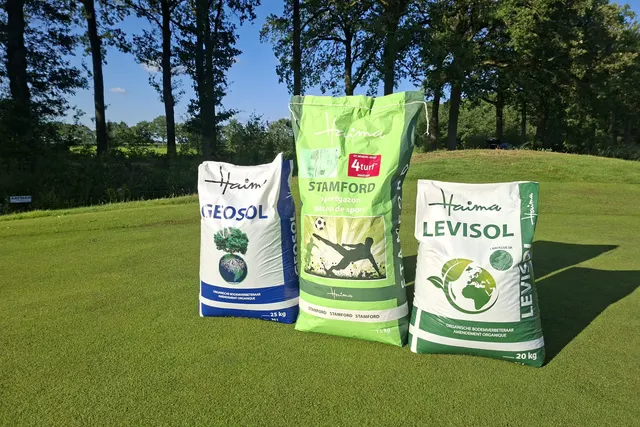
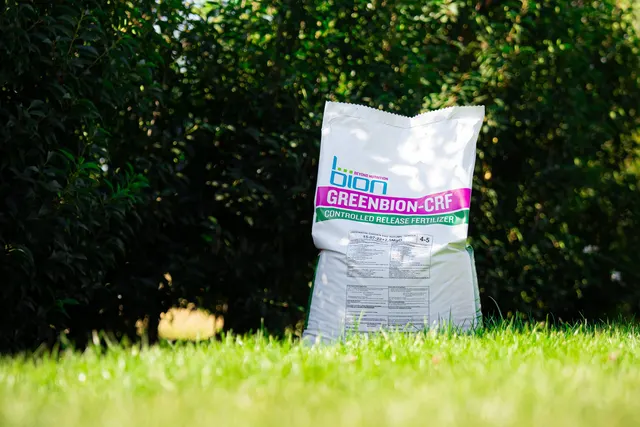
More and more green-space managers are choosing slow-release nitrogen sources such as methylene urea (MU), IBDU and other controlled-release compounds. These release nitrogen gradually, in line with grass growth and soil biological activity. This avoids growth peaks and keeps turf development more stable. The benefits include fewer fluctuations in growth, less leaching and volatilisation, deeper root development, more consistent playing quality and a lower maintenance burden. Although these products often cost more to buy, they can lead to lower maintenance and repair costs.
Organic nitrogen sources such as alfalfa, soya, blood meal and horn meal are also becoming more important. They feed not only the grass, but also soil life. This stimulates the build-up of organic matter, improves soil structure and contributes to better water management, greater nutrient availability, thatch breakdown and more resilient turf.

Soil and timing determine effectiveness
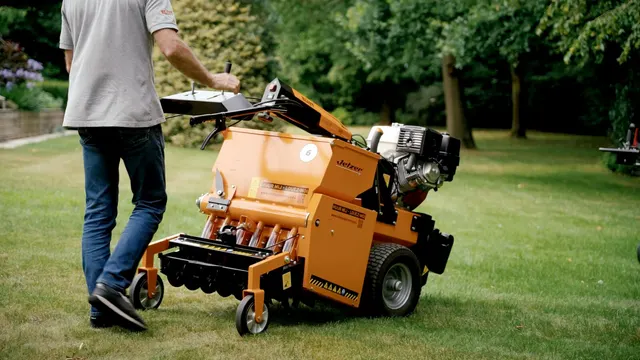
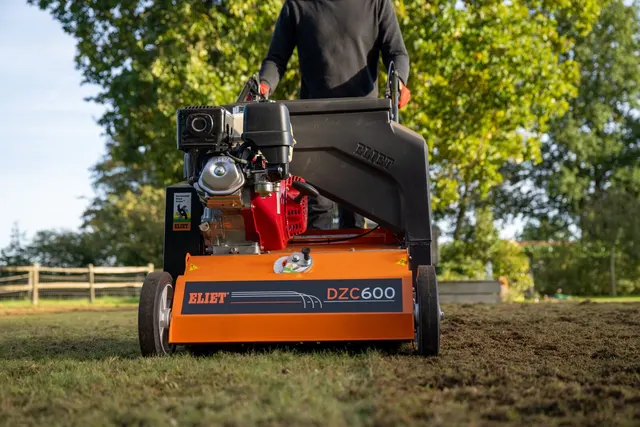
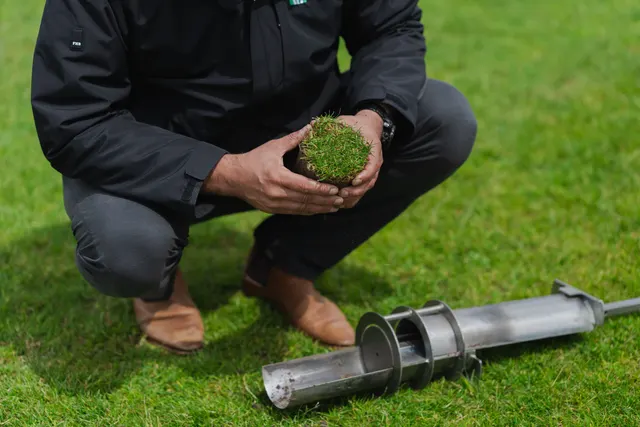
The effectiveness of nitrogen fertilisation depends on more than the fertiliser chosen. Healthy soil is the basis for efficient nutrient uptake. Compaction, lack of oxygen, poor drainage and limited microbial activity restrict the uptake of nutrients by the grass. Regular aeration, attention to organic matter and good water management therefore remain essential. Soil temperature also plays an important role. Below 6 °C, nitrogen uptake is very limited. Root activity starts at around 7 to 8 °C, and uptake is optimal between 9 and 12 °C.
As annual meadow-grass (Poa annua) generally responds to nitrogen more quickly than perennial ryegrass or red fescue, many golf courses opt for a cautious approach to fertilisation in early spring. Iron applications, biostimulants or soil-improvement measures are often used first.
Successful turf management requires the right form of nitrogen at the right time, tailored to soil conditions and management objectives. The aim is not to produce the fastest-growing turf, but turf that remains strong, healthy, sustainable and fit for the future.
Question about this story? Ask your question
Keep following this
Get an email when a new story is published. No account needed.
- ThemeHealthy soil and smart water management
- SubjectTurf management