Can a pot help your plant live longer?
Text Elise NoyezImage The Pots Company
People have high expectations of a garden or green space project. Classic or modern, formal or wild, green or colourful … a closer look at the specific wish list soon reveals a wide range of requirements. At their heart, they all have one thing in common: peace and quiet. And that means many things. It is not just about appearance, but also peace of mind. For 20 years, The Pots Company has developed sustainable pots and planters for indoor and outdoor use with this philosophy in mind.
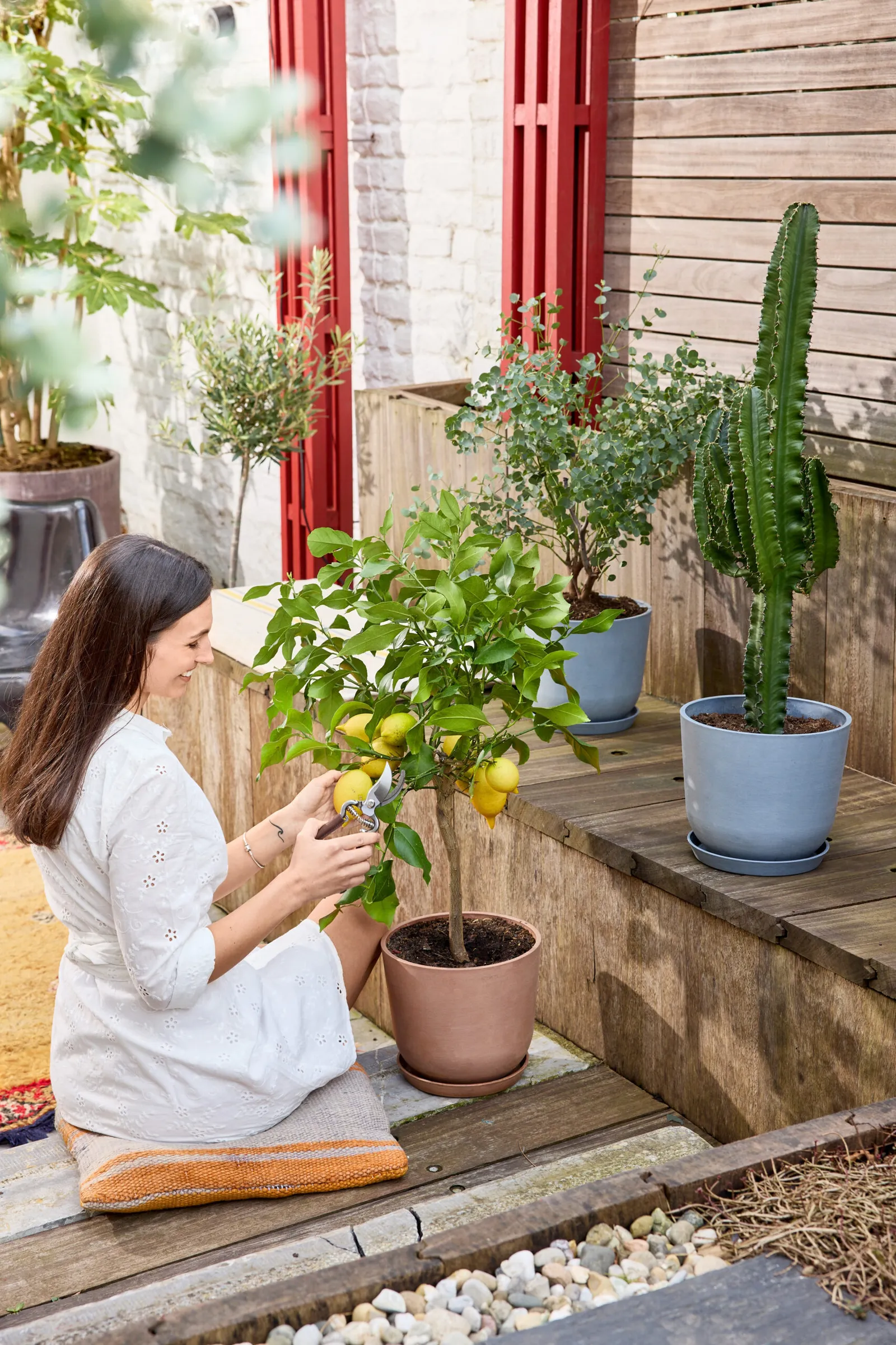
Although attention in a green space project often first focuses on what is literally in the ground, grass, perennials, shrubs, borders and flower beds, potted plants continue to play a central role in many gardens and green spaces. They form flexible groupings or, in the case of a single large specimen, create dramatic impact. The plant can never be viewed entirely separately from the pot it stands in. “A pot is like a house for your plant,” says Emmanuel Devriendt, who founded The Pots Company in Kortrijk in 2006. “It is not just for a week, but preferably for a lifetime. That is the philosophy behind both our Ecopots range and the more high-end Cosapots products.”
Sustainable according to three principles
From day one, sustainability has been the guiding principle at The Pots Company, particularly as interpreted through the Bauhaus design movement. “According to Bauhaus, there are three principles of ‘great design’: timeless design, a long lifespan and functionality. Our vision is based on these same principles. In other words, we are not simply led by trends, but create pots with a universal, timeless design in terms of shape, colour and texture, develop lightweight materials that last for decades, and make sure that plants in our pots are easier to care for.”
The strength lies in the material
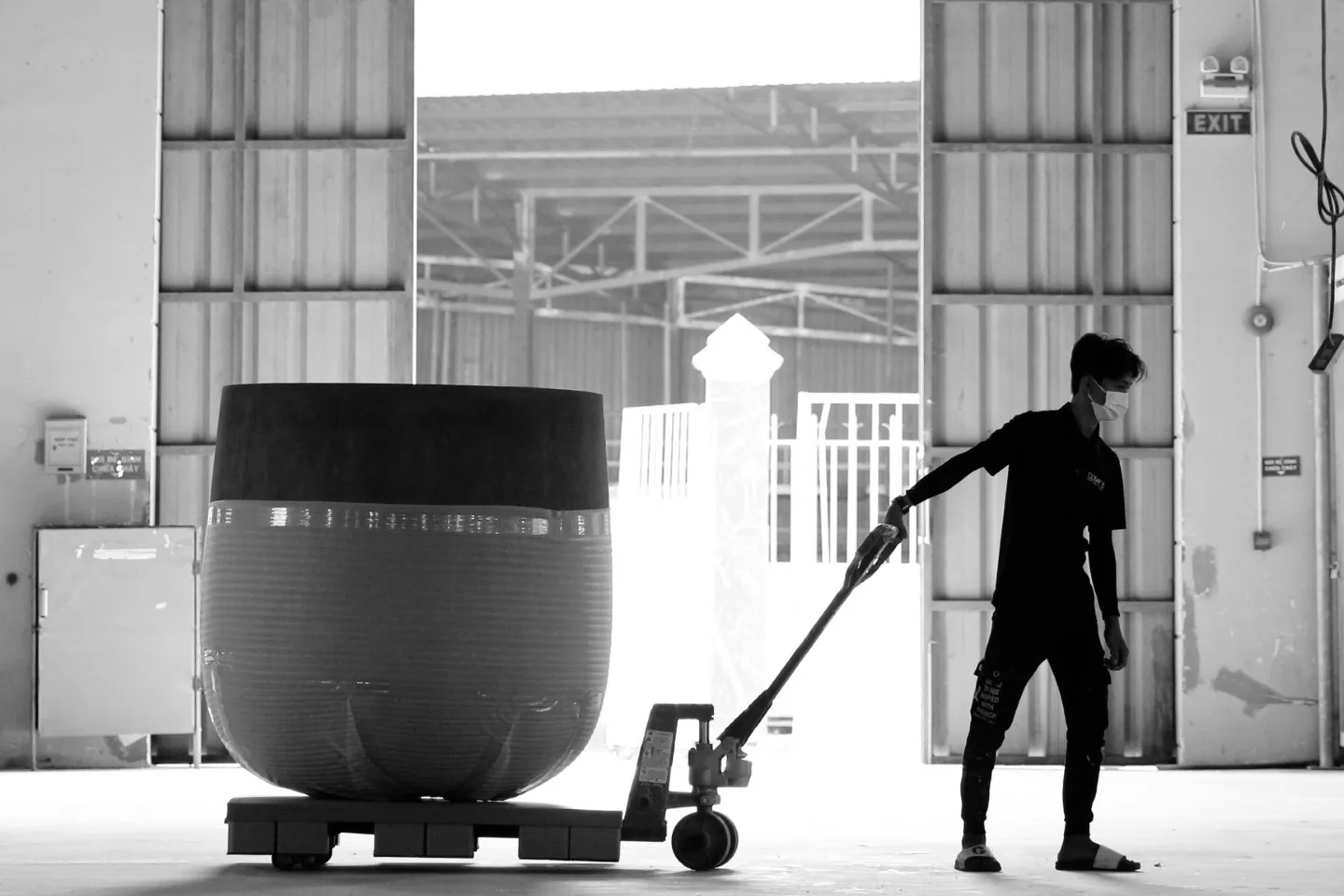
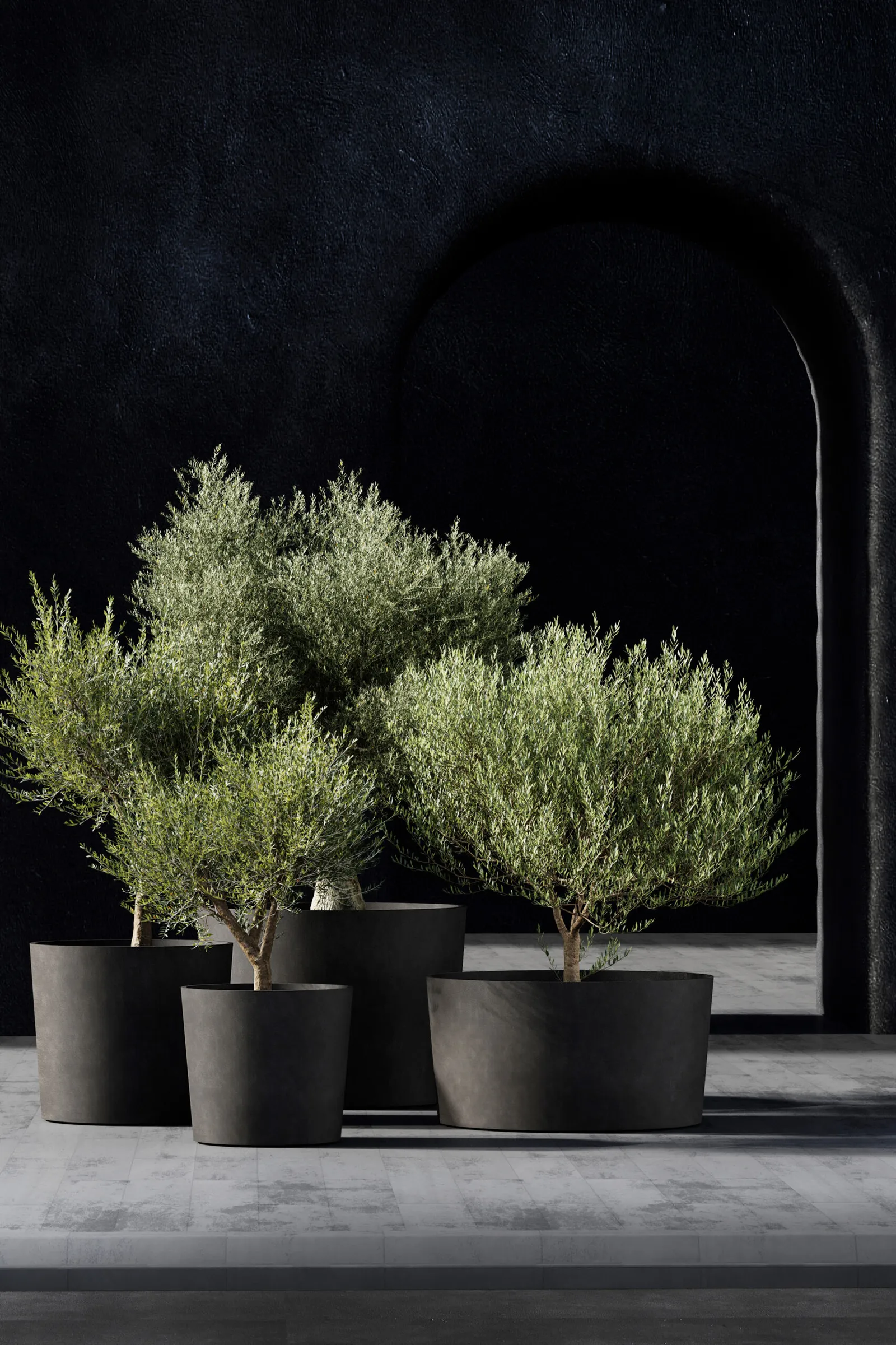
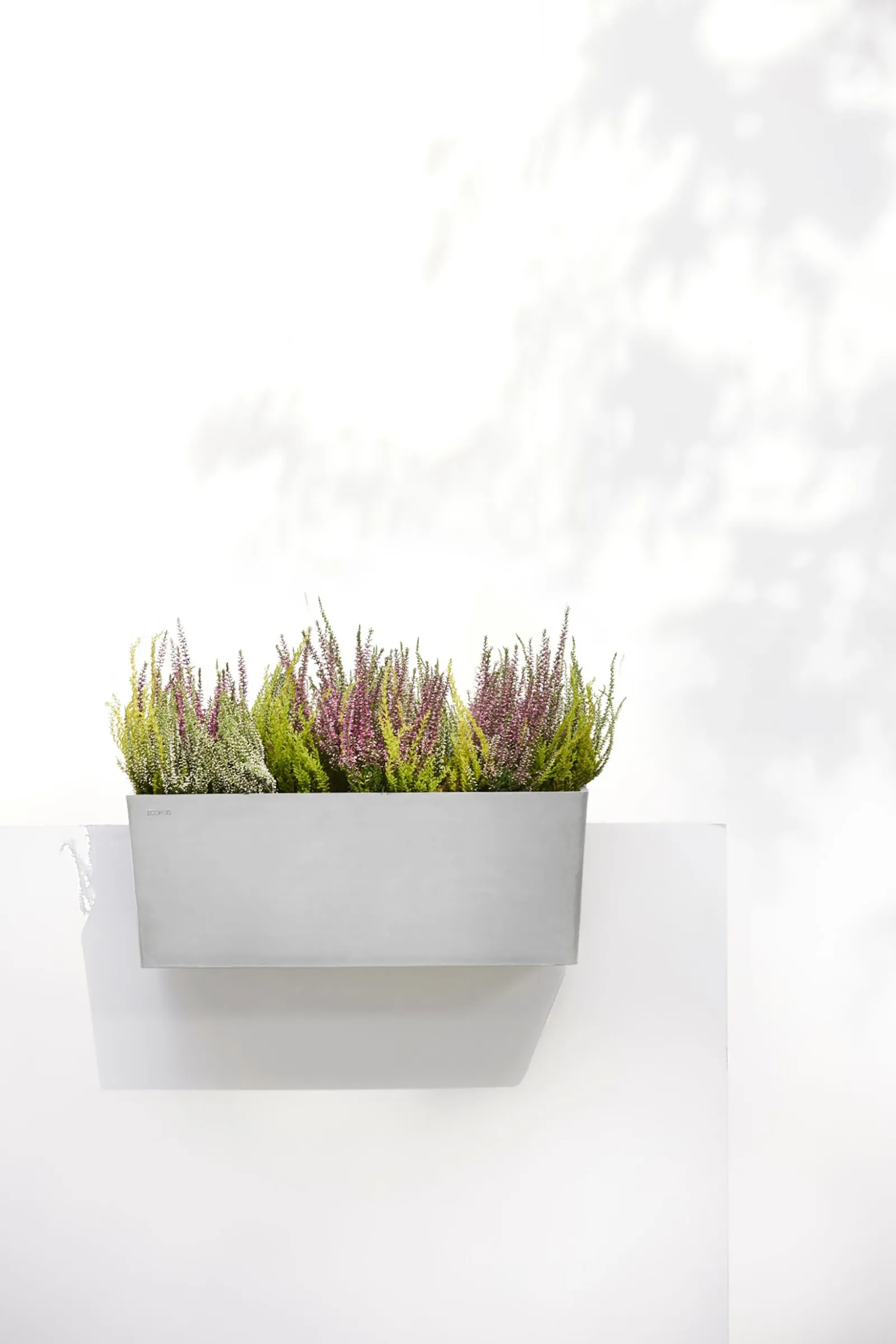
The material plays a central role in all three principles. Ecopots, available in sizes with diameters from 8 to 100 centimetres, are made from recycled plastics that are extruded, pressed and finished by hand. Cosapots’ more architectural products, with diameters ranging from 50 to as much as 300 centimetres, are made entirely by hand from a combination of high-quality fibreglass and polyester. “We have refined these production processes over many years,” says Devriendt. “Both produce a strong yet lightweight material, meaning even the largest pots remain easy to handle.”
The materials’ insulation value is another distinguishing feature. Devriendt says: “We have worked on this very deliberately with the technical and scientific knowledge centre Centexbel-VKC. The better the insulation value, the less the substrate is affected by temperature fluctuations and the better it retains water. This in turn helps plants survive more easily.”
Plant X
Ultimately, The Pots Company wants its products to make greenery accessible to everyone. Devriendt is happy to take a small detour to explain how. This year, under the name Plant X, he launched an alternative lightweight substrate in flake form. “It is an aminoplast based on organic material. Thanks to its excellent capillary action and gradual drainage of water, it creates a much better water balance, while its open-cell structure also allows air to reach the roots. Numerous tests, including those at PCS, confirm that the product leads to better growth.” Devriendt recommends watering from below using a saucer. “You can achieve significant improvements by replacing just 20 per cent of a conventional substrate with Plant X, but in principle you can even go up to 100 per cent. This also results in a considerable reduction in weight, especially with large pot volumes.”
Question about this story? Ask your question
Keep following this
Get an email when a new story is published. No account needed.
- SubjectProduct information