Lawn care in times of drought
Text and images Eliet
The past few months have been heartbreaking for lawn lovers. We have watched helplessly as one lawn after another swapped its fresh green colour for a lifeless rusty brown. As a landscape contractor, you can feel powerless. In spring, you put a great deal of care into scarifying and fertilising to get your clients’ lawns looking their best, only to see that same lush growth wither away a few months later. Even watering can feel like a desperate attempt to fight a losing battle: you do not know how long the drought will last or whether the water restrictions will be manageable. Like it or not, long dry spells are a phenomenon that landscape contractors must prepare for and adapt their lawn care practices to.
A lawn care expert should really divide the year into two periods: before the drought and after it. The lack of rain usually starts around the beginning of May and lasts until mid-August. With severe winters becoming less common too, you can start caring for lawns earlier and earlier in the year. The focus in spring is therefore mainly on preparing the grass as well as possible and equipping it to withstand the dry period ahead.
Before the drought: focus on soil and grass cover
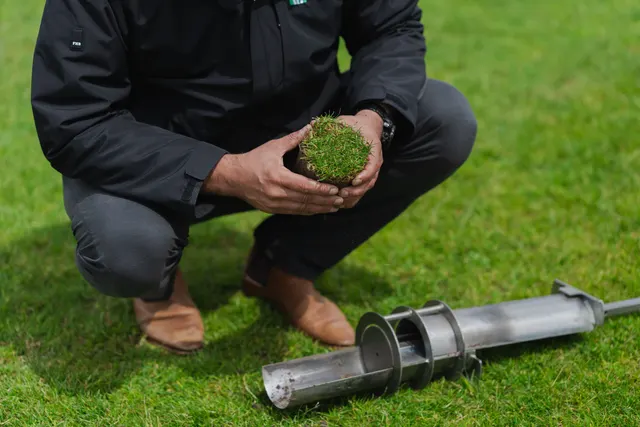
There are two areas a grass expert works on in the run-up to drought. First, the soil. It needs sufficient capacity to store and retain water at a depth the grass can still reach. The key properties are good structure, adequate permeability, sufficient organic matter and thriving soil life. These are not properties you can achieve in a single year. They must be built up, maintained and monitored over several seasons. Second, the grass cover itself. It should consist of the right cultivars, be healthy, have a strong, deep-rooting system and provide dense coverage. Overseeding to adjust the grass species and density, along with mowing and fertilising, gives the lawn expert the tools to get the lawn in the best possible shape before the next bout of drought.
After the drought: time to repair
The period after the drought is mainly about restoring the grass cover and replenishing water and other reserves for the coming spring. This is the most favourable time of year for grass: high soil and air temperatures, combined with sufficient rainfall and humidity. Grass plants experience little stress, making this a rewarding time for a greenkeeper to carry out a range of measures in a short space of time.
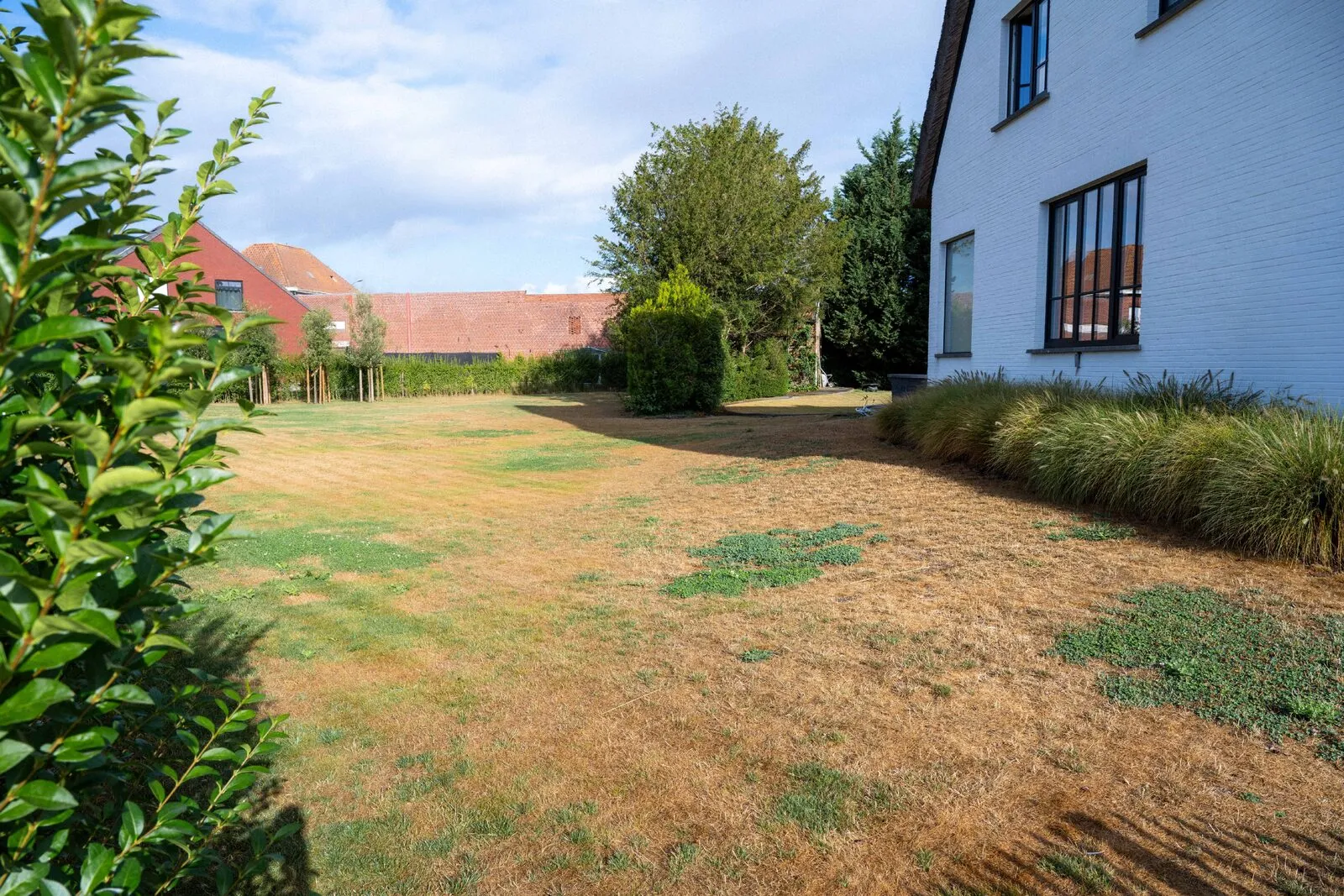
It is always remarkable to see seemingly lifeless brown grass spring back to life and regain its green mantle after a few good showers. Nevertheless, damage has been done, and there are places where the grass has died. This is instructive for a lawn expert: it shows exactly where there is a problem. This may be due to a deficiency in the soil, activity on the lawn or extreme exposure. It is therefore worth finding the cause and taking the first steps to address it in autumn.
Autumn: time for a thorough approach
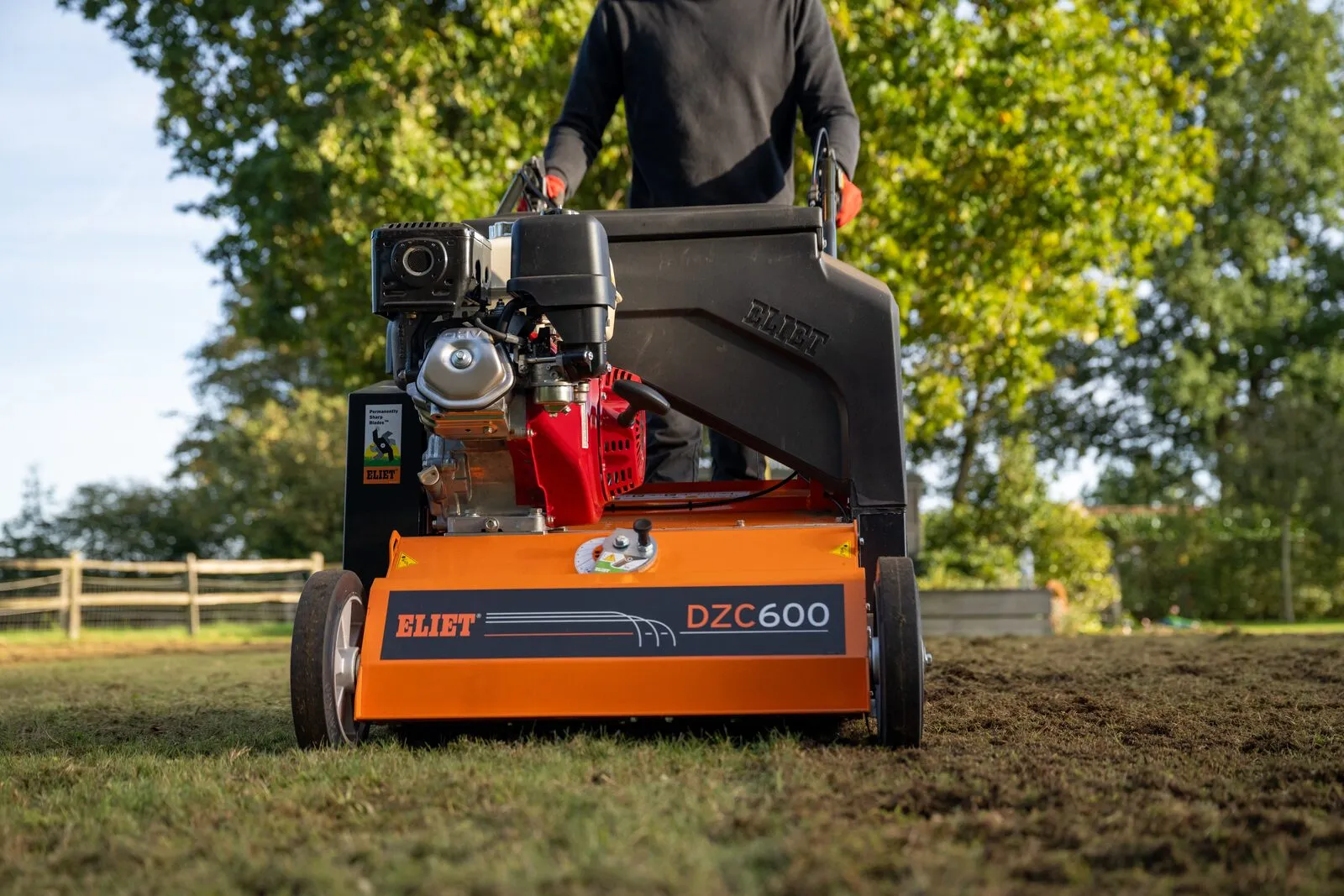
Although the grass is green again by now, a great deal of leaf matter has died. That is why it is a good idea to give the lawn a thorough treatment in autumn. Start by clearing the turf of excess dead organic matter. This creates space between the grass plants and allows sunlight to reach the soil. That stimulates photosynthesis in the new leaves, which is needed to produce the extra sugars required for recovery. It also encourages root growth and, in some creeping grass species, above-ground runners.
Overseeding for a dense, strong sward
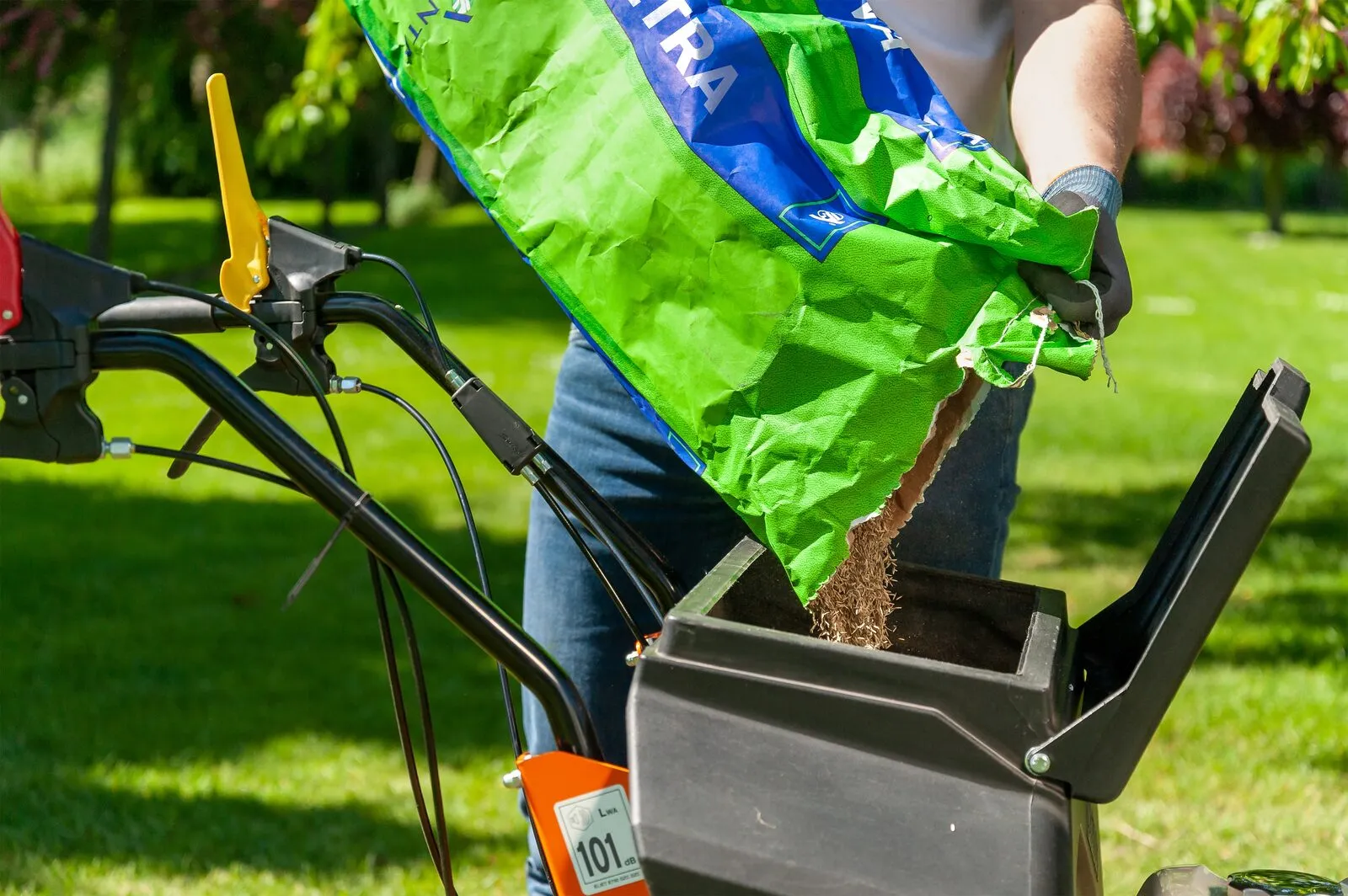
To make up for the loss of grass plants and restore turf density, overseeding is recommended. Sow at a rate of at least 30 grams per square metre to ensure a plentiful influx of fresh young grass. The choice of seed mix also allows you to adjust the grass cover in terms of drought resistance. Choose an advanced overseeder that injects the seed directly into the soil in closely spaced rows.
Favourable autumn conditions mean that young grass emerges within two weeks. This is essential: every extra week of growth before winter makes the plants stronger and gives them a better root system. A suitable autumn fertiliser provides a further boost to recovery.
Aeration, topdressing and soil improvers
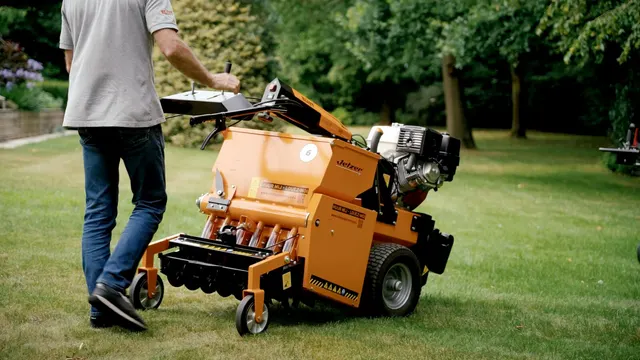
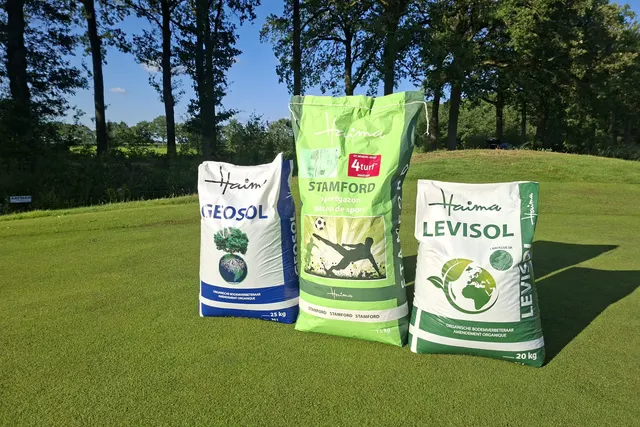
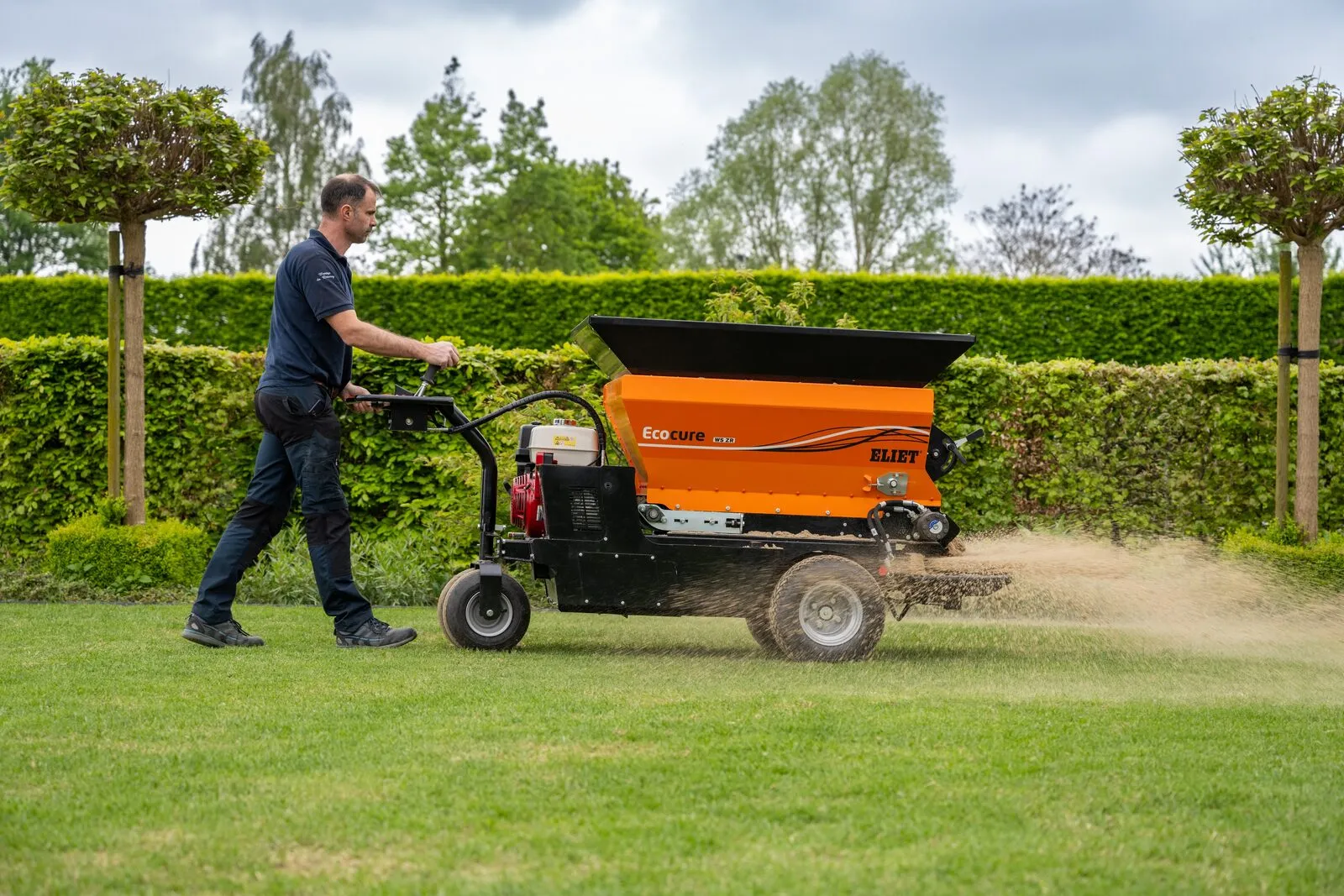
Autumn is also an ideal time to aerate and then topdress. This can improve water permeability, for example, while also adding organic matter to the top layer, which is essential for retaining water. It is also an excellent time to apply soil improvers. Belgian manufacturer ELIET developed its Jetzer®, a machine that incorporates soil improvers directly into the soil. This delivers the product straight to the root zone, enhancing its effectiveness and limiting product loss.
Combining lawn rejuvenation with a soil improver can bring about a transformation you would never have thought possible after the parched appearance of summer. Ultimately, this is what makes lawn care so fascinating and intriguing, and gives both landscape contractors and lawn owners that blissful sense of satisfaction time and again.
Question about this story? Ask your question
Keep following this
Get an email when a new story is published. No account needed.
- ThemeHard-wearing turf
- SubjectTurf management