Spring drought has a greater impact on sports pitches than many managers realise
Text Elise NoyezImage DLF
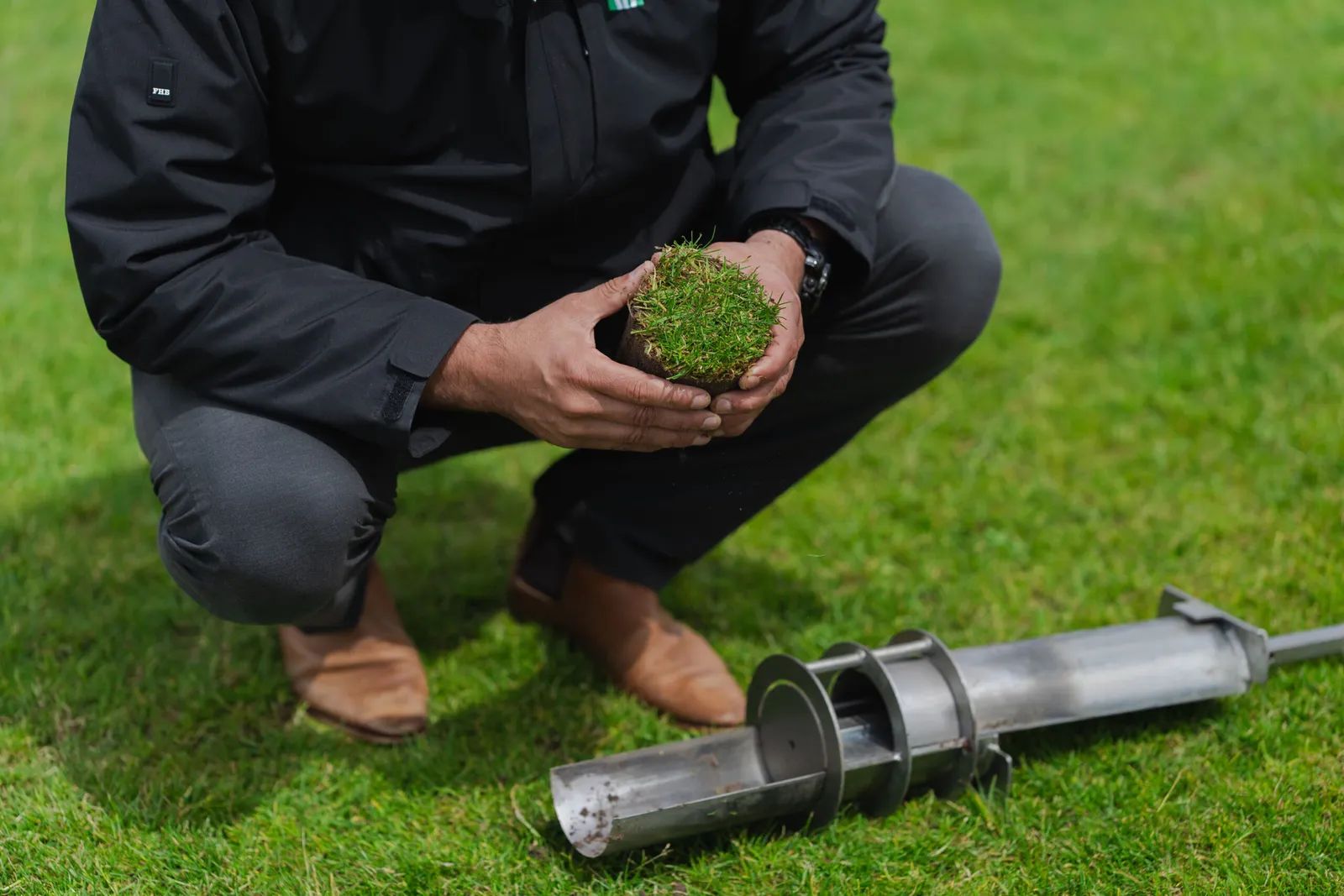
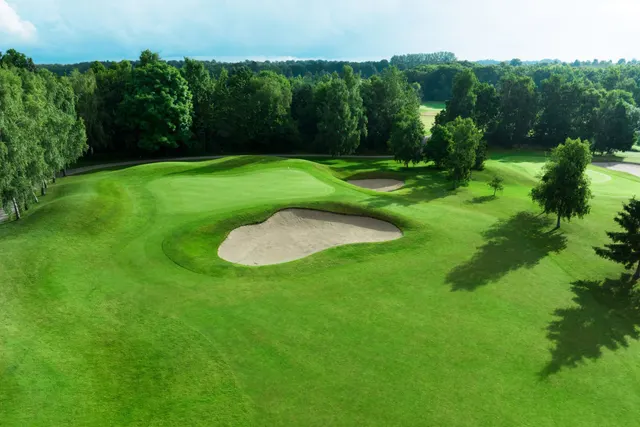
April was one of the driest in years, and a first heatwave was narrowly avoided at the end of May. Flanders has been under code yellow since 1 June because of the current drought conditions. Although the effects are not yet visible on many sports pitches, Erik Dolstra stresses that spring drought does have an impact. The recreational grass specialist at DLF explains what happens below ground and how pitch managers can protect against it.
Sports pitch managers have had to contend with heat and prolonged drought more often in recent years. “In practice, people tend to focus mainly on summer drought,” says Erik Dolstra, “but the problems often start earlier. It is in spring that grass plants develop their root systems and build up reserves to cope with heat, drought and wear later on. If moisture shortages occur during this period, that development is disrupted and the plant will no longer be able to withstand subsequent periods of stress.”
A good foundation
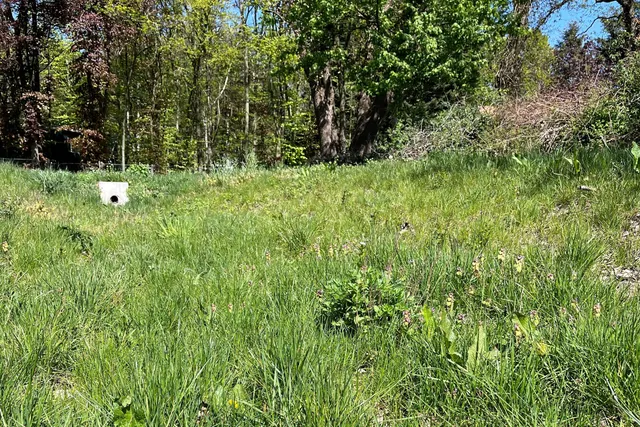
A green sward does not automatically mean there is no problem. “The damage occurs primarily below ground. High soil temperatures and drying surface layers inhibit root growth and the uptake of water and nutrients. The deeper the roots, the better equipped the sward is to withstand these conditions. A well-developed root system gives the plant access to available moisture for longer and enables it to remain physiologically active even in difficult conditions.”
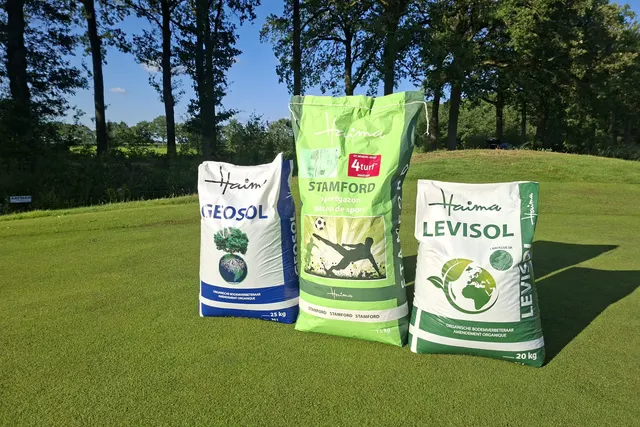
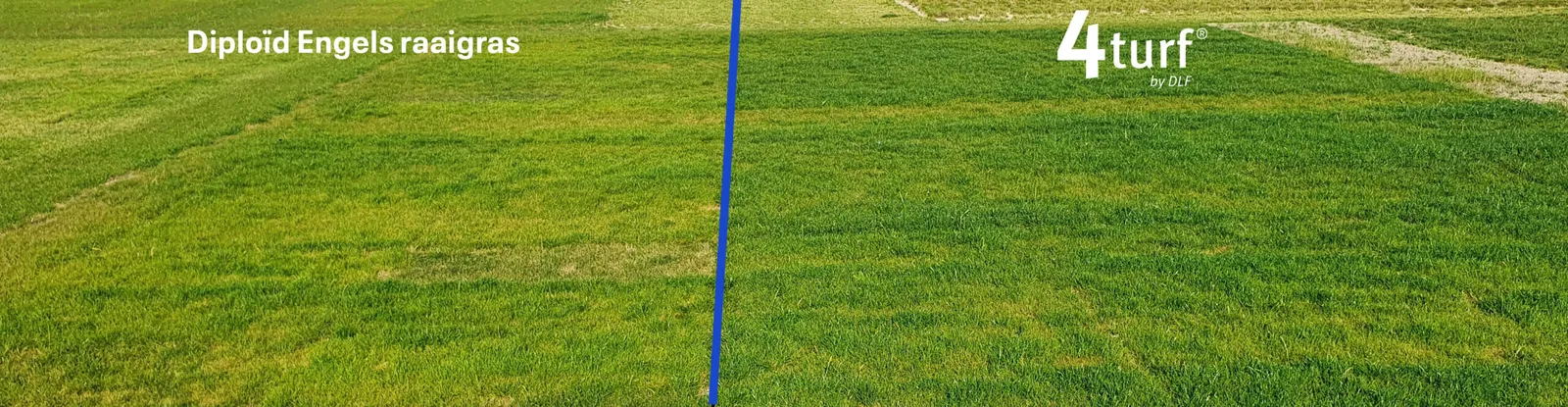
This is one reason why 4turf® varieties are so important in sports pitch management. “These varieties have deeper roots, greater root mass and a rapid recovery capacity,” says Dolstra. He sees a particularly promising future for combining them with Kentucky bluegrass, which forms an extra-strong sward thanks to its rhizomes. In time, tall fescues may also play a role. “Their deep roots are a major asset, and breeding is now also delivering significant improvements in appearance and wear tolerance.”
Irrigation is an art
As soon as drought sets in, whether or not its effects are visible, maintenance needs to be adjusted accordingly. That means stopping mowing and irrigating judiciously. “If you apply small amounts of water frequently, there is no incentive for roots to grow deeper. It is much better to irrigate thoroughly every two to three days, so that water reaches the deeper soil layers too. A good rule of thumb is to irrigate until the moisture level reaches 25%, then water again only when it has fallen to 15%,” Dolstra advises.
If a period of drought coincides with overseeding, it is harder to strike the right balance. “For practical reasons, overseeding is mainly done during the summer break, but this is a very stressful period for young grass plants. I recommend overseeding several times throughout the season. Although wear will cause some losses, this ensures continuous renewal and reduces the impact of drought.”
Recovery for the long term
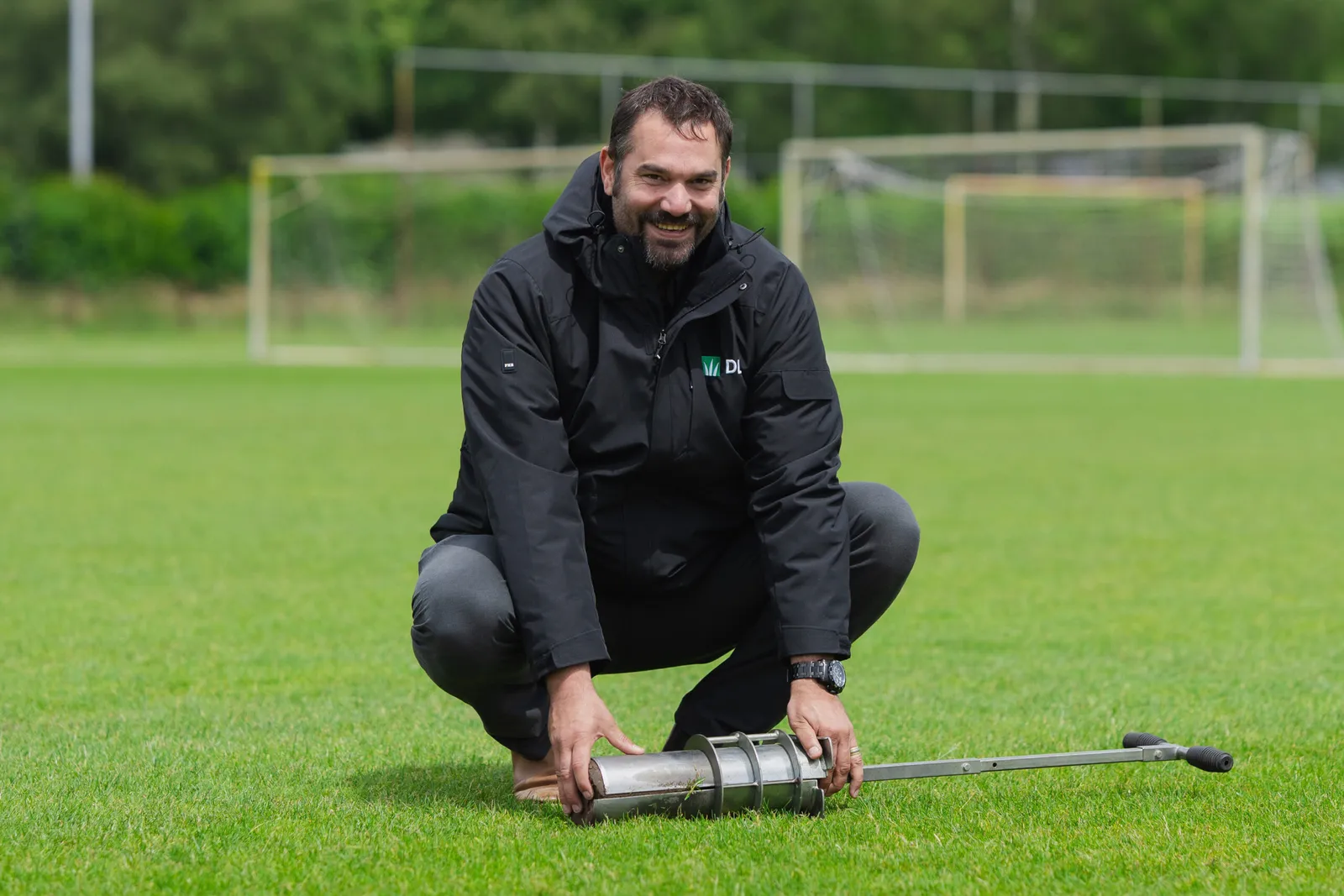
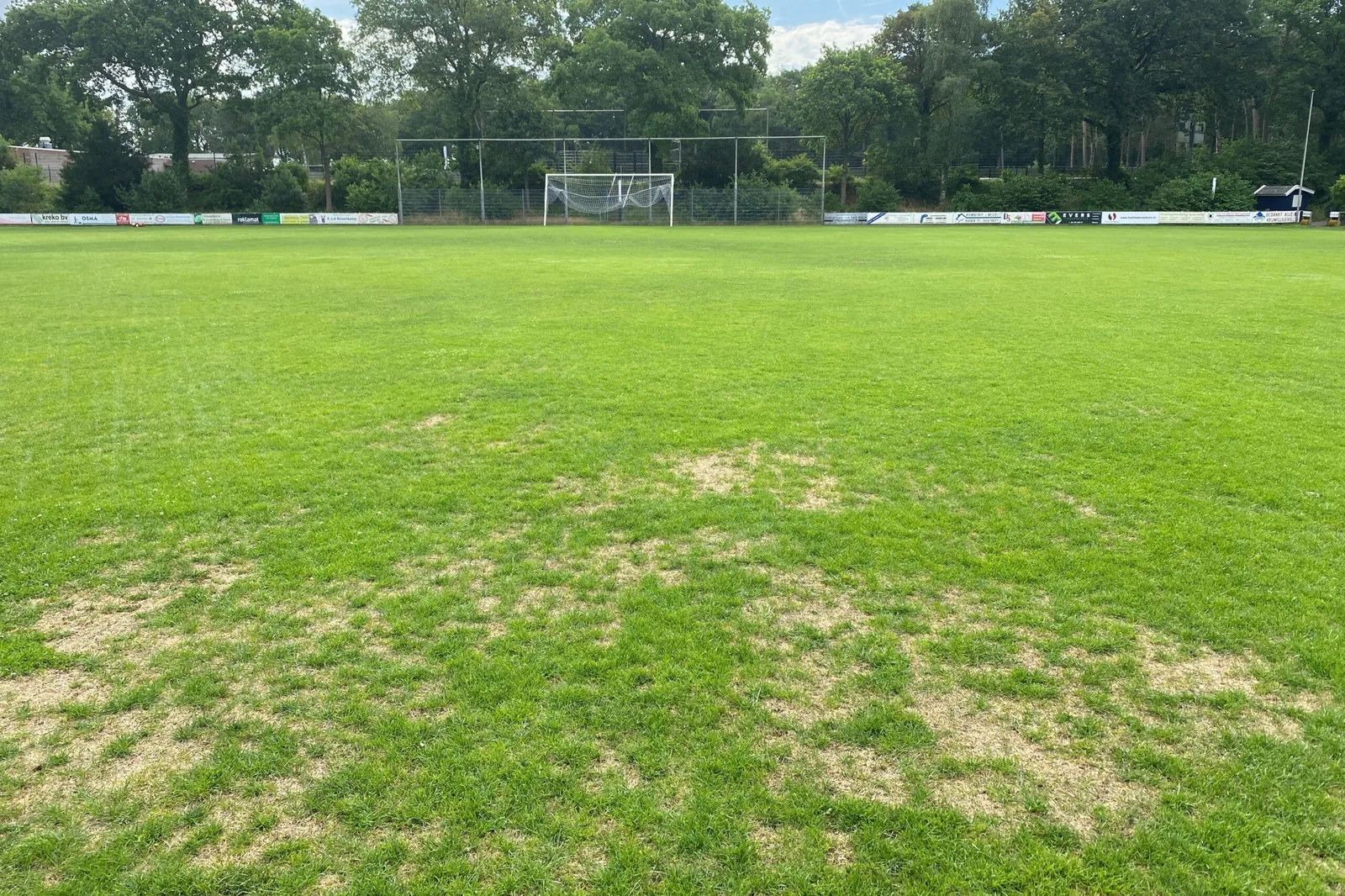
If drought patches do occur, there are essentially two things to do. “First, use wetting agents to help the soil and plants absorb water again. Second, analyse the problem. What is causing it? Are other pitches performing better, and can I change my maintenance strategy or make my pitch more resilient by using different grasses? This will help prevent the same problems from recurring next year.”
The strength of natural grass
Climate change undoubtedly presents challenges for the maintenance and management of natural sports pitches. In some cases, it may prompt questions about switching to artificial turf. “Of course, you need to look at the whole picture,” Dolstra cautions. “Research by Natalie Theeuwes (Wageningen University) shows, for example, that the surface temperature of an artificial turf pitch can rise to more than 60°C on a hot summer’s day. Under the same conditions, a natural grass pitch reaches around 30°C. This has a considerable impact on both the playing experience and the urban heat island effect,” he concludes.
Een zakelijke vraag aan DLF BV? Get in touch
Companies in this story

Keep following this
Get an email when a new story is published. No account needed.
- ThemeHard-wearing turf
- SubjectTurf management
- CompanyDLF BV