Swimming in your own swimming pond or pool is still safer
Text and images Guido Lurquin
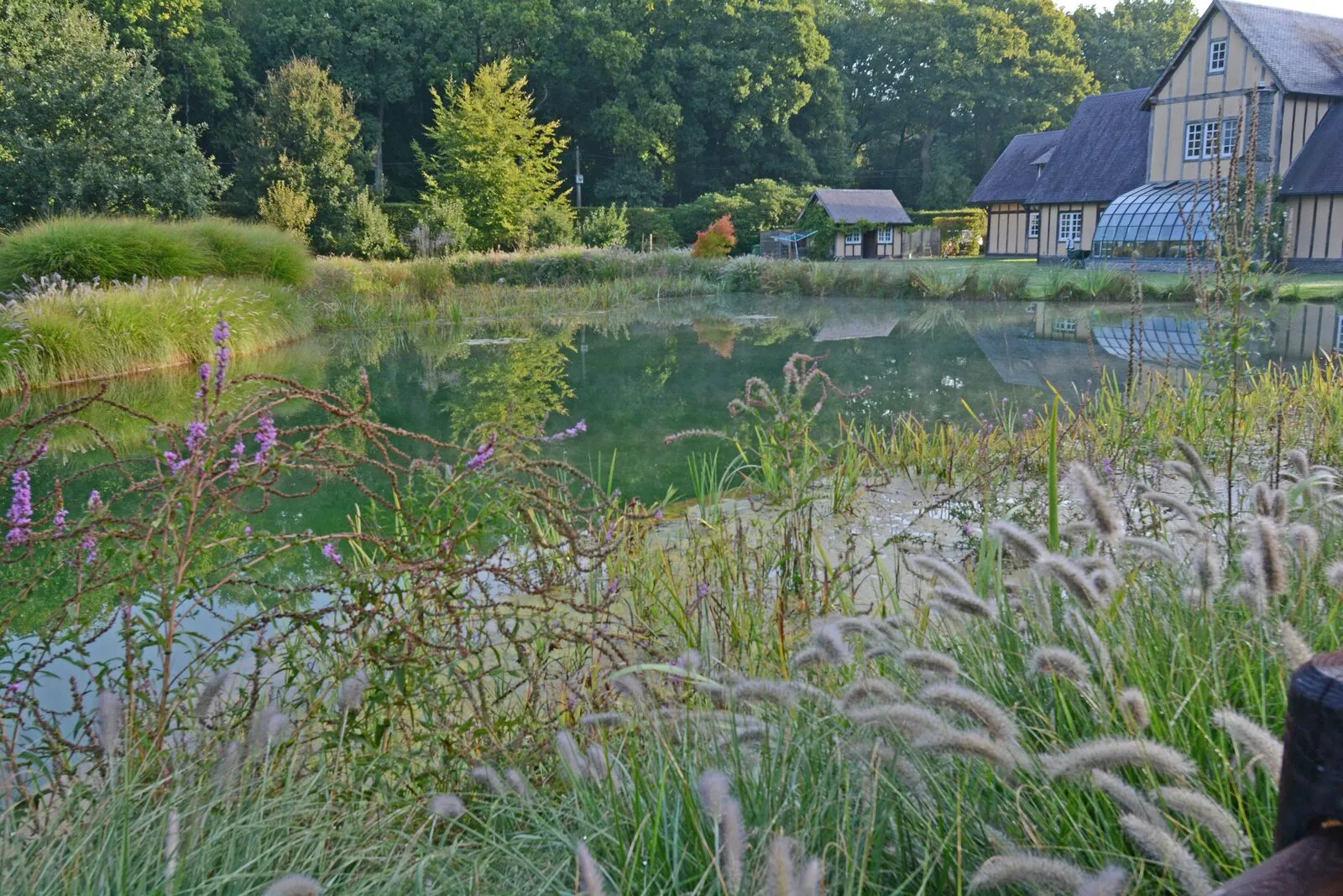
Swimming in open water, swimming in nature … it sounds idyllic, but in the coming years it will very likely remain risky and, in many places, even too dangerous. A case for swimming in your own swimming pond.
Last summer was long and extremely hot. Heatwaves followed one another in quick succession. This has a negative impact on our health. Cooling down, for example with a shower or a dip, helps and is one of the official recommendations for regulating body temperature on hot days. Politicians responded. The common thread is that access to ways to cool down, through public swimming waters, shade or trees, is no longer seen as a recreational “luxury”, but is being redefined by various parties as a crucial component of public health and a core responsibility of government. In Flanders, the law is even being amended so that from 1 June 2027, swimming in open water will be permitted everywhere unless explicitly prohibited.
Invisible dangers
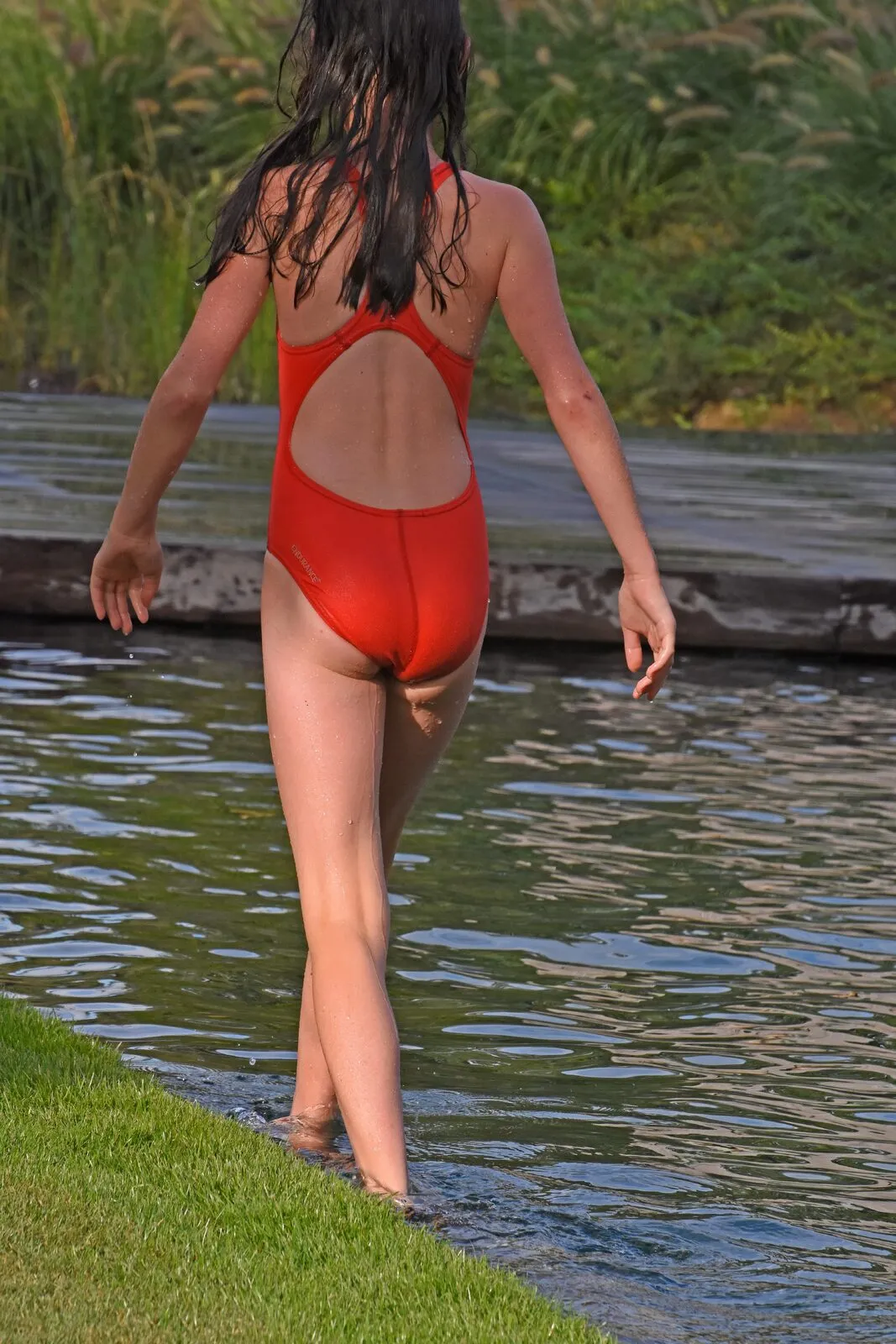
As there will be no lifeguards or supervisors at the new locations, responsibility rests entirely with swimmers. Statistically, swimming in nature is risky, particularly for those aged between ten and twenty. This is mainly due to invisible dangers and unpredictability. Taking a quick dip in the water out in nature may sound fun, but it is often life-threatening because of unexpected temperature differences, undercurrents, poor visibility, sudden changes in depth and tangled aquatic plants. Other hazards often include shipping, pollution and the presence of blue-green algae. At present, only half of the major waterways in Flanders are clean enough for swimming.
Not like swimming in a pool
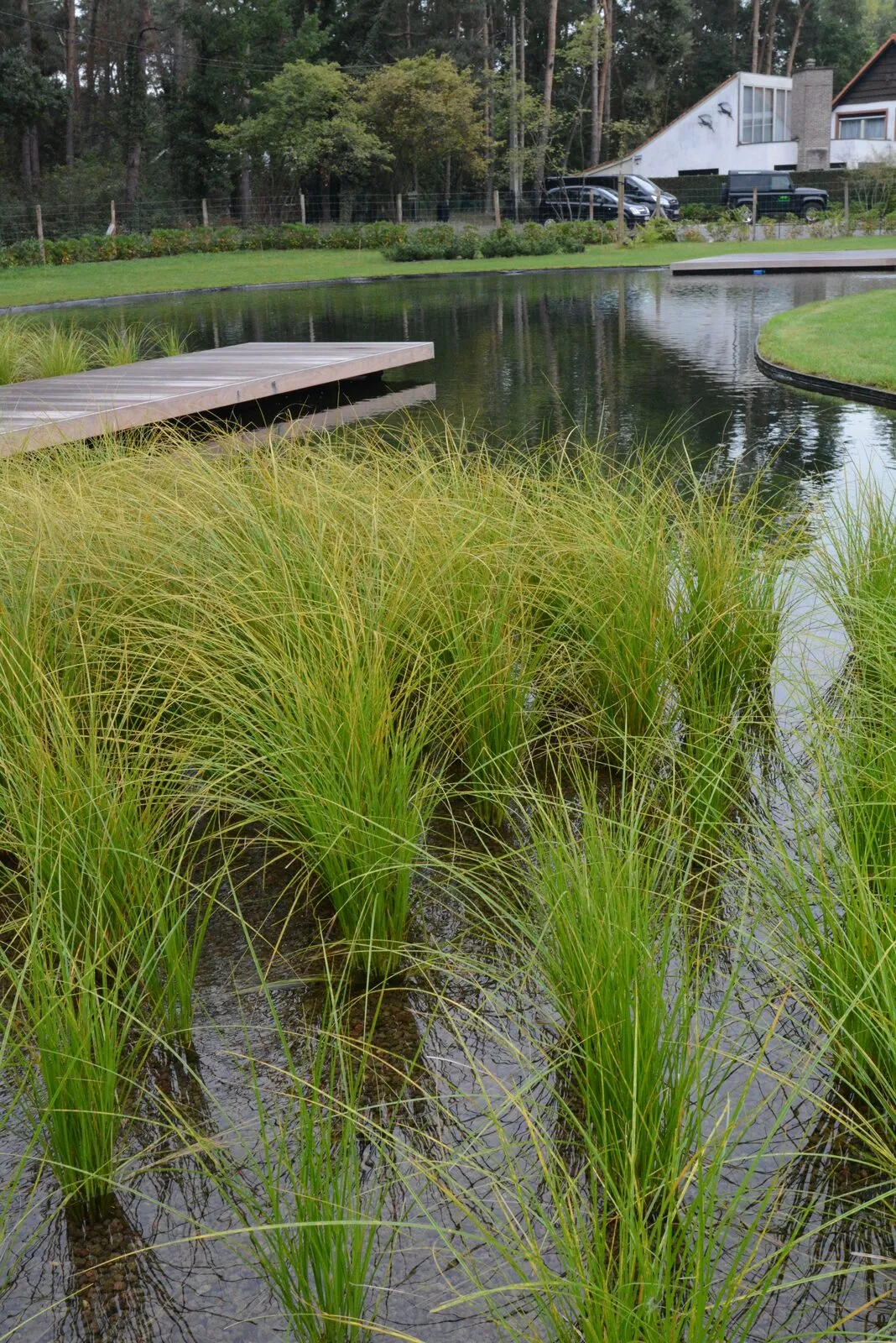
There are also concerns that the average swimming ability of young people in Flanders is declining, further increasing the risks at unsupervised locations. Swimming in open water is much more complex than swimming laps in a pool. If you get into trouble, you cannot simply get out on to the side. Greater distances, currents and aquatic plants mean that you need to be a strong swimmer, and it is best never to swim alone in nature. Swimming in nature is a different discipline from swimming in a pool. In Scandinavian countries, swimming long distances, open-water swimming and survival techniques in nature are all compulsory parts of the school curriculum.
Safe swimming in your own pool
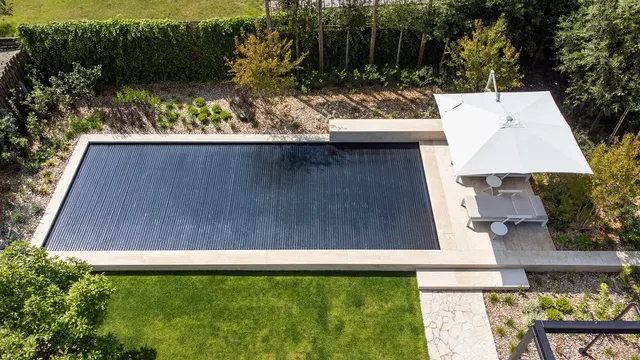
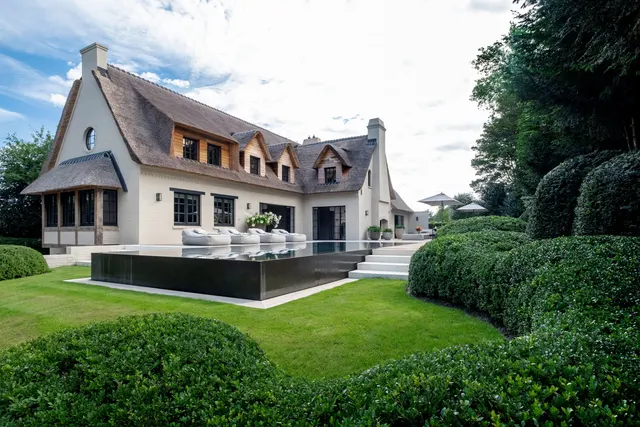
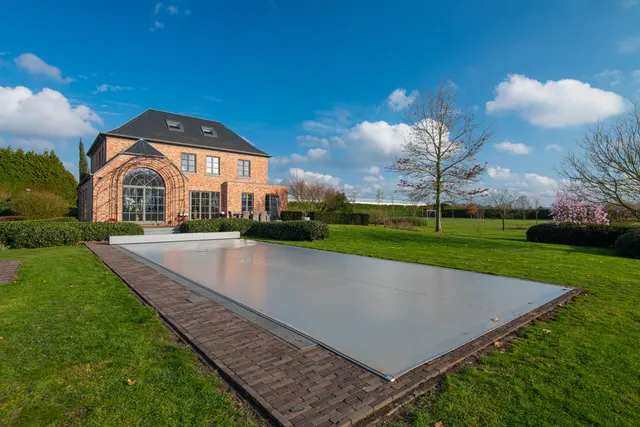
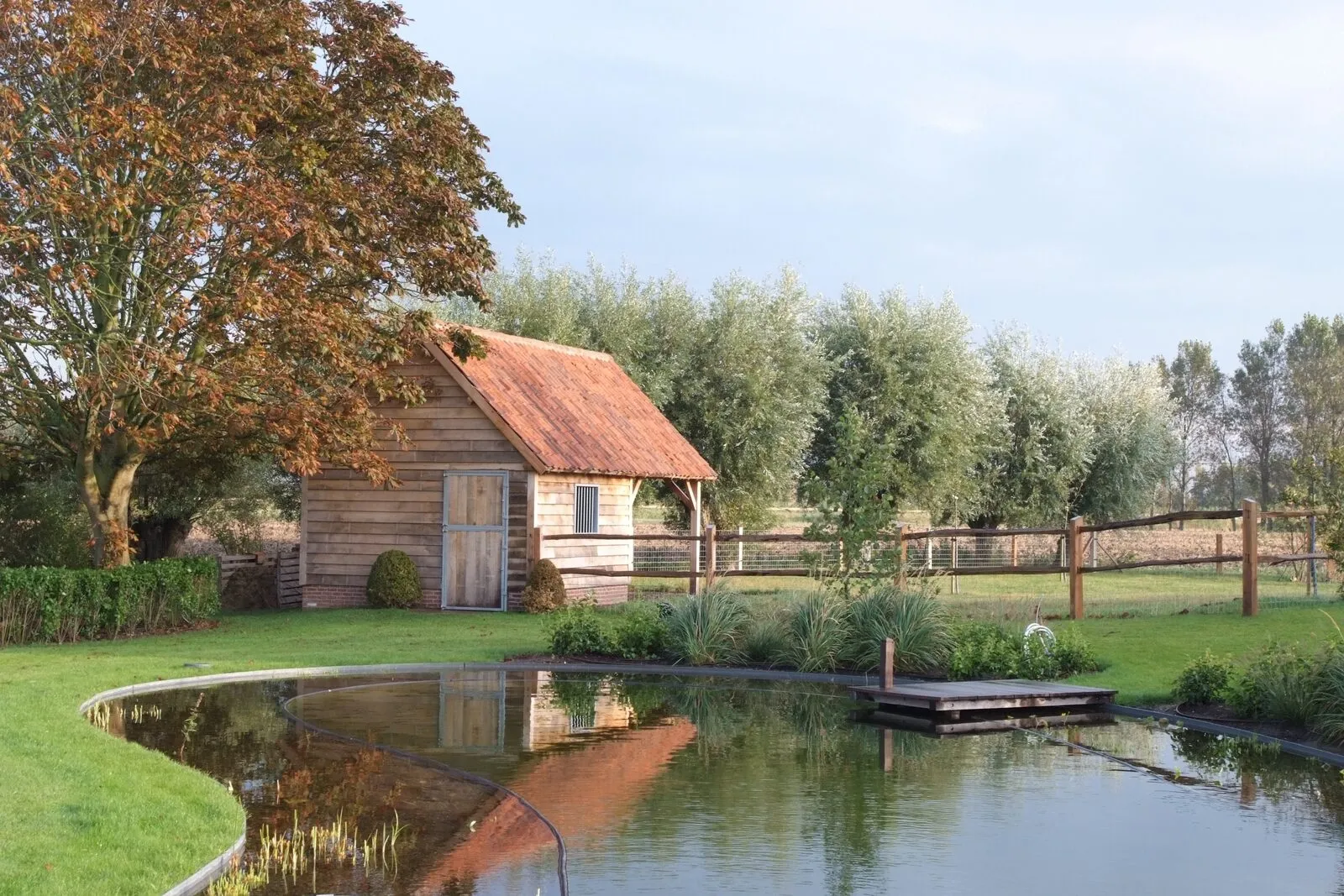
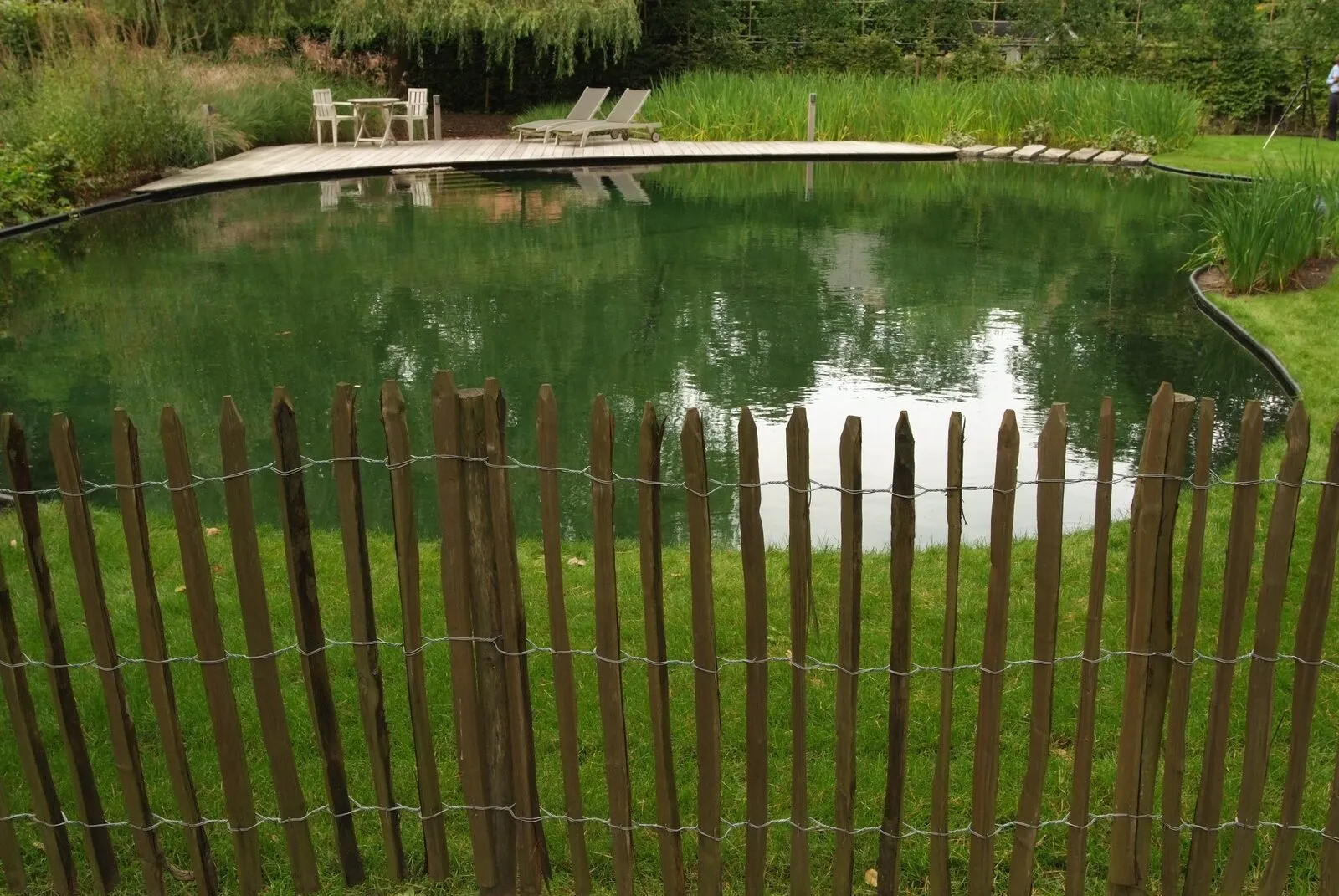
There are many private swimming pools and swimming ponds in our gardens. Accidents do happen here too. The danger often lies in a moment without supervision, when a toddler silently falls into the water. We see very few problems among older age groups at private swimming facilities. To make a pool or private swimming pond safe for toddlers, a combination of fencing and close supervision is needed. A sturdy fence 120 centimetres high and a gate that closes automatically and cannot be opened by a toddler are certainly not an unnecessary luxury.
Reconnect with nature
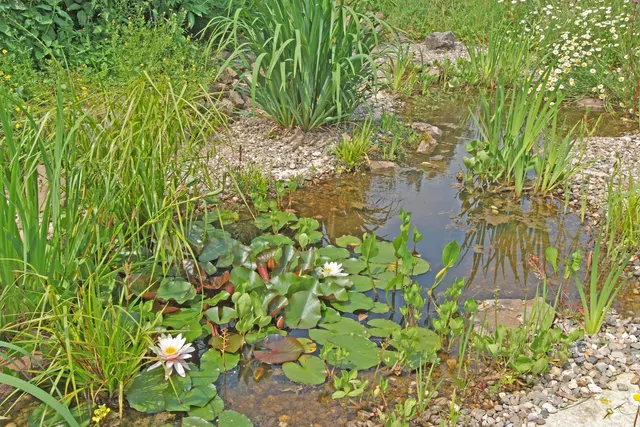
Learning to swim well and learning how to handle water are important. Having your own pool in the garden certainly helps with this. A private pool has clear water, a flat, often visible bottom and no significant current. A swimming pond is a little more like swimming in fresh water in nature. The waterproof lining is often dark, limiting visibility of the depth. The plants in and around the pond bring children into closer contact with nature and help them learn about it. The downside is that these aquatic plants can sometimes cause panic. Thrashing around can make the plants wrap more tightly around the body, potentially leading to exhaustion and drowning. The right response is to stay calm. Roll on to your back and use gentle paddling movements with your hands to manoeuvre yourself horizontally out of the plants.
The benefits of a swimming pond
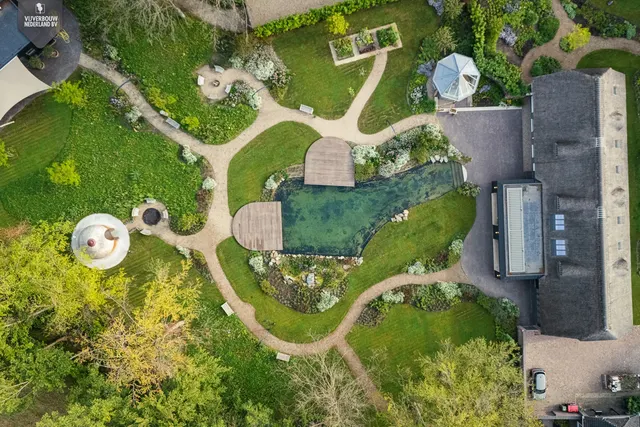
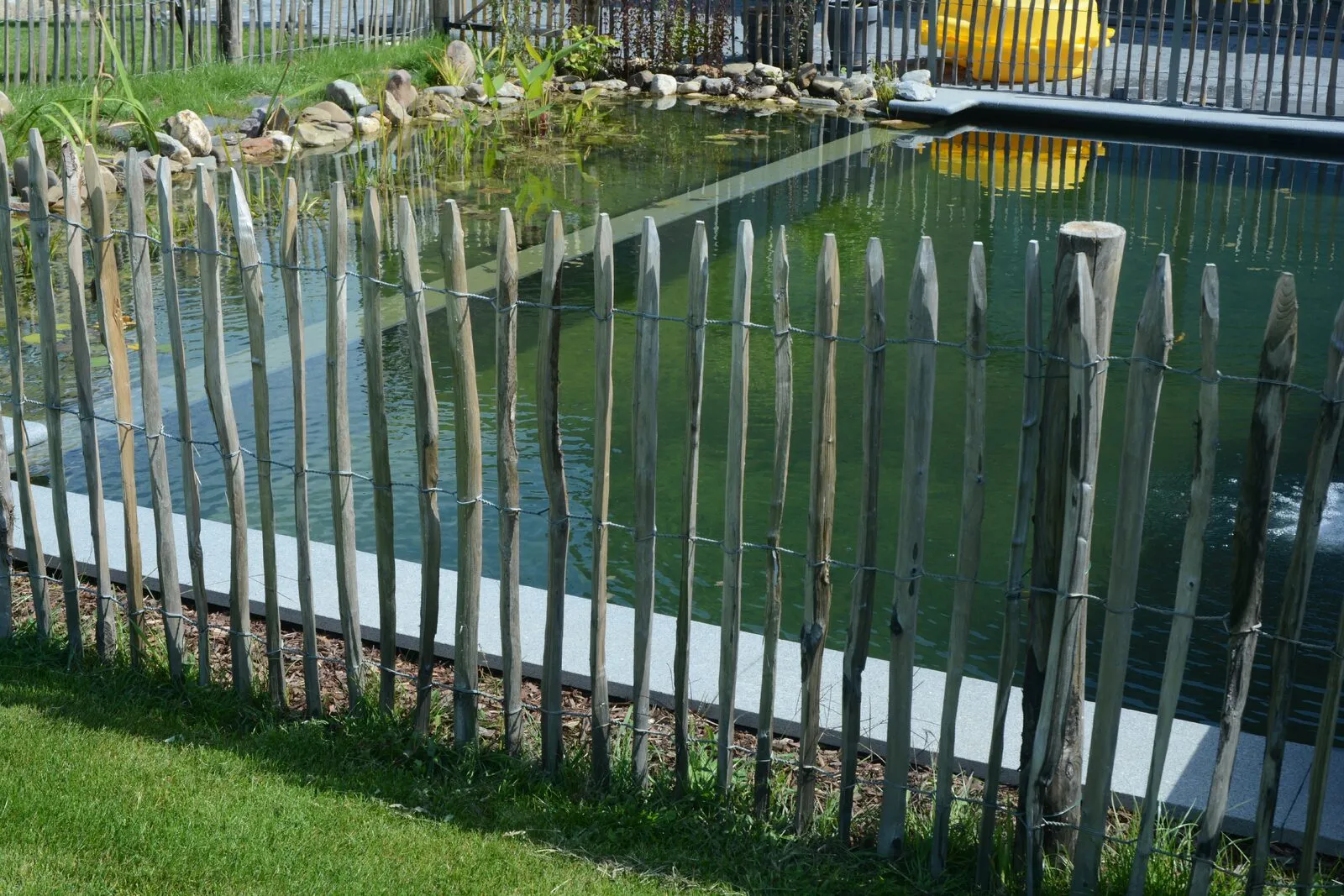
In recent years, swimming ponds have gained significant market share over traditional chlorine pools, thanks to their ecological benefits, lower energy costs and natural presence in the garden during the winter months. Now there is another argument in their favour: they help people learn to swim in more natural water. The running costs of a swimming pond are low. The circulation pump does not need to work hard and uses very little electricity. Nature keeps the water healthy, so it does not need to be replaced. Heat pumps are used less often, as heating the water above 26 degrees Celsius disrupts the pond’s biology. Maintaining a swimming pond mainly involves seasonal gardening: pruning the marsh plants in autumn or spring and vacuuming the bottom a few times a year. Nature does the rest. And in winter, there is nothing to do. The pond remains an attractive, natural feature of the garden. The pump continues to run at a low setting, usually at about 40 per cent of its summer flow rate. That further reduces the already low energy costs.
Question about this story? Ask your question
Keep following this
Get an email when a new story is published. No account needed.
- ThemeWater and hard landscaping in the garden
- SubjectSwimming ponds & pools