Tree nursery Duchêne chooses variety and quality over volume
Text Trees AccouImage Boomkwekerij Duchêne
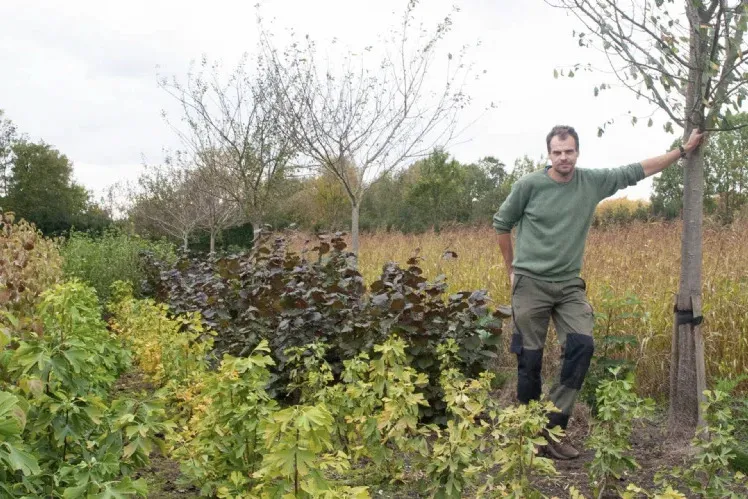
Those looking for high-quality, unusual plant varieties may already have found their way to Boomkwekerij Duchêne in Essen. If you do not know them yet, be sure to visit their stand at GrootGroenPlus. There you can discover unique varieties and the clear philosophy of owner Tim Duchêne.
Tim Duchêne describes himself as an odd one out in the nursery sector. “I’m not a tree grower by training, but I started the nursery as a hobby in 2001. In 2011, I left my job as a civil servant and have worked full-time at the nursery ever since, drawing on my background as a landscape architect and driven by a passion for unusual plant varieties.”
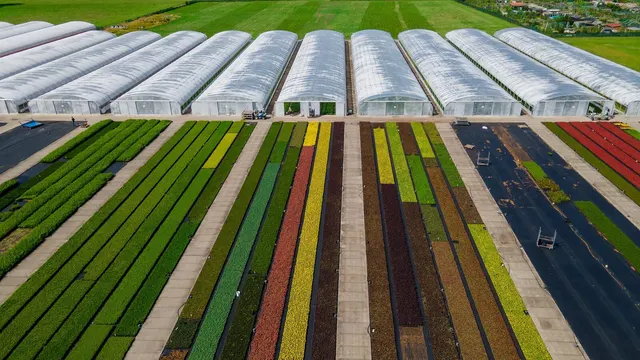
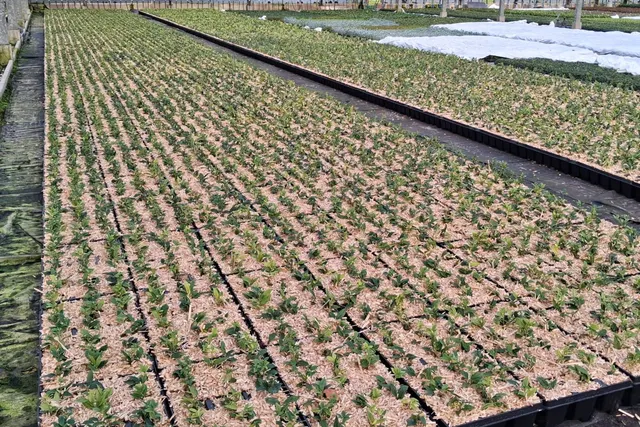
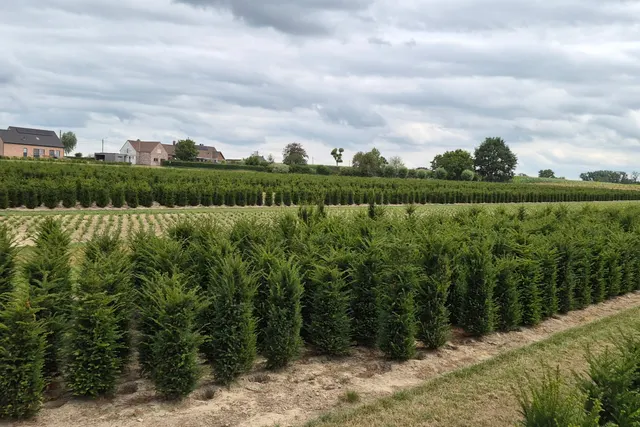
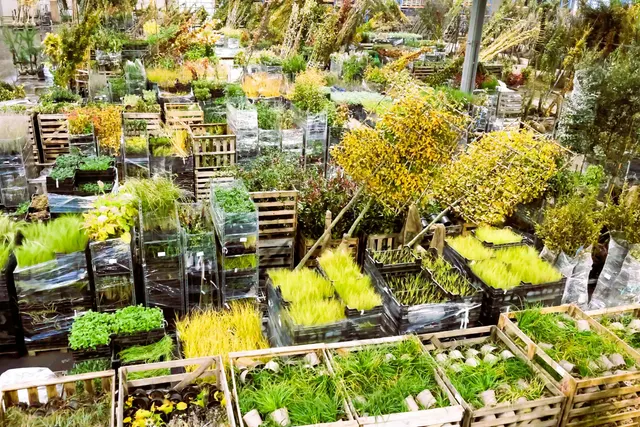
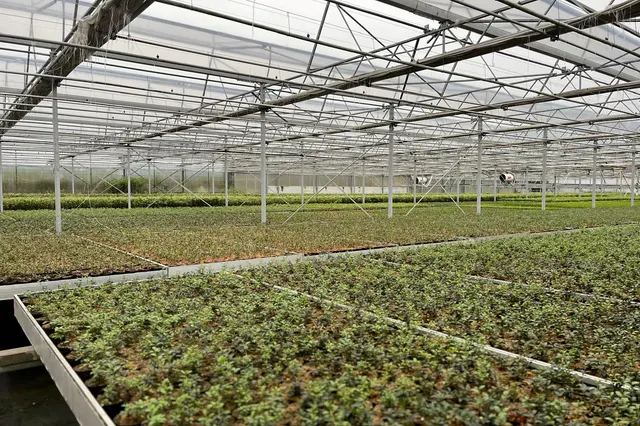
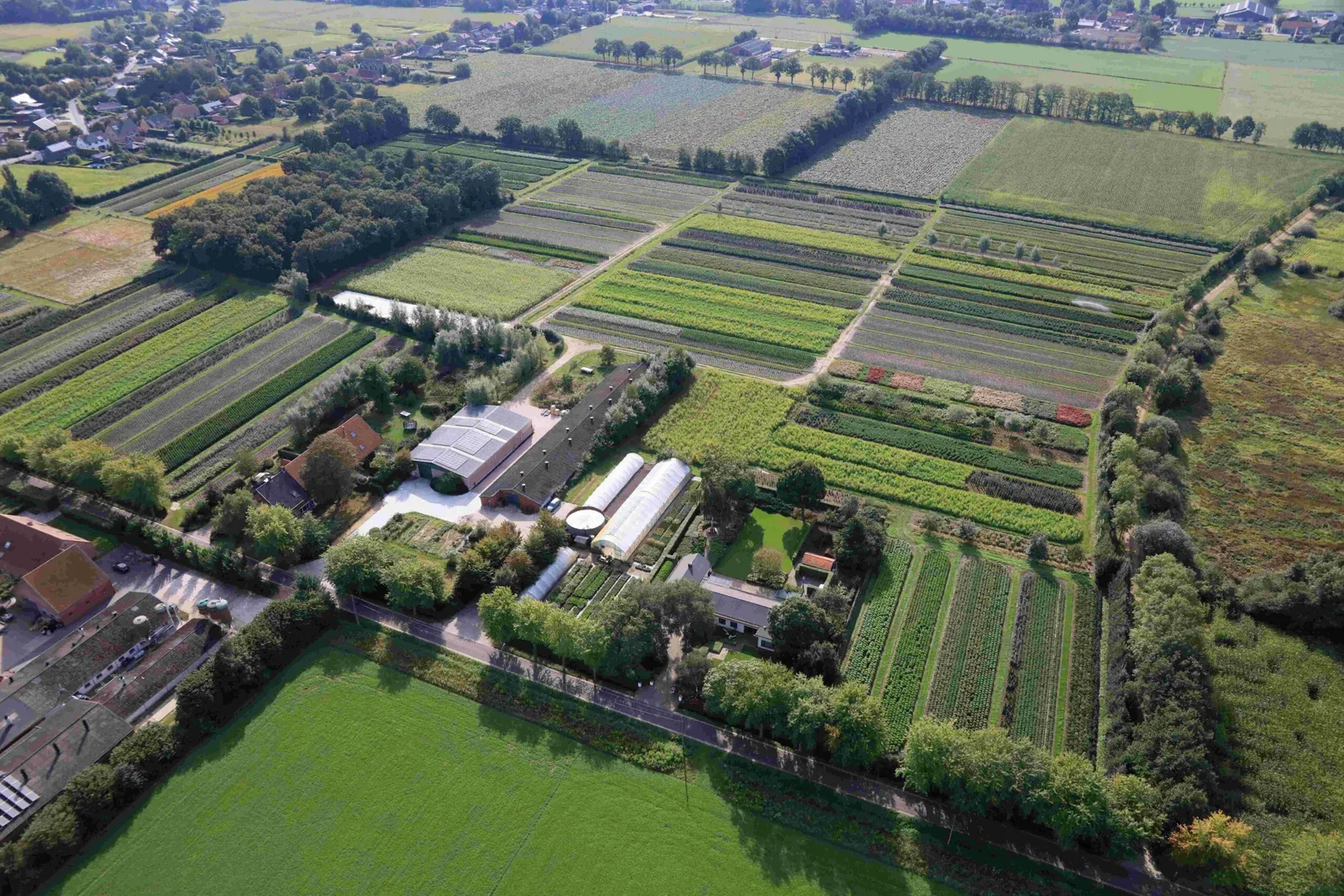
That passion is evident at Boomkwekerij Duchêne, which has deliberately opted for a wide range: more than 200 varieties across 11 hectares. These include familiar varieties such as Portuguese laurel, Photinia, Elaeagnus and various types of Ilex, as well as many unusual and rarer shrubs. “If you grow only a few varieties and a disease or pest appears, such as box tree moth, the consequences are immediately serious. We grow fewer plants of each variety, but if a problem arises somewhere, the impact is much smaller. That makes the nursery far less vulnerable. A wide range also creates greater biodiversity on the nursery itself.”
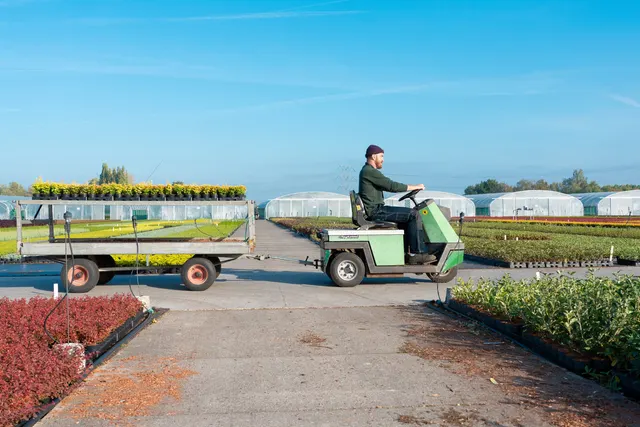
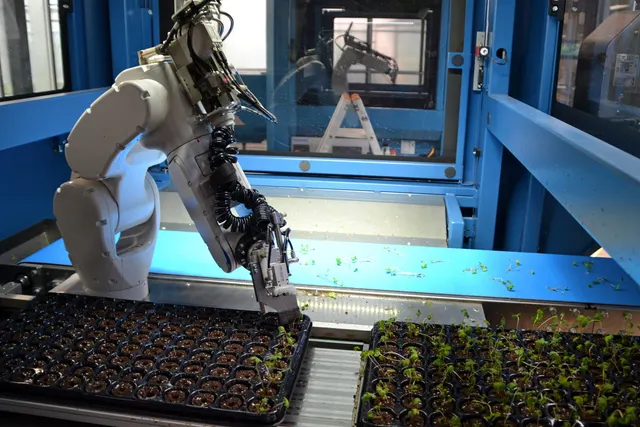
The diversity does make extensive mechanisation more difficult, but Duchêne is proud of the manual work. “Because we still lift, prune and care for our plants by hand, our cost per plant is higher. But our customers are not looking for the lowest price. They choose quality.”
Healthy soil as the foundation
For Duchêne, everything starts with building healthy soil biology. “You can’t grow healthy plants without healthy soil. That’s why we look at the soil as a whole and adapt all our cultivation practices accordingly. We use cover crops, compost and well-rotted farmyard manure, practise reduced-tillage cultivation and pay close attention to water management.”
Duchêne does not use artificial fertilisers. Every two to three weeks, he applies a mixture to the plants containing, among other things, rock dust, amino acids, fulvic acids and trace elements. He also uses beneficial fungi such as mycorrhizae and Trichoderma to support the plant and its root system. The result is a plant that also thrives at the customer’s premises.
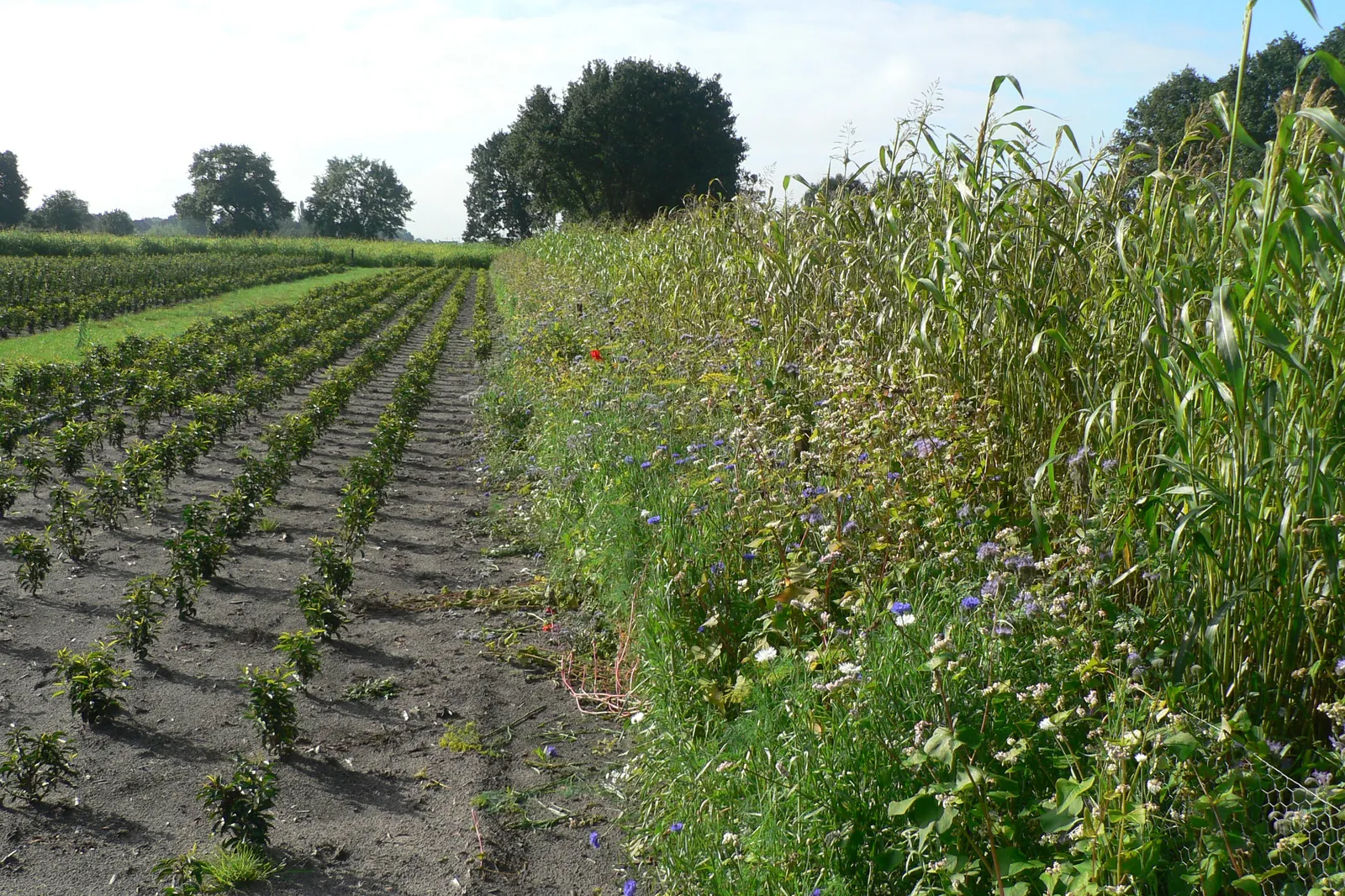
Another approach is to let nature take its course and use as few crop protection products as possible. A woodland of around one hectare lies in the middle of the nursery. Together with hedges, shelterbelts and flower strips, it provides habitat for natural enemies. “The paths between our growing blocks used to be ordinary grass strips. Today they are herb-rich mixtures that attract beneficial insects. These natural enemies help us keep pests under control. To me, that is true crop protection.”
Extra hands
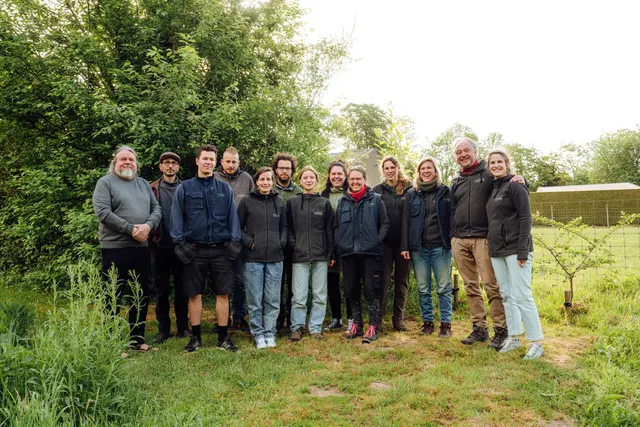
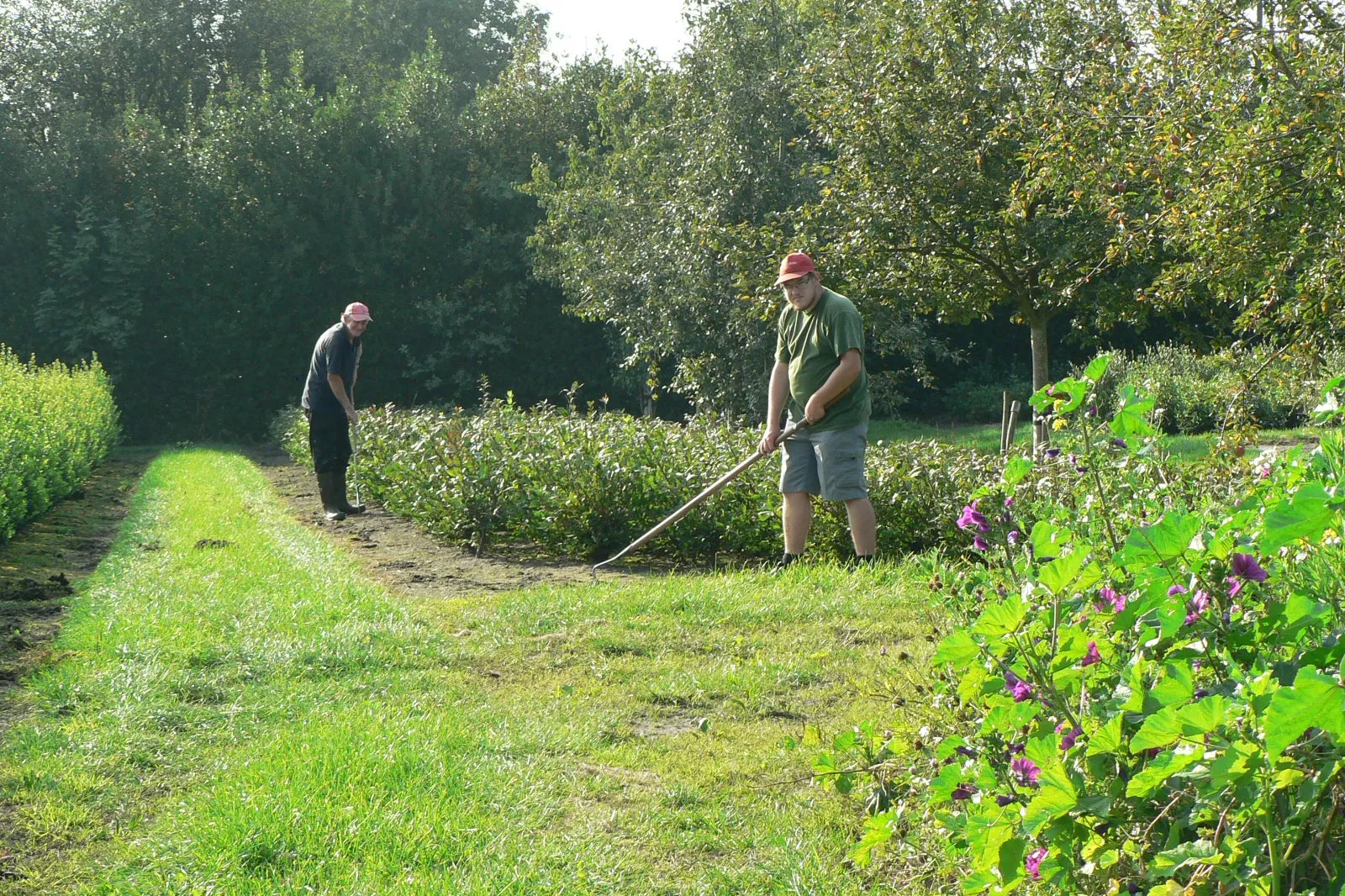
The nursery is committed not only to growing strong, high-quality plants. Social responsibility is important too. “As a care farm, we offer people with disabilities meaningful activities. One of them has been helping us for ten years and now has regular tasks. Our care farm participants get enormous satisfaction from their work. As a sector, we often say we can’t find enough people, but many people would like to contribute within their capabilities. You just have to be willing to recognise those capabilities and provide support tailored to their needs.”
This year will be the nursery’s tenth appearance at GrootGroenPlus. Each edition, they see their customer base grow a little further. “There are no spectacular leaps, but we gain new customers every year and our existing customers stay with us. Our stand will mainly feature unusual varieties, because I want to show what sets us apart from others.”
Question about this story? Ask your question
Keep following this
Get an email when a new story is published. No account needed.
- ThemeTrees and plants of tomorrow
- Subject(Tree) nurseries