Denis-Plants: From pot plant business to innovative in-vitro grower
Text Trees AccouImage Denis-Plants
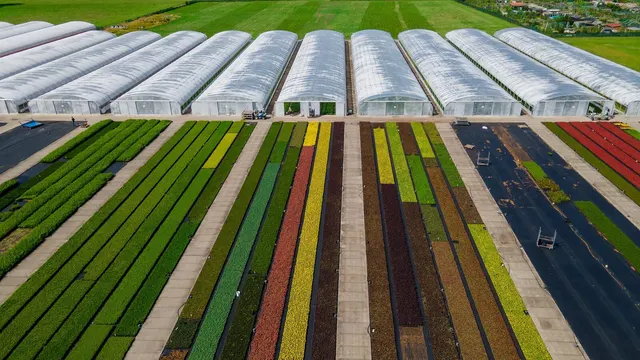
The perennials that bring colour to gardens and parks often have a surprising origin. Denis-Plants in Lochristi specialises in the in-vitro propagation of houseplants and perennials. A catalogue of more than 800 varieties showcases its extensive R&D and boundless passion for growing plants. Managing director Johan Vrancken takes us through the company’s innovative process.
When Denis-Plants started out as a pot plant business in 1975, no one could have predicted that the company would one day supply plant material across the world. After specialising in Schefflera as a monoculture, the family business took over an in-vitro laboratory in Brussels in 1997 and added perennials to its production. Since 2000, it has worked closely with partner labs in Asia.
“There are three ways to propagate perennials: from cuttings, from seed and through in-vitro techniques, which clone the mother plant,” explains managing director Johan Vrancken. “That is what we do as one of the only in-vitro growers in Belgium. We take the meristem from the plant, disinfect it and place it on a growing medium. Propagation is slow at first, but then growth is exponential.”
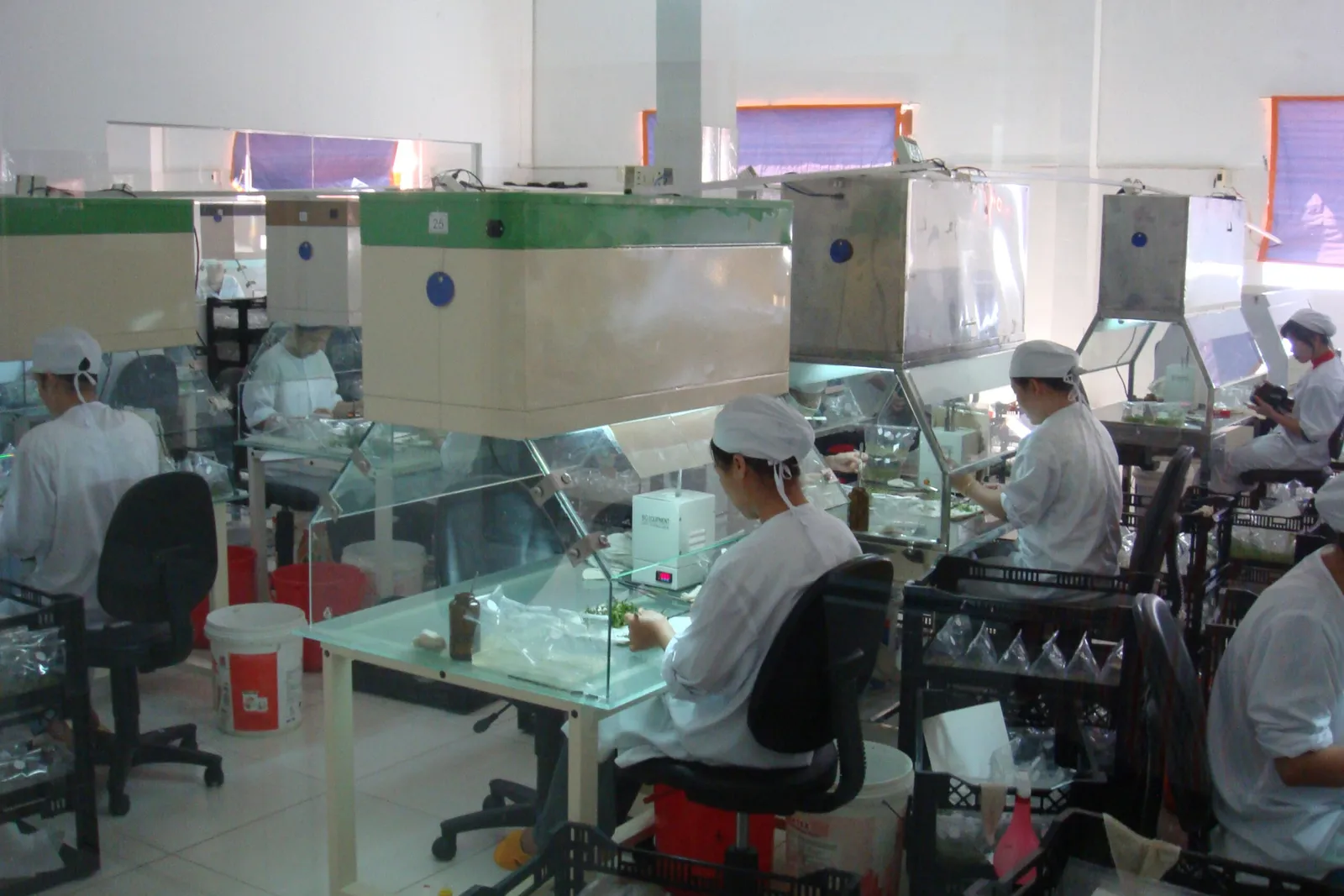
The initial in-vitro stock is established in Denis-Plants’ R&D lab in Lochristi. The plants are propagated there, while the cutting technique is further refined. The stock is then sent to partner labs abroad. “Vietnam is our largest lab. They propagate on a large scale according to our protocols and send us back many times the number of plants. At the same time, they ship plants to customers in America, Australia and elsewhere in Asia, where they are grown on.”
The benefits of in vitro
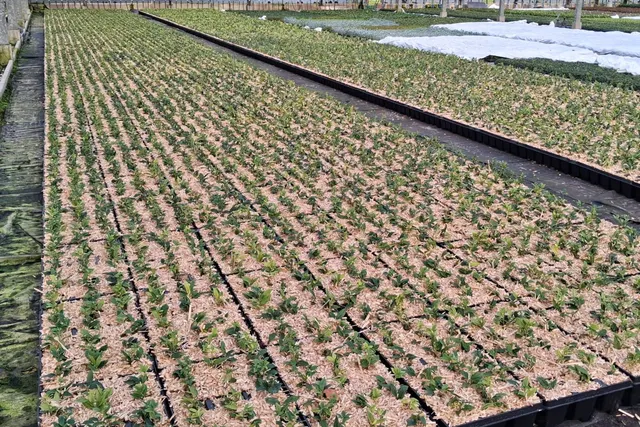
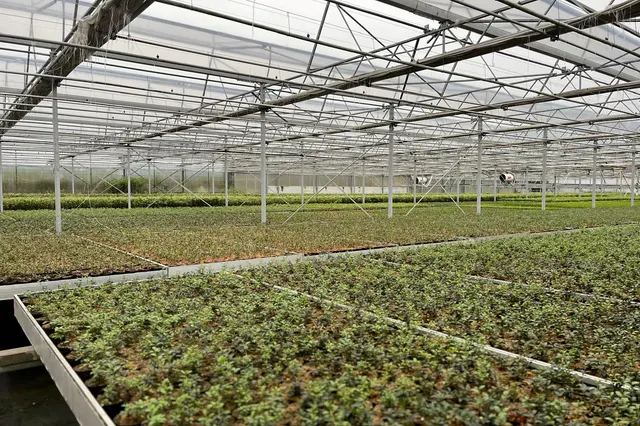
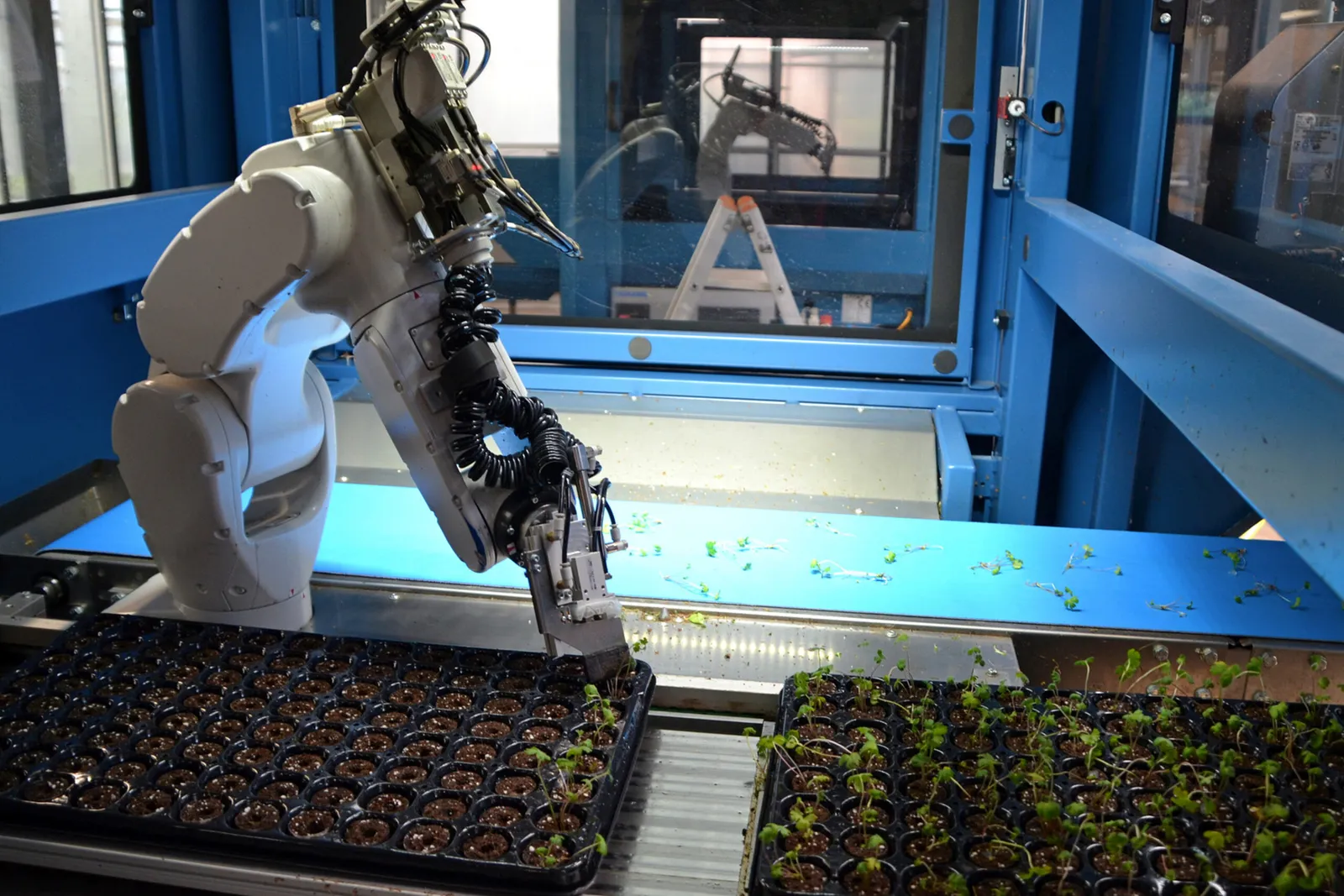
Propagating a plant in vitro is more expensive and complex than growing from seed or cuttings. However, the benefits outweigh the cost. Vrancken says: “In-vitro propagation gives you a very uniform product. Every plant is identical to the mother plant. As it comes from a laboratory environment, it is also, by definition, free from pests and diseases. This allows us to limit the use of crop protection products and comply with the increasingly stringent rules in this area. Once the tissue-cultured plants have outgrown the lab, their stomata are still open, so we place them in a tunnel with high humidity. We then harden them off further into young plants, which are automatically graded by one of our robots. The plants are 5 to 6 cm tall when we sell them to growers across Europe.”
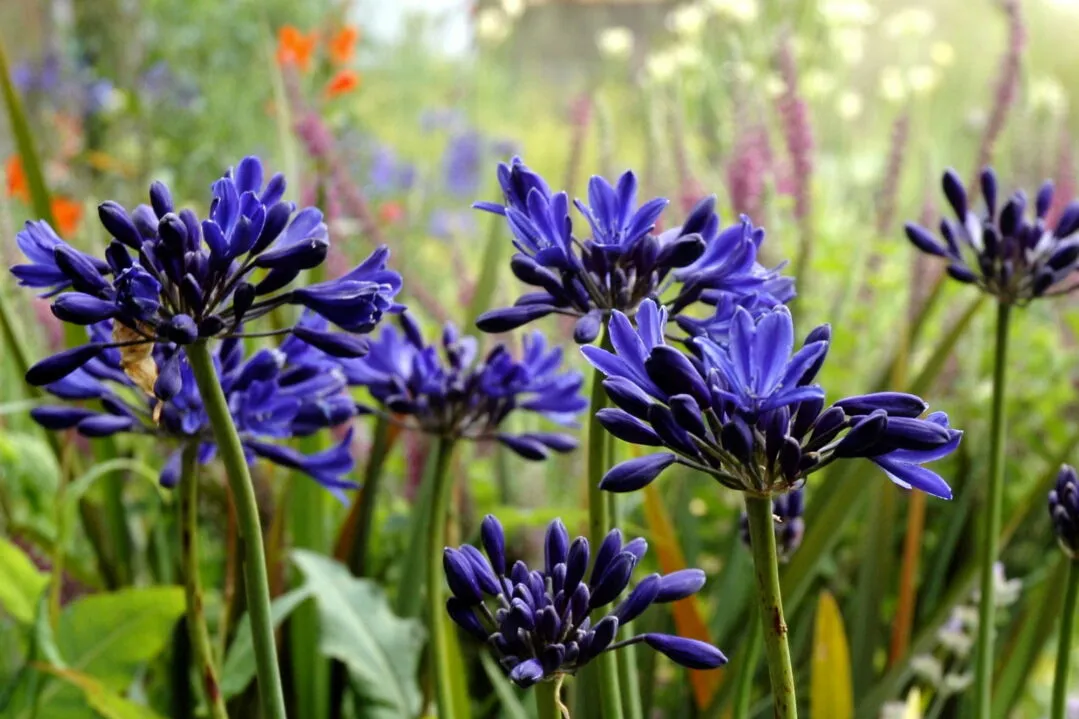
Alongside houseplants, Denis-Plants has more than 800 varieties of perennials in its catalogue, with more added every year. The perennials are also propagated in vitro. “We offer various cultivars of geranium, heuchera, hosta, salvia, agapanthus, helleborus and persicaria, among many other varieties. Some are public-domain varieties, but we also produce many cultivars under licence. Such a broad range is a playground for growers.”
Always innovating
Denis-Plants continues to innovate. “We are currently working on a technique to keep plants compact without chemical growth regulators. Introducing a bacterium into the plant triggers hairy root growth and prevents the plant from stretching. It also brings additional benefits in terms of drought resistance. We hope to apply this technology to a number of cultivars soon.”
Alongside product innovation, Denis-Plants continues to modernise its own production. Growing plants requires a lot of energy and water, and the company manages both intelligently. “We collect all the rainwater from our buildings and greenhouses and reuse it continuously until it eventually evaporates. We discharge no residual water. Solar panels and LED lighting are part of this approach too. We also make extensive use of automation, including a grading robot and potting robots,” Vrancken concludes.
Question about this story? Ask your question
Keep following this
Get an email when a new story is published. No account needed.
- ThemeTrees and plants of tomorrow
- Subject(Tree) nurseries