The Urban Jungle Project: rooftop gardens and urban biodiversity
Text Kris VandekerckhoveImage The Urban Jungle Project
How can cities remain climate-resilient and liveable as space at ground level becomes increasingly scarce? According to Daan and Maarten Grasveld of The Urban Jungle Project, the answer lies where nature meets technology, at the point where ecology and innovation reinforce one another. Using lightweight, modular systems, their company makes greening possible on rooftops and in urban environments where traditional greenery has no chance to thrive.
The roots of The Urban Jungle Project’s concept lie in a prototype developed by Maarten Grasveld, a landscape architect and Daan’s father. The starting point: using trees as ‘climate machines’ in the city. However, cables, pipes and limited load-bearing capacity often present an obstacle. A mature tree with its growing system can easily weigh 15,000 kilos. That is too heavy for most buildings.
The bonsai principle
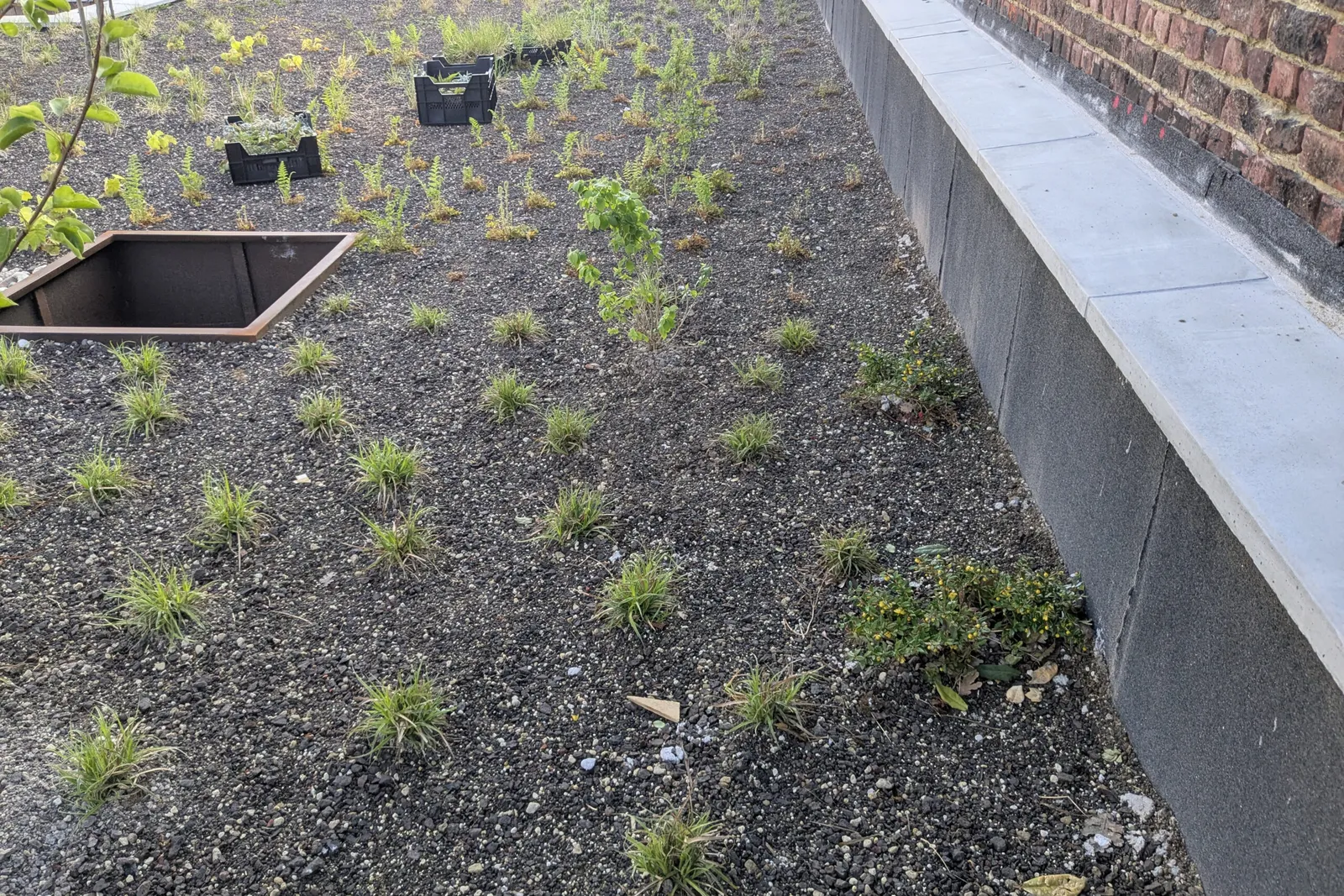
The solution: a kind of ‘bonsai principle’. The weight is limited by reducing the volume of the growing medium, while keeping growth potential manageable. This idea led to the founding of The Urban Jungle Project in 2020 by father and son Grasveld, together with Boomkwekerij Ebben. Their first product, the Urban Tree in a steel cube, proved that trees can also find a place above ground level. Further innovations soon followed, such as the Jungle Blocks. These modular elements, made from recycled materials, can be assembled like building blocks to create an entire rooftop garden.
Lightweight, modular and circular
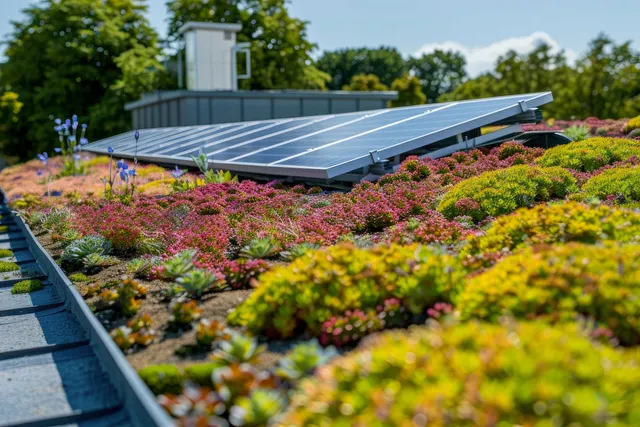
“A traditional rooftop growing medium weighs around 1,500 kilos per cubic metre when saturated,” says Daan Grasveld. “With our solution, we reduce that to around 650 kilos. This allows us to create intensive rooftop gardens on buildings where normally you could only install a sedum roof.”
The Jungle Blocks are 3D-printed from recycled raw materials and planted in advance. On site, they can be assembled into a complete rooftop landscape in a single day. This makes installation faster, more flexible and less disruptive to the surrounding area. That means fewer crane hours and less traffic disruption. What is more, the modular approach gives architects maximum creative freedom: any design can be translated into blocks without compromising on aesthetics.
The innovative, lightweight growing medium was developed in collaboration with BVB Landscaping, a specialist in growing media for rooftop gardens and landscape projects. Thanks to the combination of low density and recycled materials, trees and perennials can take root on rooftops that were previously unsuitable. “Everything arrives on site prefabricated and pre-planted, allowing us to deliver a complete rooftop garden in a single day,” Grasveld continues.
Smart remote management
Alongside its physical systems, the company has also developed digital tools. Sensors, irrigation computers and dashboards remotely monitor the condition of rooftop gardens. Architects can also use downloadable templates to integrate Jungle Blocks directly into their design software. This makes the innovative system practical to use from the design stage onwards.
A Belgian first in Schaerbeek
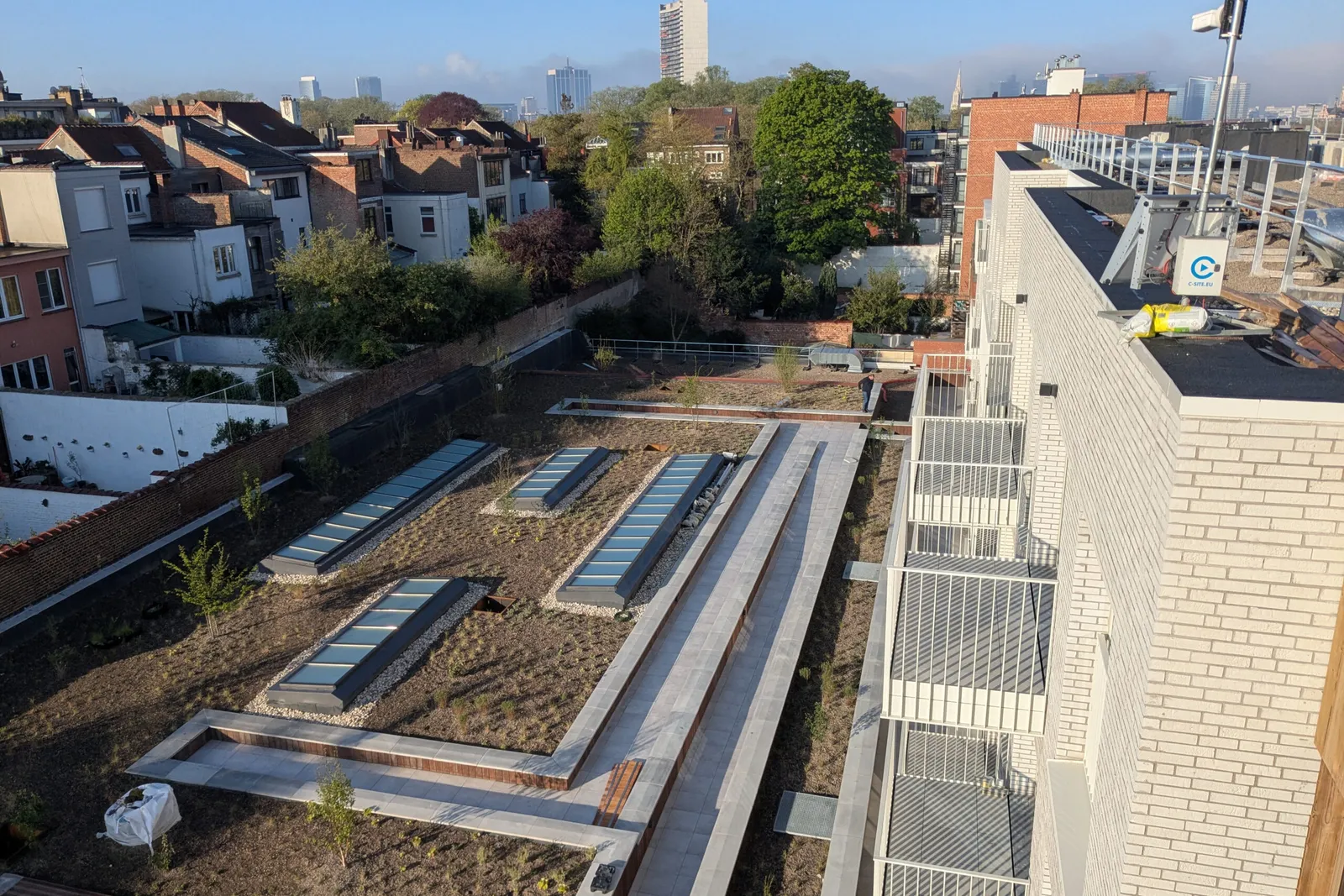
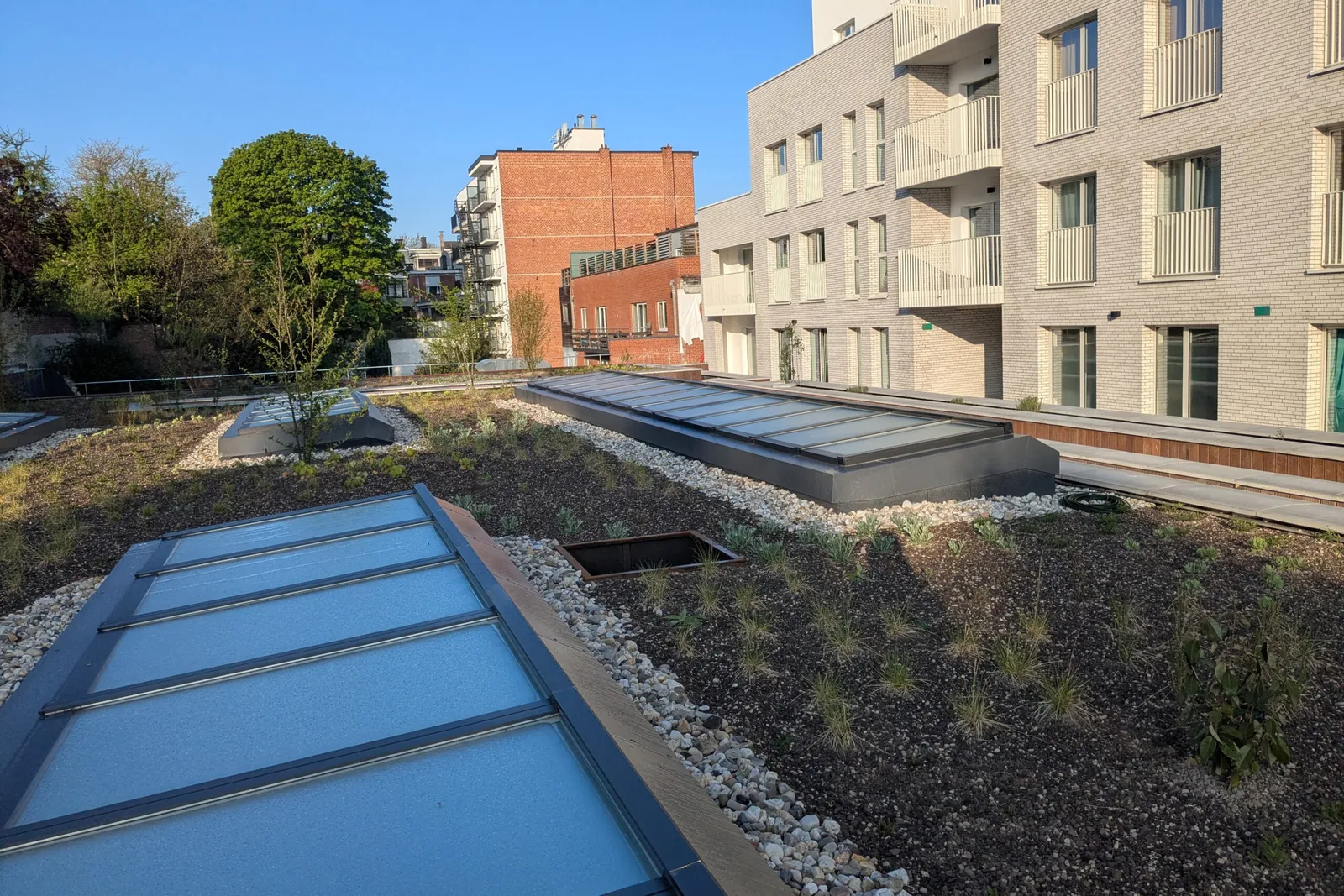
The approach is gaining traction. The company is now delivering projects in the Netherlands, Germany and Austria, and will soon be doing so in Belgium too. One of the first Belgian projects is a rooftop garden in Schaerbeek (Brussels), in collaboration with Redevco, the property arm of the Brenninkmeijer family, known for C&A. The two parties first met at The Green Village, TU Delft’s living lab where innovations are tested in a real residential setting. During a visit to the site, Redevco was introduced to The Urban Jungle Project’s Urban Trees. The concept made an immediate impression. A few weeks later, the company was invited to present the idea to the Belgian team, leading to the current project in Schaerbeek.
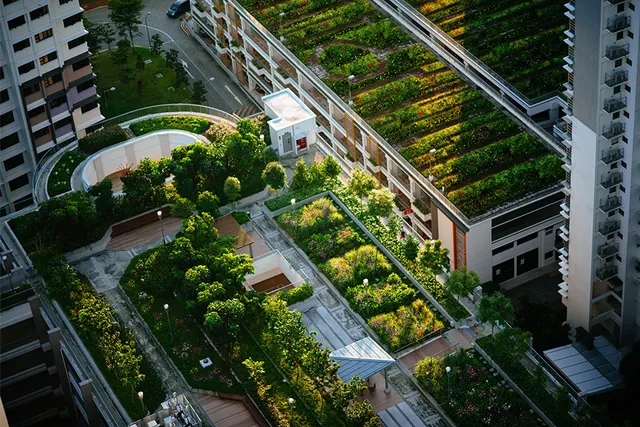
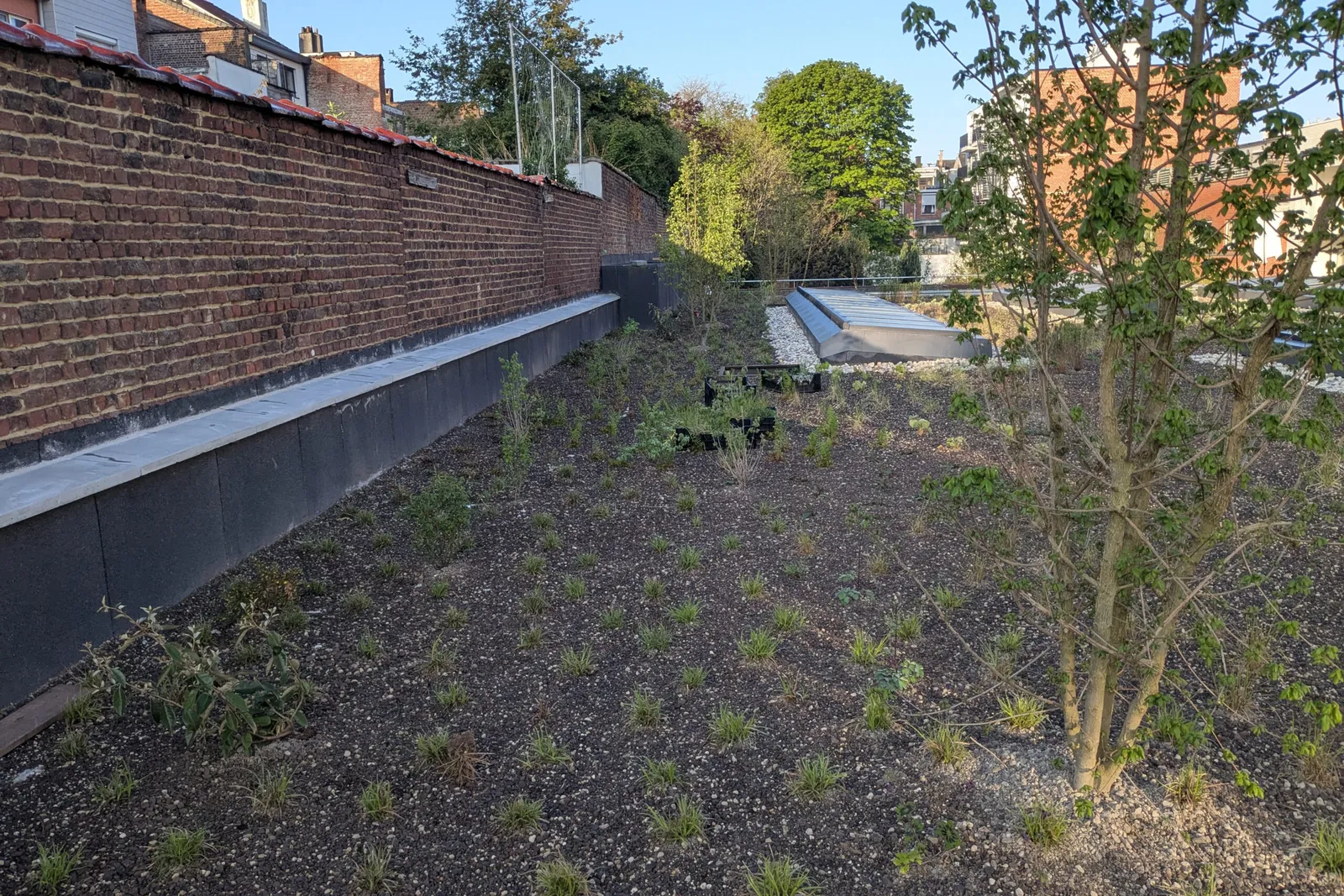
A communal garden for residents of the surrounding flats is being created on the roof of a new Lidl supermarket. The garden offers not only relaxation and biodiversity, but also shade and privacy. “It will be an oasis in the middle of the city,” says Grasveld. “As a family business, Redevco takes a long-term view and makes a conscious investment in sustainable quality.”
A future full of jungles
The ambitions go beyond individual projects. The Urban Jungle Project aims to create a network of green ‘stepping stones’ between existing green spaces. In this way, rooftop gardens can contribute to biodiversity, reduce heat stress and improve quality of life at the same time.
And what would Grasveld green first in Belgium? “The Sportpaleis in Antwerp,” he laughs. “A roof full of trees that you can see even from the motorway. Now that would make a statement!”
Question about this story? Ask your question
Keep following this
Get an email when a new story is published. No account needed.
- ThemeGreen space for everyone
- SubjectGreen roofs