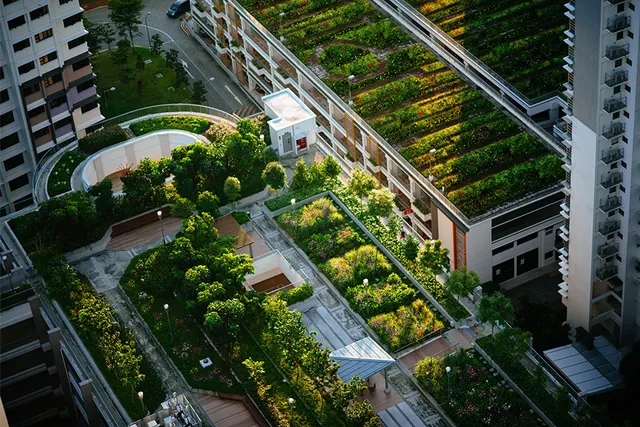
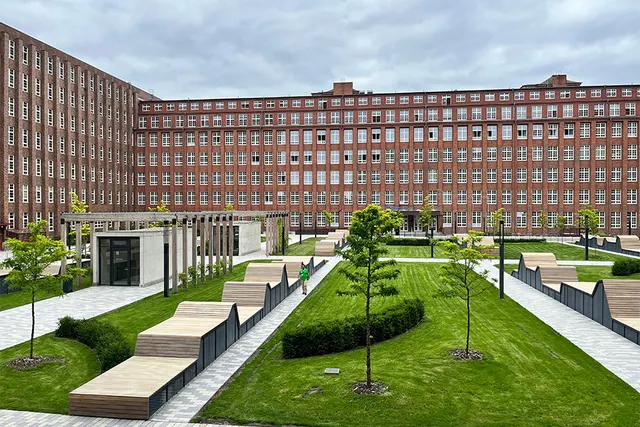
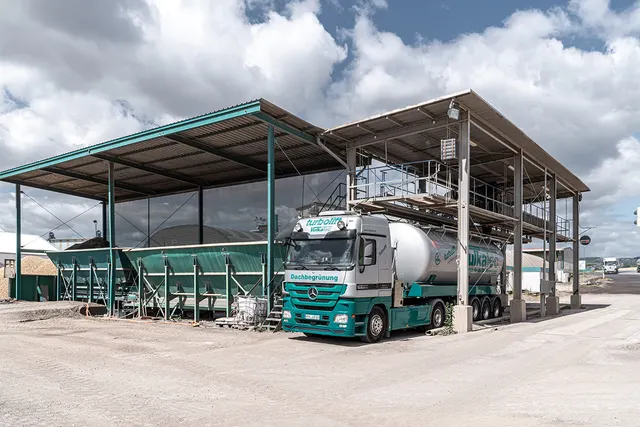
Green roofs are valuable investments
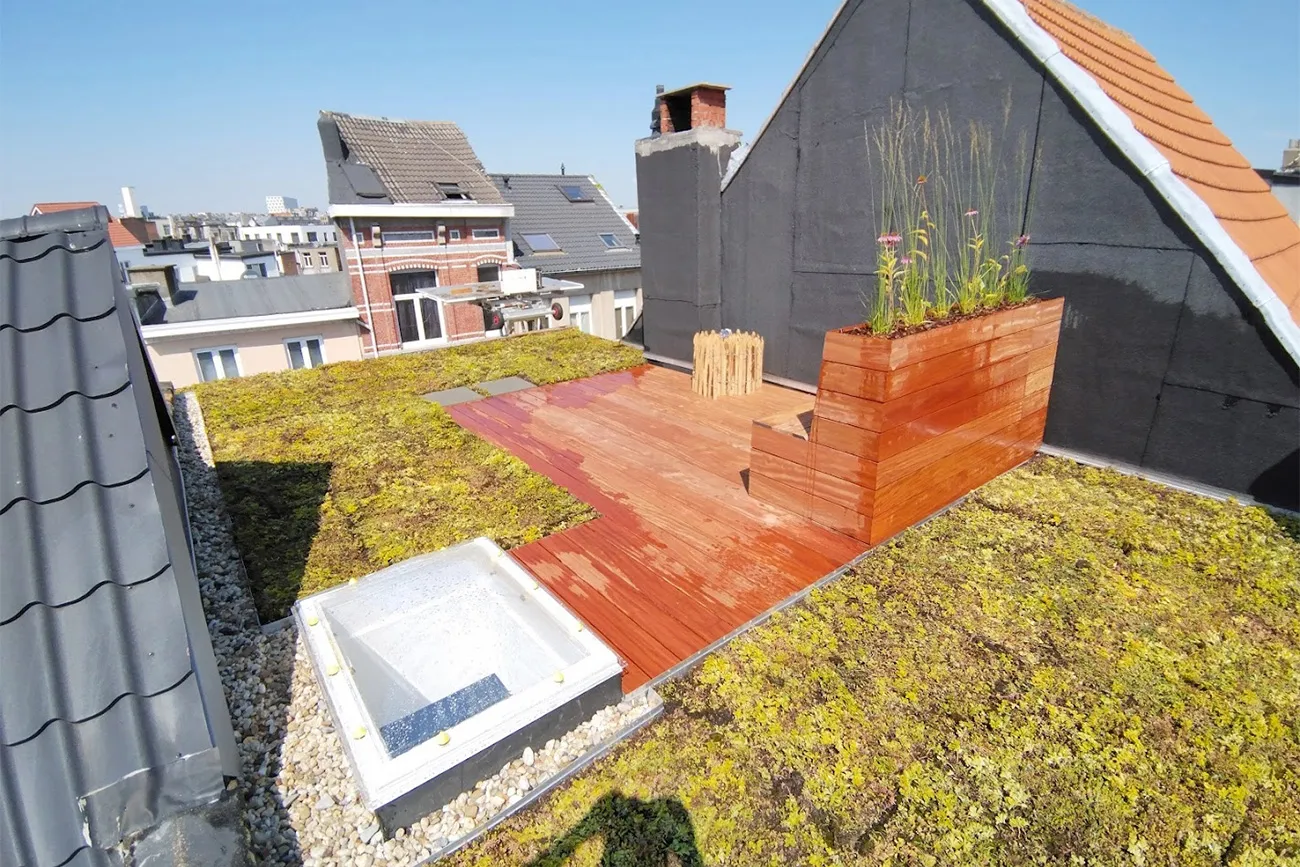
It is no secret that green roofs are also gaining popularity among younger generations. More and more young people, particularly in urban areas, are choosing to add some form of greenery to their roof or terrace. This allows them to enjoy the calming qualities of plants and flowers, while also helping to cool their surroundings, boost biodiversity and capture fine particulate matter.
What may be less well known is that the professionals installing green roofs are getting younger too. Pl@nt Groendakwinkel is a perfect example. Jef Bertels (26) is happy to guide customers through the world of green roofs and supply all the materials they need. At Pl@nt Groendakwinkel in Vremde (Antwerp), customers can find installation guides and tools to calculate what is needed for every type of green roof. They can also bring in an existing green roof plan, and a package containing all the necessary materials will then be put together.
A shop for DIY installers
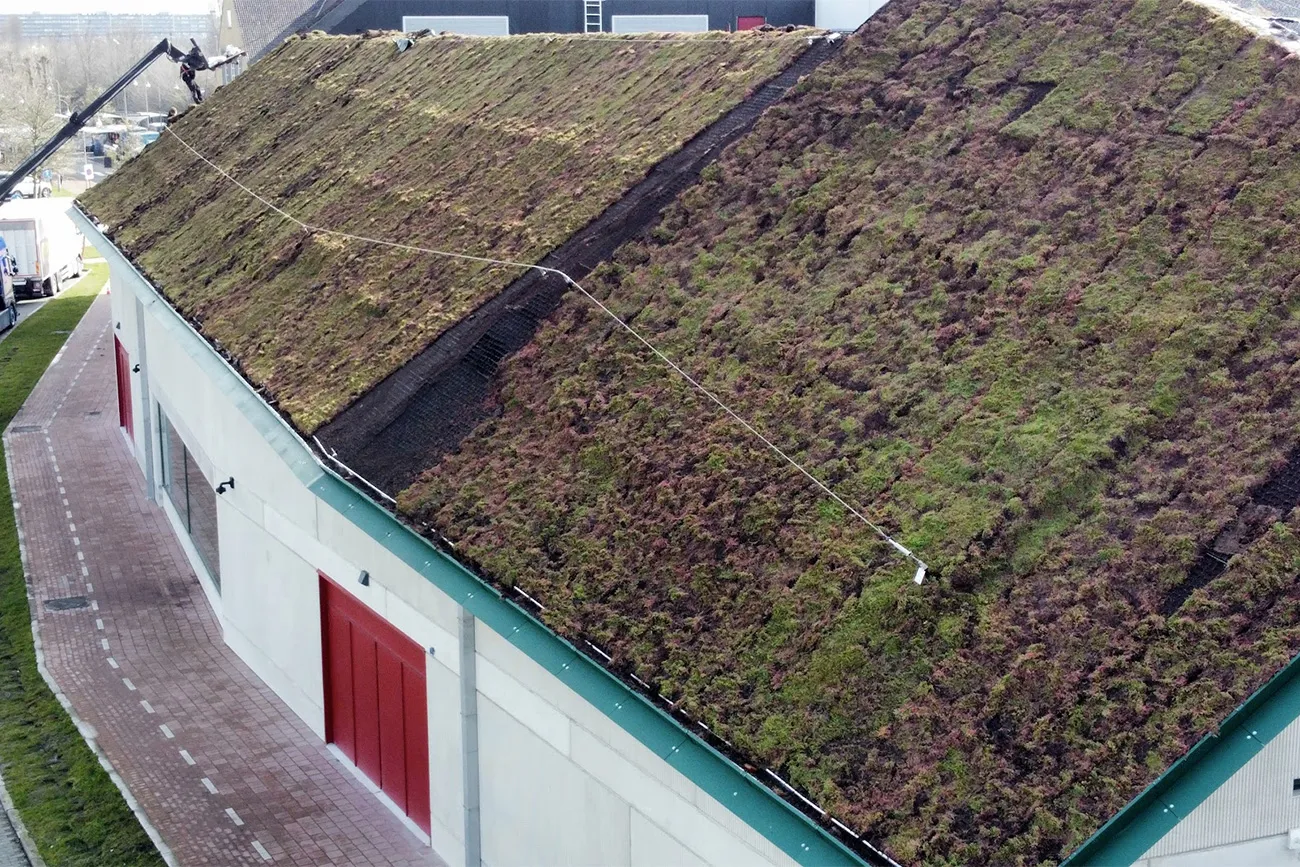
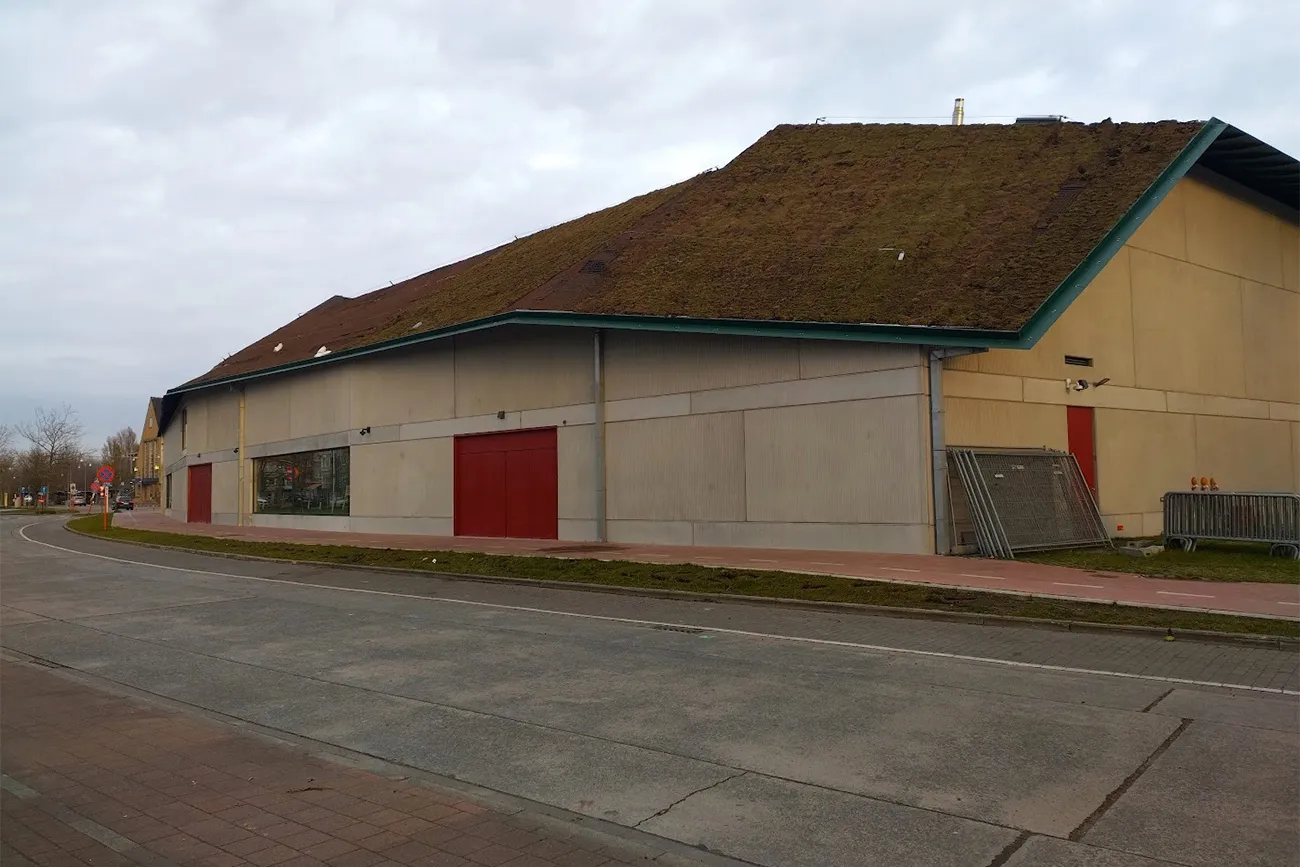
Jef Bertels, owner of Pl@nt Groendakwinkel: “Pl@nt is a company specialising in green roofs and roof gardens. We recently completed a rather unique project in Heist. Ravelingen 3.0, a state-of-the-art events venue, was built near Heist station on Kouderkerkelaan. The design of the building and its green roof was inspired by an elongated stone covered in moss. It was quite something!”
“Our large stock also enabled us to open a shop for DIY installers. We have the experience and product knowledge needed to help anyone get started on their own green roof project. We mainly distinguish between sedum roofs and biodiverse roofs, or bee roofs.”
Sedum roofs, particularly important in urban areas
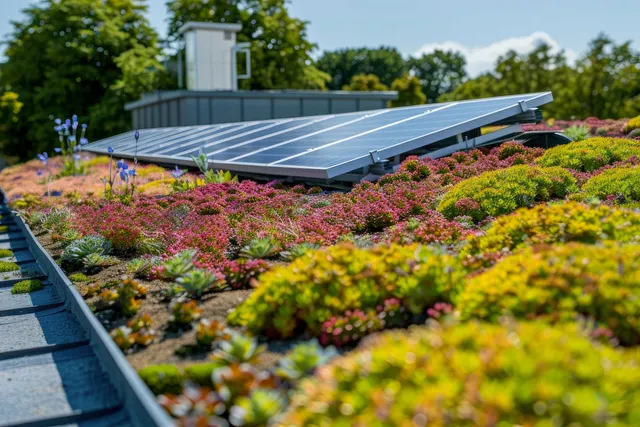
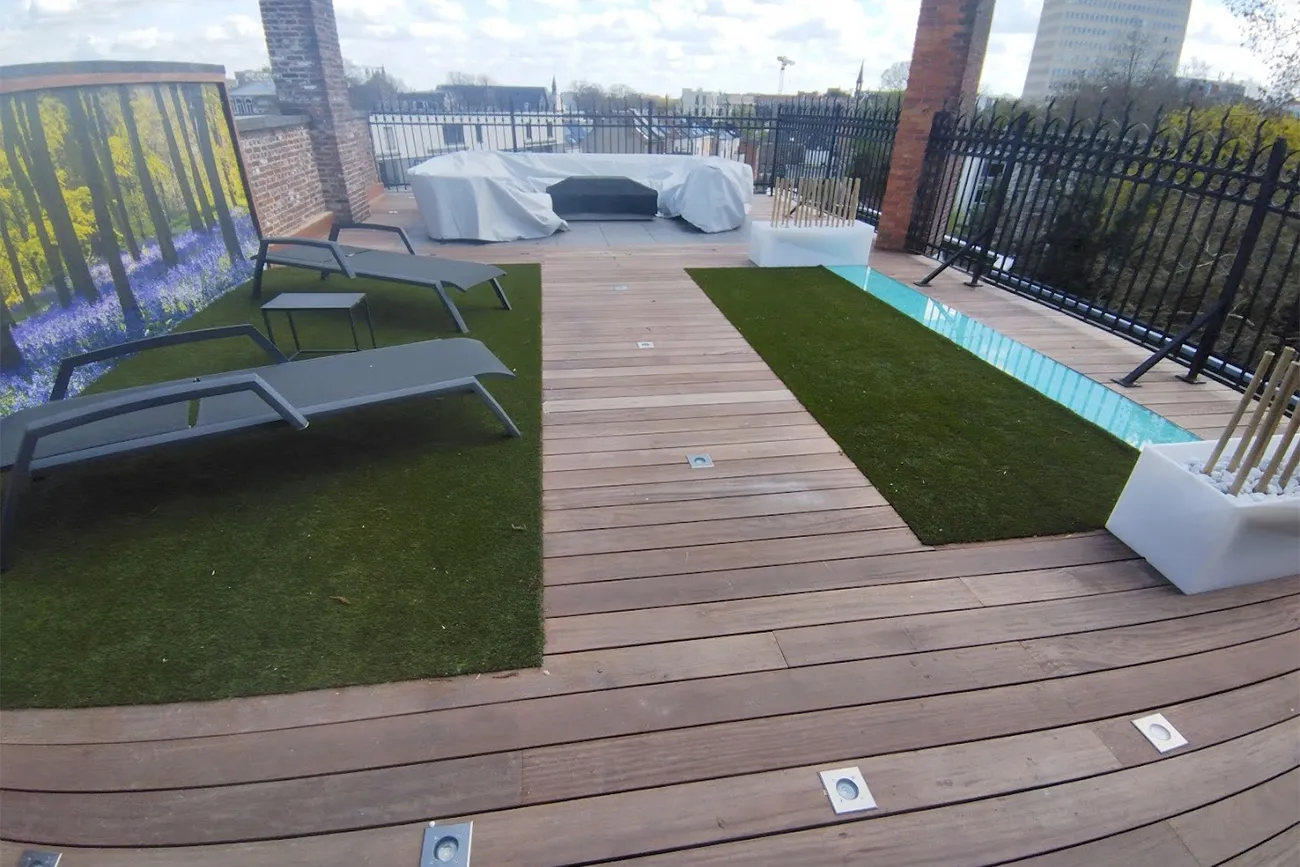
Jef Bertels: “One of the main benefits of a sedum roof is that it helps reduce heat in summer. The plants on the roof absorb heat and release it through evaporation, keeping the roof surface cooler and cooling the building below. This can save energy by reducing the need for air conditioning. In addition, reducing heat on the roof can extend the life of the roofing, cutting repair and replacement costs.”
“Another benefit of a sedum roof is that it helps retain water and reduce drainage problems. The plants on the roof absorb rainwater and release it into the air through evaporation, reducing the strain on the sewer system. This is particularly important in urban areas, where there is a lot of paving and little greenery, which can lead to significant flooding.”
Bee roofs, a real garden on the roof
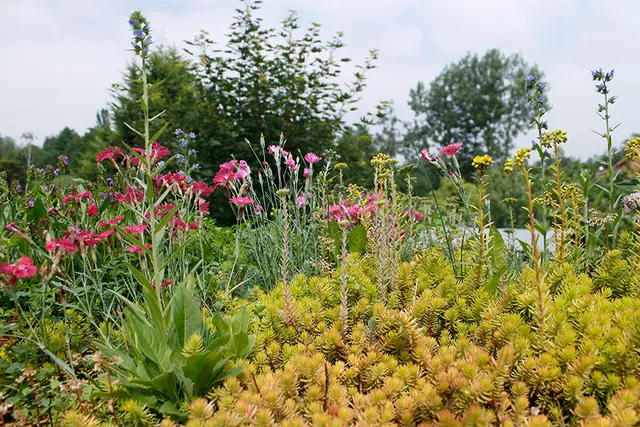
“A biodiverse roof, also known as an intensive green roof or bee roof, is a real garden on the roof. Its construction is similar to that of a sedum roof, but the dimensions differ. It is a roof covered with living plants and vegetation. One of the main benefits of a biodiverse roof is that it helps create a greener environment. It provides a home for birds, insects and other small animals that normally have little space in urban areas. It also helps improve air quality by reducing the urban heat island effect and absorbing harmful gases and particles from the air.”
“Installing a biodiverse roof does require some investment, but in the long term it can lead to cost savings and increase the value of the building. Installing one also requires a degree of expertise and planning. It is important to take factors such as the roof’s weight and proper drainage into account to ensure a safe and durable structure. But it always creates a greener environment, reduces energy bills and contributes to corporate social responsibility. It can therefore be a valuable investment for both individuals and organisations,” concludes Jef Bertels.
Question about this story? Ask your question
Keep following this
Get an email when a new story is published. No account needed.
- ThemeGreen roofs and buildings
- SubjectGreen roofs