Permeable paving with Passaqua clay pavers: a sustainable solution for patios and driveways
Text Ingrid AllaertsImage wienerberger
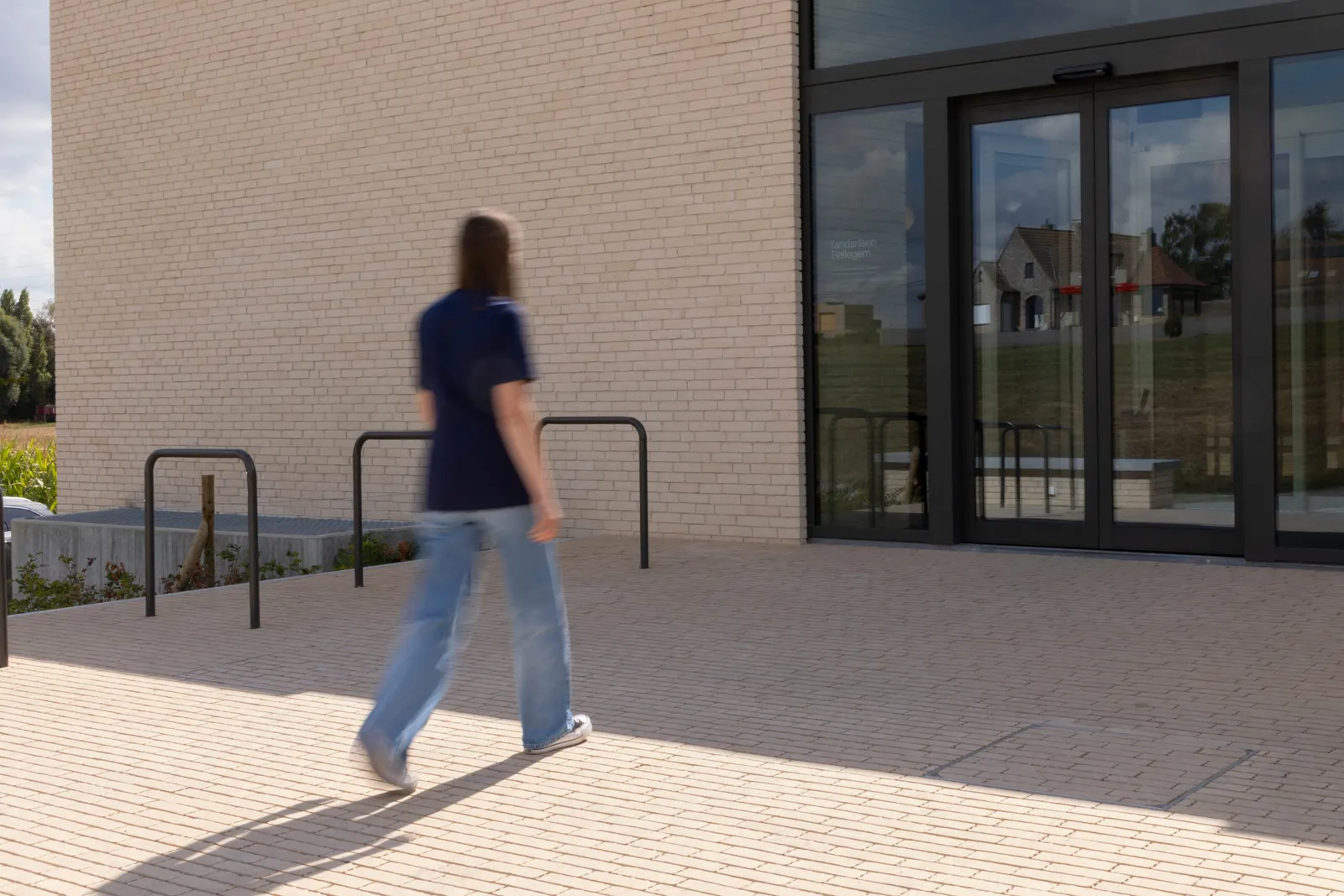
How can you make a patio, driveway, garden path or car park permeable without compromising on appearance or quality? wienerberger investigated and developed a solution that meets practical needs and regulatory requirements. Passaqua clay pavers, true to their name, allow water to infiltrate directly into the ground through wide joints. They also address today’s challenges around sustainability, circularity and budget.
Tighter regulations
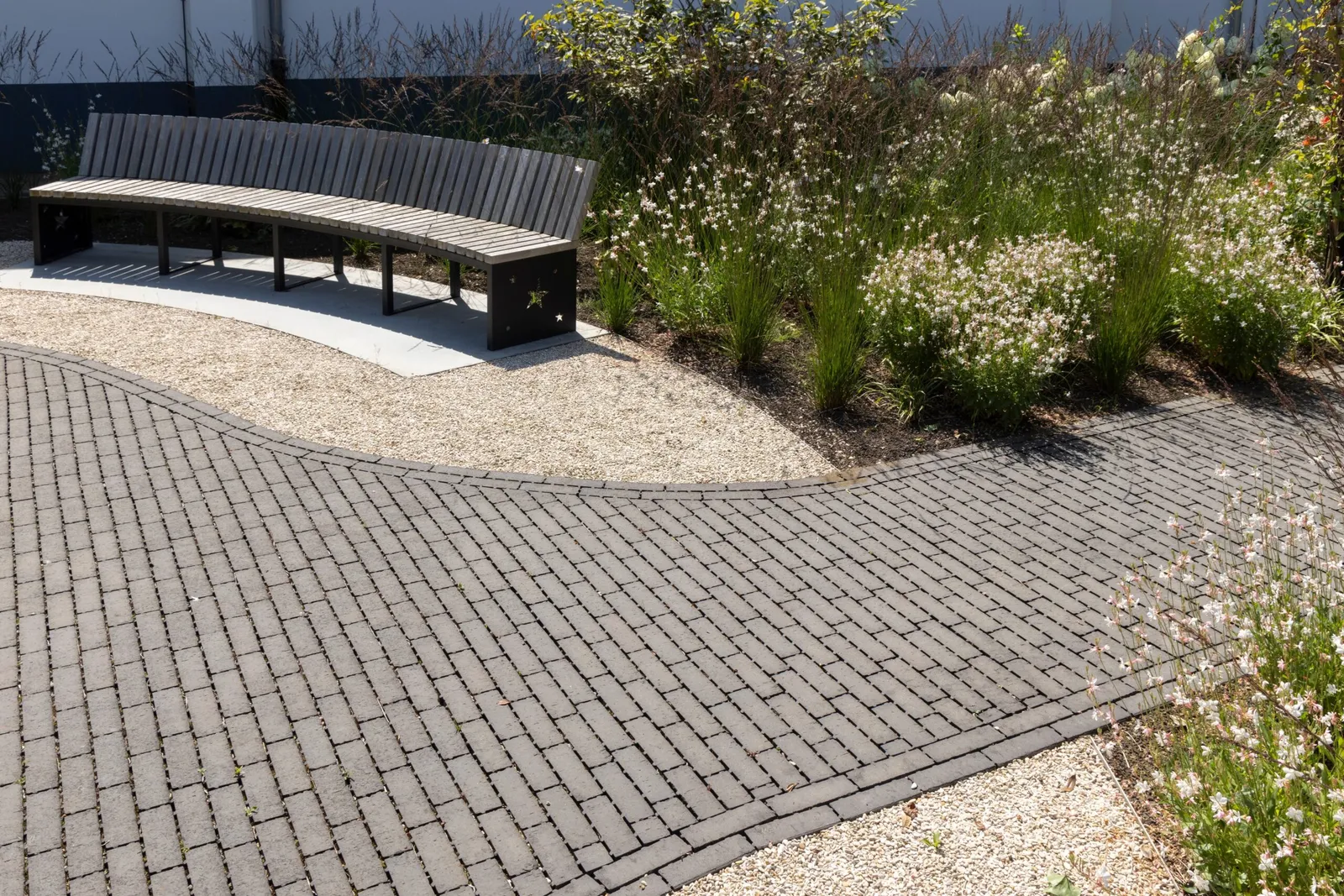
Permeable paving is becoming increasingly important. It allows rainwater to infiltrate locally, helping to maintain groundwater levels. In Flanders, water management regulations have become stricter in recent years. For example, an infiltration facility is mandatory on plots larger than 120 m². All paved surfaces must be included in the calculations, except areas with permeable paving. There is also an increasing preference for above-ground solutions, such as permeable paving.
Wide joints do the work
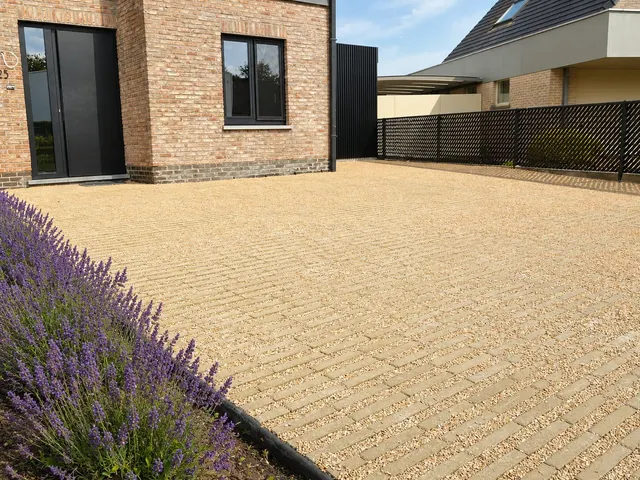
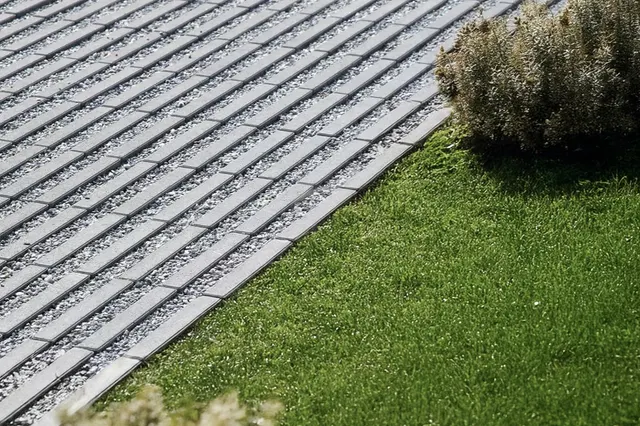
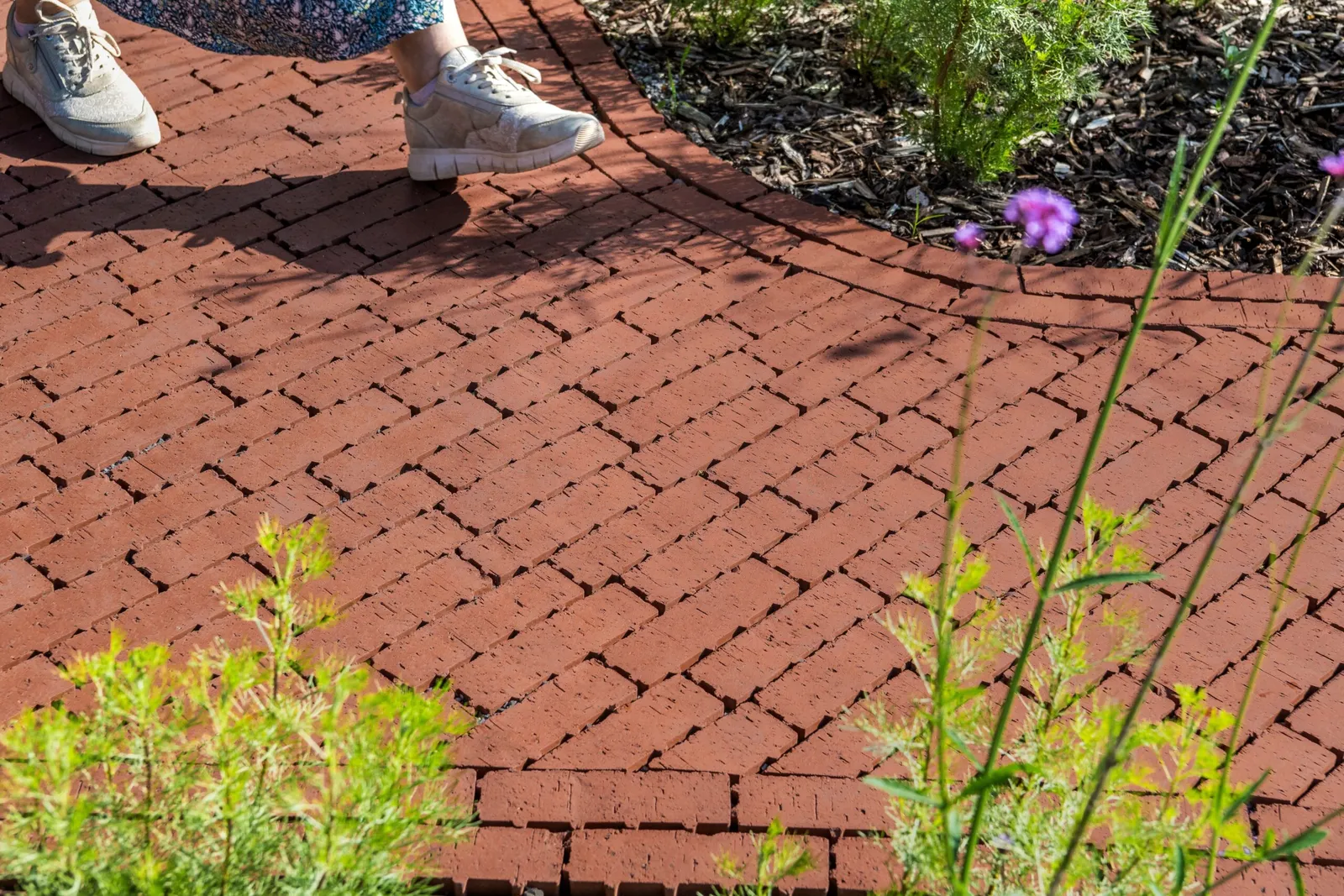
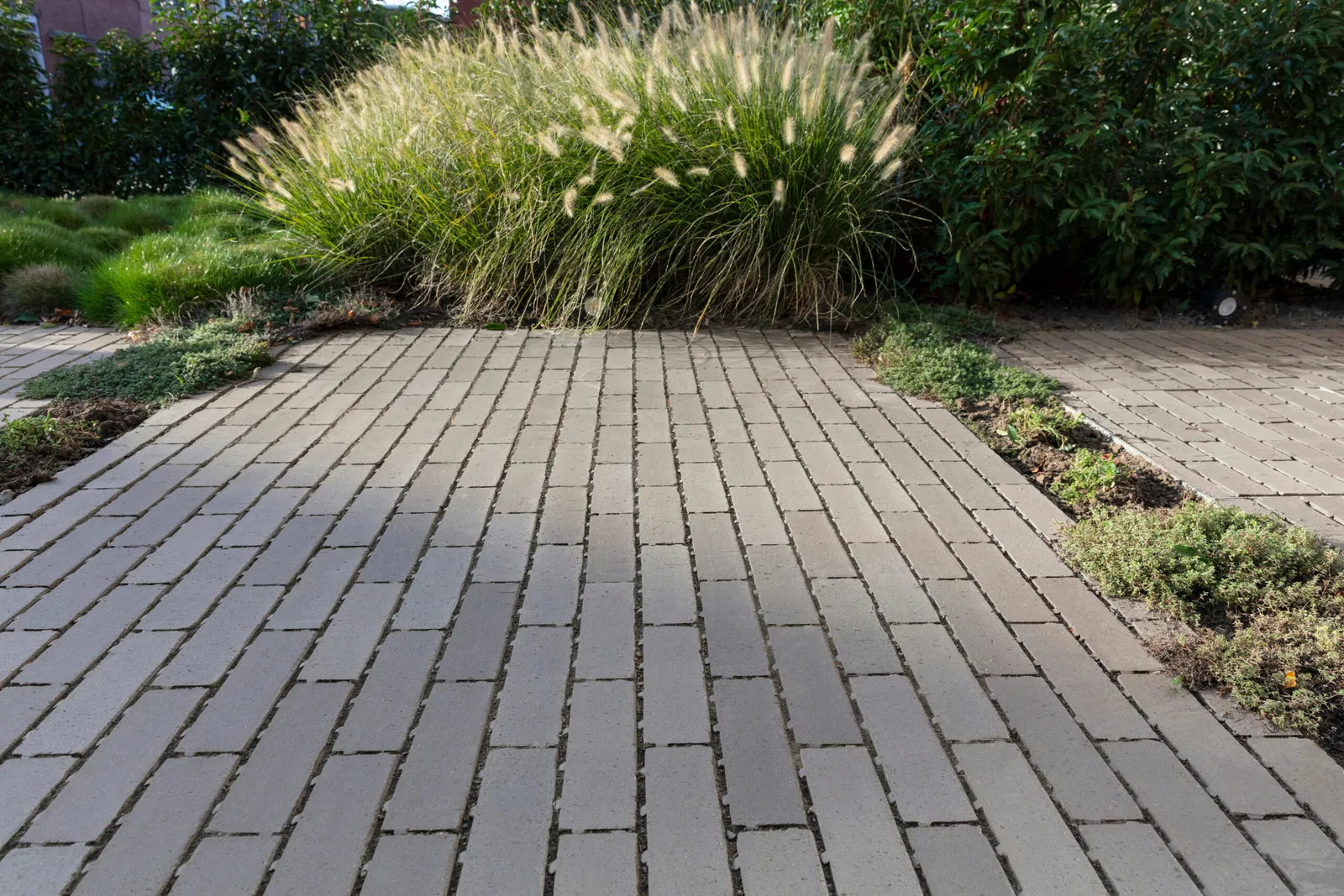
Demand has grown within the premium paving materials segment for an attractive, permeable solution. wienerberger meets that demand with Passaqua. The wire-cut clay paver features integrated spacers that automatically create 6 mm joints. Water does not infiltrate through the paver itself, but through these joints. From there, it seeps into the specially designed sub-base and then into the soil. To qualify as permeable paving, joints must account for more than 10% of the total surface area, a requirement that Passaqua easily meets.
Attractive, durable and environmentally friendly
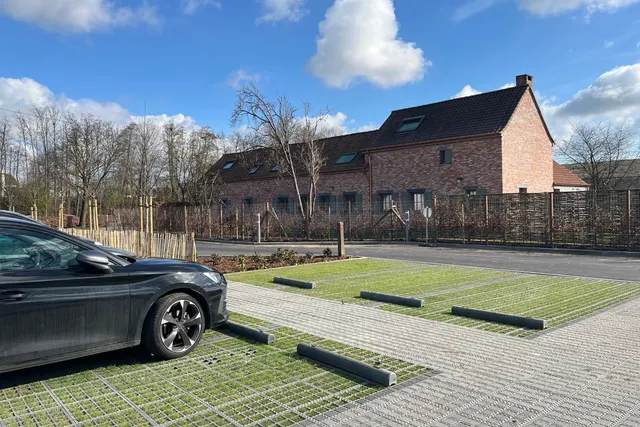
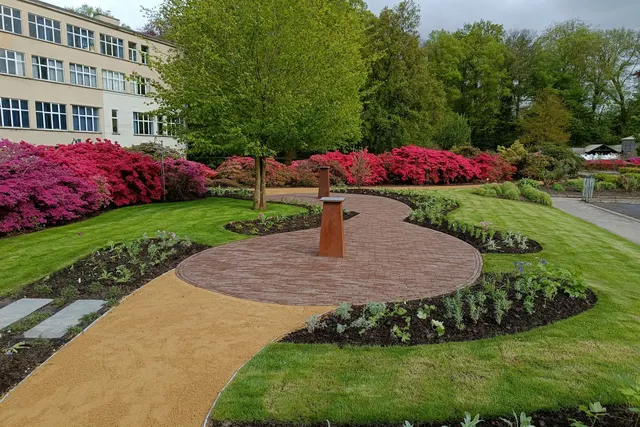
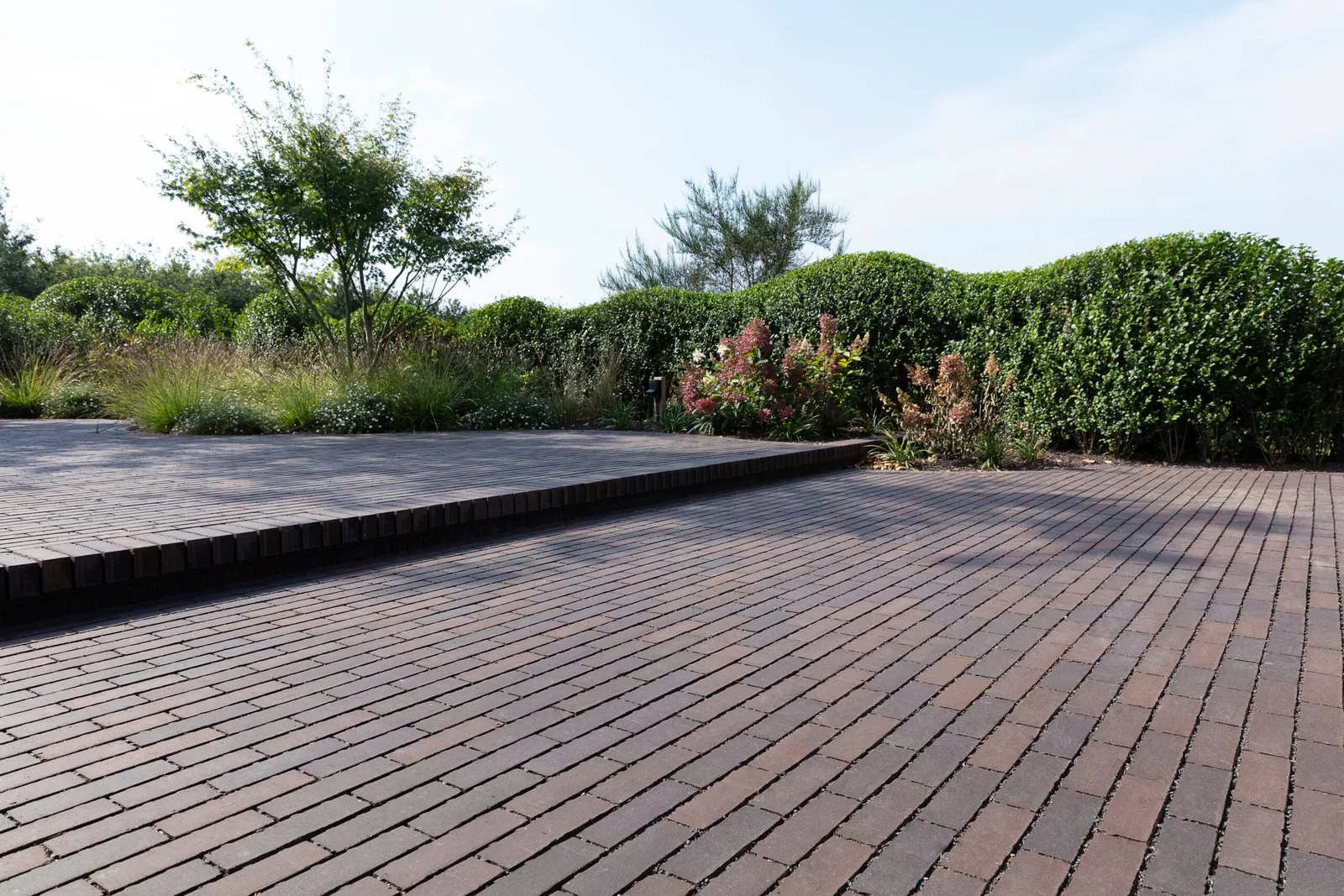
Passaqua is available in nine colours and two thicknesses (60 and 80 mm). You can choose a crisp, modern finish or a tumbled version with a more rustic look. This makes the paver suitable for a wide range of projects, from garden paths and patios to driveways, car parks and public spaces.
But there is more to it than appearance. The permeable joints allow water to drain quickly, reducing the risk of algae, moss and weeds. This makes patios and garden paths more resistant to the elements and extends their lifespan. Rainwater also infiltrates into the ground on site, helping to replenish groundwater and reduce the risk of flooding.
Less material, less impact
The latest generation of Passaqua clay pavers is 6 cm thick, compared with 8 cm previously. This reduction means fewer raw materials are needed and lowers the impact of production and transport. Extracting, transporting and firing less clay also means lower CO2 emissions, a practical step towards more sustainable material use.
Measurements by the Belgian Road Research Centre confirm that Passaqua continues to perform over the long term. Ten years after installation, the permeable paver still meets the applicable infiltration standards. Tests were carried out in a car park in the Duurzame Wijk in Waregem, where the pavers were laid in 2015. The results show that the pavers retain their infiltration capacity even after years of use, a major advantage for sustainable paving.
Een zakelijke vraag aan Wienerberger? Get in touch
Companies in this story

Keep following this
Get an email when a new story is published. No account needed.
- ThemeWater and hard landscaping in the garden
- SubjectPaving
- CompanyWienerberger