From gravel to fine-textured pavers: permeable paving is no longer grey and coarse
Text and images Artstone
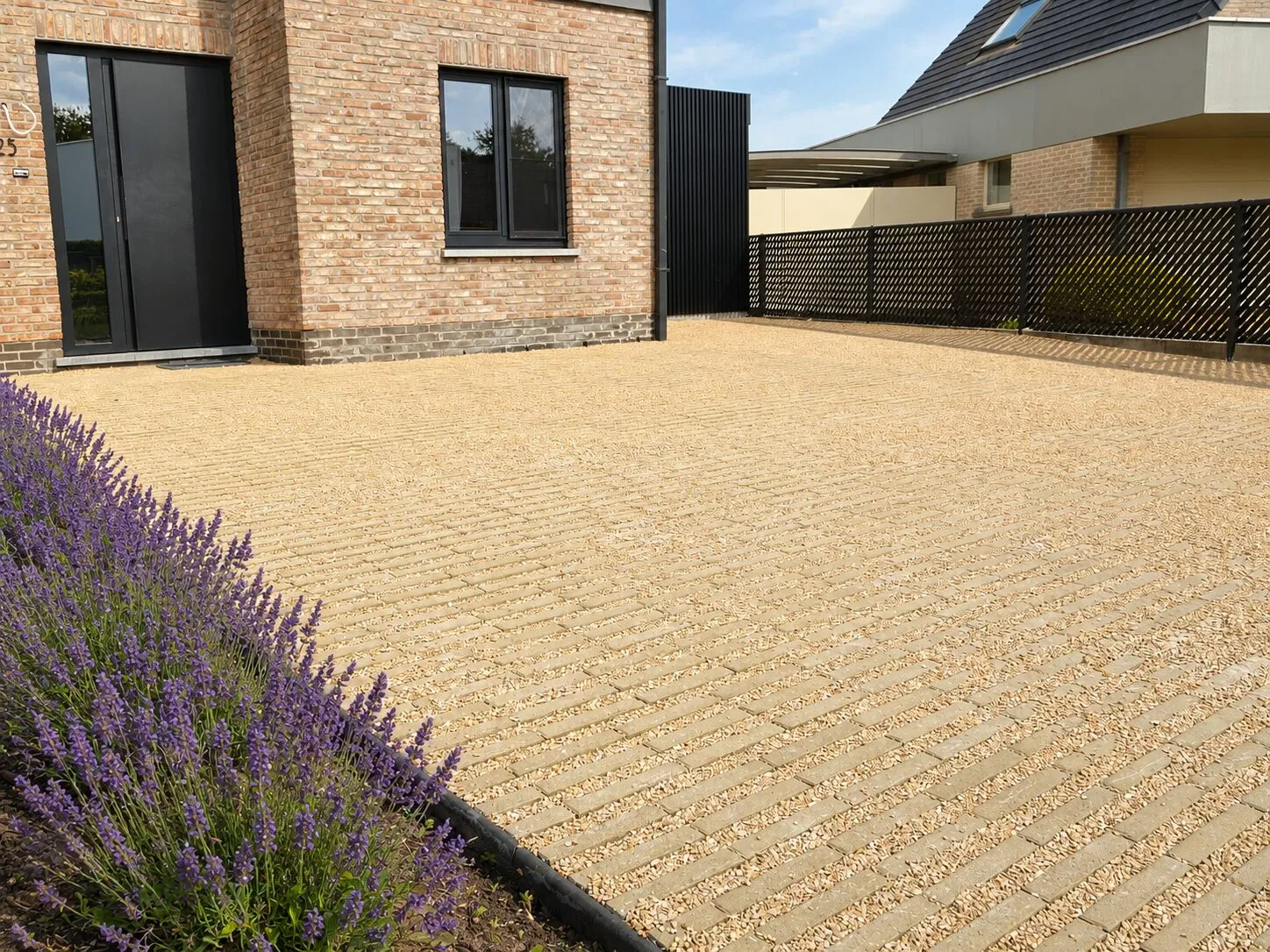
When people think of permeable paving, they still often picture gravel, grass pavers or grey, coarser pavers. That image is out of date. Today, the choice is much wider, in materials, colours, sizes and appearance.
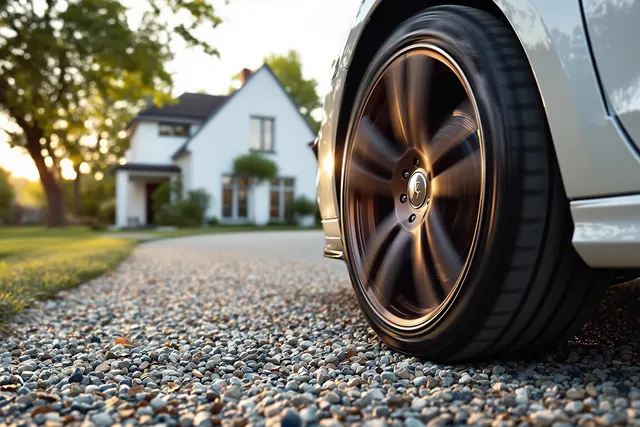
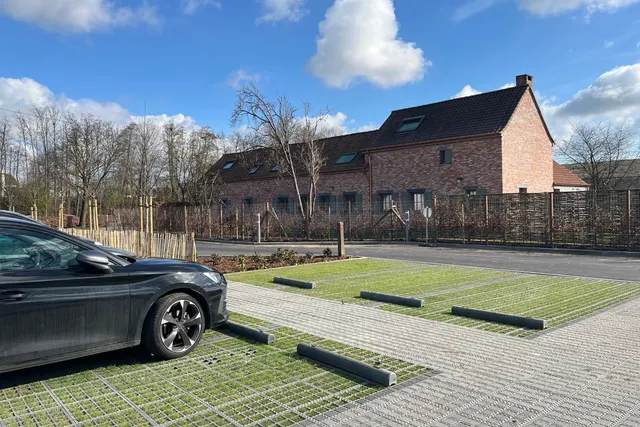
Ask a homeowner about a permeable driveway and gravel, grass pavers or grey pavers with wide joints are often the first things that come to mind. All are practical solutions, but they are far from the only options now.
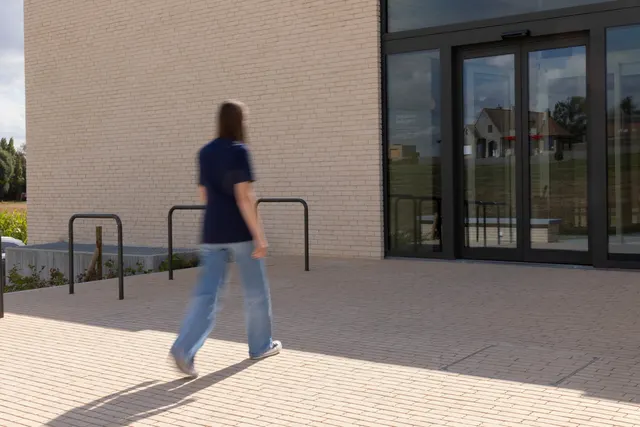
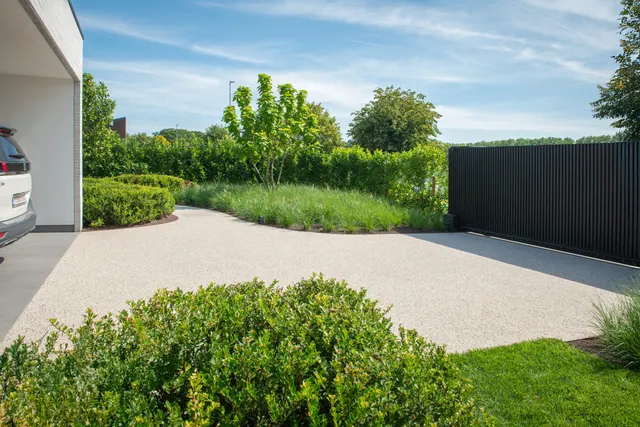
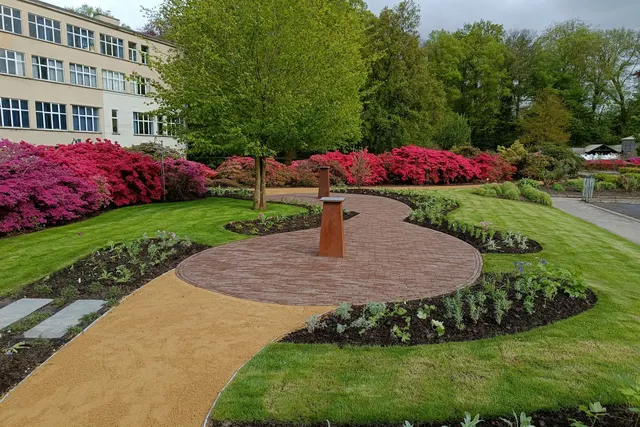
Permeable paving can now be clean-lined, warm, nuanced or striking. Options range from small square pavers to XL formats, long linear patterns, circles and natural stone. There is also far more choice in colour than grey and anthracite: think ivory, shades of brown, red, burgundy and nuanced blends.
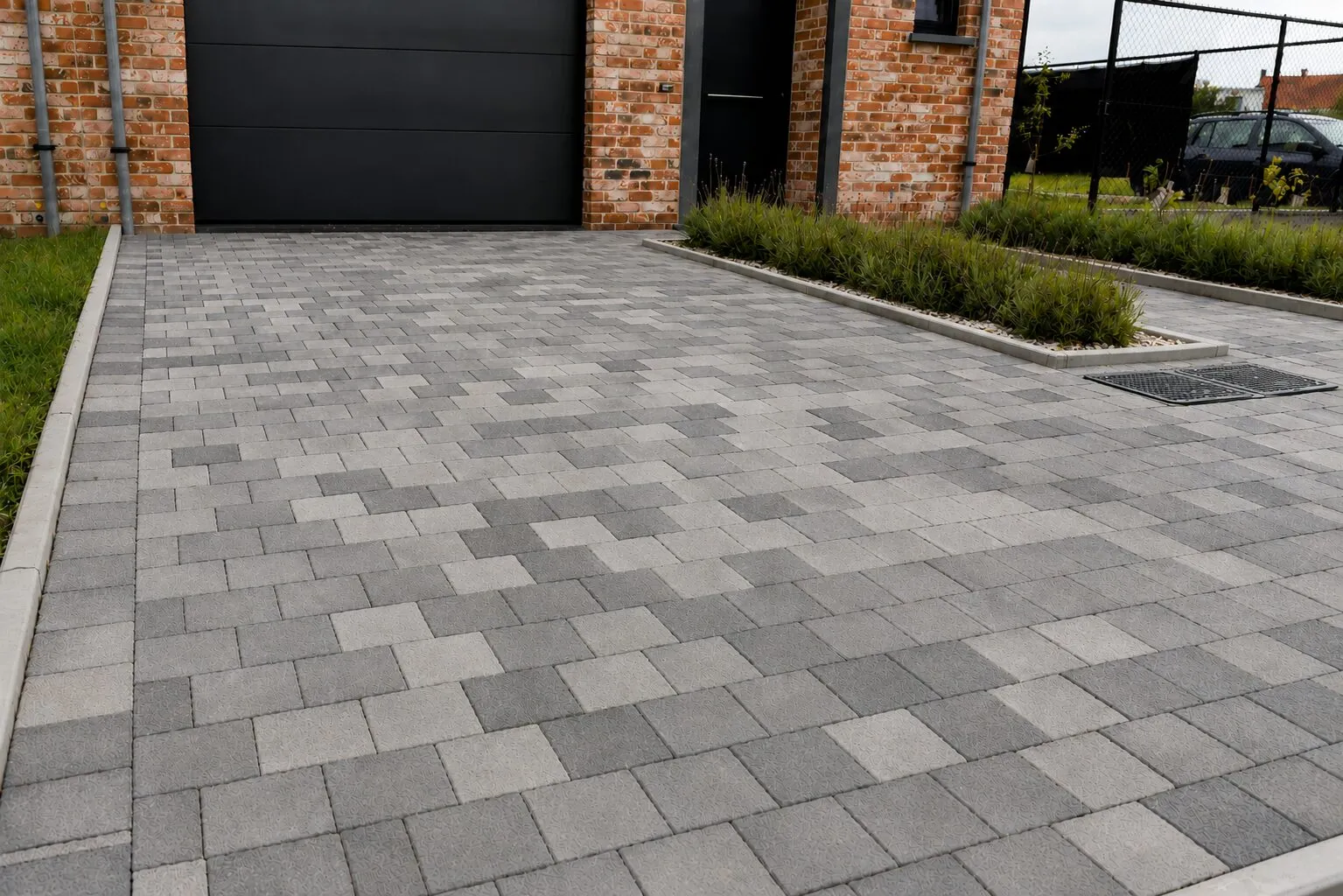
More choice than many customers realise
The new reference list makes it clear just how broad the category really is.
Natural stone is a surprise for many customers, and sometimes contractors too. The stone itself does not have to be porous. If enough water can pass through the joints and the layers beneath are designed accordingly, natural stone can also form part of a permeable paved surface.
The options are continuing to expand. New developments such as TopDrain show that the traditional compromise between a fine appearance and water permeability is becoming less of an issue. Gravel remains a fully viable choice too, especially when its natural look suits the project. For a driveway, gravel grids are strongly recommended to keep the stones in place and improve comfort when driving and walking.
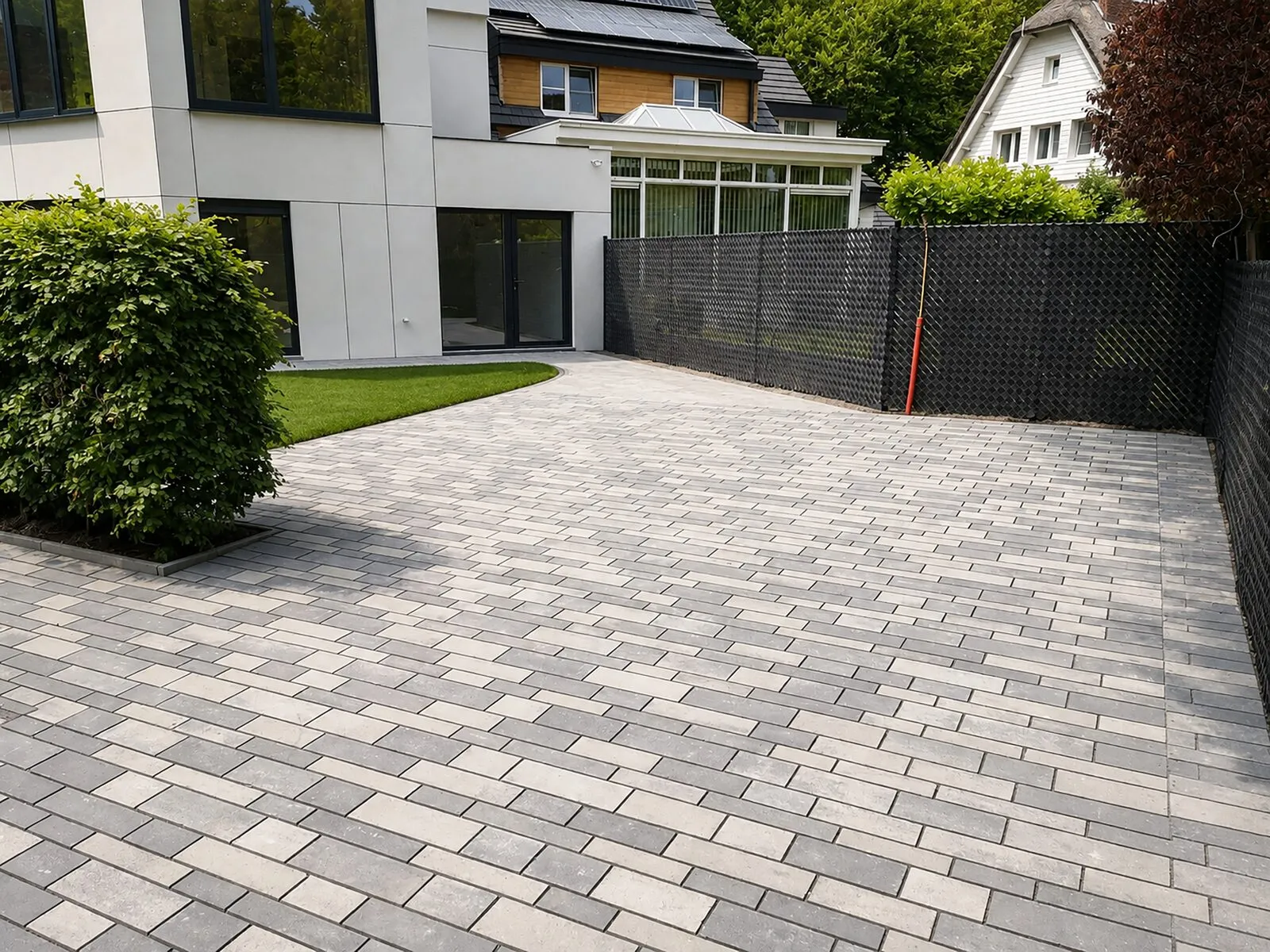
Fine-textured pavers leave less room for weeds
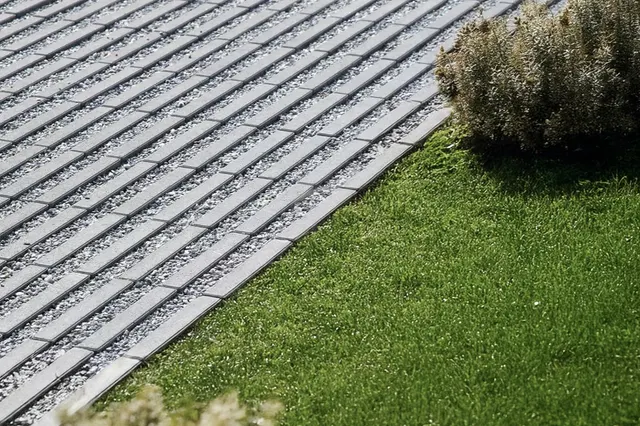
Development continues within the category of porous concrete pavers, too. A recent innovation is TopDrain, developed using ArtStone’s new concrete production process. With conventional porous concrete paving stones, the open structure is often visible on the surface, giving them their familiar, somewhat coarser appearance. Those looking for a finer, more closed appearance can now also choose water-permeable solutions in which rainwater mainly drains through wider joints.
That works, but wider joints inevitably mean a larger joint area. This matters to homeowners: joints are precisely where maintenance and unwanted plant growth can become a concern. The right jointing material can greatly reduce this, but the joint area is still there.
TopDrain takes a different approach. The paver has an ultra-fine porous surface layer, made from selected aggregates with specific grain sizes, shapes and combinations. This gives it an appearance much closer to that of a conventional fine-textured concrete paver, while still allowing rainwater to infiltrate through the entire surface. Extra-wide joints are therefore unnecessary. This brings three practical benefits. The driveway has a finer, more traditional paver appearance. There is less joint area, meaning less space for weeds to take hold. And the combination of a finer surface and small, standard joints improves comfort for pushchairs, walking frames and shoes with heels, among others. TopDrain achieves a permeability of at least 5,4 × 10⁻⁵ m/s and, together with a permeable sub-base, creates a fully infiltrating pavement structure.
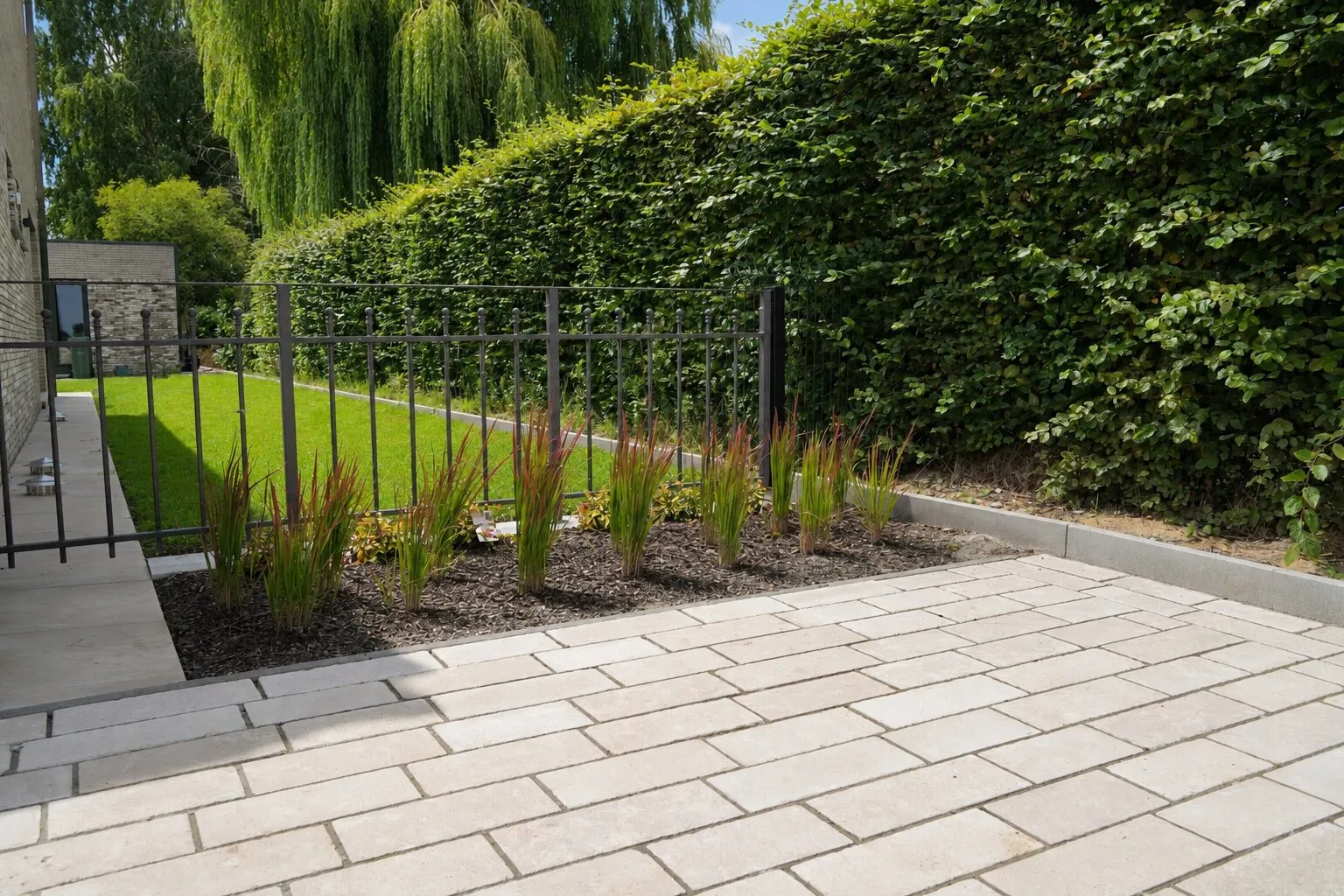
Ultimately, the customer mainly wants an attractive driveway
For the contractor, permeability is an important technical requirement. Homeowners, meanwhile, are also thinking about their façade, colour, size, comfort, maintenance and budget. And with so many more options available, choosing a material is not necessarily any easier.
At ArtStone’s four showrooms in Heusden-Zolder, Puurs, Lede and Zedelgem, contractors can therefore let their private customers view and compare different permeable solutions side by side: from gravel and grass pavers to natural stone, water-permeable pavers, porous concrete pavers and the new TopDrain pavers with their ultra-fine porous surface layer.
The advisers help customers understand the differences in appearance, use and maintenance, and choose a suitable material. The contractor remains in charge of the technical execution on site. Above all, this saves time. Customers return better informed, knowing not only that they want a permeable surface, but also which look and solution suit their project. Perhaps that is the most important development: permeable paving no longer has to look permeable.
Een zakelijke vraag aan Artstone NV? Get in touch
Companies in this story
Keep following this
Get an email when a new story is published. No account needed.
- ThemeWater and hard landscaping in the garden
- SubjectPaving
- CompanyArtstone NV