Green roofs: from plant selection to sustainability
Text Kris VandekerckhoveImage EMC Greenroofs
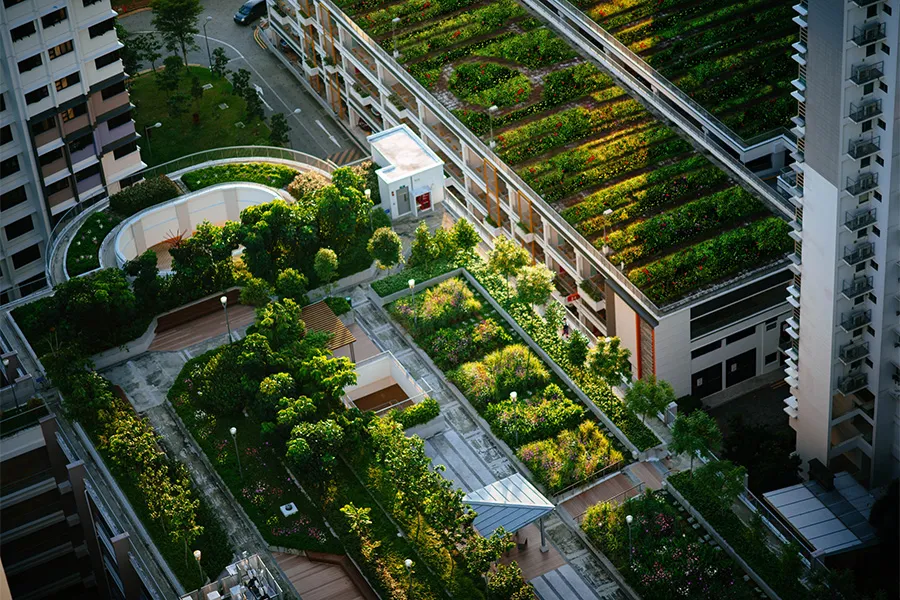
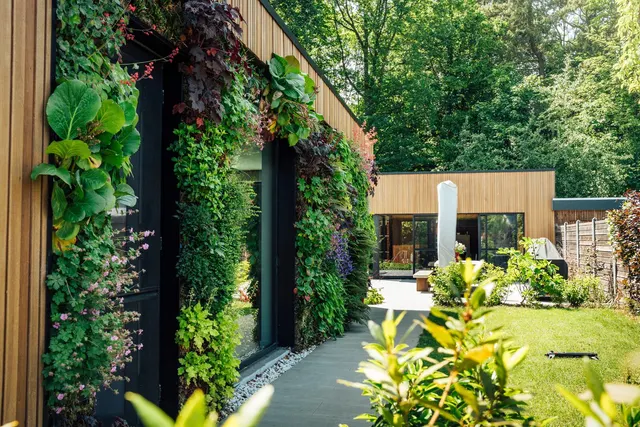
Green roofs are a growing trend in urban architecture and landscape design. They not only enhance the appearance of buildings, but also offer a more sustainable and environmentally responsible way to integrate greenery into the places where we live and work. They are part of what is now known as nature-inclusive construction. In this article, we discuss the latest trends in green roofs and how they can be implemented. This includes their benefits and design considerations, as well as installation and maintenance. GreenPro went to see a number of fascinating green roof installers. What we found was certainly fascinating…
Green roof trends: nature in the urban jungle
Green roofs are incredibly popular and are seen as a forward-thinking way to bring natural elements into the built environment. This is known as nature-inclusive construction. Although they are often associated with urban areas because of their ability to make the most of available space, green roofs are versatile and can of course be used elsewhere too. This trend is being driven by the growing need for sustainable solutions and the recognition that green roofs are an effective way to reduce air pollution, retain rainwater and promote biodiversity.
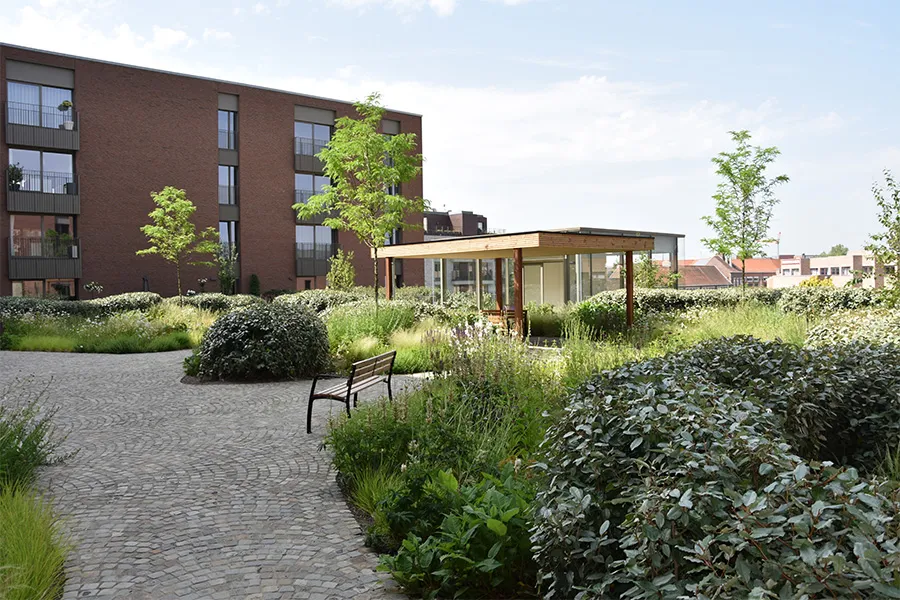
The benefits of green roofs: greenery overhead
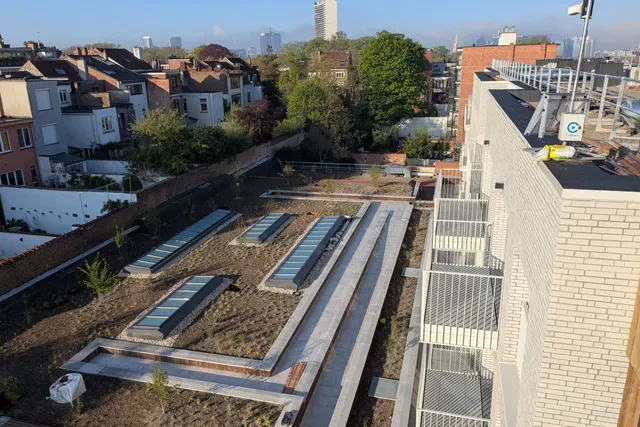
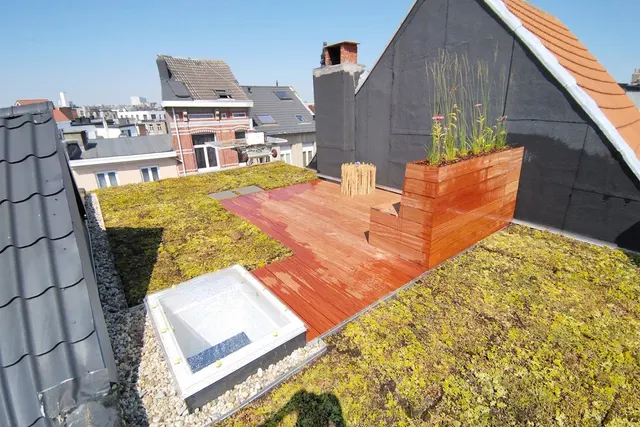
Green roofs have intrinsic aesthetic value and visual appeal, enhancing the beauty of their surroundings. They transform bare concrete surfaces into vibrant green landscapes, creating harmony between human architecture and the natural world. Beyond their aesthetic value, green roofs play an important role in making the most of space in densely populated areas. They bring greenery to places where traditional gardens are difficult to create. These spaces are currently usually left unused.
Green roofs also help improve air quality by capturing air pollutants and reducing harmful gases. They also act as natural sound-absorbing layers, making the living environment quieter and more comfortable. In addition, they reduce the need to cool buildings. All this improves quality of life and creates a healthier living environment.
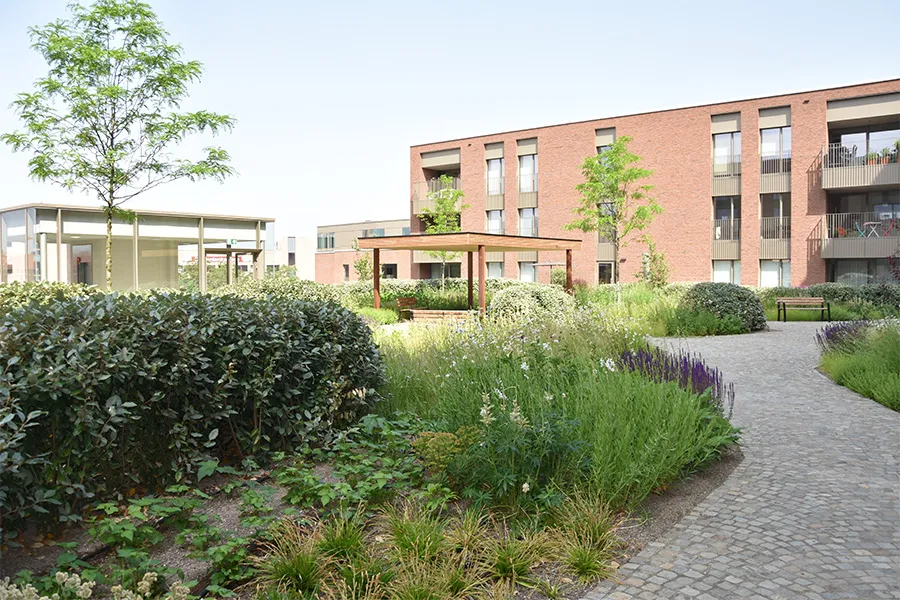
Green all year round?
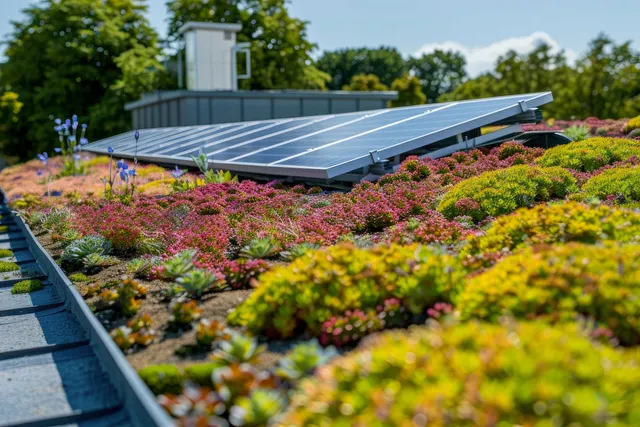
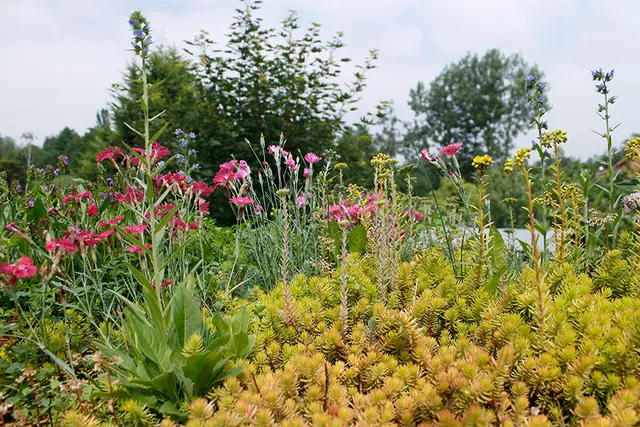
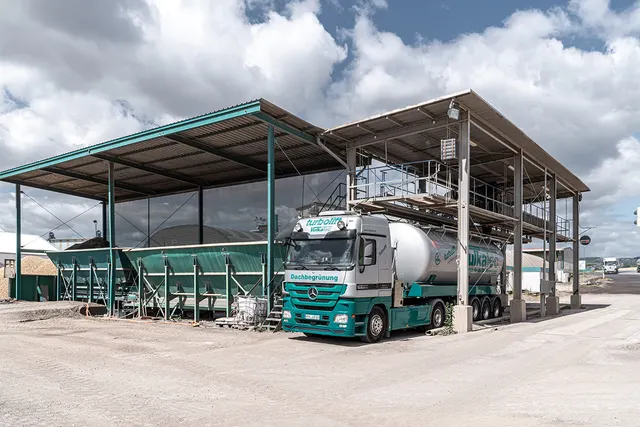
Some companies are taking this a significant step further. They have explored whether, alongside a wider variety of plant compositions, it would be possible to find a universal, ideal growing medium for a green roof that grows and flowers from spring to autumn, supports biodiversity, can withstand climate change and requires less maintenance, making it more sustainable than a traditional green roof. This involves using a lava substrate with the right dose of minerals and organic matter. Added micro-organisms create an optimal growing medium for plants.
Design considerations: from plant selection to sustainability
Several factors need to be considered when designing green roofs. Choosing suitable plant species and planting schemes is essential to achieve a sustainable and visually appealing result. Irrigation and drainage plans must also be considered to prevent waterlogging.
Managing light and shade is also important. Plants have different light requirements, and optimising these conditions helps ensure the success of a green roof. Maintenance is an ongoing process, and sustainability must be built into the choice of materials and systems to ensure that the green roof continues to have a positive impact over the long term.
Installing green roofs: building for the future
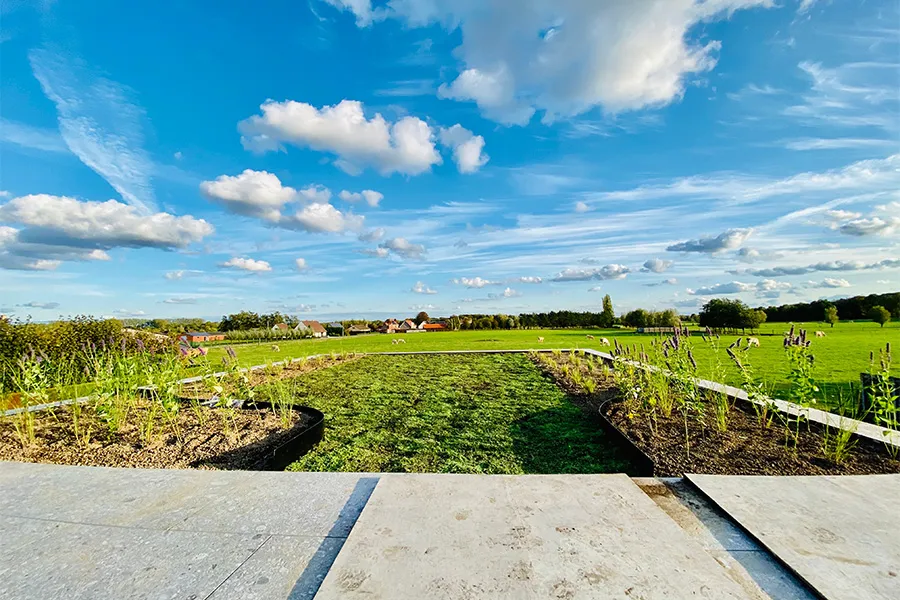
Before installing a green roof, the roof’s load-bearing capacity must be assessed. Preparatory work, such as installing waterproofing, is crucial to ensuring the green roof’s durability. The construction itself requires specialist techniques and materials to provide a stable base for the greenery. Plant selection depends on factors such as the depth of the substrate layer, the climate and light levels.
Fixing and support systems must be carefully selected and installed to ensure the green roof remains safe and lasts for the long term. All these steps require a multidisciplinary approach, with architects, landscape designers and construction specialists working closely together.
There is no getting away from it: green roofs are one of the key solutions for tackling climate change. They can also help transform our cities and create sustainable, healthy living environments. Their growing popularity reflects the increasing need to balance built environments with nature. With careful consideration of design, ecological value and technical requirements, green roofs are an inspiring example of how our sector can contribute to a greener future.
Question about this story? Ask your question
Keep following this
Get an email when a new story is published. No account needed.
- ThemeTrees and plants of tomorrow
- SubjectGreen roofs