Agricultural & horticultural machinery
From ownership to use as a driver of the circular economy
Text Kris VandekerckhoveImage Eliet Europe nv
More and more businesses and organisations are taking a different view of ownership. Instead of buying products, they are increasingly choosing to rent or share them. This shift is part of a broader move towards a circular economy, where using resources more efficiently is key.
In Flanders, the Green Deal Huren en Delen is working to accelerate this shift. The initiative brings together businesses, knowledge institutions, government bodies and community initiatives to develop new models for sharing products. According to Lieven D’hont, coordinator of WijDelen, the non-profit organisation behind the Green Deal, collaboration is essential. “The shift to renting and sharing is a systemic challenge. You need manufacturers, retailers, rental companies and users to make it happen together. With the Green Deal, we bring all these stakeholders together to develop new models.” The goal is clear: to strengthen the rental and sharing market and make shared use a fully fledged alternative to buying.
‘Product as a service’
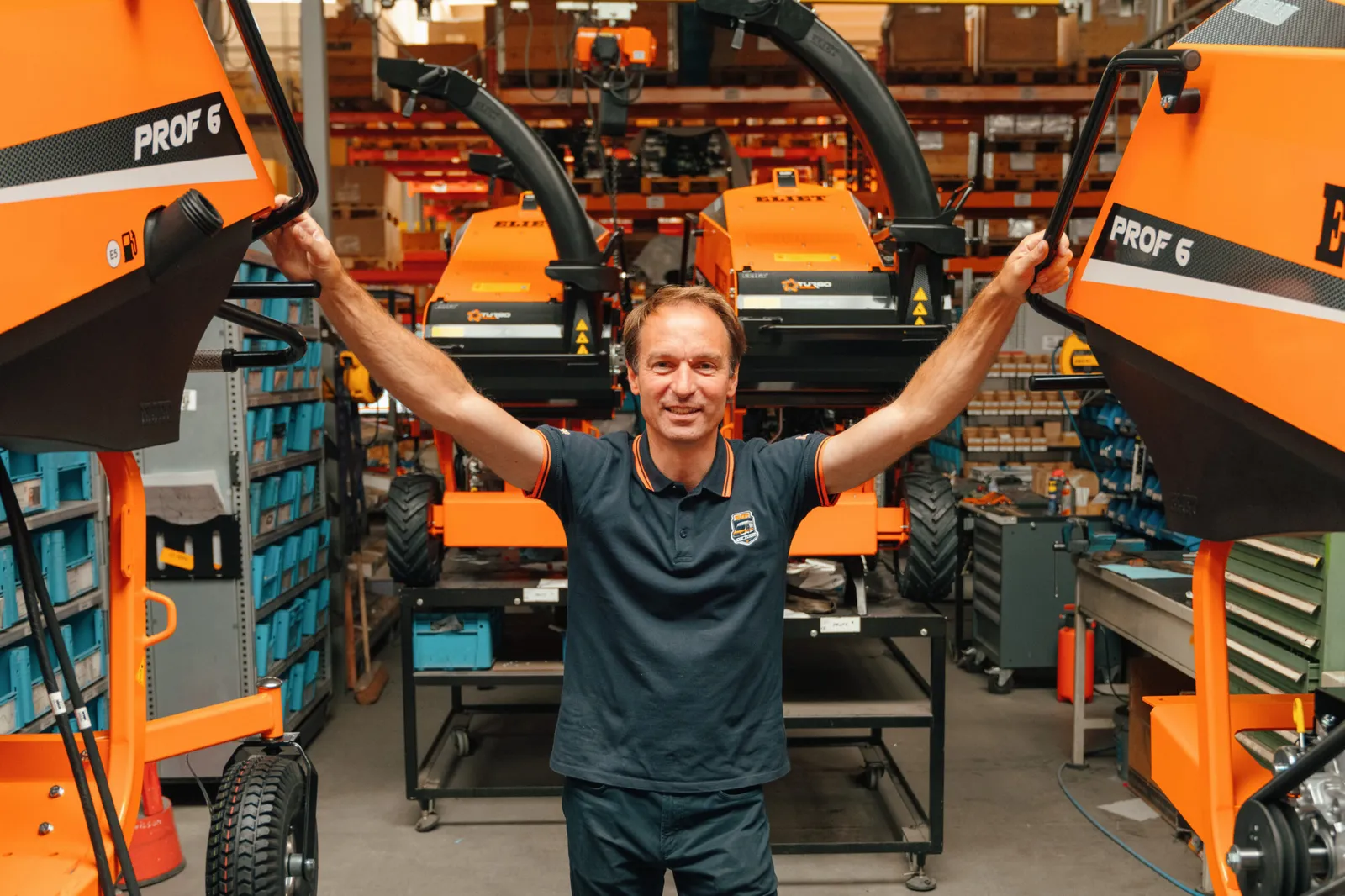
One entrepreneur who is seeing this shift at close quarters is Frederic Lietaer, managing director of machine manufacturer Eliet. The family business produces, among other things, garden machinery for professional users. Lietaer believes the traditional sales model is not always the best solution. “For some niche machines, it simply doesn’t make sense for every user to buy one.” Some specialist machines are only used occasionally, so many businesses choose to delay the investment or not make it at all. This is where the so-called ‘product as a service’ model comes in. Instead of selling a machine, the manufacturer offers the service it provides. Customers pay for use, not ownership. According to Lietaer, this model has particular potential in sectors where machinery is expensive and only needed occasionally.
Case study: the Jetzer
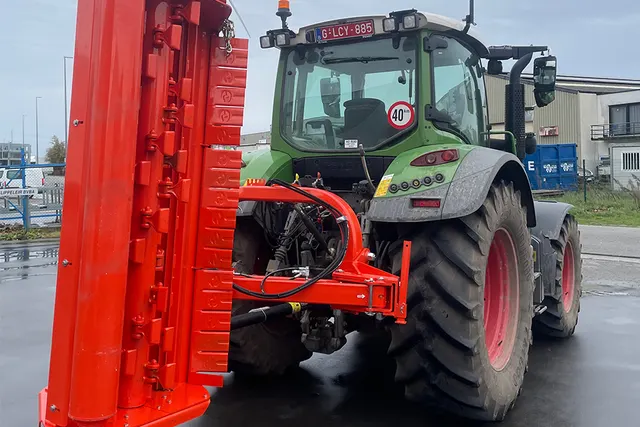
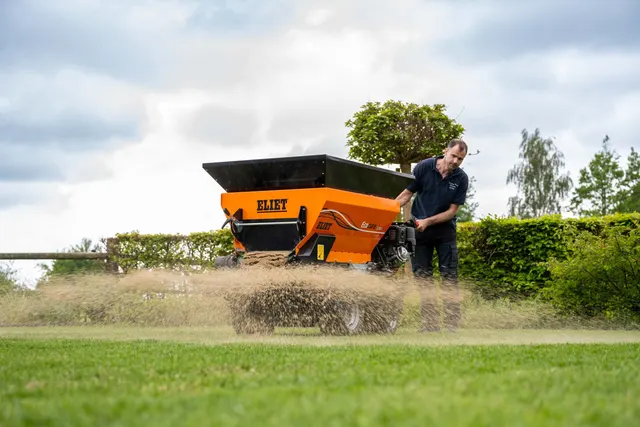
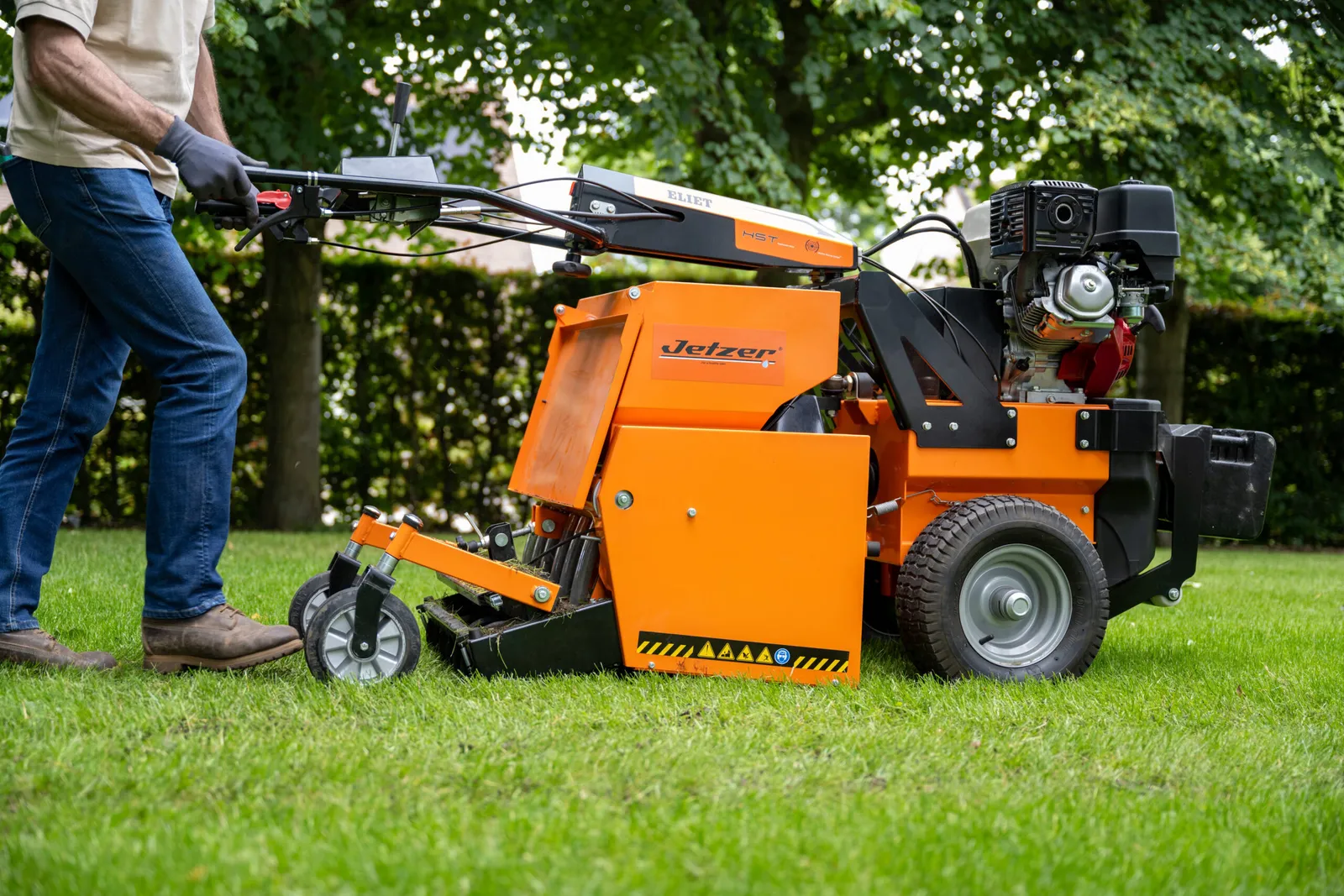
A concrete example of this kind of niche application is the Jetzer, a specialist machine from Eliet for removing thatch and organic material from lawns. The machine delivers particularly efficient results, but in practice is only used at specific times, for example for intensive lawn restoration or renovation.
That is precisely why buying the machine is not always economically viable. For many landscaping professionals, a rental or sharing model can therefore be a logical solution. It makes high-quality technology accessible without a major investment, while ensuring the machine is used to its full potential.
Less ownership, greater efficiency
Studies also show that households and businesses often own many items that remain unused for most of the time. Sharing or renting these products can make better use of their lifespan. This brings not only economic benefits, but environmental ones too. “Renting and sharing are a response to overconsumption and overproduction,” says D’hont. “By making better use of products, we need fewer of them and use resources more efficiently.” He says it is not just about saving money, but also about changing how we think about ownership. “Our ambition is simple: to make renting and sharing the norm. Purchasing power is not the only thing that matters, use power matters too. For many applications, access to a product is more important than owning it.”
A change in culture is needed
There are still challenges, however. Lietaer believes a sharing economy also requires a change in mindset. “We need to learn to take better care of the equipment we borrow or rent.” If users do not look after shared products, this can lead to negative experiences and undermine confidence in the system. Awareness of rental and sharing models also remains relatively limited. Many businesses and consumers are not yet familiar with the options or have concerns about practical issues such as logistics, insurance or availability.
Working together to build new models
That is why the Green Deal Huren en Delen aims to encourage experimentation and collaboration. Since it began, dozens of organisations have signed up to test new business models, exchange knowledge and launch pilot projects. The ambition is to take renting and sharing beyond the niche and establish it as a fully fledged part of the economy. In a world where resources are becoming scarcer and sustainability is increasingly important, one thing seems clear: the future is not only about what we own, but above all about how we use it.
Question about this story? Ask your question
Keep following this
Get an email when a new story is published. No account needed.
- SubjectAgricultural & horticultural machinery