Agricultural & horticultural machinery
Lawnmowers: trends and challenges
Customers come well prepared
We’ve already had the first few more or less warm days. And, as every year, the green professional’s phone suddenly starts ringing off the hook. Everyone wants their garden to be completely in order right now. This is also the time when private customers change the oil in their lawnmowers, sharpen or replace the blades, and the sound of engines can be heard everywhere. Or is it? Are people now more likely to opt for electric, and therefore silent, machines? And do gardens still have to be cut to within an inch of their lives, or can they be a little wilder? What about products to prevent weeds? And what about the customers themselves? Are they still the same as they used to be? GreenPro spoke to several dealers in the sector, from across almost all the provinces of Flanders. A few trends and challenges soon emerged…
Automation
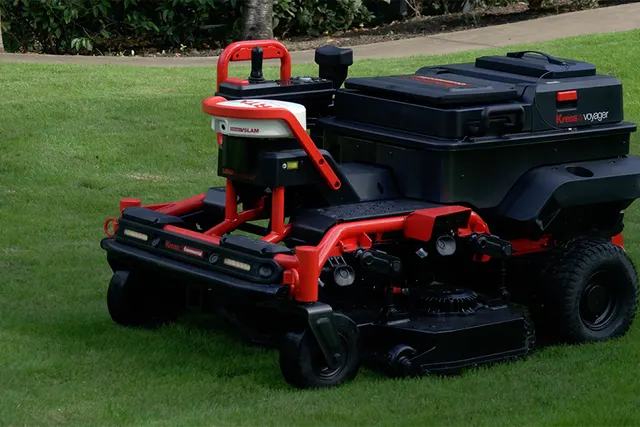
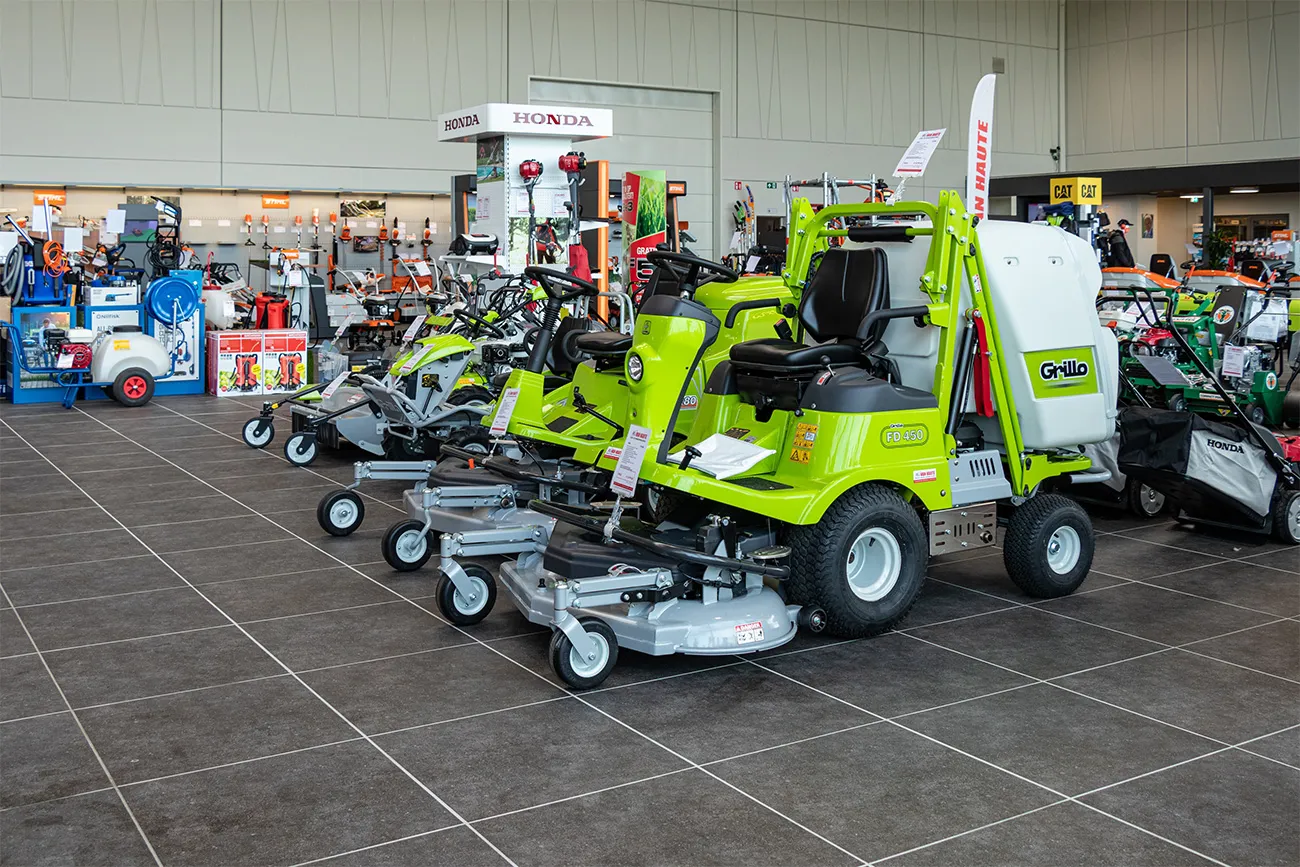
A term heard increasingly often in the sector is automation, particularly when it comes to lawnmowers. Automation can make the work of professionals in the green sector more efficient and easier. This ranges from robotic mowers equipped with sensors or GPS technology to fully autonomous machines.
Robotic mowers are currently the undisputed class favourite. These machines are equipped with sensors, navigate independently and mow the lawn without an operator. Robotic mowers first became popular with private customers, but are also ideal for maintaining large commercial lawns, such as parks and golf courses. While the grass is mown fully automatically and efficiently, landscape contractors have more time to focus on other tasks.
Some lawnmowers are equipped with GPS, allowing them to recognise the contours of the lawn and programme themselves to mow more efficiently. This not only saves time, but can also help extend the machine’s service life by reducing how often the lawn is mown. They usually return automatically to their charging stations when their batteries are nearly empty, so they can be considered almost 100% automated, or fully autonomous.
Cédric Bouckaert, Van Haute Landbouwmachines (Hamme): “Although automation certainly has its advantages, it is important to remember that these machines still need to be maintained and checked. They must be inspected regularly for wear, and the blades also need to be replaced from time to time. What’s more, programming them is not always straightforward, and the machines also require software updates. We only install these if the machines start to malfunction. Of course, some machines do this automatically.”
Frederic Deloof, Martens Tuinmachines (Zuienkerke): “The shift to battery-powered machines has clearly accelerated, but so far it hasn’t become a complete takeover. Looking at customer orders and enquiries, the split is about 50/50. Professionals are the last to switch their lawnmowers, which is perfectly understandable. Very few professional battery-powered machines can match petrol machines in terms of both power and run time. Smaller machines are the first to make the switch, such as hedge trimmers and leaf blowers. The advantages there are numerous, not least in terms of weight and handling.”
Not mowing?
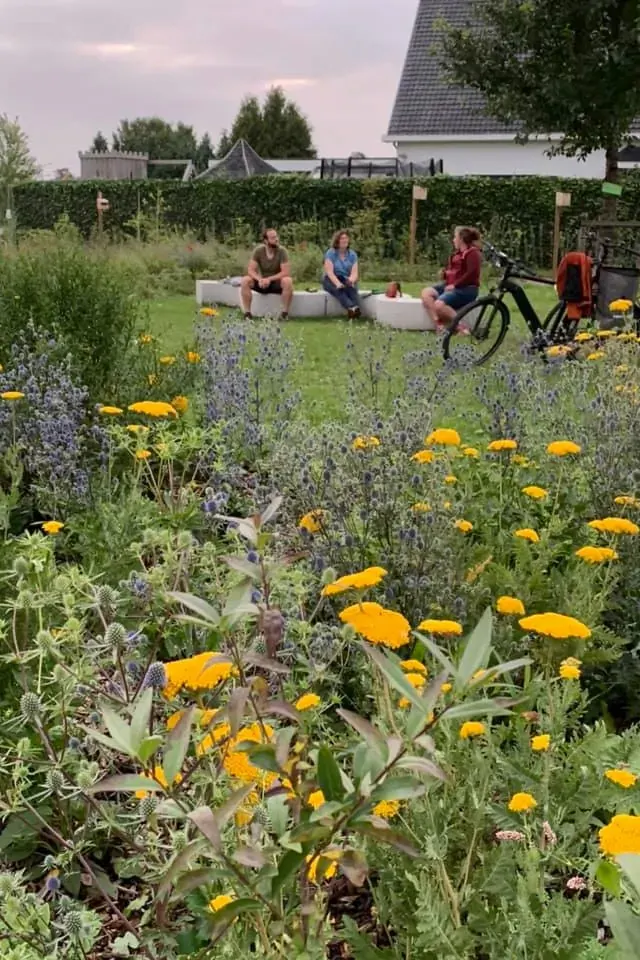
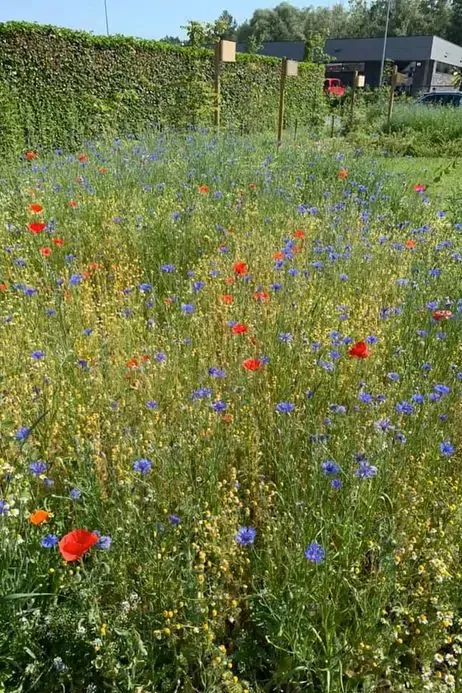
Making lawns greener is becoming increasingly popular with both private customers and professionals, often in combination with an area of ‘edible’ garden. One of the main benefits is that lawns need mowing less frequently, which not only saves time but is also good for the environment.
Tom Swinnen, Dekens Agri Technics: “Greener lawns are often achieved by sowing grass that is more drought-resistant. This creates a greener lawn that grows more slowly and therefore needs mowing less often. Adding native herbs and flowers to the lawn also supports the habitat of bees and other pollinators. This helps biodiversity and preserves local flora and fauna. Finally, don’t overlook the aesthetic appeal of a greener lawn. A lawn with different colours and textures, such as native herbs and flowers, can have a unique and beautiful appearance.”
Out with pesticides and herbicides
In recent years, there has been a growing trend in the agricultural and horticultural sectors to reduce or even completely avoid pesticides and herbicides, whether or not driven by various regulations.
This is mainly due to concerns about the harmful effects of these chemicals on the environment, human and animal health, and the ecosystem as a whole.
Sustainable agricultural and horticultural practices are also clearly on the rise. Alternative methods, such as integrated pest management and natural weed control, are effective without using harmful chemicals. This not only improves soil quality, but also increases crop yields. Reducing pesticides and herbicides in this way contributes to a more sustainable future. By using these alternative methods, we can protect our soil and ecosystems and promote a healthier living environment for everyone.
The ‘new’ customer
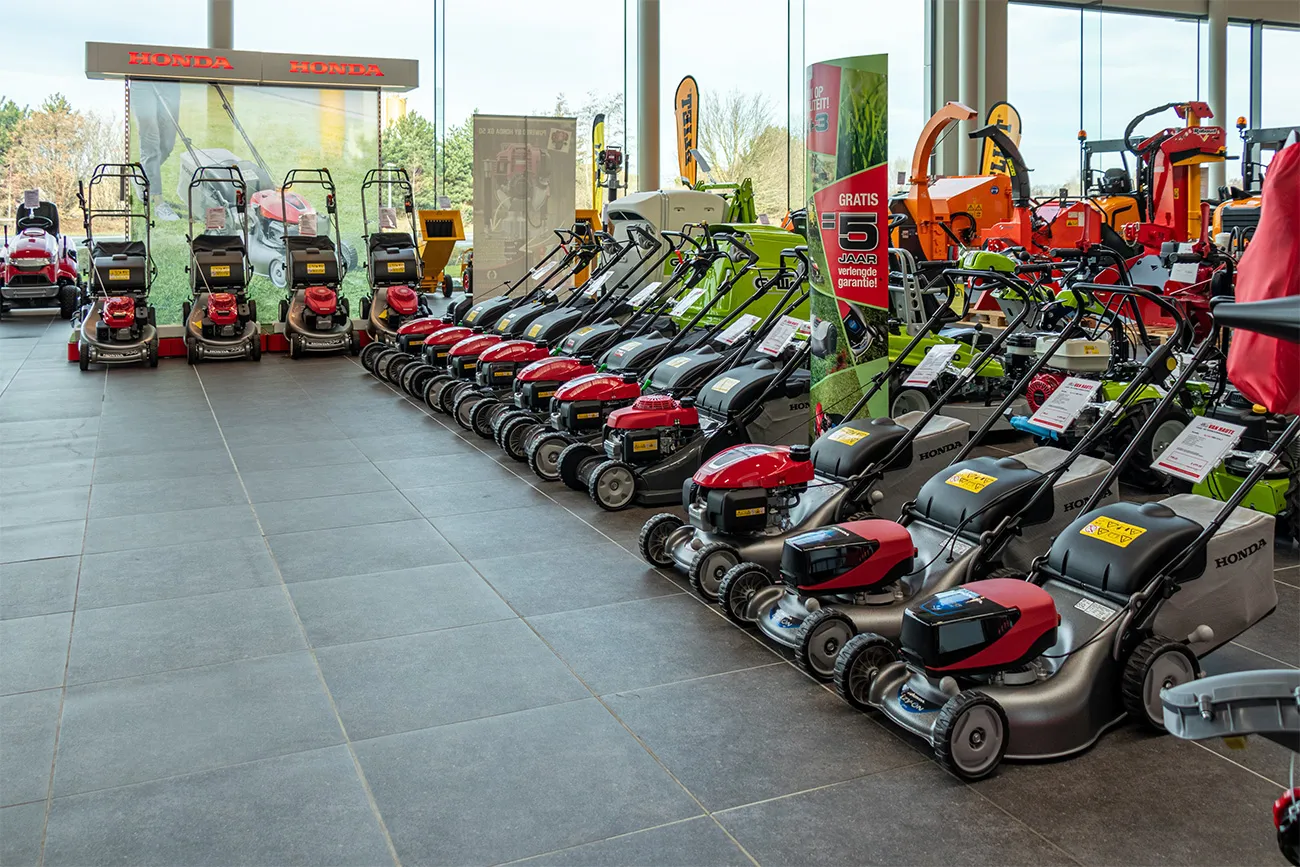
Finally, one thing that really stands out is that customers who are uninformed are now few and far between. This is especially true of the younger generation and newcomers to the sector. Before visiting a shop or dealer, they research exactly what they want and need, often using sources such as the Test Aankoop website or, of course, YouTube videos. This naturally puts dealers at risk of losing sales, particularly when it comes to cheaper machines that brands occasionally sell through larger retail chains such as Hubo, Aveve and Gamma. But these are usually smaller machines that require little or no servicing. That is hardly surprising, since the labour costs of properly trained, experienced technicians can easily exceed the purchase price of such machines.
Frank Decré, Tuinmachines Decré (Leuven): “Customers nowadays come well prepared. As a supplier or dealer, you need to offer real added value compared with the internet and online shopping. That means, of course, a personal approach and accurate information. We can also quickly set up a demonstration with several machines, giving potential customers the chance to try them out for themselves. We also recommend after-sales servicing. The machine that never develops a fault has yet to be invented. Or we can provide replacement machines. Every professional appreciates that, because it means little or no downtime.”
Question about this story? Ask your question
Keep following this
Get an email when a new story is published. No account needed.
- SubjectAgricultural & horticultural machinery