More greenery as a climate solution
Text and images Eliet
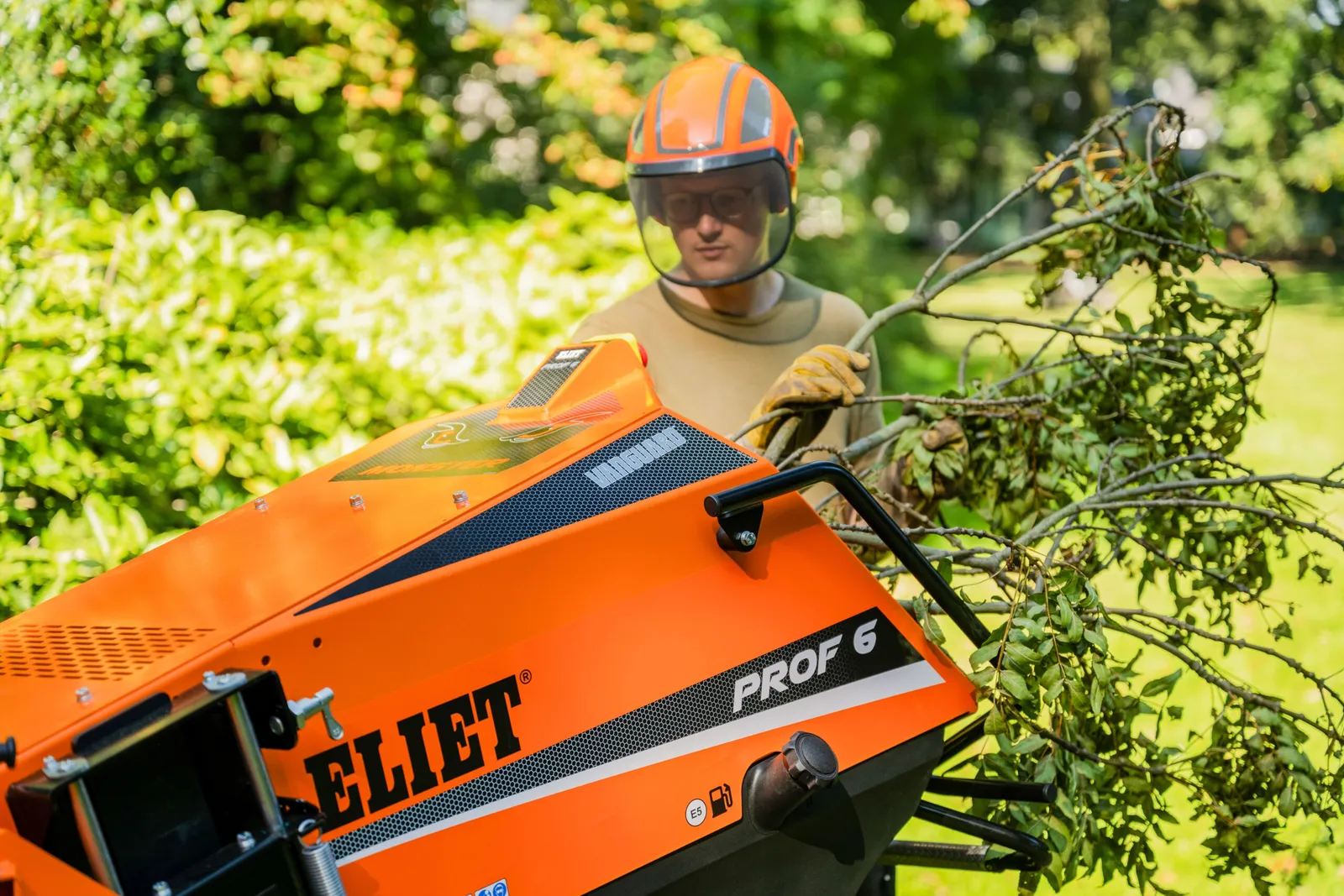
Climate change is no longer science fiction. Today, it is a harsh reality: heatwaves, periods of drought and sudden downpours are becoming increasingly frequent. For landscape contractors, this means a new reality in which greenery plays an even more important role. More trees, shrubs and lawns are not only aesthetically valuable, they also act as natural climate buffers.
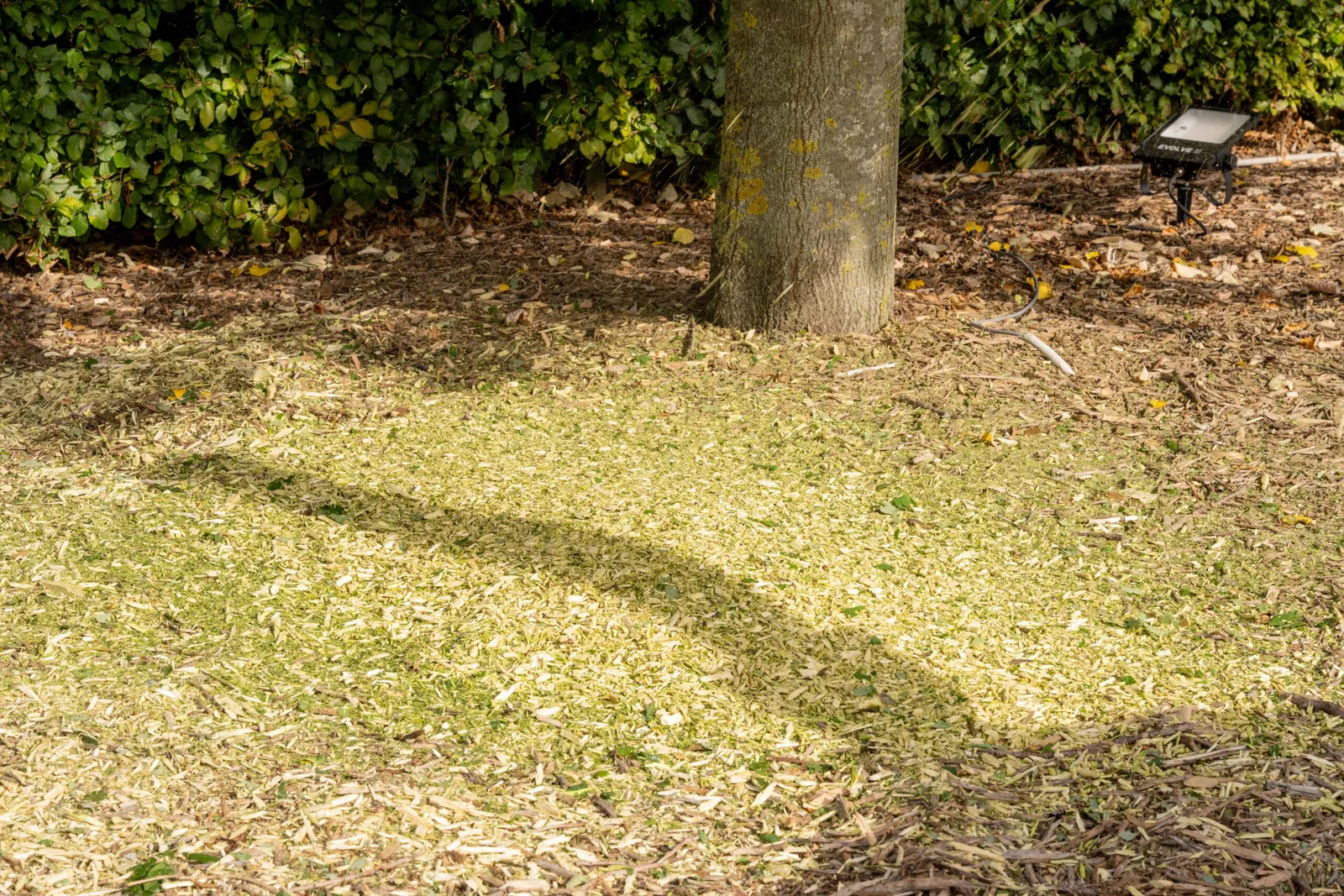
Numerous studies show that greenery in cities and private gardens helps cool the environment (by counteracting the urban heat island effect), store CO2, buffer water and purify the air. A green living environment also improves people’s wellbeing and health. Governments are therefore strongly encouraging additional planting in public spaces and private gardens alike. But more greenery also has a downside: more maintenance and pruning waste. Whereas pruning residues were often taken away in the past, they are now seen as a valuable resource. Every branch and leaf contains valuable nutrients that are better returned to the garden. By chipping pruning residues and returning them to the soil as mulch, landscape contractors close the loop in the garden.
Green waste as a resource
When pruned wood is chipped and returned to the garden as a layer of mulch, it creates a self-sustaining ecosystem. This recycling method has several scientifically proven benefits:
- Moisture regulation: A mulch layer of wood fibres reduces moisture evaporation from the soil by up to 30%. This keeps the soil cooler and moist for longer, which is crucial during dry summers.
- Improved soil structure: The fibre-rich wood chips break down gradually and improve soil aeration. This creates a looser substrate in which roots can penetrate deeper.
- Active soil life: The decomposition of organic matter stimulates micro-organisms, fungi and earthworms. Together, they create rich soil life that not only promotes biodiversity but also strengthens plants’ natural resistance to disease.
- Nutrient cycle: Rather than adding external fertilisers, nutrients are recycled locally. This prevents soil depletion and keeps the ecosystem in balance.
In short, green waste is not a burden, but a natural source of nutrients for a sustainable garden.
The Chopping Axe Principle
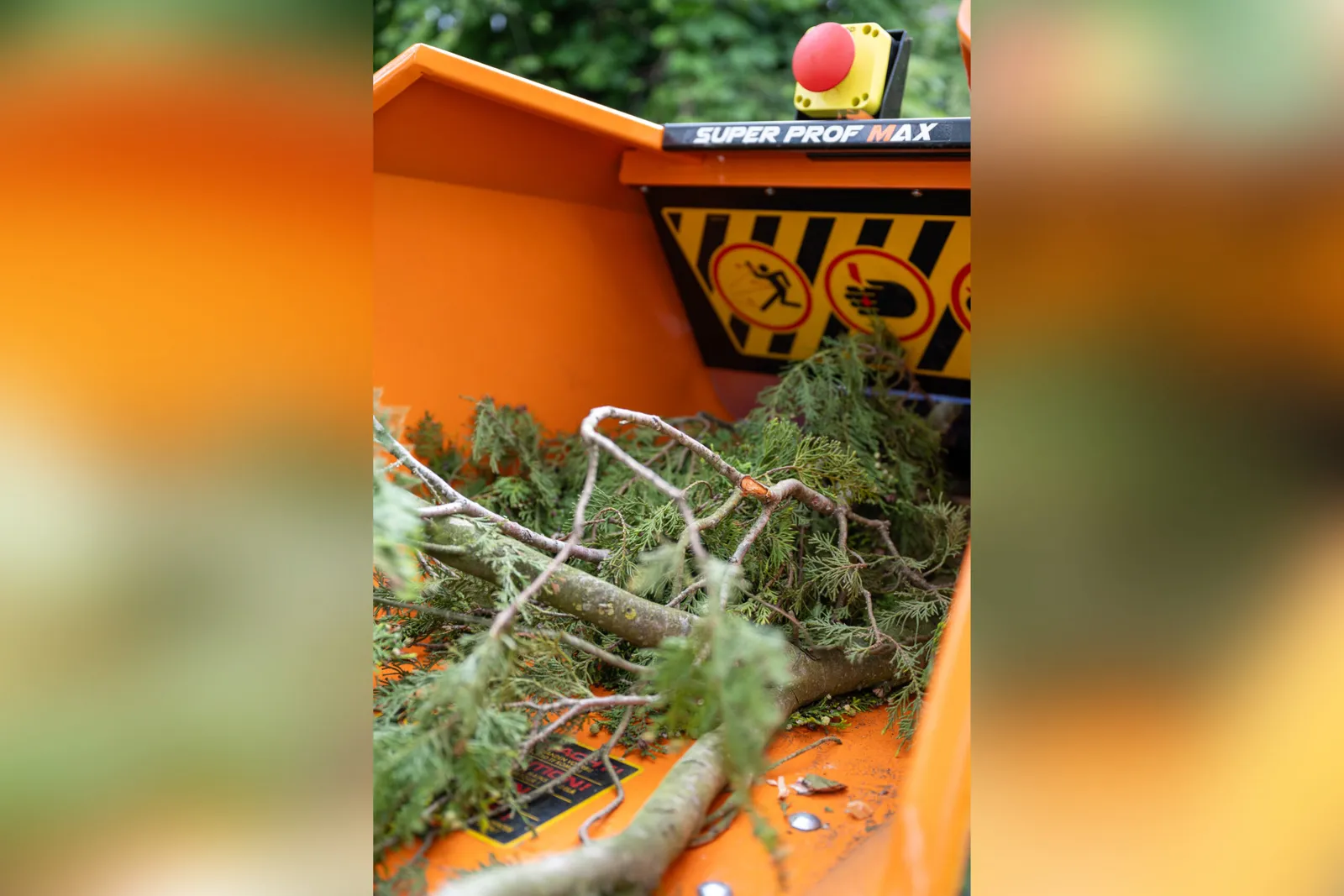
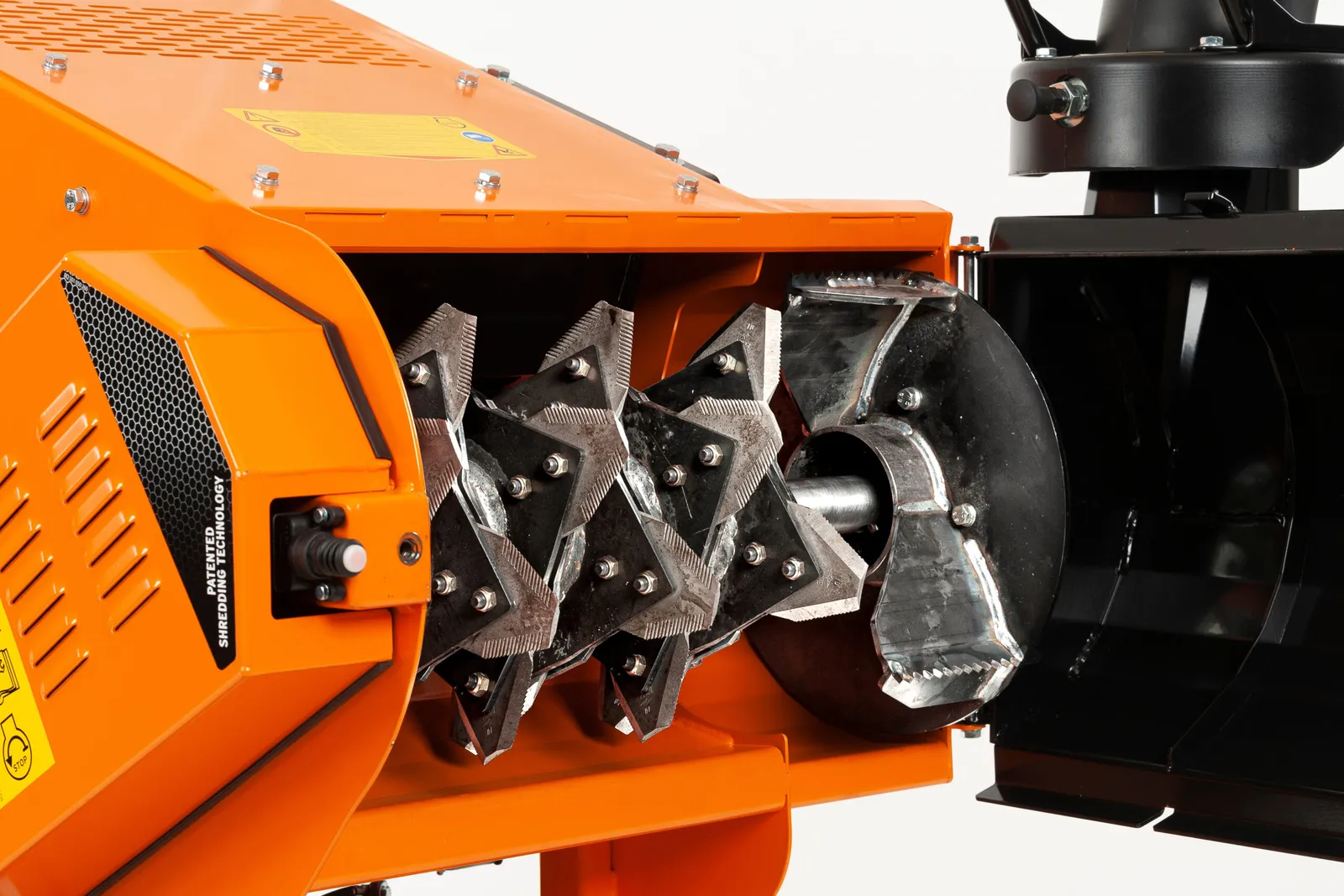
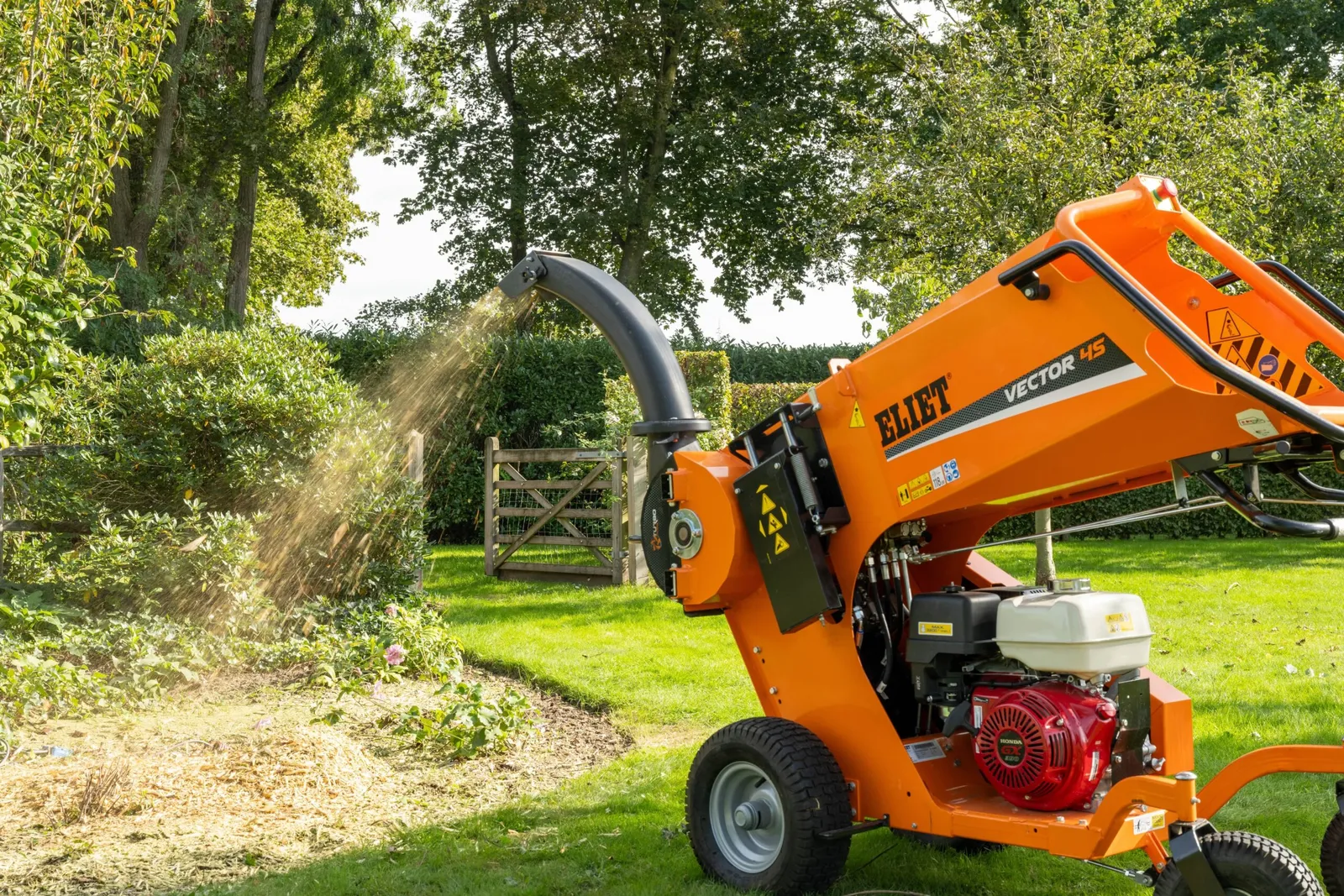
Not all chippers on the market deliver the same results. The quality of the wood chips largely determines how quickly they compost and how they affect the soil. This is where ELIET stands out with its unique chipping system: the patented Chopping Axe Principle™. Whereas conventional chippers slice branches into discs, the ELIET system works differently:
The blades cut the wood along the grain, just as an axe does when splitting logs. This has three key advantages:
- Requires less power: Cutting along the grain takes less energy than cutting across the wood. As a result, ELIET chippers use energy more efficiently and get more out of the same engine power.
- High-quality chips: With numerous blades splitting and cutting at a high chopping frequency, the chips are crushed intensively. This exposes the fibre-rich structure, creating a larger surface area for micro-organisms. They can then access cellulose and hemicellulose more easily, significantly speeding up decomposition and conversion into humus. This makes an excellent base material for a high-quality mulch layer and soil improver.
- Versatile processing: The cutting method, which does not use a counter-blade, makes the chipping system suitable for all types of pruning residues, from hard branches to wet green waste and soft, fibre-rich material. The blade system can handle it all. It is also unaffected by sand or gravel entering the chipper.
Ready for all four seasons
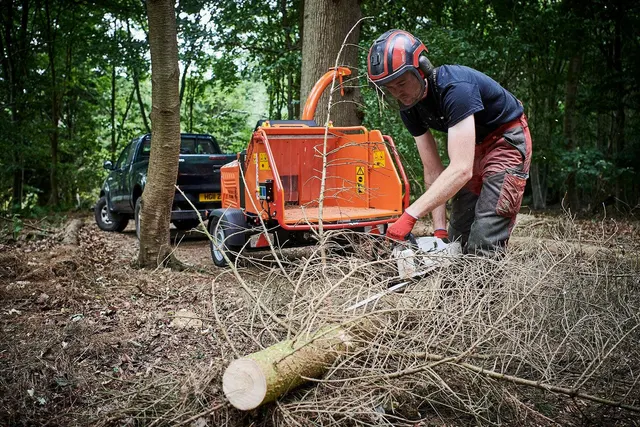
Pruning does not stop in winter. Each season brings its own type of material: fresh growth in spring, dense hedges in summer, branches and leaves in autumn, and heavier wood in winter. ELIET chippers are true all-season machines. Their robust blade system processes the full range of pruning residues throughout the year. This makes the investment even more worthwhile: the machine is never idle, but can be used all year round.
Mobility: from branch to chip without wasting time
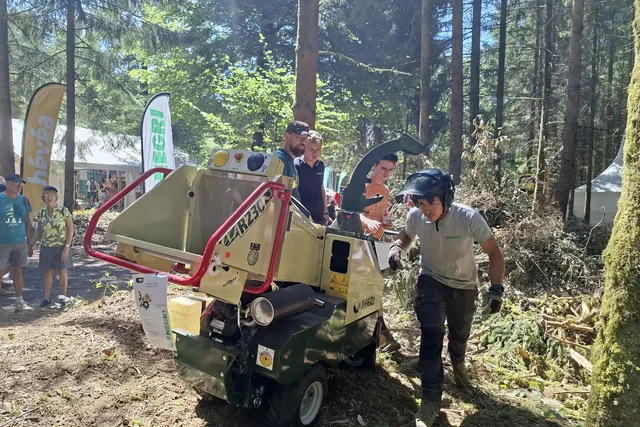
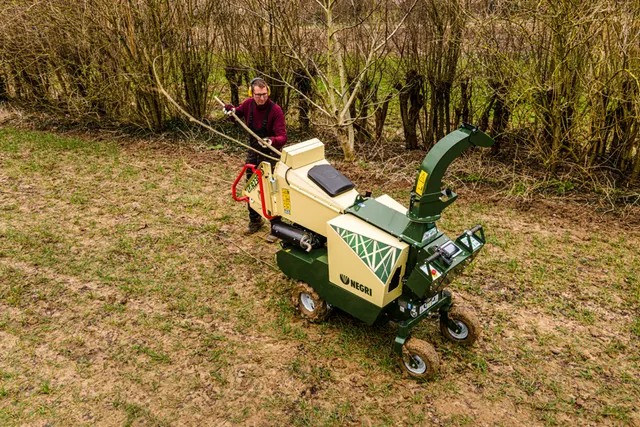
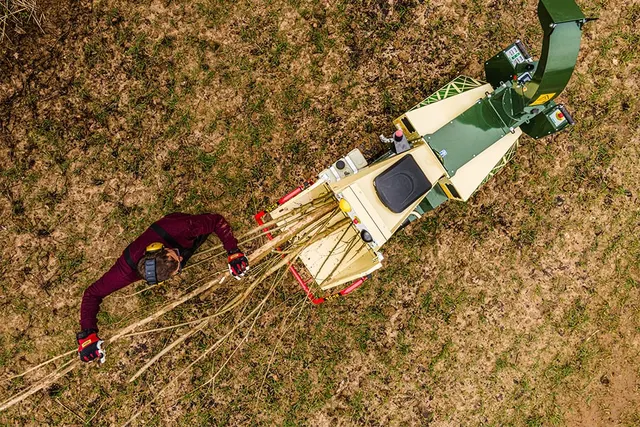
The efficiency of the work process is also a major factor, alongside chip quality. ELIET has once again been a pioneer in this area: as the inventor of the self-propelled chipper in 1994, the brand transformed the work of landscape contractors. Instead of workers having to drag branches to a stationary machine, the ELIET chipper drives under its own power to the green waste and processes it on site. This not only saves valuable time, but also reduces the physical strain on staff. The result is greater productivity and better ergonomics in day-to-day work.
As a trendsetter with more than 40 years of experience, mobility is at the heart of every ELIET chipper. This is reflected in its compact design and optimal weight distribution, as well as its ease of use and maintenance.
Sustainability in practice
ELIET chippers actively support climate adaptation and circular garden maintenance. But sustainability is no empty “marketing term” for ELIET: the brand has repeatedly introduced sustainable technology to the market. In 2006, for example, ELIET was the first in the market to introduce an ‘auto-idle’ function with its EcoEye™ system, which automatically switches the engine to idle when the machine is not chipping. ELIET was also the first to equip its chippers with EFI technology, and the first manufacturer to commercialise a self-propelled chipper powered by battery technology.
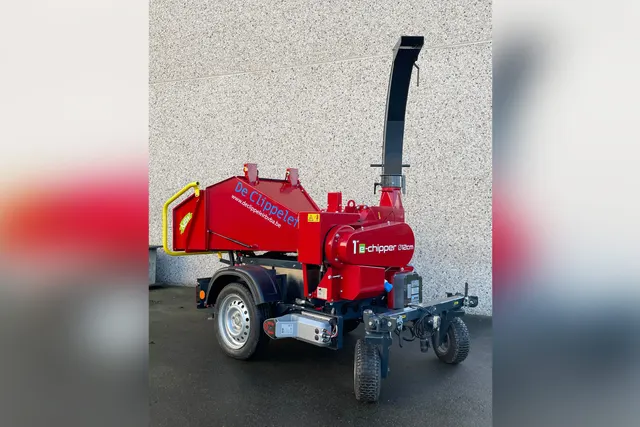
ELIET offers a wide range of models, allowing landscape contractors to choose the chipper that best suits their needs and budget.
Question about this story? Ask your question
Keep following this
Get an email when a new story is published. No account needed.
- SubjectChippers