Agricultural & horticultural machinery
Why more and more sports pitches are switching to tetraploid grass
Text Elise NoyezImage DLF
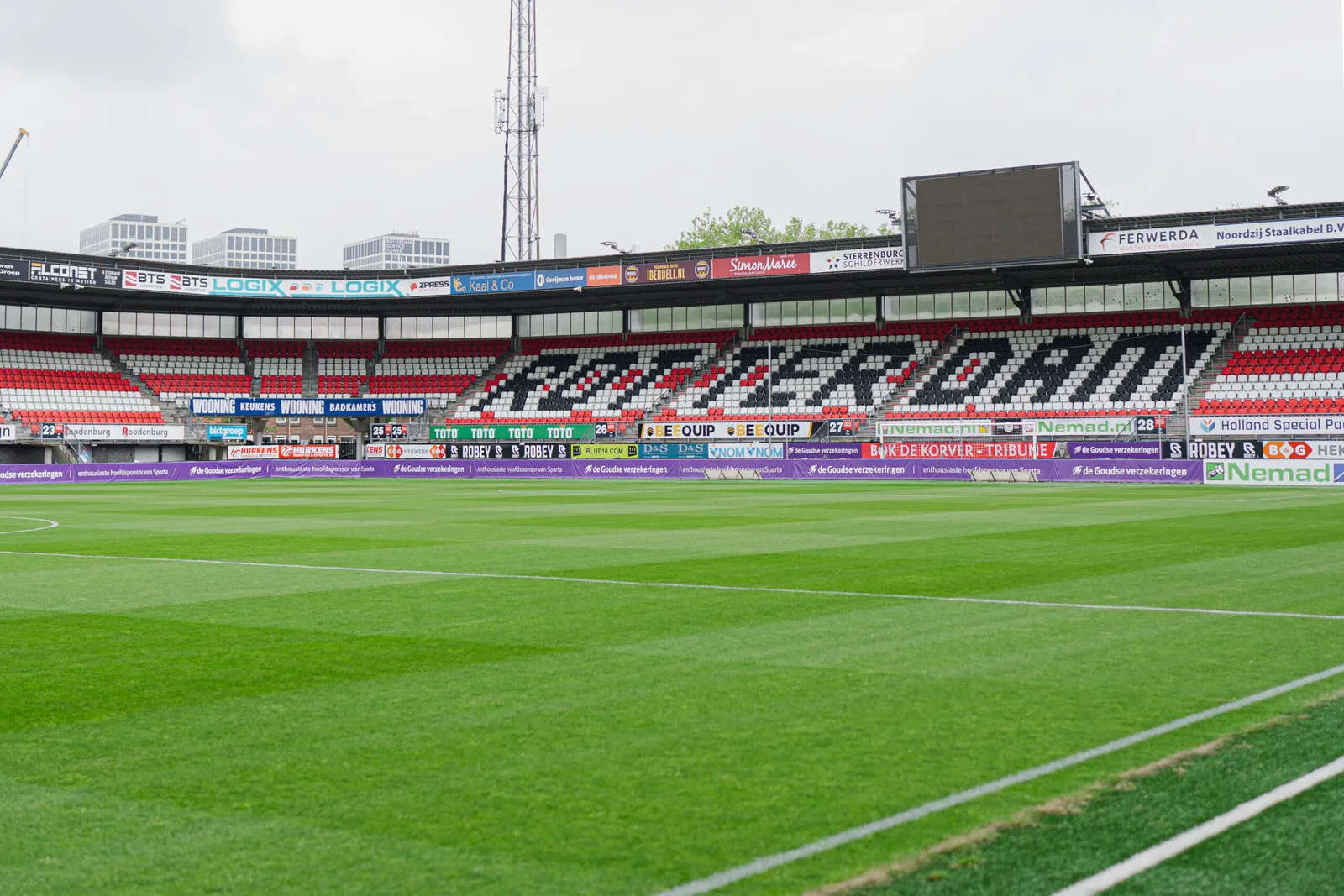
A few years ago, grounds contractor AH Vrij was introduced to DLF’s tetraploid 4turf grasses. Since then, the Masterline 4-4-2Master mix, which contains 80% 4turf, has become a regular feature of its maintenance projects. Henk Slootweg, a project manager at AH Vrij for 25 years and responsible for its sports pitch contracts, explains why.
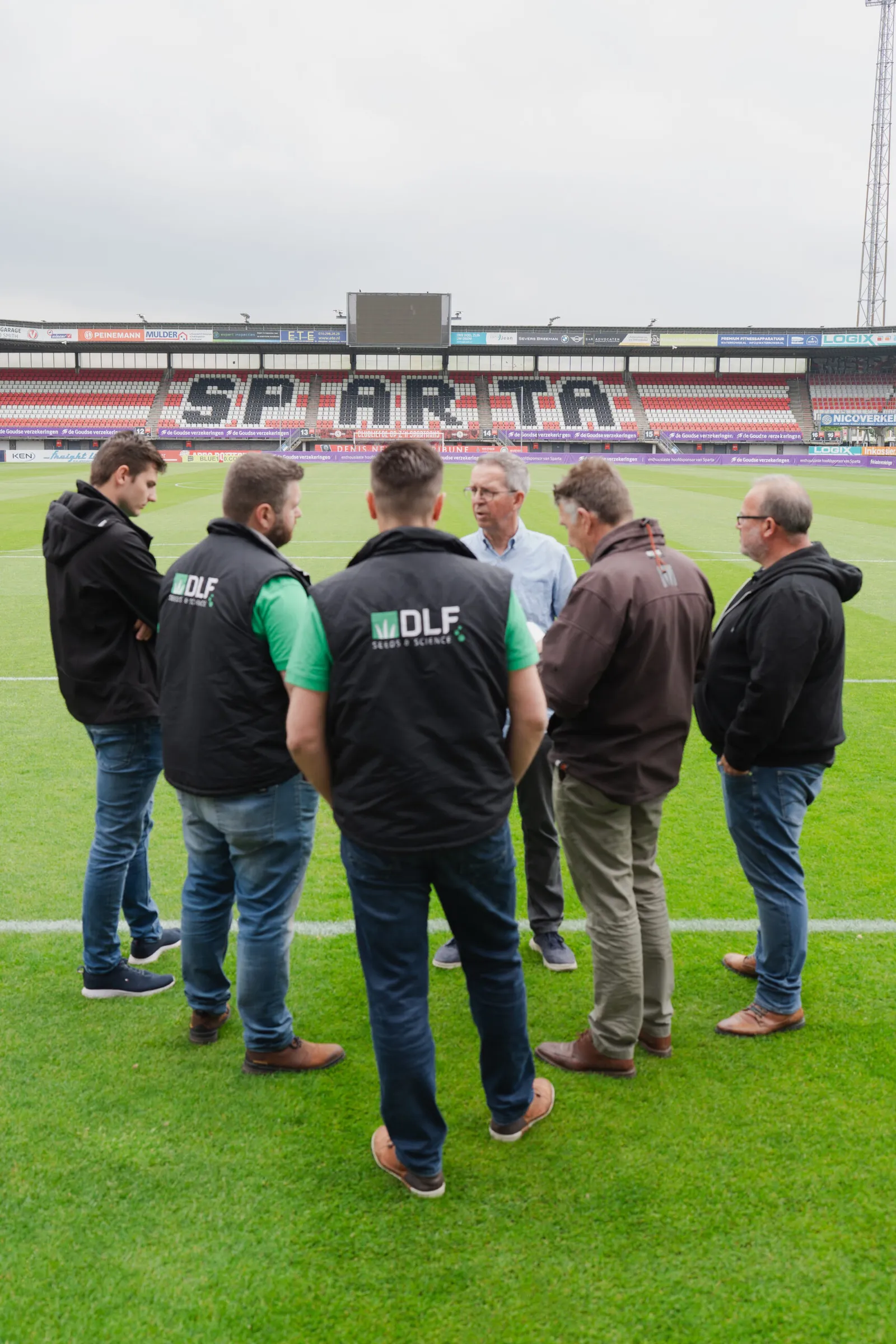
“Most of our contracts involve municipal sports pitches in South Holland. We occasionally work elsewhere, and we have recently taken on the management of the pitches at Sparta Rotterdam and ADO Den Haag. The standards there are even higher,” says Henk Slootweg of AH Vrij.
Breakthrough in Monster
AH Vrij first encountered 4turf during the renovation of a municipal sports pitch in Monster, a coastal village with saline groundwater. “The high sodium content caused problems every year. The renovation was the perfect opportunity to try something new. We saw results straight away with 4turf.”
“Where young grass used to stop growing as soon as we had irrigated, it now continued to grow well. The result was a dense sward, without the need for additional overseeding during the year. Maintenance became much simpler,” says Slootweg.
Strong in all conditions
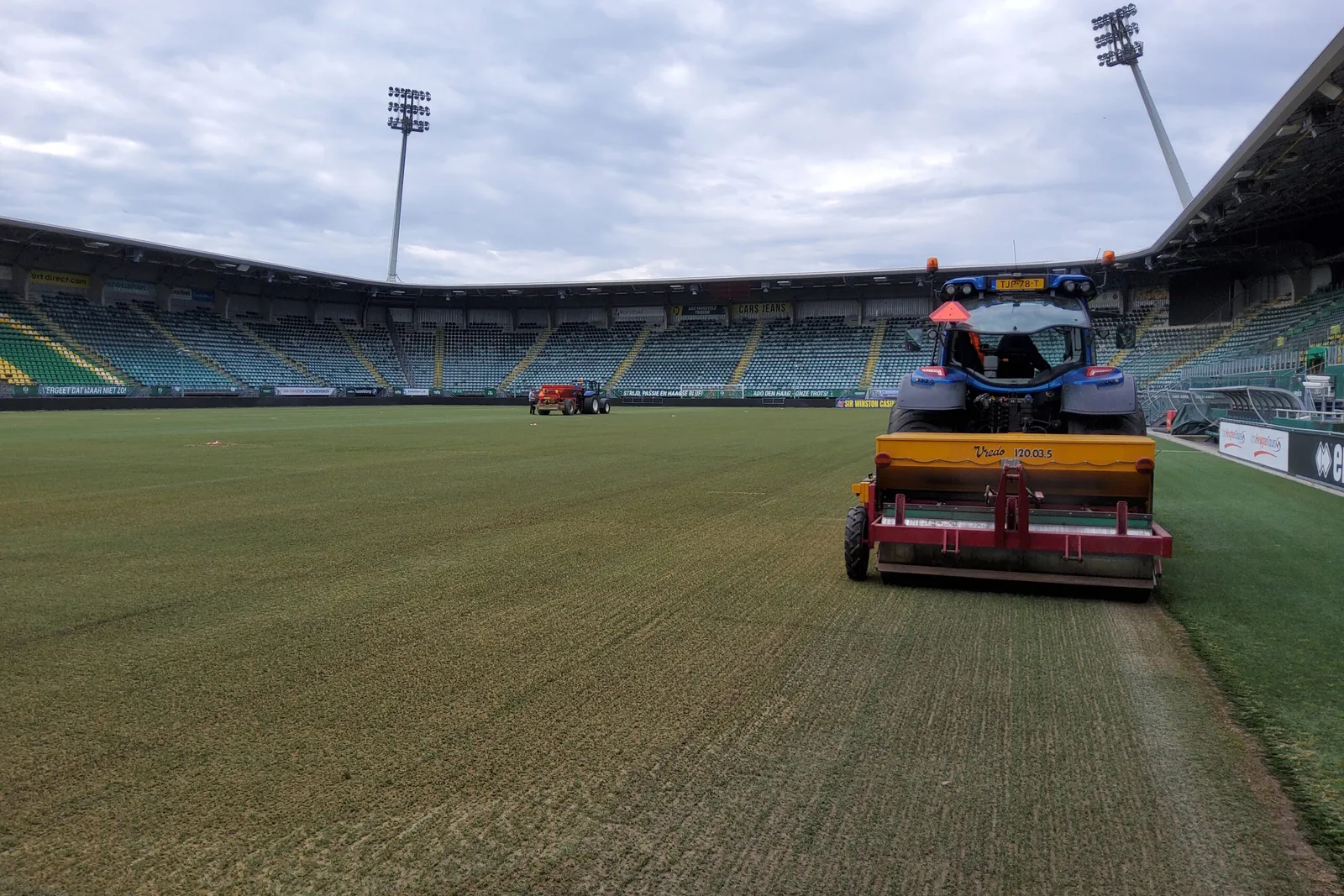
Since then, AH Vrij has used 4turf on every project where water quality is challenging, and English ryegrass has also become a regular feature on its professional pitches. “At Sparta and ADO, the hybrid pitches are completely stripped back and reseeded every year. It’s a vulnerable period, but 4turf recovers much faster. With rest periods in professional football getting shorter and shorter, that’s a huge advantage,” says Slootweg.
Tetraploid grass also proves more resistant to fungal diseases. “With many varieties, you see infection after just three days during periods of fungal disease. With 4turf, it takes much longer, or sometimes doesn’t happen at all. That means grounds staff have to intervene less, which saves a lot of worry,” Slootweg stresses.
Unfamiliarity breeds reluctance
Tetraploid grass is growing in popularity, but at first some fellow contractors were hesitant. “Unfamiliarity breeds reluctance,” laughs Slootweg. “But we’ll have to move past that attitude. Our sector faces challenges, and grass seed breeders are working hard on new solutions. It’s up to us to make the most of those opportunities.”
DLF often provides AH Vrij with new mixes to trial. “That allows us to learn about the latest innovations, while DLF can see straight away how they perform in practice. It’s a win-win,” Slootweg concludes.
Een zakelijke vraag aan DLF BV? Get in touch
Companies in this story
Keep following this
Get an email when a new story is published. No account needed.
- ThemeHard-wearing turf
- SubjectAgricultural & horticultural machinery
- CompanyDLF BV