René Pechère’s lasting influence on landscape design
Text Kris VandekerckhoveImage Comité René Pechère
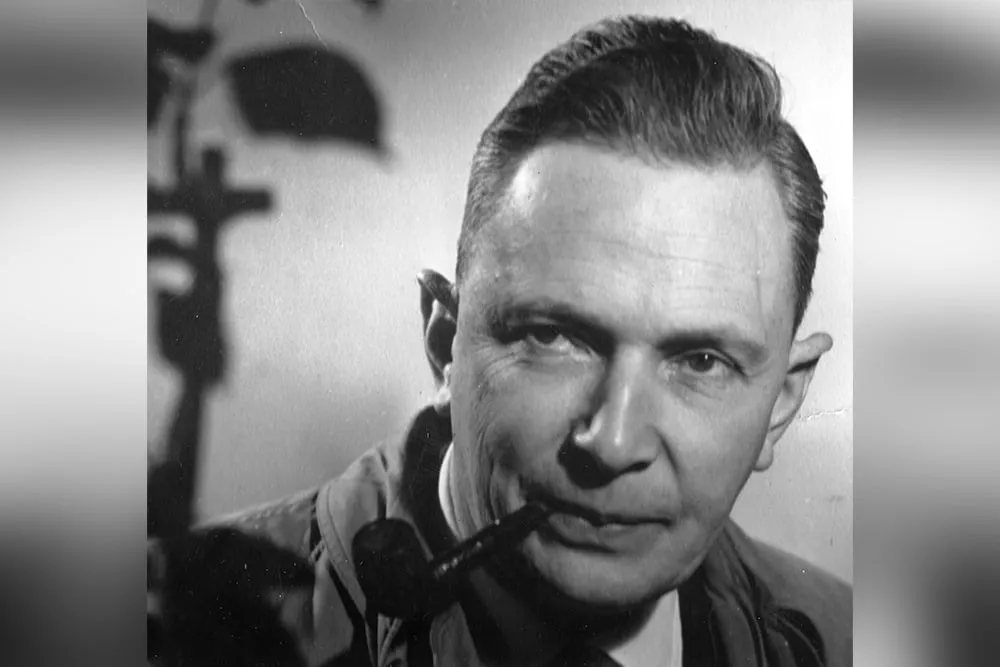
As every regular reader knows, each issue of GreenPro shines a spotlight on a fellow green professional. This time, we’re doing things differently. We’re not giving anyone ‘the floor’. Instead, we’re profiling a landscape architect who has undoubtedly left a significant mark on the sector as we know it today. Meet the ‘green godfather’ of our industry: René Pechère.
René Pechère, born in 1908 in Ixelles (Brussels) and who died in 2002, was one of the most influential landscape architects of the twentieth century. His work has had a lasting impact on garden and landscape design, both in Belgium and internationally. Pechère was known for his ability to combine historical elements with modern designs, creating landscapes that were both timeless and innovative. In his own words, ‘absolument révolutionnaires’.
Pechère’s career began after he trained in architecture, where he soon discovered his interest in landscape architecture. His talent and passion for garden design brought him commissions for several prestigious projects in the 1930s and 1940s. However, it was only after the Second World War that he began to receive international recognition.
Gardens at Expo 58
One of René Pechère’s most remarkable achievements was his work for the 1958 World’s Fair in Brussels, better known as Expo 58. For the occasion, Pechère designed several gardens, including the Jardin Moderne, the Jardin Flamand des Quatre-Saisons and the Jardin Congolais. These gardens showcased not only his expertise and style, but also his belief that a garden should be both an aesthetic and a functional space, where visitors can find peace and inspiration. His philosophy can be summed up in two sentences, published in a brochure at the time: ‘The garden and landscape architect is becoming increasingly important because they make a fundamental contribution to the joy of life. They design spaces as aesthetes and as practitioners, enhancing the surroundings through nature.’
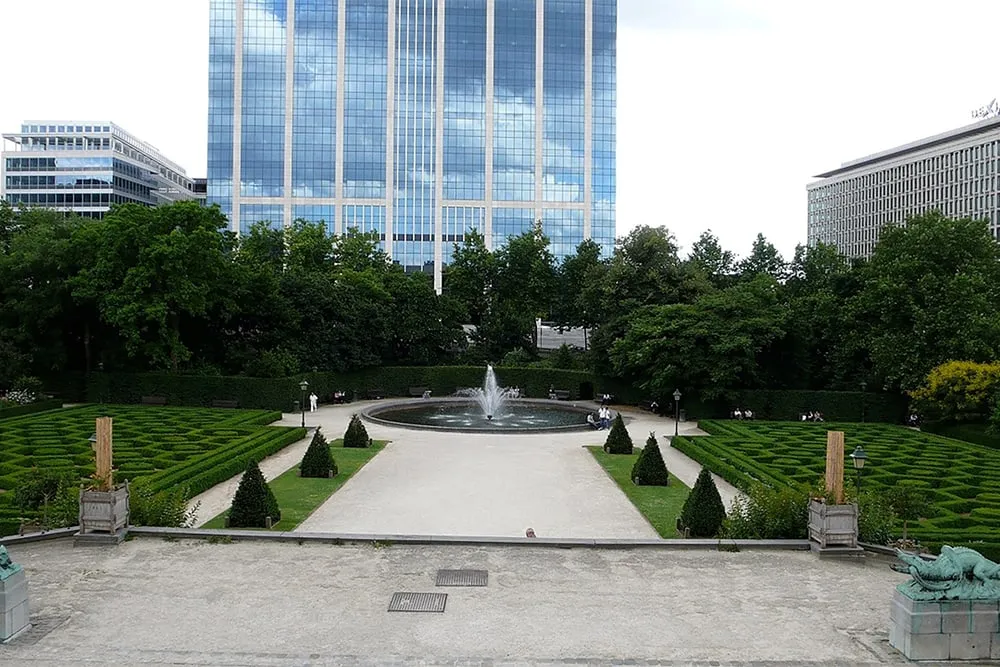
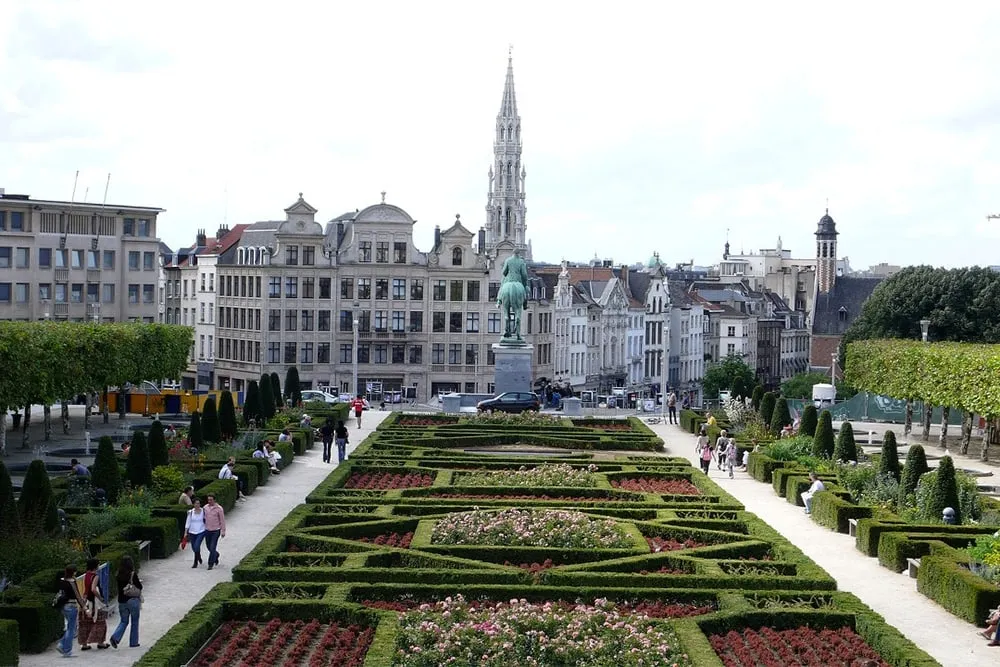
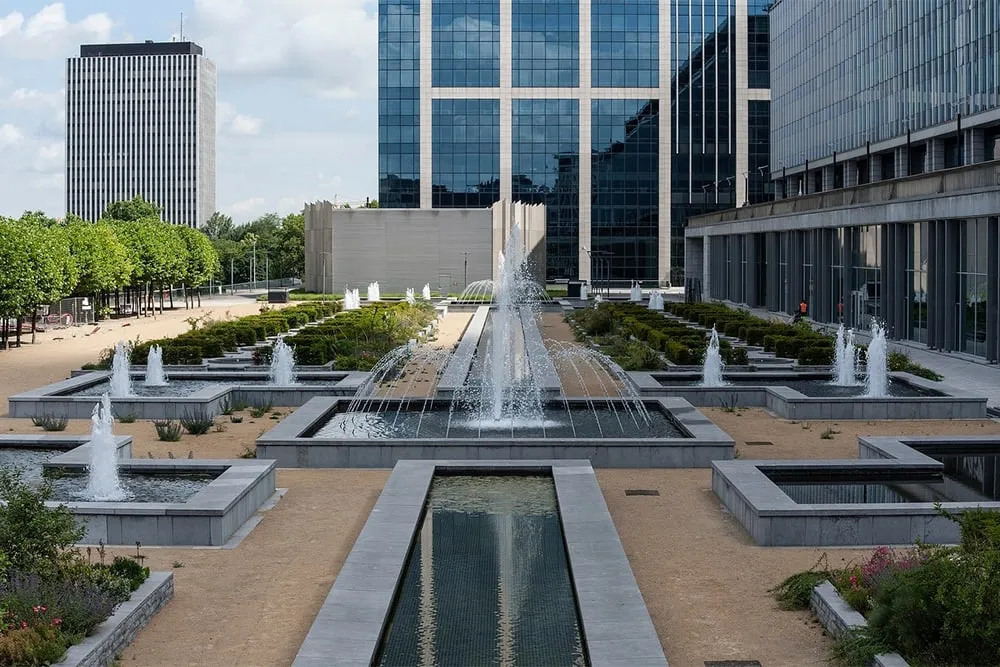
In addition to designing several gardens for Expo 58, René Pechère also created the enchanting Jardin de Cœur (Heart Garden) at the art deco home of the Van Buuren family in Uccle. He introduced modern geometric designs to the gardens of Mont des Arts and the Rijksadministratief Centrum, and was responsible for restoring both the Kruidtuin and the Terkamerentuin.
A literary legacy
René Pechère was also a prolific writer. He wrote several books on landscape architecture and garden design, including the influential Grammaire des Jardins: Secrets de métier (1987). These publications offer deep insight into his design philosophy and approach, and remain an important reference point for professionals in the field today.
The influence of his books and work lives on through the Comité René Pechère. Every two years, the committee awards several literary prizes, organised in collaboration with CIVA (International Centre for the City, Architecture and Landscape). Its aim is to bring greater attention to books devoted to the art of gardens and landscapes.
René Pechère Library
Today, René Pechère’s legacy is honoured by various institutions and lives on in the gardens he designed. His home in Brussels, now the René Pechère Library, serves as a research centre and houses his extensive collection of books and manuscripts relating to garden and landscape design.
Question about this story? Ask your question
Keep following this
Get an email when a new story is published. No account needed.
- ThemeGreen space for everyone
- SubjectLandscape