Electricity takes on Japanese knotweed
Text Kris VandekerckhoveImage eWeeding/Wimmersson
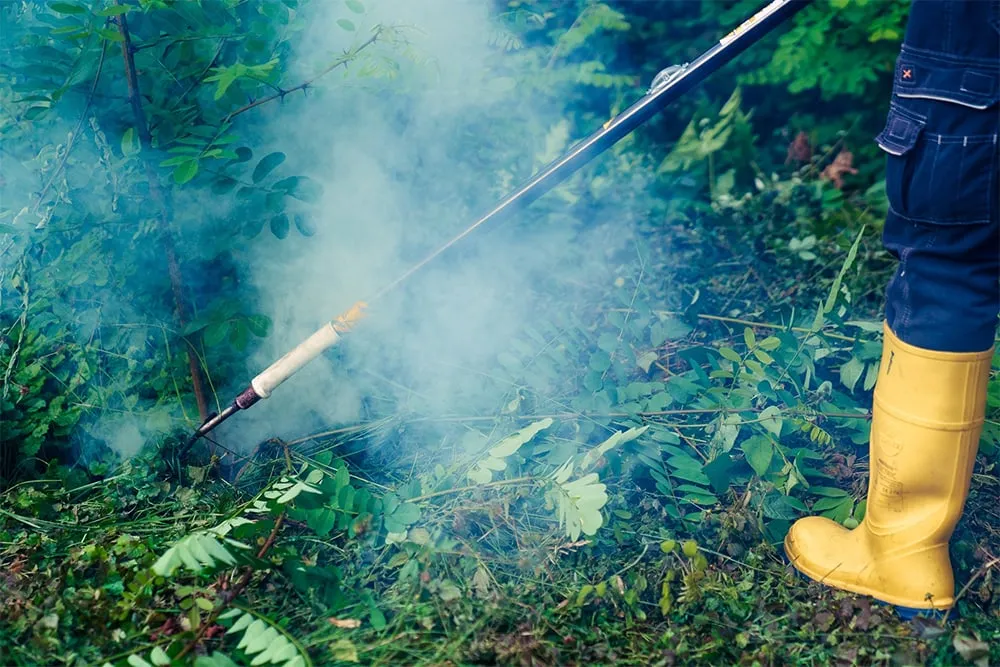
Pesticides often have worrying effects on both the natural environment and human health. It is therefore no longer news in the industry that intensive research is under way into sustainable and economically viable alternatives. Using electricity to kill weeds is increasingly coming to the fore.
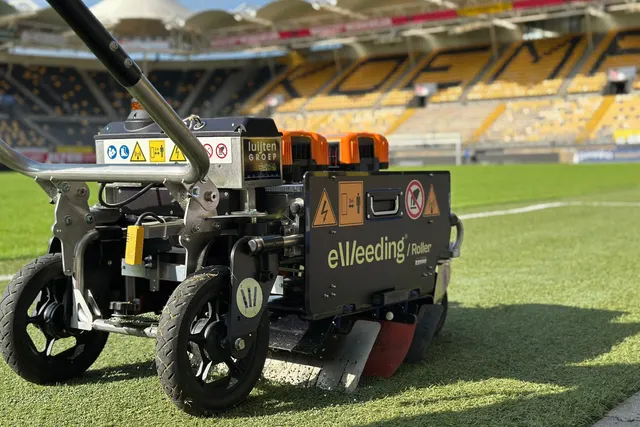
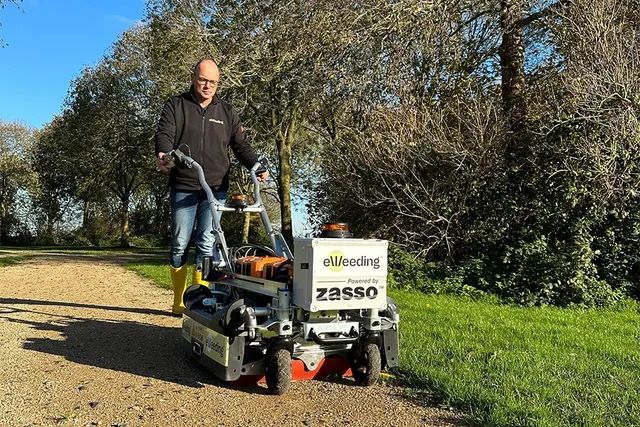
eWeeding offers a revolutionary approach to weed management by using electricity, making it both efficient and environmentally friendly. Founded by Michel and Sonja Wimmers, the company is introducing an innovative method that points to a promising future for sustainable agriculture and landscape management. Michel Wimmers: “eWeeding grew out of a project I carried out at Bayer Cropscience. Electricity is essentially the answer to using plant protection products on sports fields and, by extension, in public spaces. This trend has been under way for well over ten years, of course. We want the public to come into contact with these products less often, for clear reasons demonstrated by numerous studies.”

The power of electrolysis
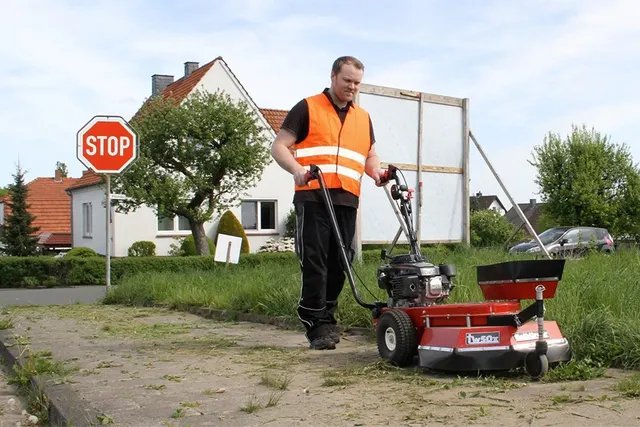
“The advantage of electricity? It ‘knows’ how a plant’s roots work,” Michel explains. “The electric current causes irreparable damage to the plant’s cells through electrolysis, killing it. This process targets every part of the plant, including the leaves, stems and roots, ensuring long-lasting effectiveness. So it affects not only the parts above ground, but also those below ground. And that is precisely what traditional chemical products did. The usual alternatives, such as brushing, burning and so on, destroy only what is above ground. As a result, when it rains, everything is back in full force within two to three weeks. We now have an alternative that works perfectly, without the disadvantages of chemical compounds lingering in the soil and groundwater and thus entering the food chain for humans and animals.”
“For Bayer, it was too small a project to roll out worldwide, so we became independent to implement it in the Benelux. The Netherlands and Belgium are absolute front runners in banning chemicals. Another advantage is that it is a relatively small region: you can drive from one end to the other in an hour or two, or three.”
Pioneering safe and sustainable weed management
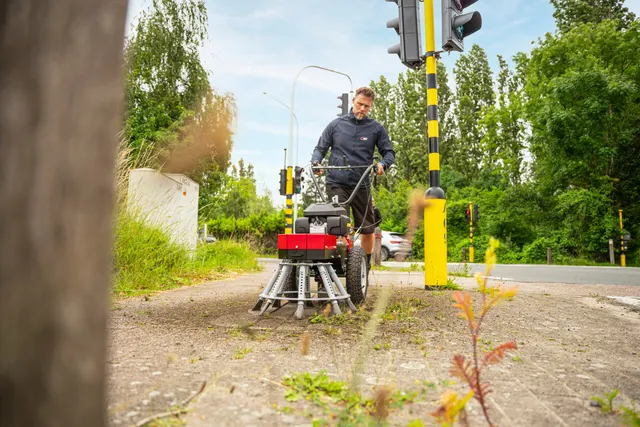
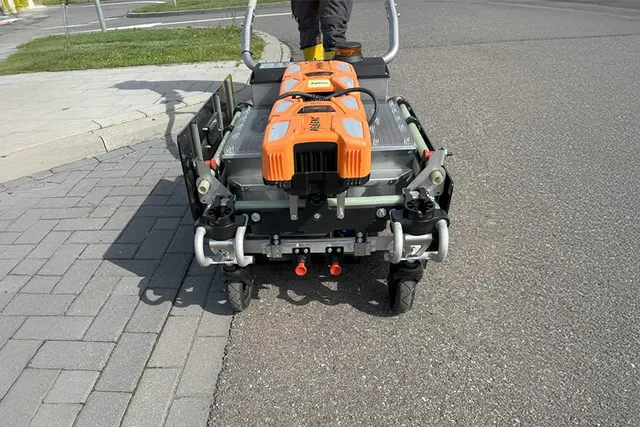
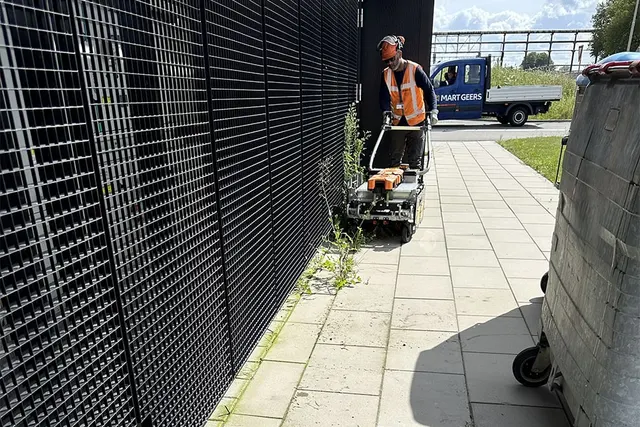
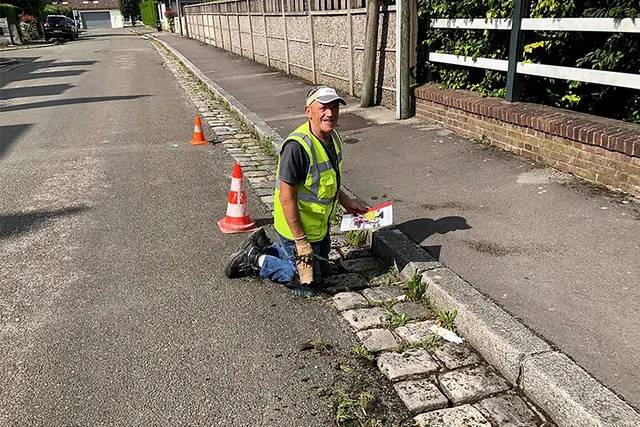
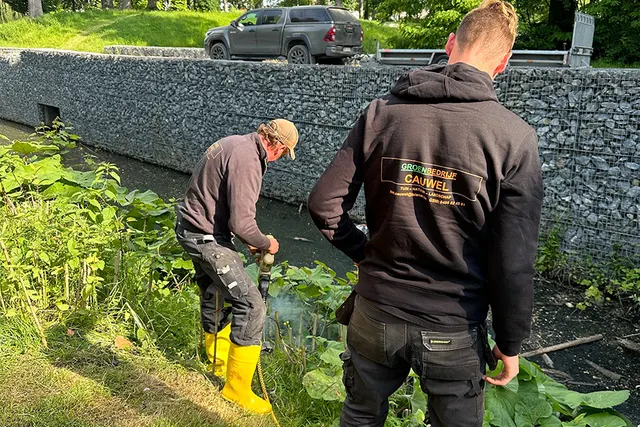
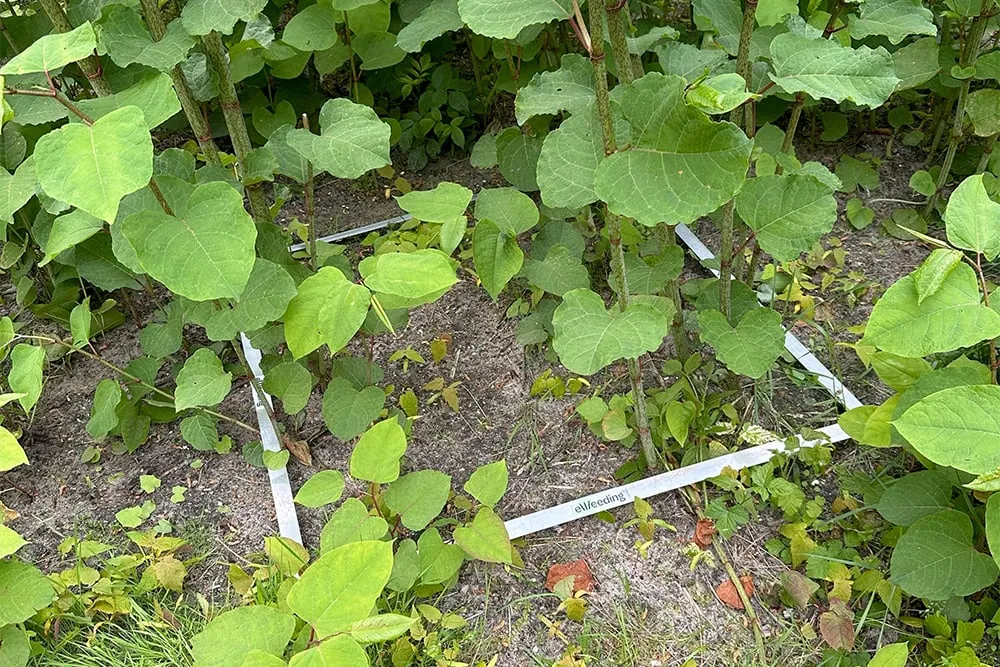
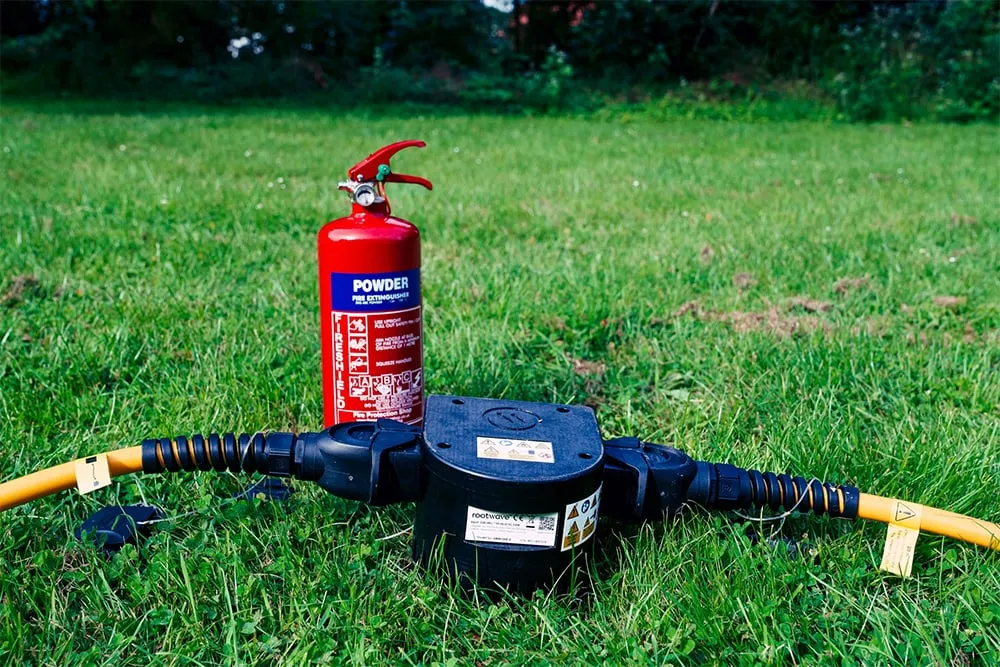
“We currently use this technique mainly in two areas. The first is invasive alien species, such as giant hogweed and Japanese knotweed, and the second is the sustainable removal of weeds from paved surfaces. At the outset, we focused above all on making sure the process could be carried out completely safely, as we work with high voltages of up to 5,000 V. We also looked at the effects on biodiversity and, finally, long-term effectiveness. Once we had achieved more than satisfactory results on all three fronts, we began rolling it out.”
“First and foremost, our added value as a company is that we have all the necessary expertise in-house, because I helped set this up at Bayer myself at the time. I use that expertise not only to bring machines and related services to market, but also to provide guidance and training. The aim, of course, is for as many people as possible to be able to use it,” concludes Michel Wimmers.
Innovative pilot project
A pilot project is currently being launched to eradicate Japanese knotweed in the stunning grounds of the country’s most beautiful and largest golf club, Royal Zoute Golf Club. Jos Vankriekelsvenne, director of Royal Zoute Golf Club: “I came across eWeeding through an article in GreenPro, the well-known magazine for the green sector. We had signed up for the LIFE DUNIAS programme run by the Agency for Nature and Forests, which aims to restore the Flemish coastal dunes by removing invasive plants. That is how we came across Japanese knotweed, which nothing seems to control. The Agency for Nature and Forests suggested digging it all out. But when you see that these invasive plants are growing, among other places, near beautiful eighty-year-old oak trees, that is absolutely not an option. After reading an online article in GreenPro, I sent eWeeding an email. Following discussions at the golf course and a plan of action drawn up based on Wimmersson’s inspection, we decided to go ahead with a three-year programme. We are, of course, very keen to see the final results. What we have seen so far is certainly promising!”
Have a business enquiry for eWeeding? Get in touch
Companies in this story

Keep following this
Get an email when a new story is published. No account needed.
- SubjectWeeds
- CompanyeWeeding