









50 Years of Passion, 5,000 Years of History

Bay laurel, a plant with a remarkable story.
Bay laurel, or laurus nobilis, has certainly earned its name. No other plant has been credited with so many admirable qualities and so much symbolism throughout history, and the plant’s noble character is never far from our everyday language either. Those who put in a sterling performance are said to be crowned with laurels, while the winners of a competition are called laureates. But where does all this praise come from?
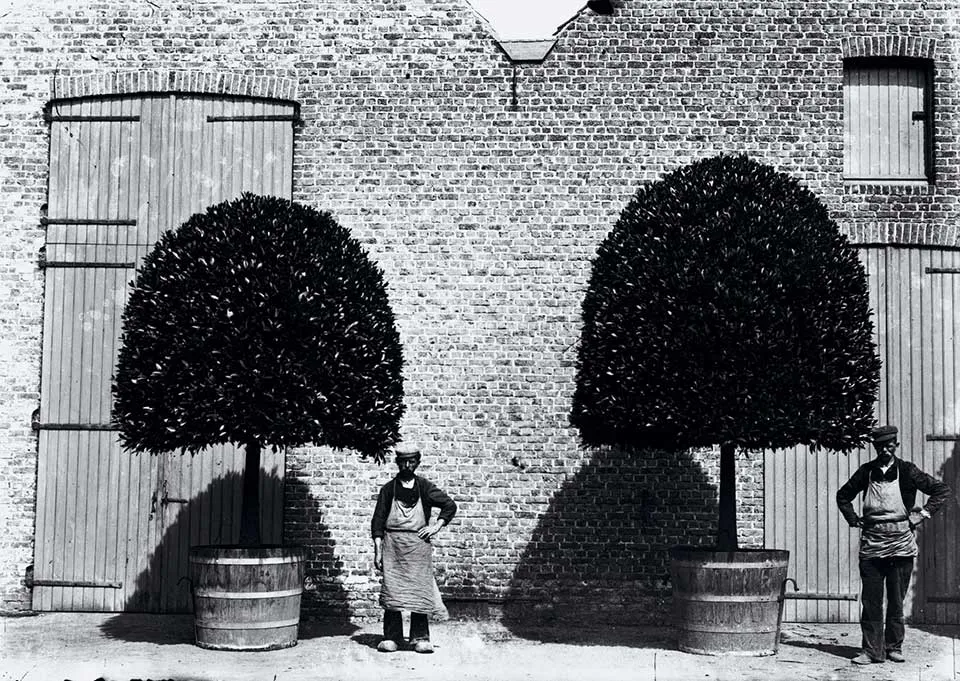
Let’s delve into the history, from ancient Greece, the Romans and the Renaissance to pre-war Bruges and, finally, Jabbeke in the 1970s and today. The Devisch family has now spent 50 years drawing on passion and tradition to grow topiary bay laurel plants. According to the growers, the plant’s story and symbolism are every bit as important to its popularity as its hardy, evergreen and aromatic qualities.
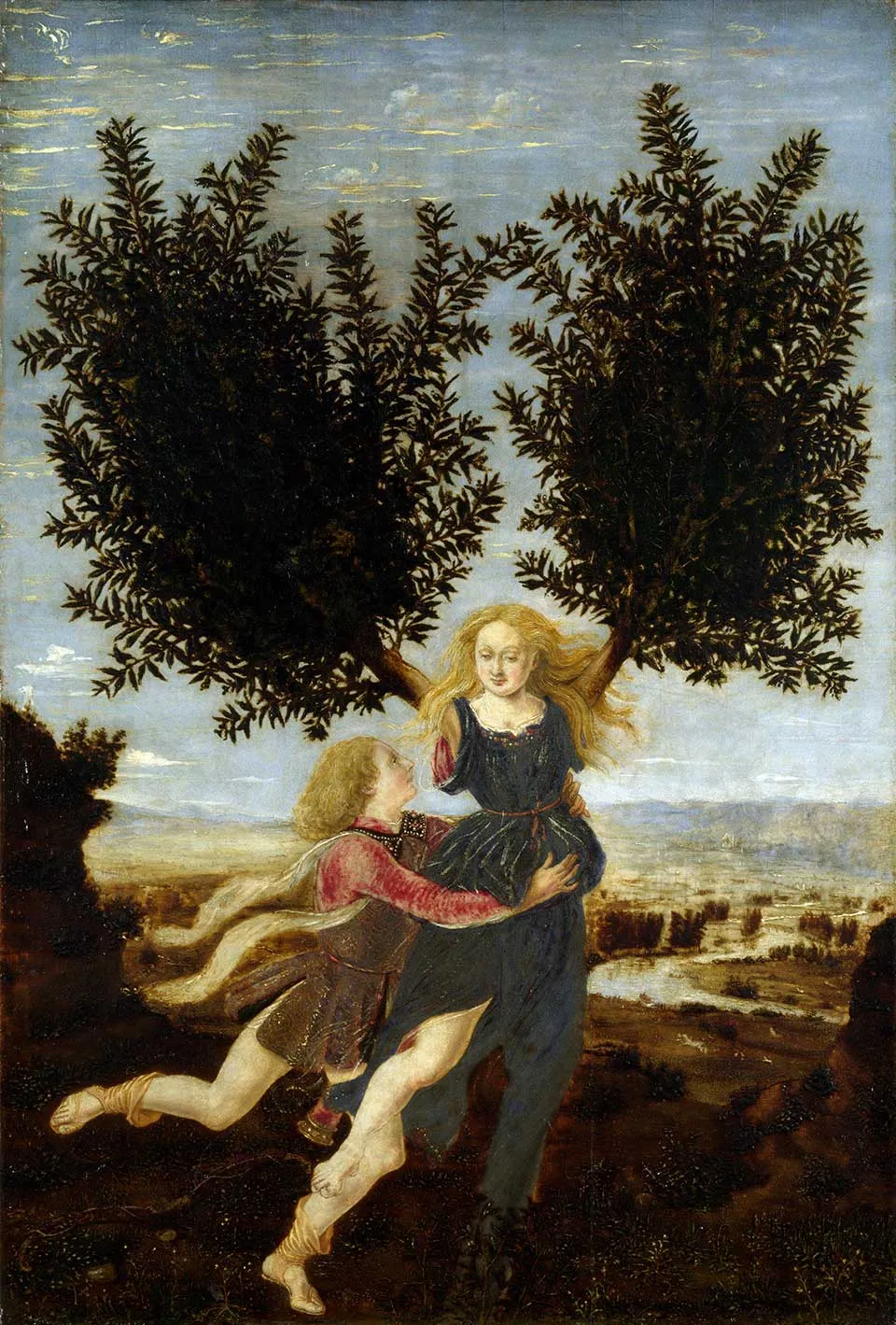
The myth of Daphne
There are countless myths about bay laurel, some dating back to long before ancient Greece, but the best-known is the story of Daphne and Apollo. It tells how Apollo, the sun god, pursues the nymph Daphne. She is not at all taken with his advances, however, and eventually begs her father to save her. Her limbs then stiffen, her feet take root, her arms turn into branches and her hair into leaves. Bay laurel is born, and, as the ultimate expression of his love, Apollo grants it everlasting beauty and evergreen foliage.

Plant of poets and heroes
The association between Apollo and bay laurel recurs throughout Greek and Roman mythology and was consequently adopted by the entire cult of Apollo. Apollo is said to have defeated the dragon Python with a branch of bay laurel, making the plant a symbol of, among other things, martial prowess and victory. This meaning survives in our language, as it does in English and French.
But Apollo was also the god of poetry, so both bay laurel and the laurel wreath became emblems of poets, seers and other creative people.
Aromatic cure-all
While much of the symbolism surrounding bay laurel seems to stem from the plant’s appearance, particularly its hardy evergreen character, its fragrance has also historically been credited with considerable value and significance. From classical antiquity through to well into the Renaissance, bay laurel was regarded as a highly medicinal plant, capable of driving away not only harmful vapours but even the plague.
Bay laurel cultivation in Bruges
Myth and symbolism are not the only things that add to bay laurel’s historical value. In more recent times, and much closer to home, the plant has also borne witness to an important local growing tradition. Before two world wars intervened, the area around Bruges had been known for centuries for its bay laurel nurseries. Thanks to its characteristic sandy soil and relatively mild maritime climate, the region was even regarded as the centre of European bay laurel cultivation in the early twentieth century. The Bruges variety in particular, laurus nobilis, featuring laurel pyramids and lollipop-shaped standards, was widely popular.
Timeless
For Laurica-plants in Jabbeke, the plant’s rich history remains a passion. It is no coincidence that, before setting up the nursery in the early 1970s, André Devisch trained under one of the few bay laurel growers still operating in the Bruges region at the time. Nor is it a coincidence that he later passed on the trade’s skills to his own children. With a diverse range of topiary bay laurel plants in pots, they are once again putting the region and bay laurel’s many symbolic and botanical merits on the map.
Question about this story? Ask your question
Companies in this story

Keep following this
Get an email when a new story is published. No account needed.
- ThemeTrees and plants of tomorrow
- SubjectGeneral
- CompanyLaurica Plants







