









A new garden aesthetic
Text and images Marc Verachtert
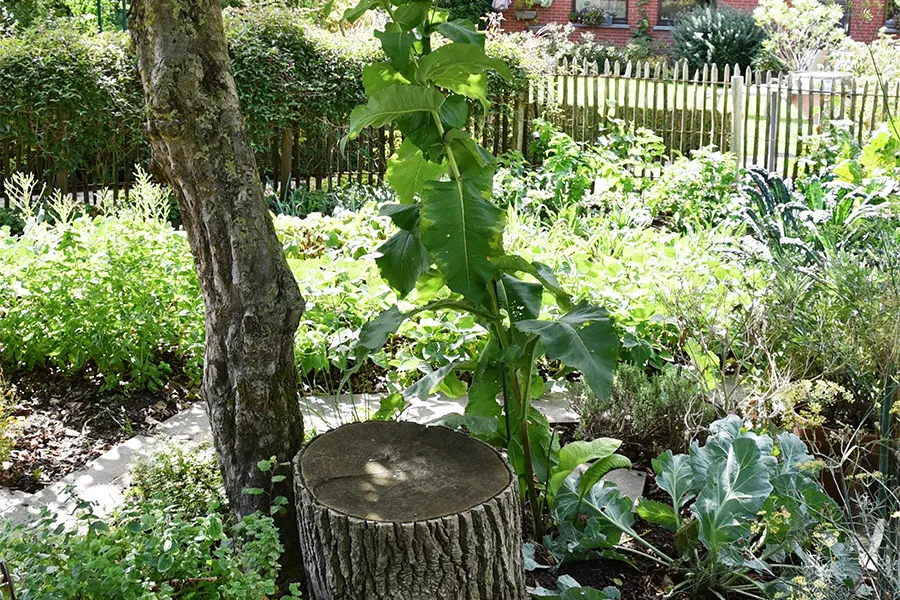
New projects, especially those for and with young families, could be more natural. They suit them better, because they let them come home to a calming environment. You could call it a touch of woodland and meadow, but with more variety. The experience is central. Taste included.
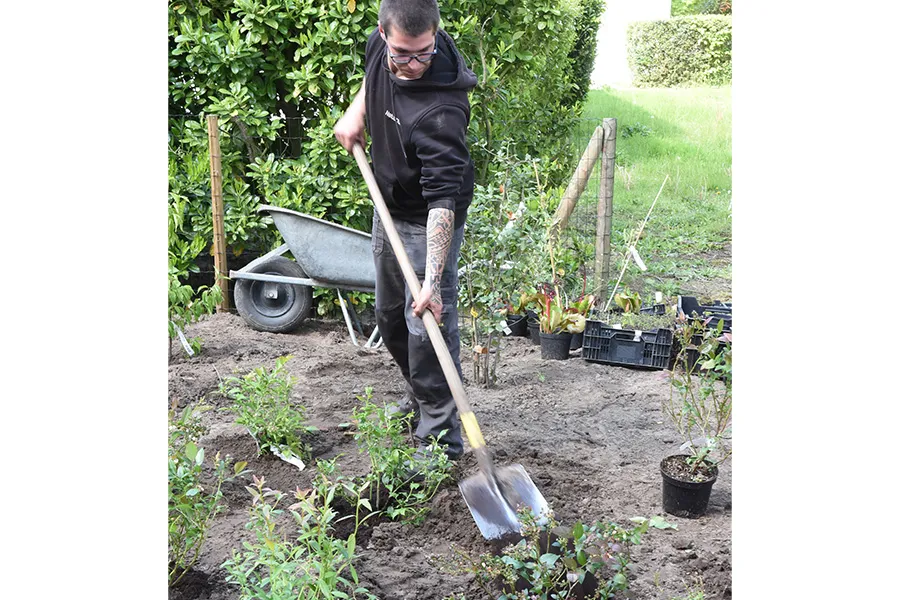
Many of us attribute young families’ demand for more natural, even wild, gardens to their weaker connection with and knowledge of gardens and plants. The younger generation, it is said, no longer knows how to maintain a garden, so they simply let whatever grows take over. Others, myself included, see it as a conscious desire to return to the spontaneity of woodland and meadow, to bring into their own gardens the spontaneity, variety and, above all, tranquillity radiated by a green environment shaped by nature itself.
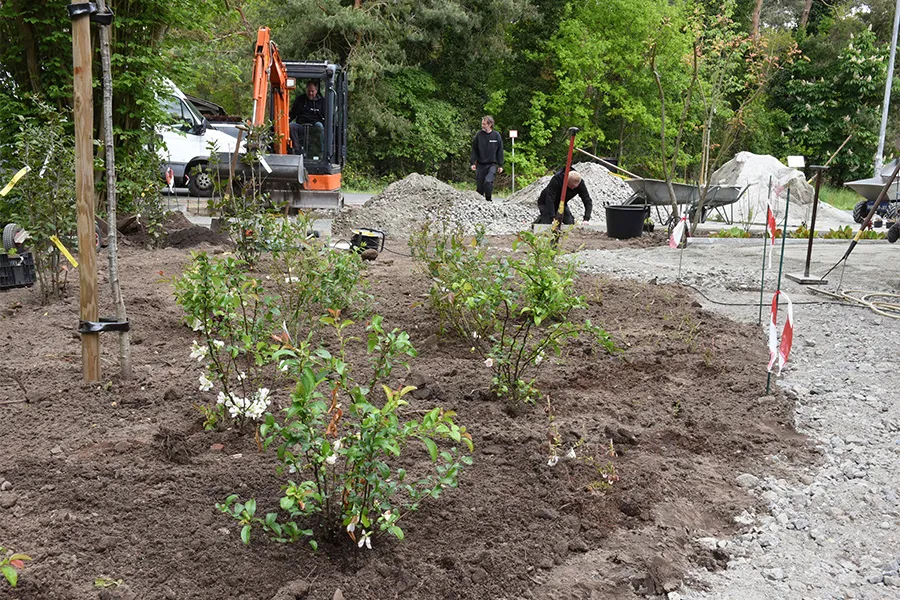
Naturally attractive
The main difference between traditional gardens and natural yet still structured and designed gardens lies in the approach to greenery. Yes, there can and should be more greenery in this type of garden, and above all, greater variety. Take the lawn. It no longer has to consist exclusively of grass and be flawlessly green, as was the norm for years. It can, and ideally should, include the colour of daisies, self-heal and clover. It can also cover less ground, making room for perimeter planting and borders. These are best planted so that bees, butterflies and a wide range of other insects feel at home. And if they also include plenty of plants that produce abundant seed heads and pods in autumn and winter, attracting goldfinches and other birds, your customer will be delighted. It is the ultimate in garden enjoyment. There is also a growing demand for more native plants. This is only natural. Everyone is paying more attention to ecological living and protecting their local environment.
Everything evolves
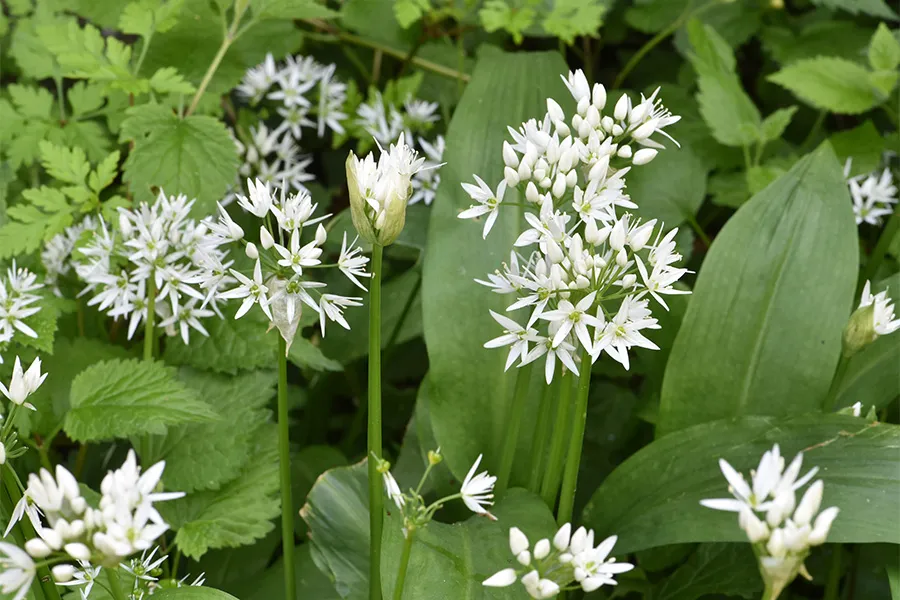
This calls for a change of direction, not only for garden contractors and landscape architects, but even for nurseries and plant wholesalers. These plants are still relegated to a niche, but they are sure to break out of it, and soon. Remember how trees for city gardens have evolved. Not so long ago, every tree had to have a perfectly straight trunk, preferably as tall as possible. Double leaders or side branches that stuck out too far were cut off. Today, we plant very few trees of this traditional type in city gardens, or in medium-sized gardens on housing developments, large landscaped gardens and even city parks and, strange as it may seem, shopping streets. The range has not changed. It has stayed the same. Every tree can and should have character. The preference is for plants with a mind of their own in their trunks and main branches. Grown as specimen plants, they are the new norm.
Different for a richer experience
Please do not think me mad for taking the use of shrubs and trees a step further. I learnt this during a period working with a master of Japanese garden art. Japanese gardens, as you know, are renowned for creating miniature landscapes and an environment that immerses visitors in an atmosphere of complete tranquillity.
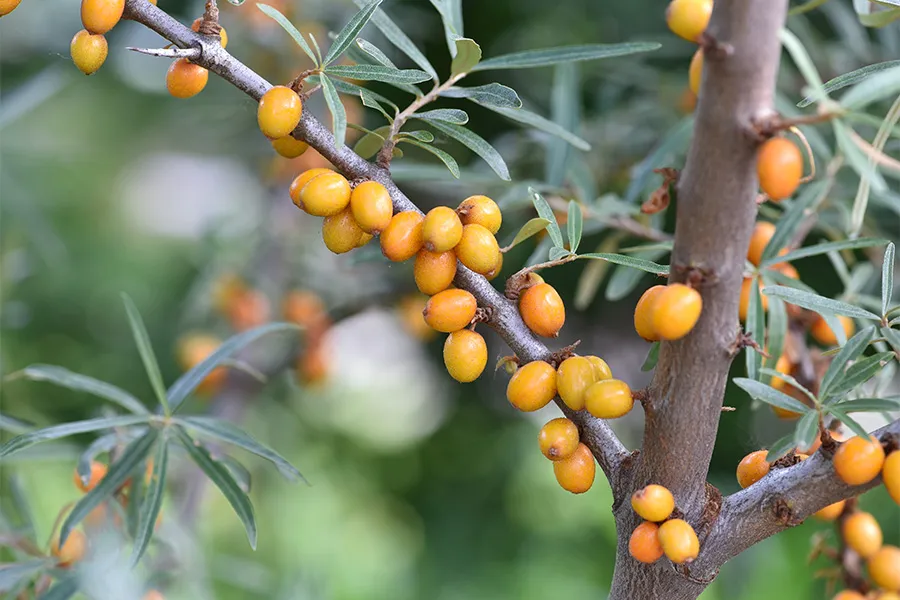
While visiting a garden under construction here in Flanders, Inoue-sensei, or Professor Inoue, advised me not simply to plant a witch hazel, though it could have been any plant, upright at the edge of a garden pond, but to angle its branches over the water. It sounds illogical to us. But his recommendation drew on a garden art refined over more than eight centuries: you encourage the plant to take on a form guided spontaneously by nature itself. Give it a try. The result will be an even more natural garden, one that never grows dull and that its owners and visitors never tire of. There is always something new to discover in a garden like this. Everything is natural, in harmony with nature and tailored to what modern people are looking for: an experience.
Think of all five senses
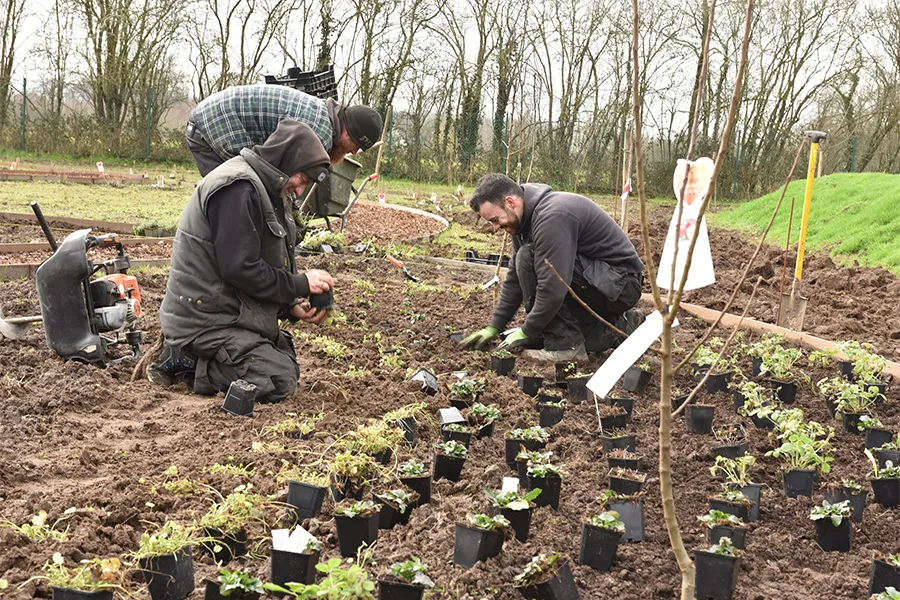
We can take our gardens a step further. At every moment in the garden, all the senses should be engaged. Think through the senses that come into play anywhere, but especially in a green setting, even if it happens unconsciously. Sight speaks for itself, as does hearing: the rustle of leaves, birdsong, the buzz of bees… Smell is easy to describe too. There are always plants in flower, releasing their aromas; the air feels fresh, or heavy with the promise of a storm. Sometimes, though, scents waft in from further afield. Touch is not experienced in the most obvious way. It goes beyond touching and feeling with your fingers. In the garden, it is about feeling what lies beneath your feet, even through the soles of your shoes: grass or paving, a slope, steps… Taste is the trickiest sense to engage, but you can do so as a professional by incorporating edible plants.
A garden for grazing, not a food forest
Please do not call your garden project a food forest: most Flemish gardens are far too small for that. A properly functioning food forest needs an area about the size of all the gardens in a residential neighbourhood or a sizeable housing development combined.
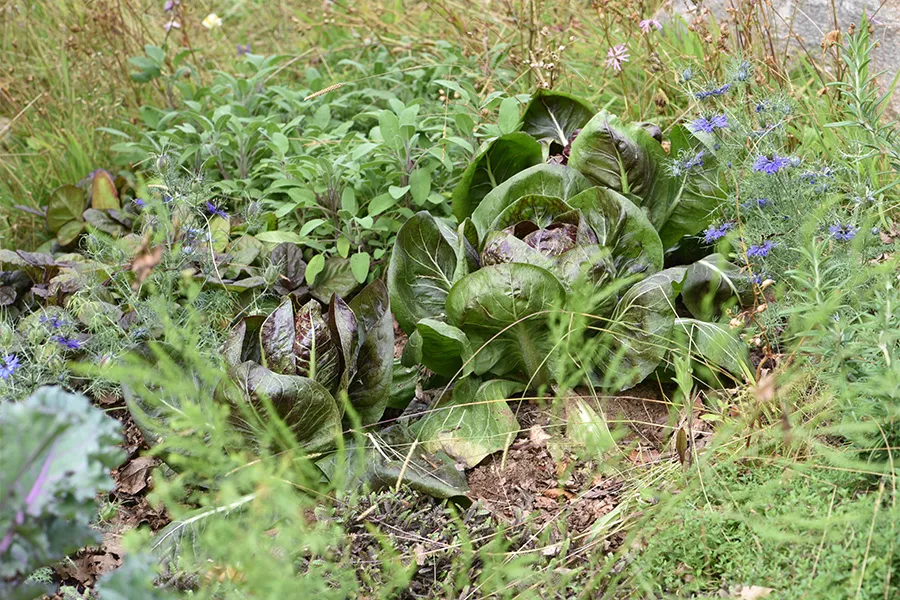
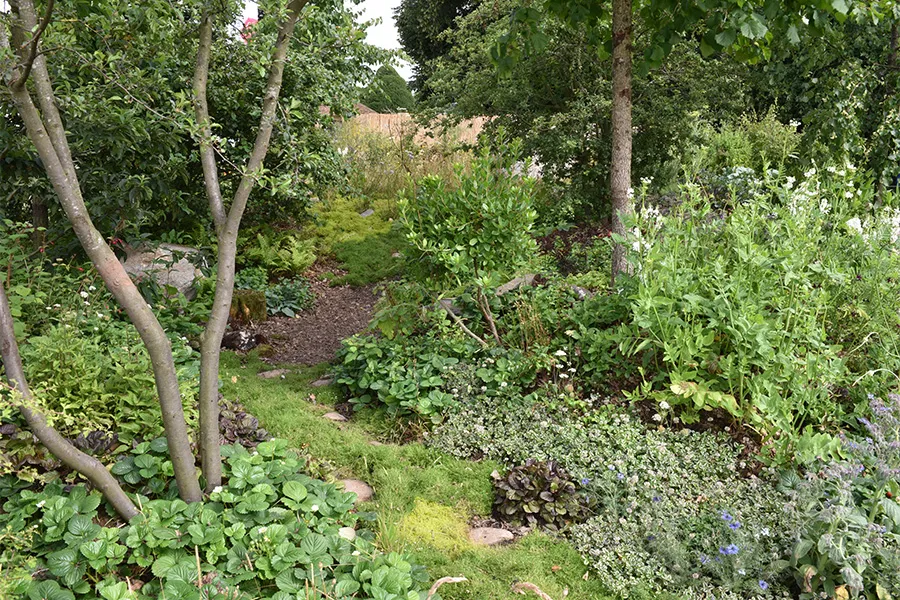
Let us call it an edible garden instead, where flowers, leaves, berries, nuts, fruit and even roots can be harvested, picked, tasted and eaten. Scatter a variety of these edible plants throughout the garden design. It adds an extra element of surprise. If you want to give the owner an even richer taste experience, be sure to set aside small spaces in the borders and fill them with vegetables, herbs, edible flowers and other treats.
For complete beginners, you could provide a list of suitable plants, including a sowing or planting calendar and advice on the tastiest harvest. This addition makes the garden even more tailored to your customer and lets them enjoy it to the full. By getting hands-on with the garden’s taste, scent and colour, they are very likely to feel more involved and gain insight into the other plants too. All of this together will lead to even greater satisfaction with your work. And no, bringing more naturalness, perhaps even a little informality, into the borders and the garden as a whole does not mean that you, as a landscaping professional, should abandon a detailed plan or stop carrying out a project to perfection. Quite the opposite.
Question about this story? Ask your question
Keep following this
Get an email when a new story is published. No account needed.
- SubjectGeneral







