









A temporary care unit in your garden
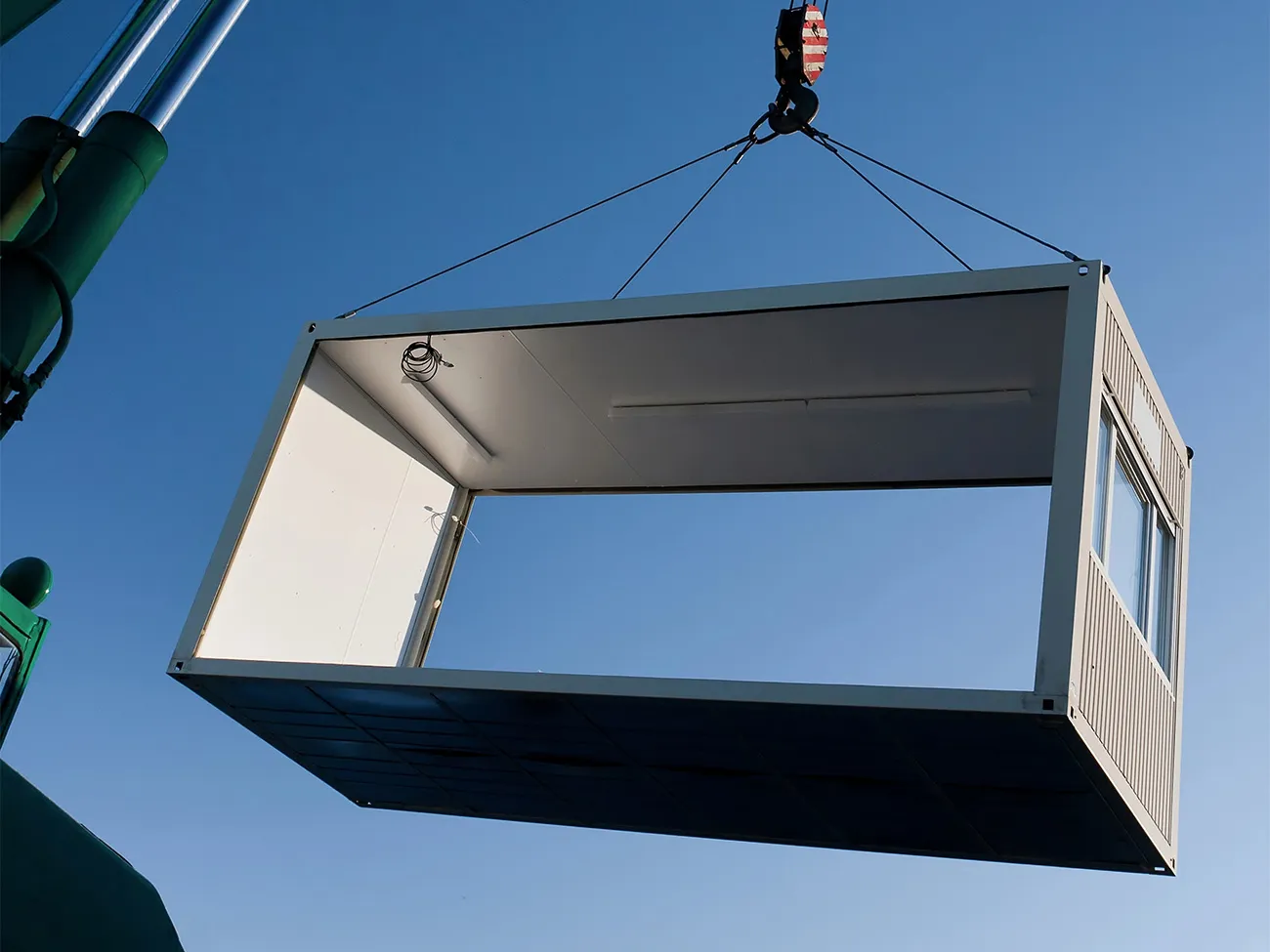
De Vlaamse Confederatie Bouw welcomes the announced regulatory simplification for installing a temporary care unit. It not only meets the wishes of many older people and people in need of care to stay longer in familiar surroundings, but also provides a boost for the efficient use of scarce available space. Under the new rules, complying with the notification requirement is sufficient, so there is no longer any need to apply for an environmental permit. The Flemish Government recently gave final approval to the draft decree, which is now before the Flemish Parliament for a vote.
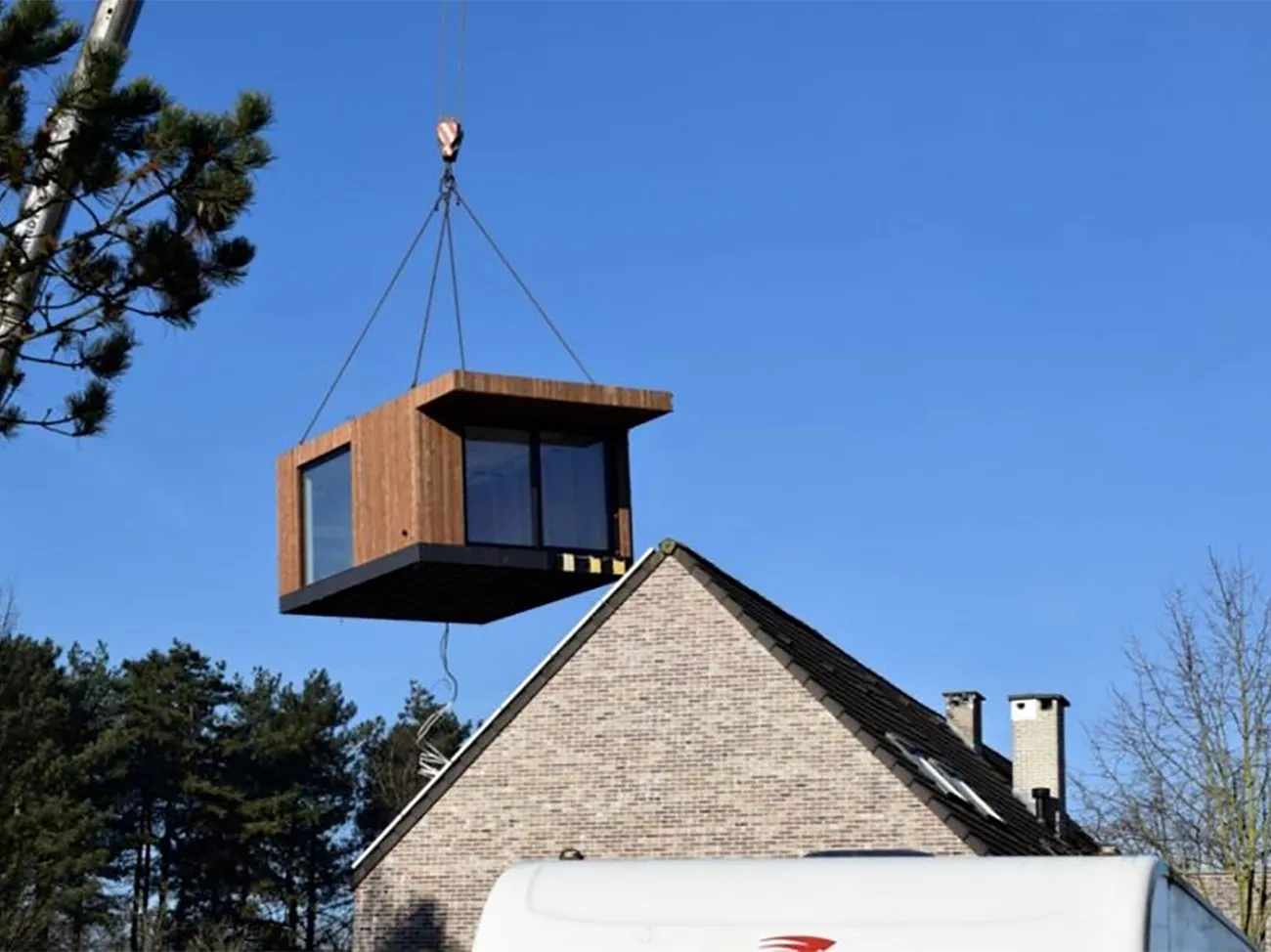
The Netherlands as a guiding example
Until now, spatial planning regulations contained no specific provisions for installing mobile units as temporary care homes. The only options for using such a unit as accommodation were for asylum seekers, refugees and people whose homes had become uninhabitable due to unforeseen circumstances. Alongside the Scandinavian countries, the Netherlands can also be seen as a guiding example, as care units have been allowed there for some time without a permit.
Many local differences to date
With these new rules, the Flemish Government is introducing the necessary uniformity. Until now, installing a mobile care unit has not been straightforward in every municipality. In a number of cities and municipalities, such as Hasselt and Zemst, residents in specific care situations are encouraged to install a temporary mobile unit, for example in the garden, so that family members can provide care in a family setting and the person in need of care can often remain in their own neighbourhood. The city authorities in Gent even have a pilot project under way, using a ‘show home’ to introduce people in Gent to the concept. But most municipalities have been reluctant, precisely because of the lack of regulatory clarity.
Many advantages
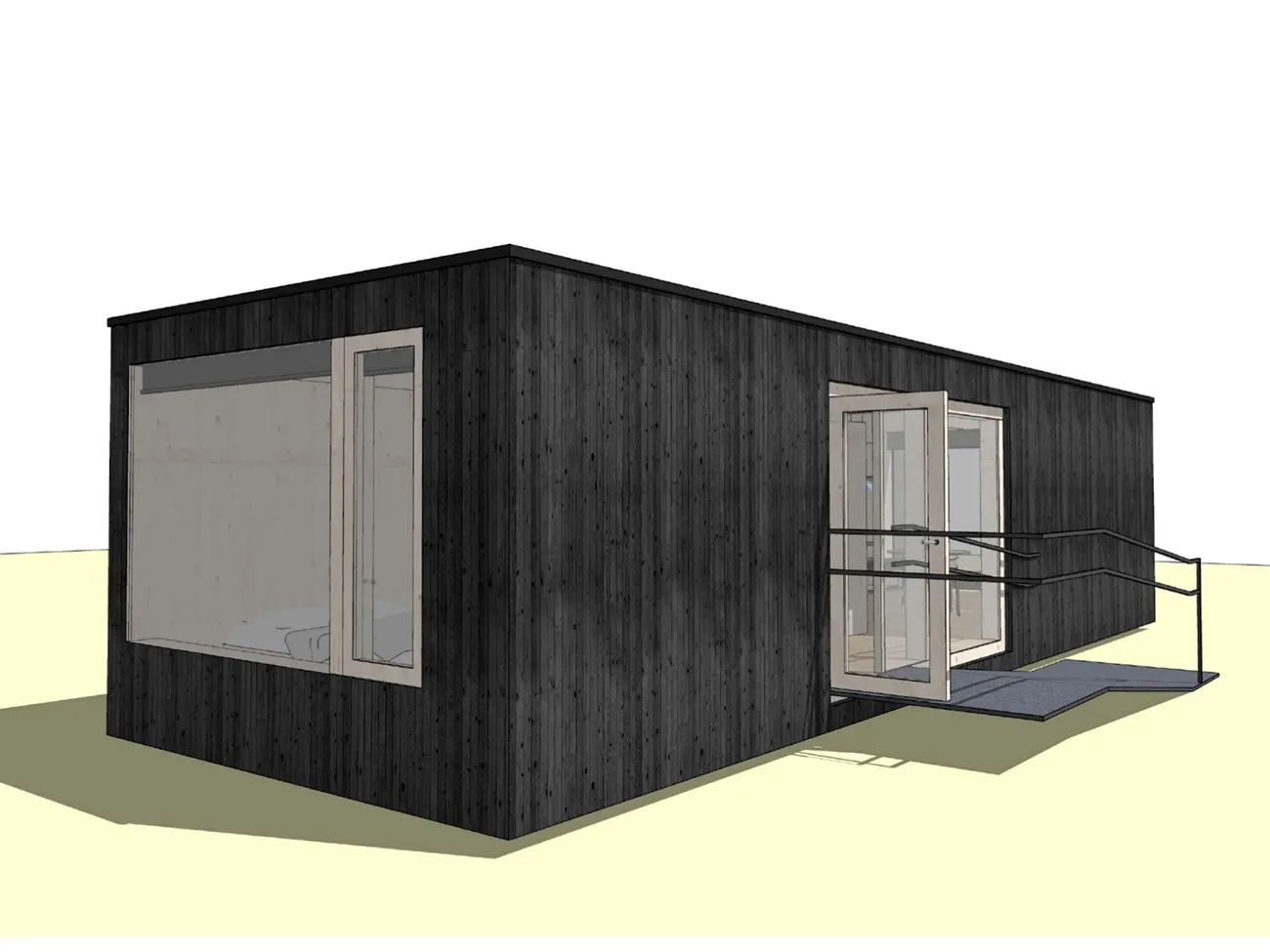
A mobile care unit has many advantages. It aligns with the trend towards increasingly automated prefabrication of building elements in the construction industry. This means that a bespoke prefabricated unit can be installed quickly. The unit is also temporary and can be moved, while, above all, the person in need of care can remain in familiar surroundings. Moreover, it is a separate living unit, which is a major advantage during the current coronavirus crisis and in terms of social distancing. In addition, demographic change in Flanders calls for increasingly creative solutions to meet the needs of an ageing population as effectively as possible. Older people are also generally delaying the move to a care home for longer. As well as installing a temporary care unit, households can still consider adapting their existing home to meet new needs. Creating modular spaces that can be quickly adapted to changing needs is becoming increasingly important in new-build projects.
Question about this story? Ask your question
Keep following this
Get an email when a new story is published. No account needed.
- SubjectGeneral







