









Bees are vital to the survival of humanity
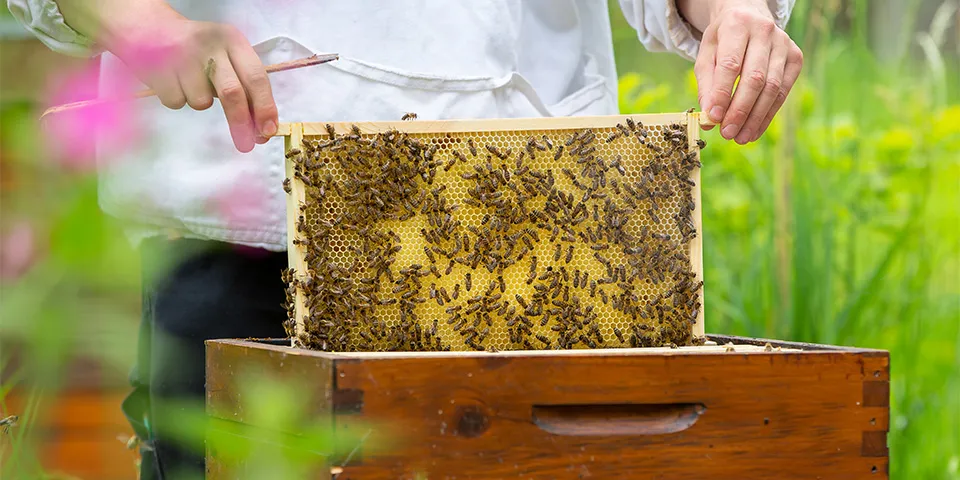
Although some may find the headline above somewhat apocalyptic, it contains a great deal of truth and common sense.
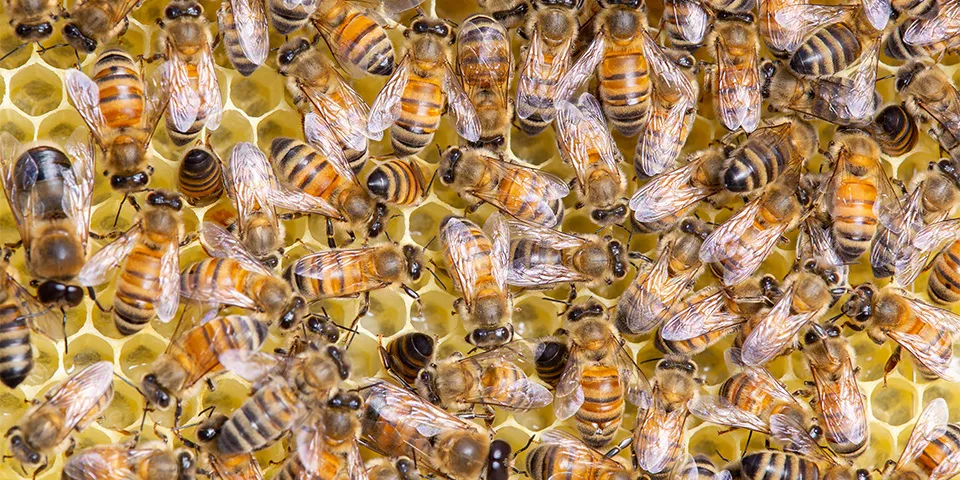
Bees make up the largest population of pollinators. No bees means no pollination, and no pollination means no plant-based food. It is as simple as that.
Over the past few decades, bee populations worldwide have come under considerable pressure, partly because declining biodiversity has left them with less food. A second reason is the growing use of pesticides. If we are to save bees, and by extension our world, a number of drastic measures are needed.
International concern
Several commendable initiatives have emerged in recent years. One is the recent European Citizens’ Initiative ‘Save the Bees’, which received the green light from the European Commission this summer. The Commission has pledged to explore concrete measures to increase biodiversity and adequately protect bee populations, provided that ‘Save the Bees’ can collect at least 1 million signatures.
Flowering motorway verges
An initiative such as ‘Honey Highway’ also deserves our wholehearted support. The aim is to transform the verges of European motorways into flower meadows. This would not only look beautiful: the resulting biodiversity would also give bees access to more and better food sources. The ultimate goal is a continuous, flower-lined motorway network stretching from Europe’s far north to its far south. Beekeepers also have an important role to play, albeit at a more local level. Their numbers have grown exponentially in recent years, and around 99% are hobbyists, so there is certainly no shortage of commitment and enthusiasm.
Knokke, the place to bee
There is plenty happening closer to home, too. In recent years, a range of initiatives to promote biodiversity and bee welfare have taken shape in Knokke-Heist. Led by Mayor Leopold Lippens, these efforts even earned the town the title of ‘most bee-friendly municipality in Flanders’ in 2015. Current and future projects in the seaside town are being developed in partnership with ‘BeeOdiversity’. Knokke-Heist has also supported local beekeepers since 2011. The BeeOdiversity project now includes ten bee colonies in Knokke-Heist, helping to safeguard the future and health of more than five hundred thousand bees. So far, fifteen bee-friendly gardens have also been created, along with 20,000 m² of flower meadows on public land. Five of the flower meadows in Knokke even rank among the top ten in Europe. Plans also include therapeutic flower gardens around municipal care homes. Information points such as the apiary in the flower garden at the Wulpenhoek water basin and the honeybee centre near CC Scharpoord provide valuable information about bees’ needs and way of life.
Corporate social responsibility
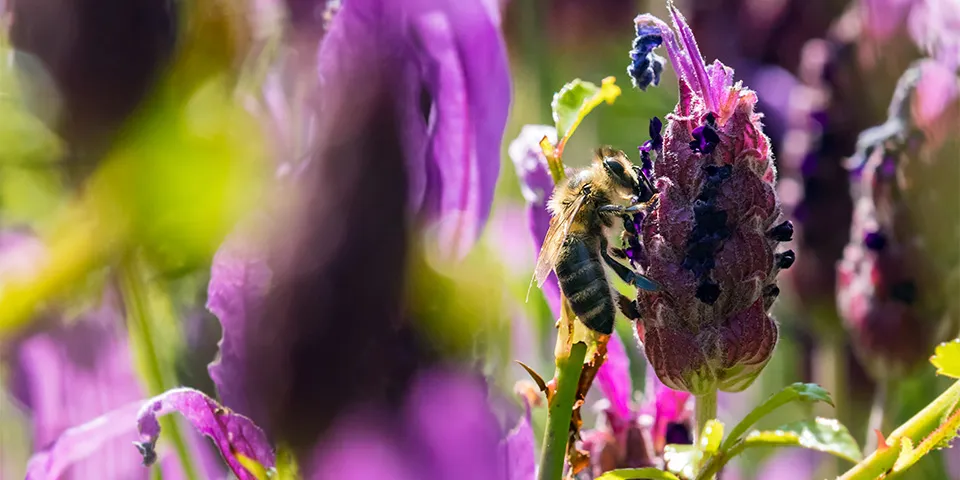
BeeOdiversity is a socially driven company that develops projects and provides advice to promote biodiversity, particularly through bees. Its initiatives and research focus on changes in the health of bee colonies; the quality and availability of nutritious food sources for bees; biodiversity in the broadest sense; and identifying sources of pesticides and reducing their use through awareness-raising among all stakeholders, including local residents, visitors and farmers. The results are already encouraging. Pesticide use in the region is falling. Bee-friendly plantings in 2016 and 2017, together with the efforts of the agricultural sector and more than six hundred private individuals, currently provide the local populations of honeybees and wild bees with enough high-quality food, namely pollen and nectar. If everyone continues in the same vein, local bee populations will be able to reproduce successfully, securing their future and ours.
Question about this story? Ask your question
Keep following this
Get an email when a new story is published. No account needed.
- ThemeGreen space for everyone
- SubjectGeneral







