









Composting is clearly on the rise in Flanders
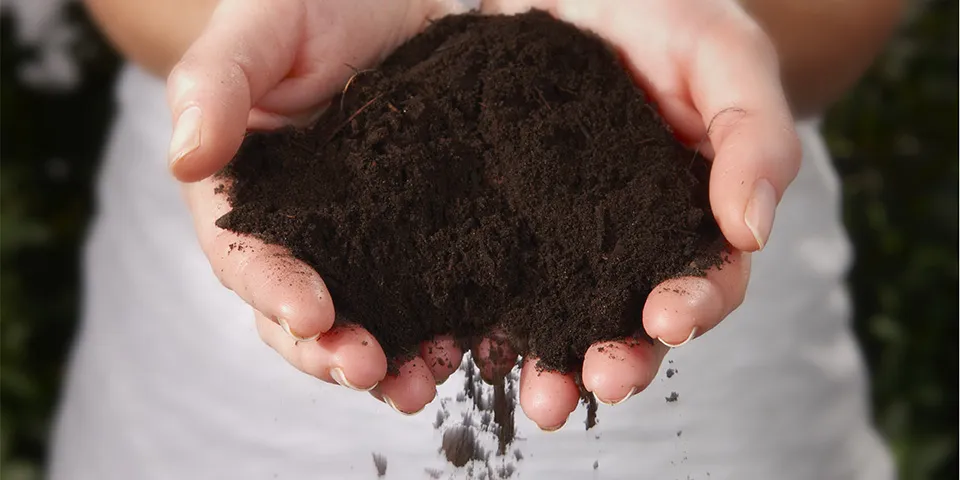
Today, two in three garden owners in Flanders practise the home composting cycle in one way or another. This is clear evidence that composting is becoming increasingly important. Much of this is thanks to the work of Vlaco vzw, which has been championing policy for, and the interests of, the biological cycle in Flanders for more than 25 years. Vlaco brings together both public authorities (OVAM and intermunicipal organisations) and companies that process organic-biological waste. The association currently has more than eighty members. We asked Elke Vandaele, quality, certification and research officer at Vlaco, for an update.
Comprehensive quality control
Under VLAREMA, Vlaco vzw is recognised as the inspection and certification body for biological processors of organic-biological waste. The standard requires compost to contain at least 16 % organic matter and 50 % dry matter. The properties and potential uses of compost are also continually researched and promoted through research projects, demonstrations and trials on test plots.
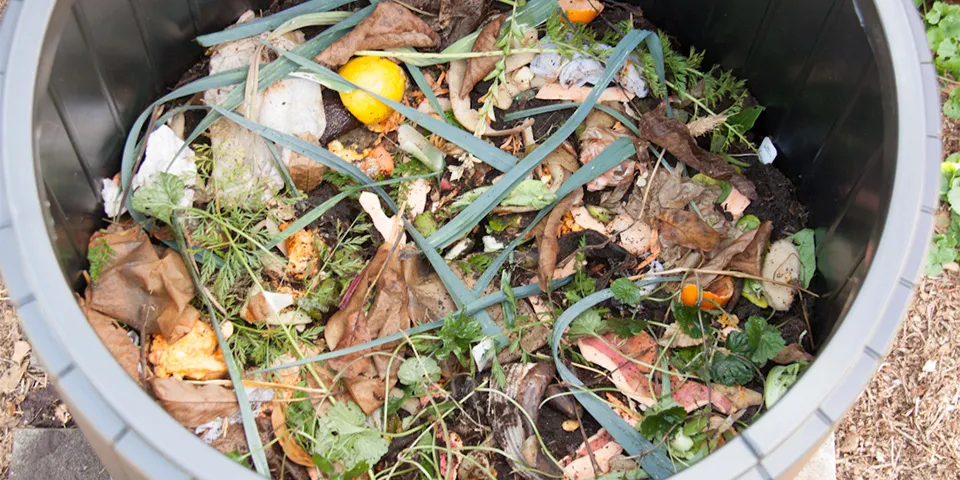
The importance of composting
Elke Vandaele: “Composting is a perfect fit with today’s circular thinking, producing high-quality, sustainable soil improvers that can be put to good use in gardens and parks. It also significantly reduces the amount of waste. In addition, a number of composting companies have their own biogas plants, giving them an important role in generating renewable energy. This helps us to reduce our CO2 emissions further.
And there is more: a by-product of anaerobic digestion in biogas production is digestate, which can also be reused as a sustainable fertiliser after certification. Dried digestate is used not only on arable land and in fields, but also in private gardens and parks, potentially in combination with green waste compost and compost made from kitchen and garden waste. Certification, information, motivation… it remains important to involve all stakeholders, from citizens to public green-space services, and from garden contractors to the agricultural sector.
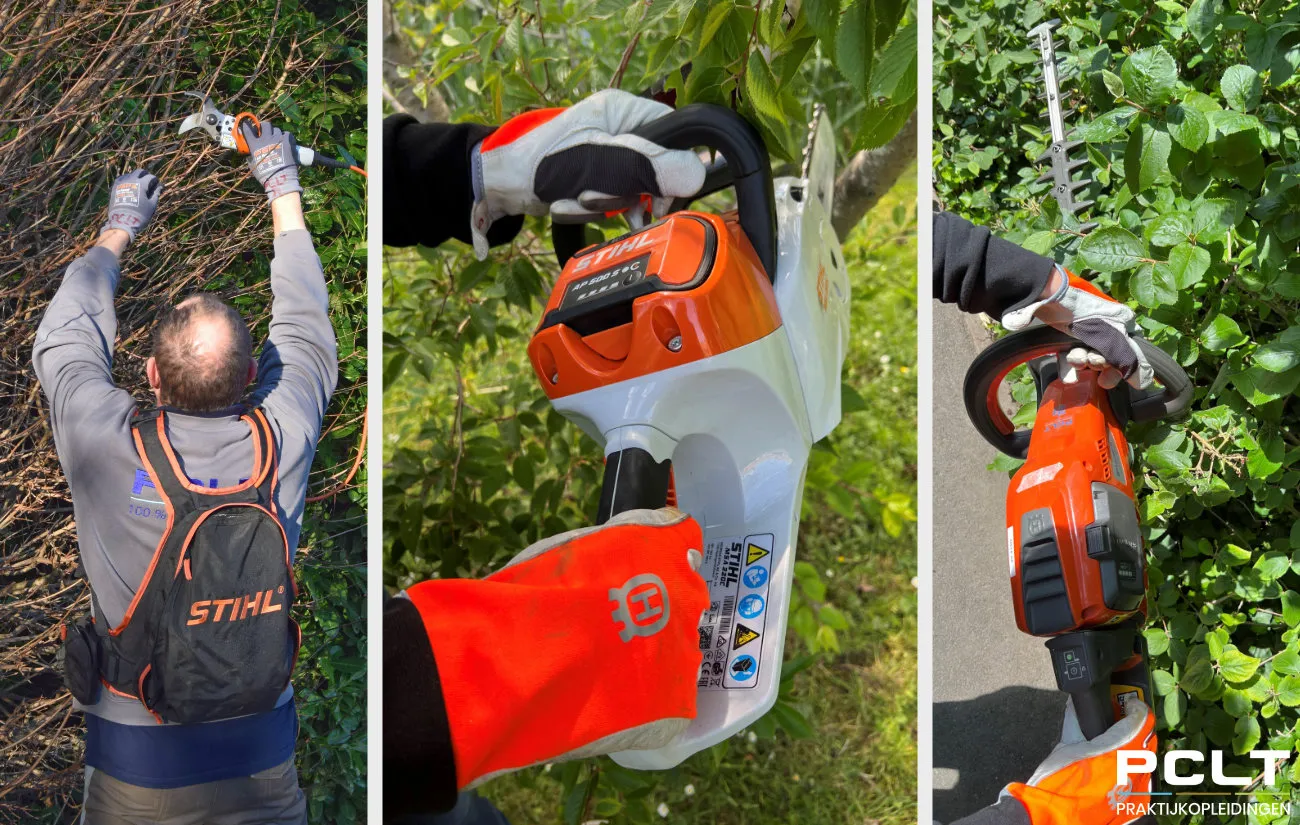
Mulching a garden.
From a simple bin to a fully fledged compost heap
Closing the loop in your own garden can take many forms: feeding food scraps to chickens, composting garden waste, or shredding prunings and reusing them as mulch. Even those without a large garden can compost plenty of waste in a simple composting bin. For a larger garden, a compost bin or heap can serve as a source of sustainable soil improvers and fertilisers. Vlaco also trains volunteers to spread the word about the circular approach.
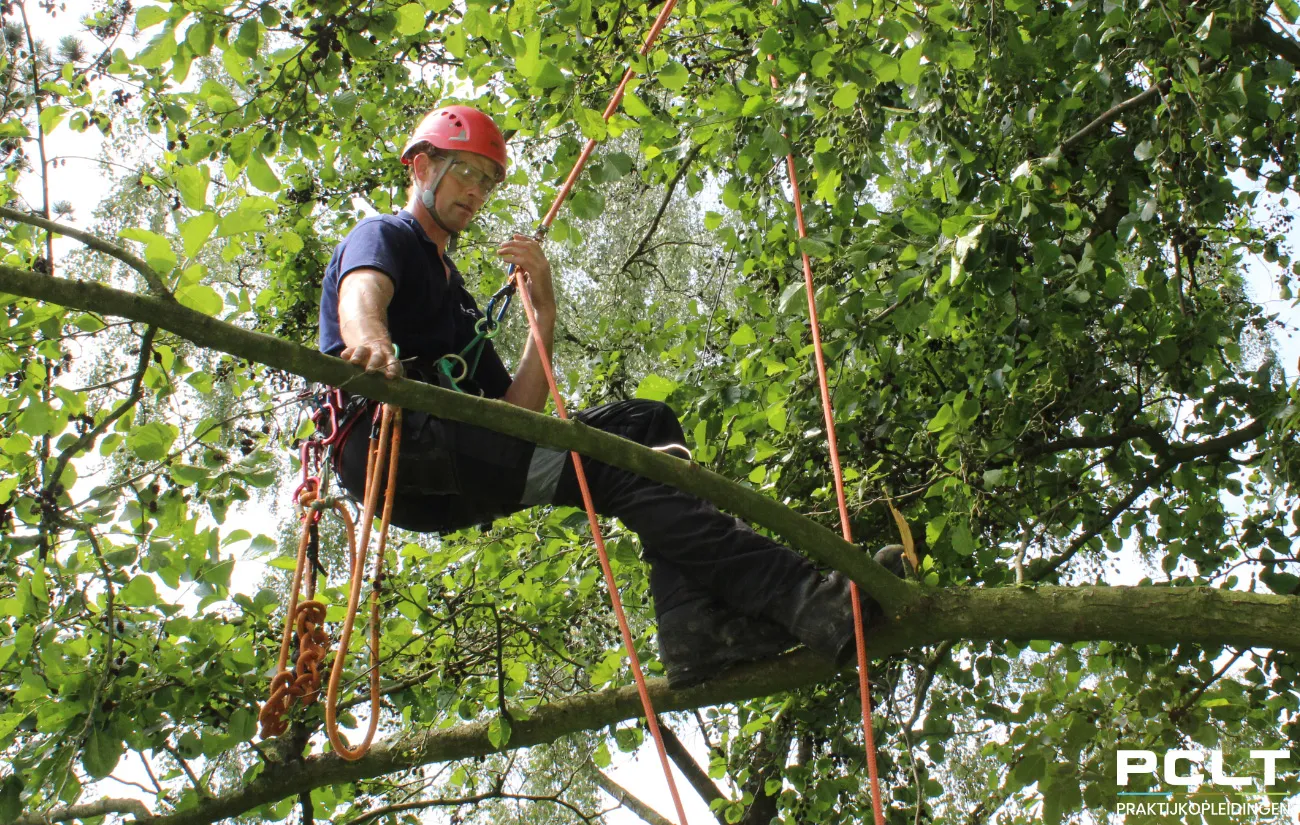
Demonstration using Vlaco potting soil.
Building support among green professionals
Elke Vandaele: “We also promote the use of our sustainable soil improvers, such as compost and dried digestate, among garden designers and garden contractors. The installation of a new garden is, after all, the ideal time to improve the soil. Organic soil improvers and fertilisers are readily available commercially from specialist producers, but incorporating a designated home composting area into the garden plan is also a very good idea. The importance of closing the loop at home cannot be overstated. We are also running several projects in collaboration with public green-space services and intermunicipal organisations, in which we develop new potting soil together and test it in practice. We recently successfully trialled a new potting soil variant with additional nutrients. Initiatives like these help us to support the example set by municipalities and public green-space services in applying sustainable soil improvers and fertilisers.”
The Vlaco website (www.vlaco.be) features several tools that can be useful to both private individuals and green professionals. The CO2 tool lets you calculate the CO2 savings achieved by using compost and digestates. The handy compost calculator, meanwhile, works out how much compost you need for a specific project.
Question about this story? Ask your question
Keep following this
Get an email when a new story is published. No account needed.
- SubjectGeneral







