









Diversity in dry shade
Perennials that relish a challenge
Dry shade is perhaps one of the most difficult places in the garden to plant. Yet plenty of perennials thrive there. They are often overlooked because many designers and garden owners avoid these spots and rely only on familiar choices to tackle them.
It is not straightforward, as much depends on what is happening below ground. At what depth is water available? What kinds of trees and other plants are growing there, competing for light and moisture? How fertile is the soil? Has it been compacted by bulldozers, cranes or tractors driving over it during construction of the house?
This means it is not always possible to predict how a plant will perform, and it may take a while to establish. It is best not to plant during very dry spells, and to work plenty of compost into the soil at planting time. Use coarse garden compost or leaf mould; even cocoa shells can help. It is best to avoid fine compost, as this can compact the soil further, while an open soil structure is essential. Good preparation is therefore important. Once these top performers have established, however, there is no stopping them, and they can make these difficult spots far more interesting.
Wild ginger
We start with one of the least conspicuous plants: wild ginger, or Asarum europaeum. This low-growing groundcover is evergreen and stands out mainly for its glossy, kidney-shaped dark green leaves. It flowers in April and May, with inconspicuous dark brownish-red blooms. It is often recommended for moist, slightly acidic soil, but once established it also does well in drier ground. It dislikes harsh sea winds, but is otherwise disease-resistant and very hardy. Keep an eye out for slugs in spring, though, as they love the fresh young leaves.
Greater stitchwort
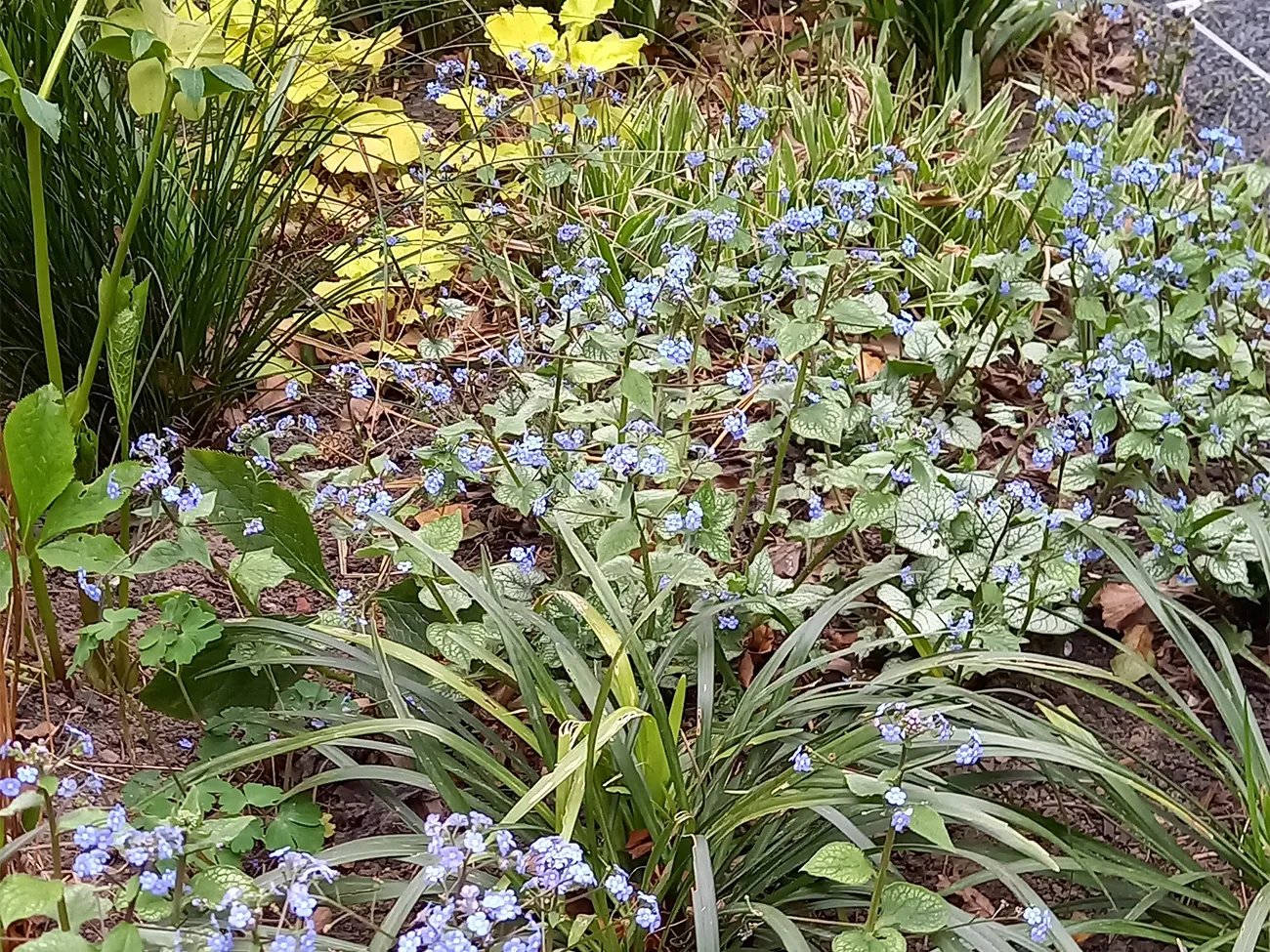
While Asarum flowers inconspicuously, greater stitchwort, or Stellaria holostea, puts on a much more striking display. In May, attractive, loose clusters of white flowers appear. This native plant is still far too rarely used, but is a real asset for bees and insects in the shade garden. It is a robust groundcover that can spread vigorously, but is easy to keep in check. Combine it with large-leaved plants such as Brunnera or Bergenia for an even stronger effect.
Barrenwort
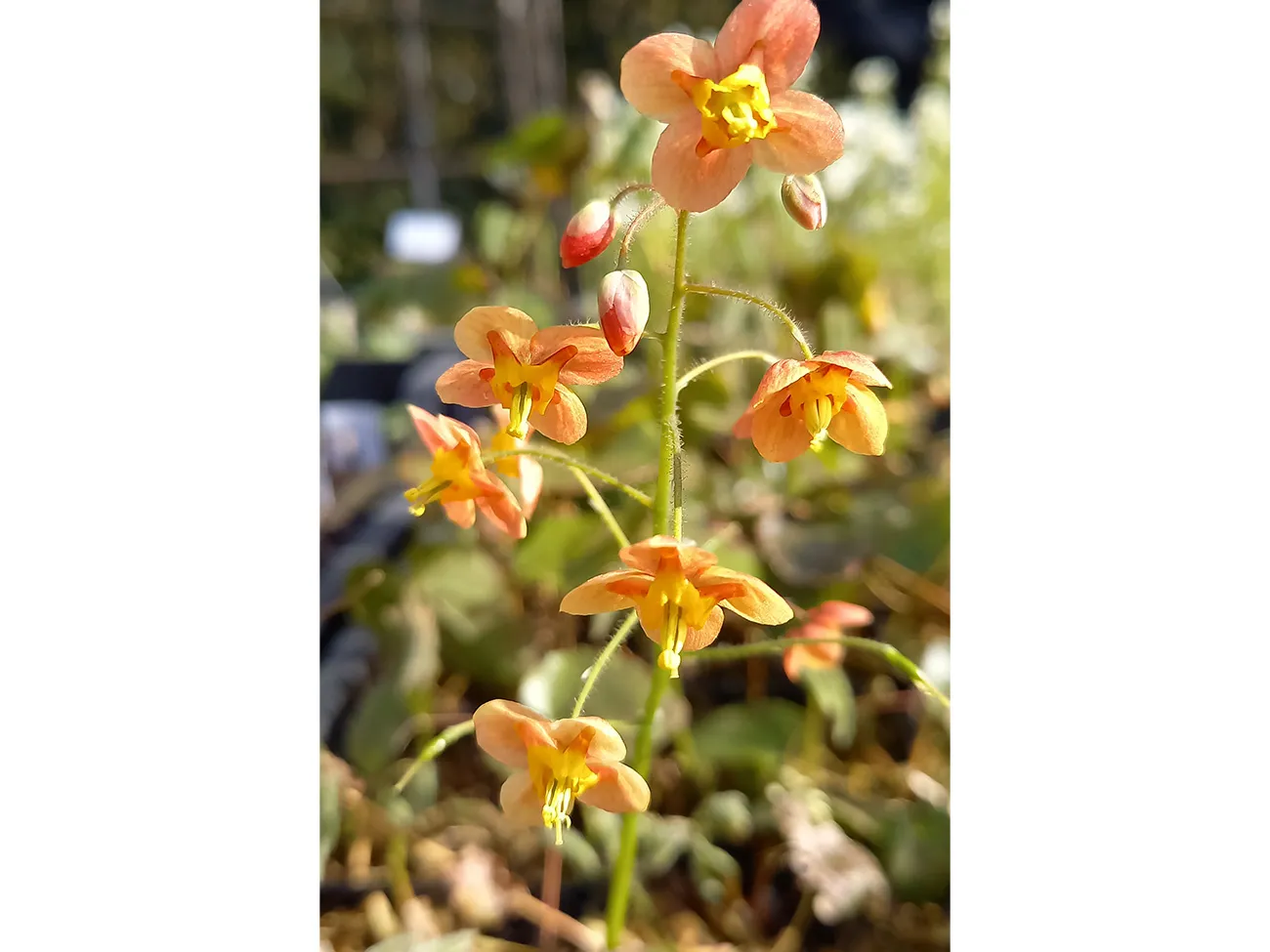
Barrenworts are fantastic groundcovers and are, thankfully, being used more and more often. Many Epimedium species thrive in dry shade once established. Hundreds of cultivars and crosses are now available, and there are few poor performers among them. You can hardly go wrong with Epimedium, though it may take a while for plants to establish and begin growing vigorously.
Epimedium x warleyense performs even better than most. Beautiful orange flowers appear above the evergreen foliage in April and May. Young leaves may have a reddish tint when they first emerge. The cultivar ‘Orangekönigin’ is the most commonly sold and is certainly worth recommending.
Pachypragma
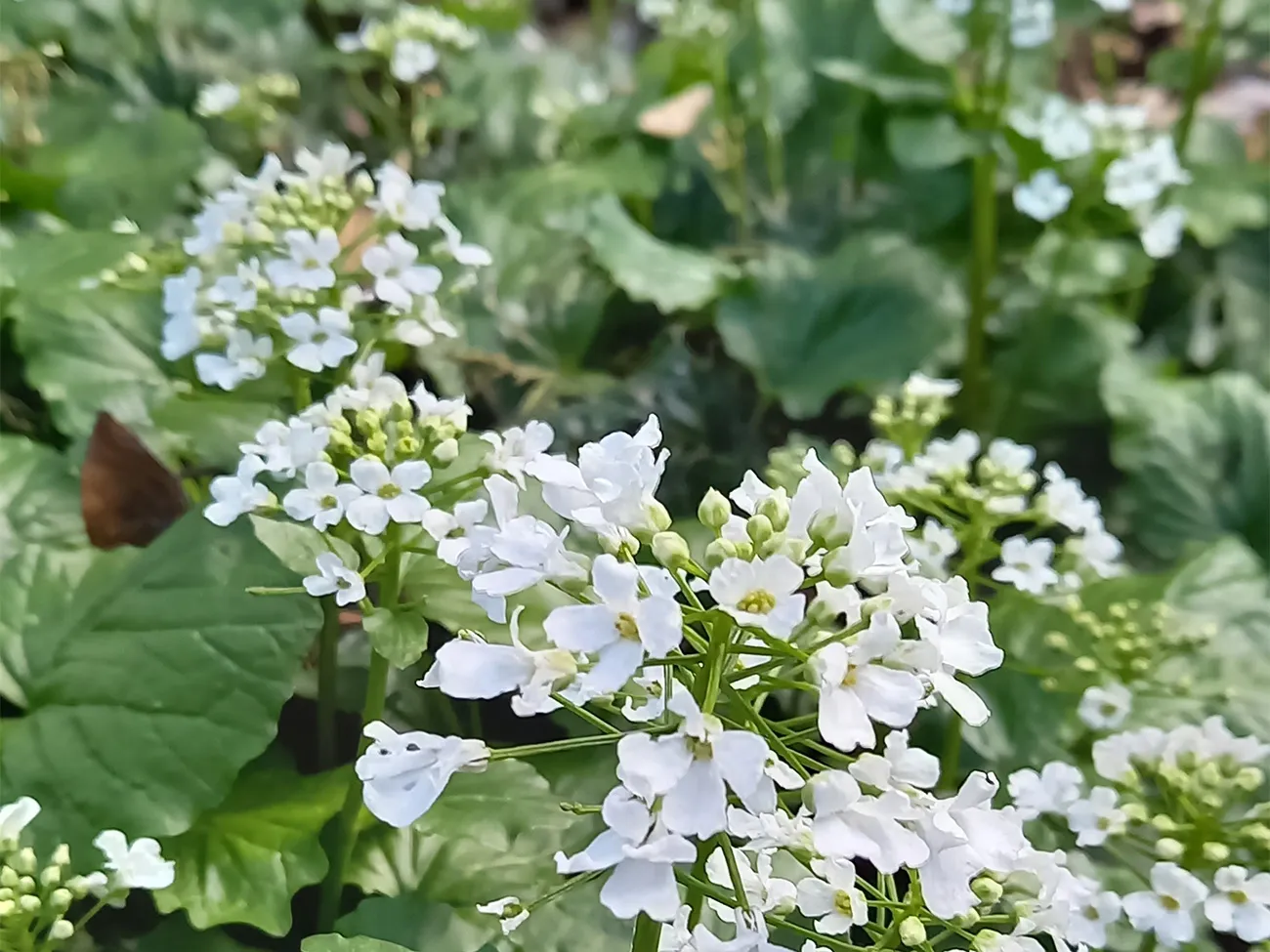
Pachypragma macrophylla is still far too rarely used. This groundcover has plenty of benefits and is an asset in the garden all year round. Although it is often recommended for moist soil, it also tends to do well in drier conditions. It can be used around trees and is very effective at suppressing weeds. Its white flowers rise attractively above the round, bright green leaves and appear from March onwards.
Cranesbill
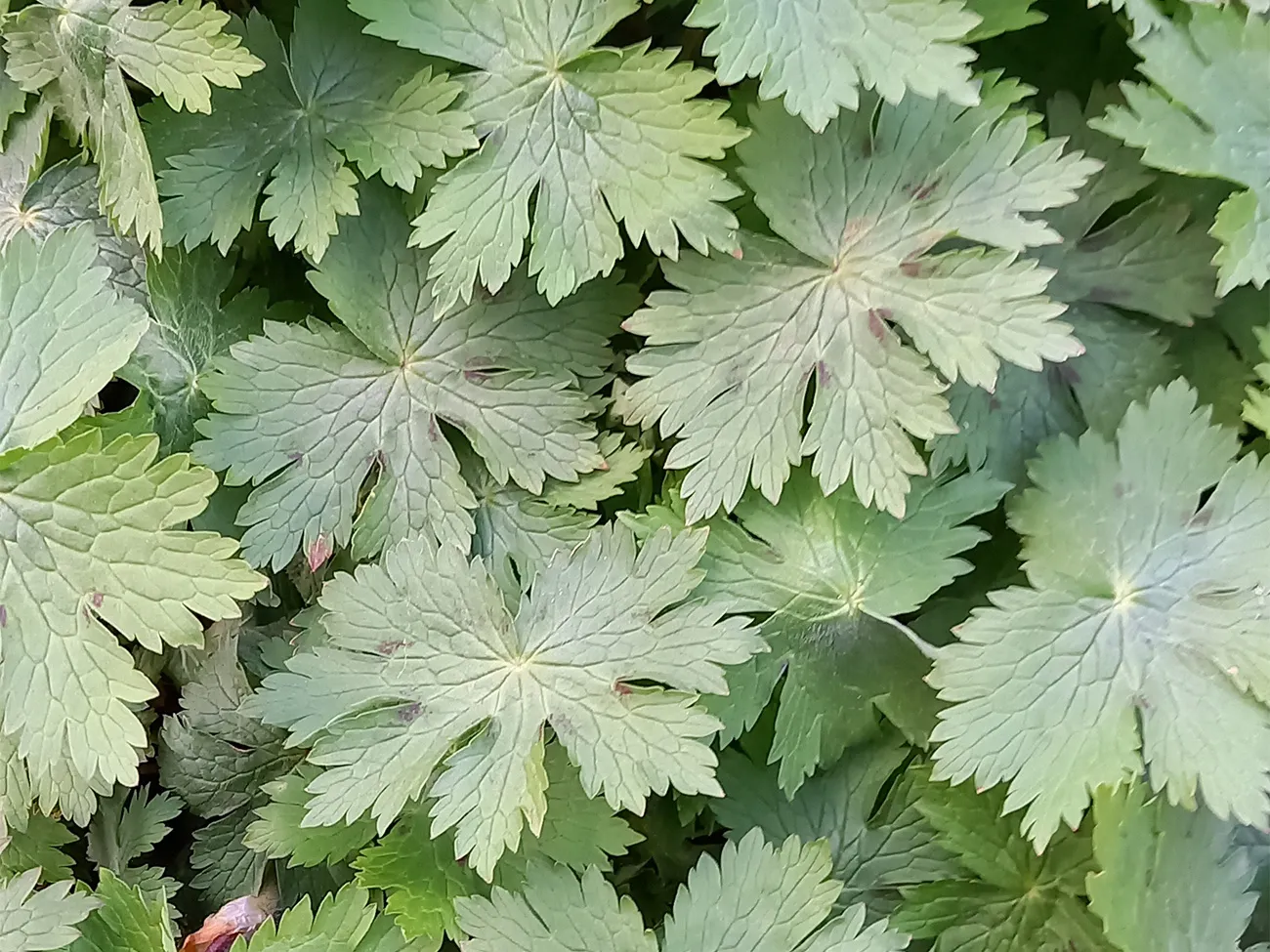
Cranesbill, or Geranium, is a garden staple, with many different species and cultivars to choose from. Geranium nodosum is the top performer when it comes to dry shade. It is not evergreen and flowers in July and August, with delicate lilac-coloured blooms. Its attractive glossy foliage grows to around 40 to 50 cm tall and stands out in the shade. This Geranium is so tough that it even thrives in the shade of conifers, a spot many people would not dare to plant.
Dry shade is a challenge for any designer or landscape contractor, but with these top performers even the most difficult spots can become an asset for the garden owner and for nature.
Question about this story? Ask your question
Keep following this
Get an email when a new story is published. No account needed.
- SubjectGeneral







