









Essential training for garden contractors
Text Trees AccouImage Inverde, PCLT, Flore De Baets, Dries Baetens
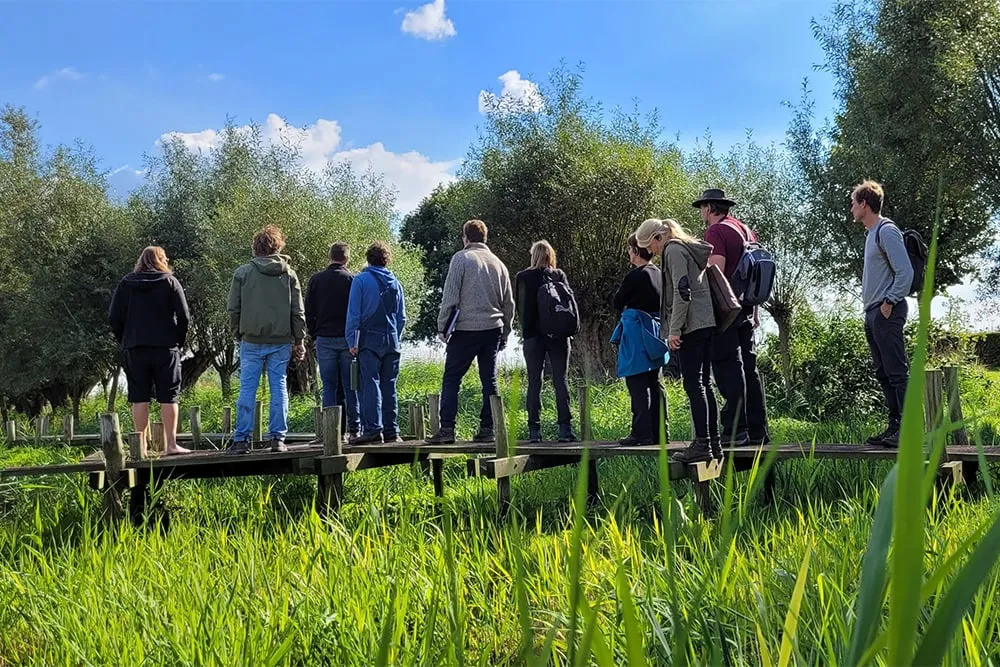
September: alongside cooler mornings and the first autumn colours, the month always brings those back-to-school vibes. A few extra hours in the classroom can do no harm, even if you are a garden contractor or landscaping business owner. A day course, or even a year-long programme, will help you keep your knowledge up to date and stay on top of the latest trends. Experts see making our gardens more climate-resilient and switching to battery-powered equipment as the biggest changes in the years ahead.

A well-trained garden contractor is worth their weight in gold. And since our sector is literally growing, flourishing and evolving, it pays to keep honing your skills too. That way, the biggest challenge in our profession, creating and maintaining beautiful gardens in a changing climate, also becomes a way to stand out. The right training will help you get the most out of the gardens and public green spaces in your portfolio.
Ecological gardening for the future
One place where you can take this kind of training is Inverde, the training centre of the Flemish government’s Agency for Nature and Forests. Its courses range from policy and advice to practical training in chainsaw use and tree care, and are designed specifically for professionals. Director Raf Somers says: “In the years ahead, you will need to factor the challenges of climate change into your garden projects. Think, for example, about reducing hard landscaping. This goes hand in hand with growing interest in ecological working methods, both among garden contractors and their clients. Gardens are already feeling the effects of changes in the weather and climate. People don’t like a dried-out lawn, so they are looking for alternatives. Our courses will set you on the right path.”
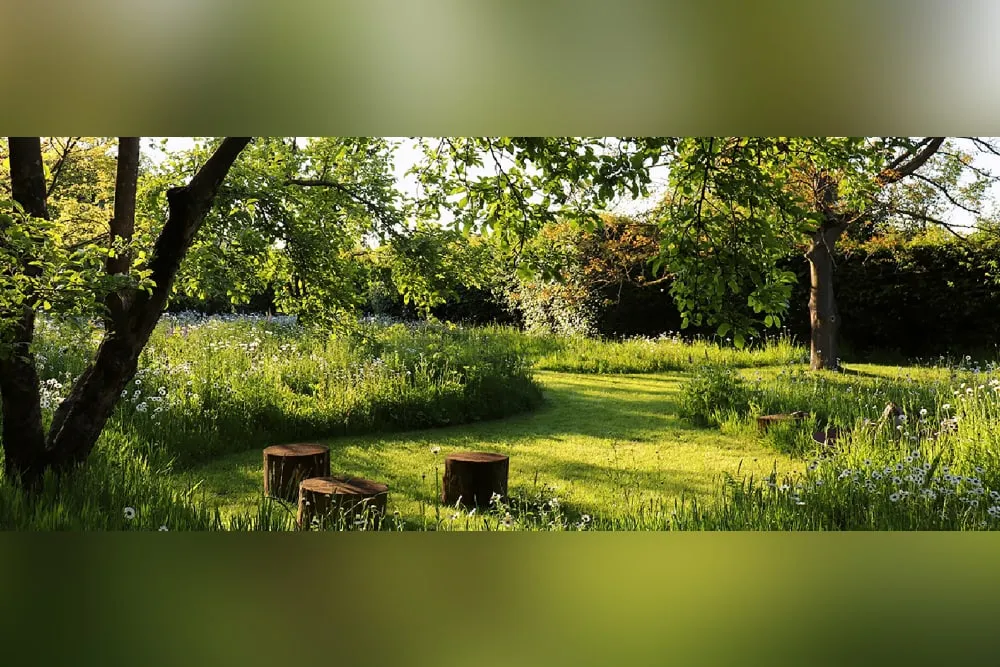
At Inverde, you can take a two-year programme in ecological garden and landscape design, which teaches you to look at planting in a different way. The course has proved a hit, as it also gives you the chance to build a network of people and organisations and learn from one another. There are also shorter courses on topics such as creating and managing flower meadows, and creating and managing biodiverse gardens.

“The switch to battery-powered equipment is another trend that is gathering pace. Phasing out petrol-powered equipment is not only better for the environment, but also more pleasant for the user. There is less vibration and noise. However, the switch does require some adjustments. Maintenance, for example, differs from that of machines with petrol engines. That is why we offer a course on how to keep your equipment in top condition.”
According to Inverde, a basic knowledge of ecology is essential for garden contractors in 2024. Somers says: “We need to learn to work with nature and find the right plant for the right place. This means less maintenance and greater biodiversity. A win-win.”
A green mindset
Marc Ballekens, director of the Practical Centre for Agriculture and Horticulture, or PCLT for short, confirms that the machinery sector is evolving rapidly in both private and public green spaces: “It makes sense: the green sector does not want to pump more CO2 into the air. We teach local authorities and garden contractors how to use this new equipment. How do you charge a battery? How do you optimise your work? A course on using and maintaining your brushcutter or hedge trimmer will ensure that you work safely and efficiently. Good for you and good for your machine.”
Plant knowledge is also becoming more important as the climate changes. “You need to know more about drought, because you don’t want to plan a garden full of drought-sensitive plants. With practical courses such as ‘Tree species in a changing climate’ and ‘Sustainable weed control on hard surfaces’, PCLT is responding to this in a big way. Garden contractors used to need green fingers. Today, they need a green mindset,” Ballekens concludes.
Over to you
Ready to sharpen your skills? A short one-day course can already help you get more out of your machinery and plants. If you have bigger plans, consider a longer one- or two-year programme as an investment in the future. The clear trends identified by these directors give you a good idea of where to focus.
Question about this story? Ask your question
Companies in this story

Keep following this
Get an email when a new story is published. No account needed.
- SubjectGeneral
- CompanyPCLT







