









Flanders urgently needs more wildlife-friendly garden ponds
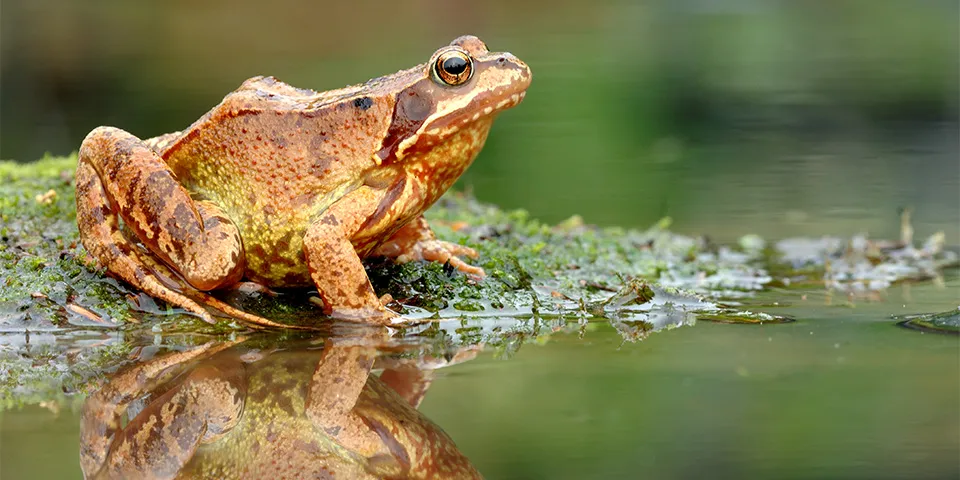
In Flanders, the total area of private gardens is far greater than the area of nature reserves. Garden designers and landscape architects would therefore do well to consider including a wildlife-friendly garden pond in their designs. Not only is it attractive and calming, it can also provide a vital link in a network of ponds and pools. Such networks are crucial for many plant and animal species that depend on these ecologically valuable bodies of water. Garden ponds can be extremely important for frogs, toads and newts, as well as for dragonflies, water beetles and aquatic plants. Dominique Verbelen, project coordinator at Natuurpunt, knows all about them.
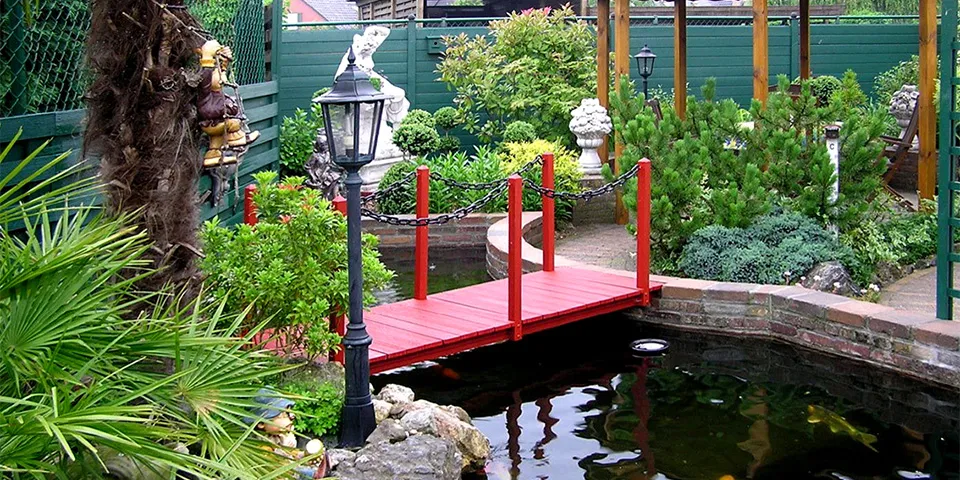
Wildlife-friendly garden pond. (Image: Dominique Verbelen)
What is a wildlife-friendly garden pond?
Dominique Verbelen: “A wildlife-friendly garden pond does not have to be any particular size. Even a buried ‘blue plastic shell’ that many parents once bought as a mini sandpit for their toddler can attract plenty of amphibians and aquatic insects. And it is affordable. Even a larger garden pond can be built on a relatively modest budget. Trust nature: the right oxygenating plants, for example, can save you the cost of special pumps or filters. It is really quite simple: any garden pond that closely resembles a natural pool could be described as ‘wildlife-friendly’. As drinking ponds in cattle pastures disappear or fall into disrepair, the need for new aquatic habitats is growing considerably. It is great, then, that a municipality such as Merelbeke is fully funding the construction of wildlife-friendly garden ponds on private land. Hopefully, other municipalities will follow this brilliant example.”
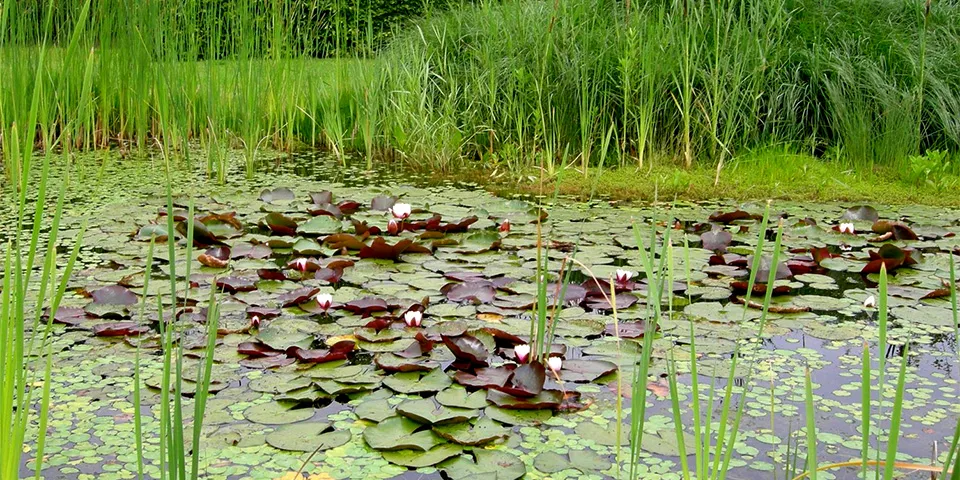
Wildlife-friendly garden pond. (Image: Robert Jooris)
Choosing between fish and amphibians
“This may come as a revelation to many: fish and amphibians do not get on well together. Some fish species are particularly fond of frog and newt eggs and larvae. A few sticklebacks in a large pond are not a problem in themselves, but too many are. Exotic species in particular, such as topmouth gudgeon, pumpkinseed sunfish and koi, do not belong in an amphibian-friendly garden pond. Garden centres used to sell large numbers of exotic edible frogs. Unsuspecting garden owners would then release them into their own ponds, often with unpleasant consequences. They breed rapidly, and the males make an infernal racket during the mating season, making it impossible to sleep. These irritating mating concerts have even led to disputes between neighbours that had to be settled by a justice of the peace or in court. Native amphibians are also all protected by law. They may not be traded or taken from the wild and released in your own garden. If we want them in our garden pond, they must arrive naturally. Patience is a virtue,” says Dominique Verbelen.
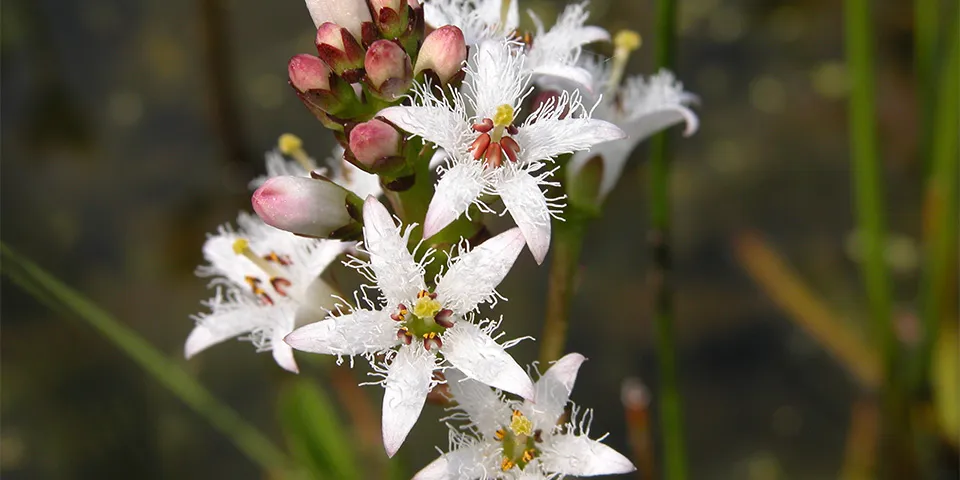
Bogbean (Image: Dianne Appels)
Do’s & Don’ts
“If you are hoping for frogs and other amphibians to turn up in your garden of their own accord, it is worth checking whether there are natural ponds nearby. Newts, for instance, will never travel more than half a kilometre. For toads and frogs, the distance should be no more than 2 kilometres. If you do choose to keep fish, be careful not to feed them too much. An excess of food often makes the water cloudy and can also lower oxygen levels, making it harder for some organisms to survive. Make the pond deep enough, 1.5 to 2 metres, so that it does not freeze all the way to the bottom in winter and is less likely to dry out during a hot, dry summer. Also make sure the banks slope gently. This makes it easier for amphibians to climb in and out of the water. Dig the pond in a sunny spot, as cold-blooded amphibians prefer warmer water. And, last but not least, do not just create a wildlife-friendly pond: make sure the rest of the garden is also an attractive place for a wide range of species, with no pesticides, plenty of native plants and shrubs, a few untidy corners of weeds, a woodpile or a mixed hedge,” explains Dominique Verbelen.
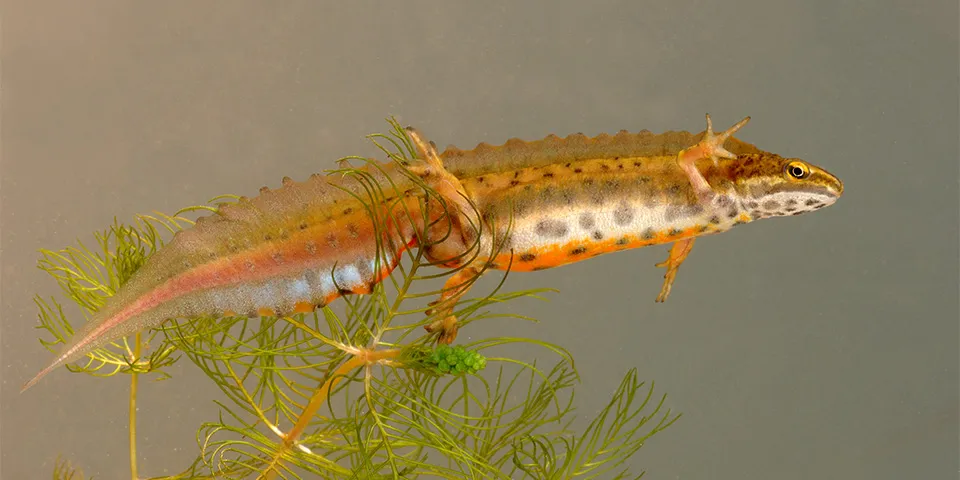
Smooth newt, male (Image: Hugo Willocx)
Choose native species
Dominique Verbelen: “At Natuurpunt, we firmly believe in native animals and aquatic plants. Anything that does not occur naturally in the wild here, under its own steam, has no place in a wildlife-friendly pond. Canadian waterweed, for example, as its name suggests, can quickly become a real nuisance. The owner of the pond soon sets about a thorough clean-up, often dumping the surplus plants in the wild, where they can continue to spread and cause harm. So choose native oxygenating plants such as spiked water-milfoil or spiked water-milfoil.”
Suitable for small gardens too
A wildlife-friendly garden pond is by no means the preserve of wealthy homeowners with large gardens. A concrete tank or even a rut in a country lane can provide an interesting aquatic habitat. Bear in mind, though, that a pond larger than 30 m² requires planning permission.
Question about this story? Ask your question
Keep following this
Get an email when a new story is published. No account needed.
- SubjectGeneral







