









Flemish Confederation of Construction supports ‘Natuurlijke tuinen’ project
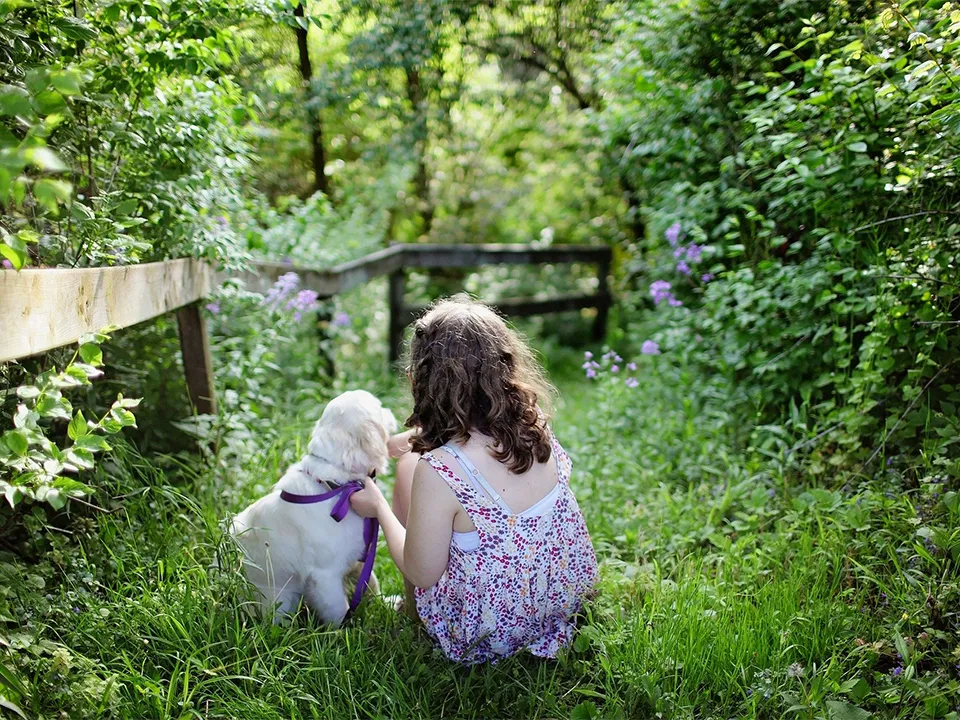
The Flemish government is working to prepare private and family gardens for climate change and drought, including through its blue deal, its tuinlab and the ‘Natuurlijke tuinen’ green deal.
Building on growing support means providing incentives, raising awareness and protecting property rights. Owners’ cooperation in using their gardens to boost biodiversity and water resilience helps protect the value of their homes.
Flemish Environment Minister Zuhal Demir has highlighted her blue deal several times this year. It includes a package of measures worth half a billion euros to make Flanders more resilient to both drought and flooding. Experts increasingly emphasise the role our gardens can play, which should not be underestimated. The potential of household gardens was demonstrated once again recently when almost 70,000 people in Flanders took part in the annual bird count weekend.
“Ten per cent of green space in Flanders consists of our gardens. Only three per cent of green space in Flanders is protected nature. So our gardens are actually more important to bird populations than many other areas,” said Michael Pas on VRT programme De Afspraak, as ambassador for the 2021 bird count weekend.
A vacant plot of 100 m²
It is therefore no surprise that Minister Demir increased subsidies for tree planting and broadened the eligibility criteria at the end of January. Private individuals with a vacant plot of 100 m² are also eligible. The Flemish Confederation of Construction has long supported measures like these, which extend a helping hand to families and property owners as they work to make Flanders more climate- and water-resilient. The VCB is also backing the ‘Natuurlijke tuinen’ green deal.
Marc Dillen, director-general of the VCB: “Families, private individuals and businesses collectively own a substantial area of gardens and plots in Flanders. They can be persuaded to contribute to more green space, greater biodiversity and better water infiltration in their living environment. Their willingness to invest in a climate-resilient environment, both in the short and long term, depends to a very large extent on the legal certainty the government offers property owners, which determines whether family homes and plots retain their value. The government should also recognise the importance of temporary greenery on building plots, such as at vacant business parks, and provide the necessary guarantees. This temporary aspect matters where existing spatial planning still allows for development. But even where it does not, the government must guarantee that greening will not affect the existing residential use. It is crucial to safeguard legal certainty and prevent plots from losing value.”
Question about this story? Ask your question
Keep following this
Get an email when a new story is published. No account needed.
- SubjectGeneral







